


It was reported by AIN back in July, that 

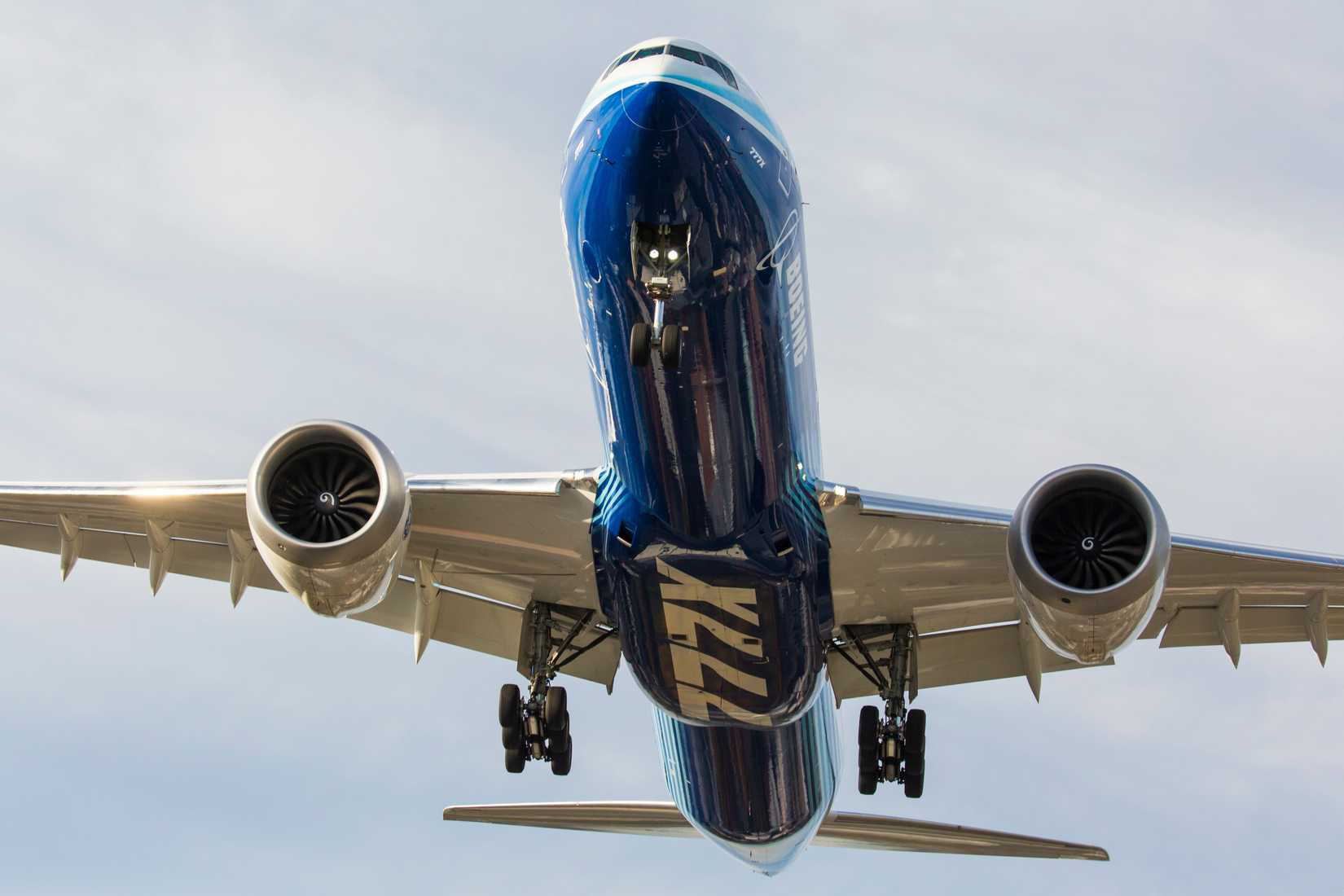
However, with this new highly anticipated freighter preparing to make its debut, orders have started to flow in. Boeing’s competitor, Airbus, also has a revolutionary freighter of its own just around the corner, with the Airbus A350F, and deliveries are expected to begin next year, according to Flight Global. This article takes a look at how the Boeing 777-8F stacks up against the competition and whether Airbus should be worried about the shifting freight aviation landscape.
Recent Performance Of The Two Companies

Setting the stage before the arrival of the 777-8F and A350F in the next few years, Airbus overtook Boeing to become the largest aerospace company by revenue in 2019, according to Flight Global. In October of the same year, the Airbus A320 became the highest-selling airliner family, with 15,193 orders, surpassing the Boeing 737’s total of 15,136. Later, in 2023, the number of Airbus aircraft in service would surpass those of Boeing for the first time, giving Airbus the edge in several aspects of the commercial aviation industry.
In 2023, Airbus and Boeing together delivered a total of 1,233 aircraft, according to Cirium data. The following year, that figure would drop off slightly, with 1,094 total Airbus and Boeing commercial passenger and freighter aircraft being delivered. Airbus originally intended to deliver 800 aircraft but reduced its forecast to 770 in June, expecting ongoing supply-chain issues to continue to slow production. Ultimately, Airbus achieved a total of 766 deliveries last year.
Boeing had a much rougher time of it in 2024, and did not make any predictions about its total production numbers. First, the repercussions of the Alaska 737 MAX door plug incident reared their head, and a significant machinists’ strike followed, which lasted from September to November. By the year’s end, Boeing had shipped only 333 commercial aircraft, a third less than in 2023. Boeing’s share of deliveries versus Airbus was only 30% of the market, the lowest since 737 MAX aircraft were grounded and deliveries suspended in the 2019-2020 period.
What About The Freight Sector?

In the commercial aviation market, Airbus and Boeing have dominated the skies for decades, absorbing or suffocating competing smaller manufacturers. While Airbus has recently taken the lead in recent years, as shown above, Boeing has maintained a solid grip on the freight sector, with 760 new freight aircraft ordered and 732 delivered to customers, according to Florida Flyers in 2024. Boeing has also converted hundreds of passenger planes to carry cargo, further flooding the sector.
Boeing offers many freighter variants, which are suited for many types of missions. Current offerings range from the massive, nose-loading 747F, which is particularly suited for long-haul operations with outsized cargo, to the Boeing 737 Classic and NG Conversions, which are well-suited to act as short-haul workhorses. Airbus’ offerings in the freight sector are much fewer, and aside from some converted passenger aircraft, the A330-200F is the only new offering until the A350F arrives, but it is narrower than the 777, and cannot accommodate two pallets side by side.
|
Order Backlogs, as of July 2025 (FlightPlan) |
|||||
|
Airbus |
A220 |
A320neo |
A330neo |
A350 |
Total |
|
506 |
7,128 |
285 |
759 |
8,678 |
|
|
Boeing |
737 |
767 |
777 |
787 |
Total |
|
4,862 |
94 |
614 |
993 |
6,563 |
|
The 777-8F and A350F could mark a potential paradigm shift in the commercial freight sector, particularly because new International Civil Aviation Organization (ICAO) guidelines for emissions will come into effect in 2027, halting production of freight aircraft older than these two new models, as they fall short of the new allowed emissions levels. According to Stat Trade Times, there are 59 777-8F orders, while Airbus is slightly ahead for A350F orders, with 65 on the books so far.
Supply Chain Issues Have Affected Both Manufacturers

Supply chain issues have been a confounding factor for both manufacturers since COVID shutdowns, and persisted throughout the subsequent years. While the bringing of the 777-8F and A350F to market puts the two manufacturers on a somewhat even keel regarding distributing these aircraft in the coming decade, it remains to be seen whether Boeing has tightened up its operation following the machinists’ strike. The production numbers for 2025 will be quite telling for judging how well the manufacturers are adapting to the supply chain problem.
The Spokesman Review featured comments from Airbus Commercial CEO Christian Scherer, who listed the ‘weakest links’ in the supply chain. These include the supply of engines, seats, galleys, and some aero structures, particularly those made by the parts-maker Spirit AeroSystems, which Boeing will acquire later this year. To close the gap and up production numbers, Scherer pledged that Airbus will help out suppliers and is making an effort to recruit and train new employees relevant to the issues.
“The challenges that this industry is throwing at us, the world is throwing at us, are not going away. Airbus has shown leadership and pulled the industry up.”
|
777-8F and A350F Specifications |
||
|
777-8F |
A350F |
|
|
Range |
4,410 nautical miles |
4,700 nautical miles |
|
Main deck capacity |
31 pallets (96 inches × 125 inches) |
30 pallets (96 inches × 125 inches) 4-10 seats |
|
Lower deck capacity |
13 pallets |
40 LD3 or 12 pallets |
|
Length |
232.5 feet |
232.2 feet |
|
Wing area |
5,562 square feet |
4,998 square feet |
|
Maximum payload |
247,500 pounds |
245,000 pounds |
|
Fuel capacity |
52,136 US gallons |
42,000 US gallons |
|
Power plant |
2x General Electric GE9X-105B1A (777-8) 110,000 pounds of force |
2x Rolls-Royce Trent XWB-84 high-bypass turbofan 97,000 pounds of force |
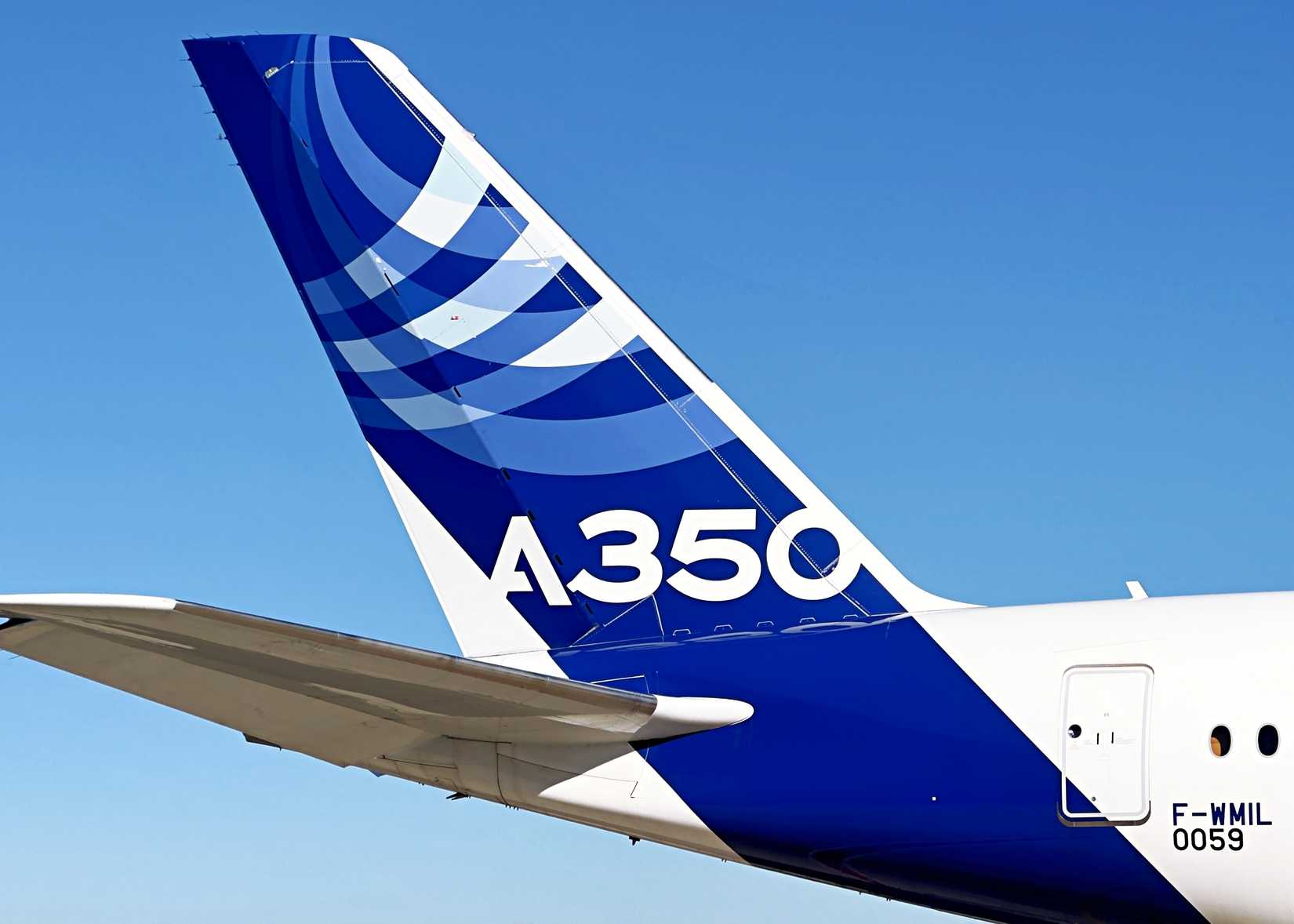
According to Key.Aero, Airbus had been preparing to battle Boeing for the freight sector since 2021, with CEO Guillaume Faury saying: “We think we have the products to be able to be more aggressive [in the cargo market].”, a statement that was made one day after Boeing CEO David Calhoun told investors and analysts that the 777 freighter was logical and that he was confident it would be the company’s next commercial program. Airbus launched the A350F in November that year and Boeing launched the 777-8F in late January 2022.
Fighting Talk From Airbus
The paradigm is shifting in more ways than one, as Boeing is starting to lose its grip on the market for larger, more expensive, commercial widebody jets, despite having an edge over Airbus previously. Looking at widebodies in general, including the freight sector, Airbus delivered 89 widebodies in 2024, one more than the 88 delivered by Boeing. In the same year, Airbus gained 220 net orders for widebody jets, while Boeing gained only 133.
As seen in more comments presented by The Spokesman Review, Airbus sales chief Benoit de Saint-Exupéry was pleased about the outcome, attributing it to the popularity of the A350. He also explicitly mentioned challenging Boeing in the freight market in its own home turf, the US:
“The A350 has clearly emerged as the long-haul leader. [It will be] the reference for replacing the big 777 fleet around the world. […] One of our objectives for 2025 is to penetrate the big freight carriers in the U.S.”
That said, Boeing is not going down without a fight, and customers appear to have faith that the 777-8F will be a great product. In 2022, Boeing announced that Cargolux, Europe’s largest freight-only airline, would be throwing in with the 777-8F, naming the new freighter as its preferred replacement for its existing 747-400 Fleet. Richard Forson, president and CEO of Cargolux, said the following at the Farnborough International Airshow that year:
“With the 777-8 Freighter being the preferred solution to replace our 747-400s, Cargolux is looking forward to continuing its ongoing relationship with Boeing.”
In 2028, Battle Will Begin
The A350F is expected to beat the 777-8F to market by one year, with current estimates placing the first delivery in 2027. Originally, entry into service was targeted for this year, but due to the ever-present supply chain issues, that was pushed back to 2026, then 2027. As of this year, Air Lease Corporation was to be the launch customer of the A350F, with an order for seven aircraft, but in August, the order fell through, the lessor citing supply chain uncertainty as the reason for the cancellation, according to Aircargo News. CMA CGM Air Cargo will become the launch customer.
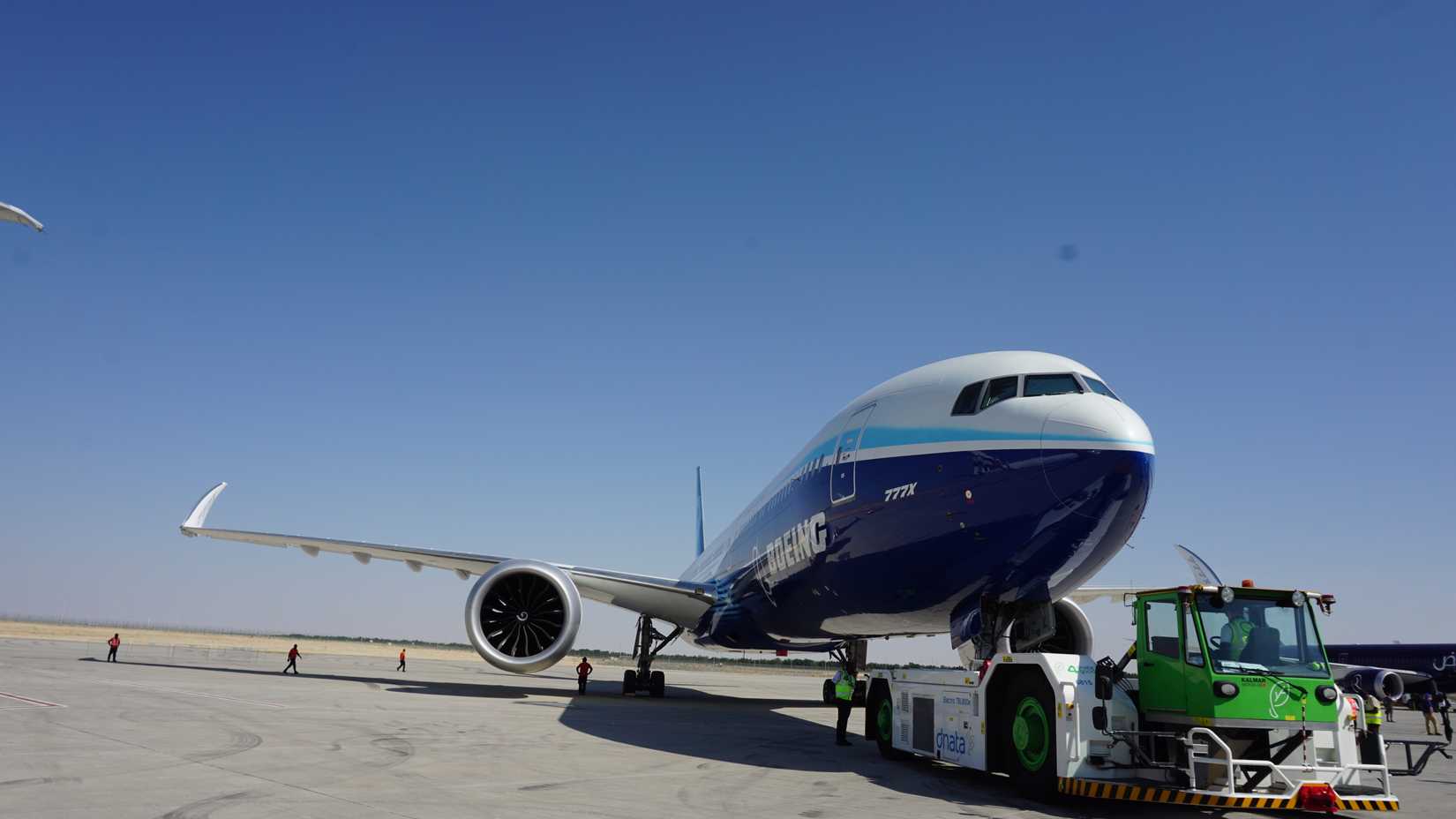
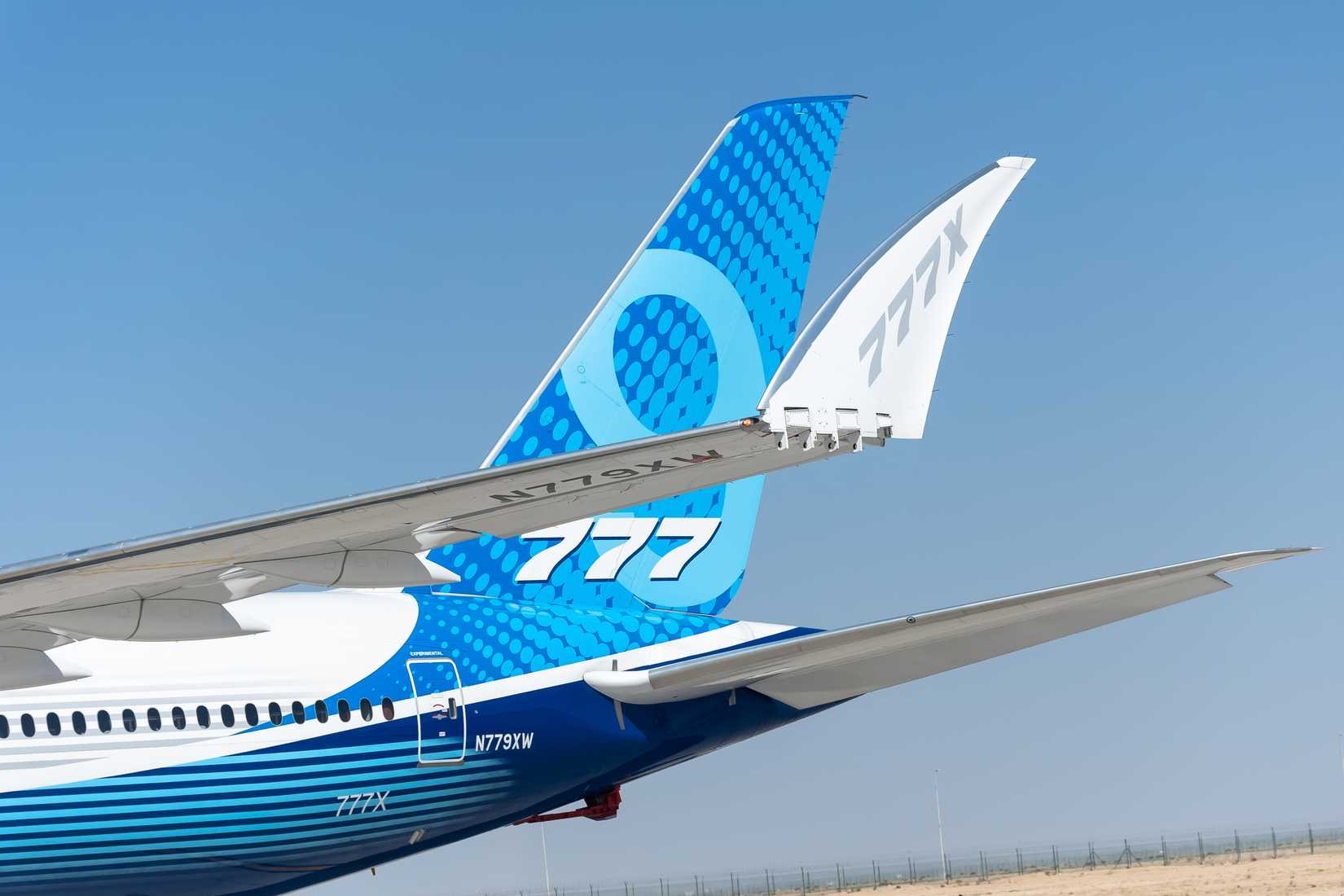
The 777-8F was launched with an order from Qatar Airways for 34 aircraft and 16 options, with deliveries initially expected to begin in 2027, according to Boeing. Per the latest from AIN at the widebody factory in Everett, where wing spar manufacturing is taking place, the first deliveries are expected in 2028, when the aircraft will join its freight rival on the freight market. With these two heavyweights clashing, the next few years will be interesting, helping to further track the trajectory of these manufacturers in the commercial freight sector.
source