



Lisbon Airport (LIS), the principal facility serving the Portuguese capital, has slowly become one of the most important gateways between North America and Europe. Geography does a lot of heavy lifting, with the facility sitting on the western edge of the European continent. This allows Portugal to offer some of the shortest US-Europe flying times. These shave hours off itineraries that would otherwise require routing through more inconveniently located hubs like London, Paris, or Frankfurt. Once we add in the Portuguese tourism boom, relatively affordable prices, and year-round mild weather, the airport has quickly become a key player in the transatlantic market, which has only continued to expand in capacity.
During the first half of 2025, airlines were set to operate 90% more flights between the United States and Portugal than they did in 2019, significantly outpacing growth in many other European markets. At the center of all this surging growth is TAP Air Portugal, the nation’s flag carrier and the principal operator at Lisbon Airport. TAP has added new routes like Lisbon to Los Angeles, and Porto to Boston, with many of these once-seasonal routes now extended to year-round operations thanks to strong continued demand from both leisure travelers and those visiting friends and relatives (VFR). TAP’s leadership team has been quick to highlight the role it believes that it plays in supporting connecting travel through Lisbon, with the airline’s Portugal Stopover program further cementing the airport’s role as a major bridge between continents.
A Brief Overview Of Lisbon Airport

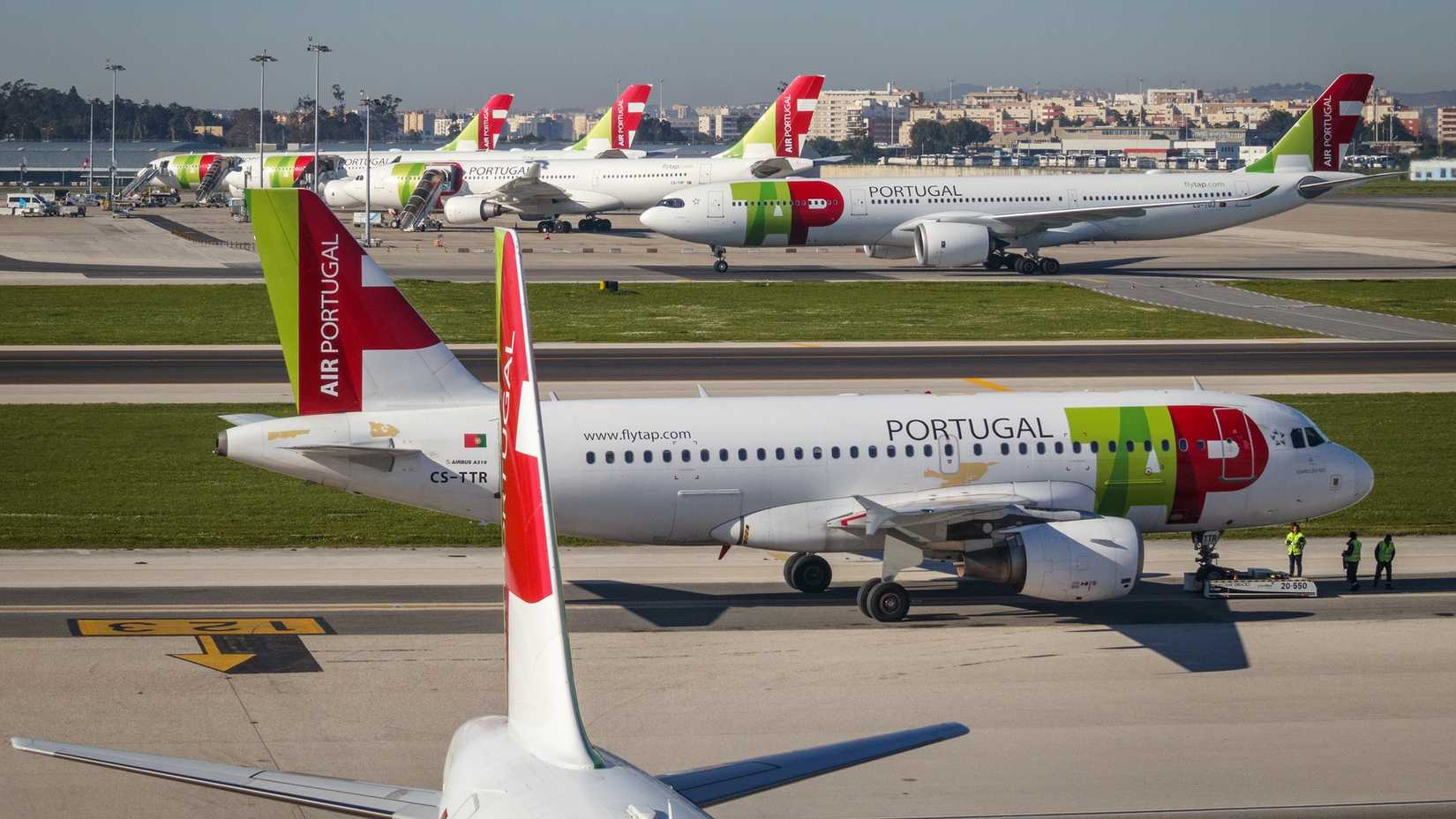
Lisbon’s Humberto Delgado Airport sits just 4.3 miles (7 km) from the city center, making it one of Europe’s closest major airports to a city’s downtown (with Nice Airport (NCE) being another good example). This proximity is ultimately critical for US travelers on tight schedules, as they can be in a hotel or business meeting within just 20 to 30 minutes of landing or back at the airport quickly for onward connections. The airport is connected by the red line of the Lisbon Metro, numerous city buses, and short taxi or rideshare journeys, making transfers relatively straightforward, even for short layovers.
Operationally, Lisbon Airport is a paradox. The airport is both constrained and yet highly efficient. It is Europe’s 12th-busiest airport by passengers, handling more than 35 million travelers in 2024. Nonetheless, it also operates as a single-runway hub, making it one of the busiest single-runway airports anywhere in the world. This constraint forces a tightly choreographed wave structure of aircraft arrivals and departures, which in turn creates competitive minimum connection times and dense banks of inbound and outbound flights. The airport has two terminals, with Terminal 1 being the main building that handles all global arrivals and most scheduled flights, including TAP’s long-haul network and other full-service airlines. Here are some statistics for Lisbon Airport, according to data released from the airport management agency ANA:
|
Category: |
LIS Specification: |
|---|---|
|
Annual passenger traffic: |
35.1 million |
|
Annual aircraft movements: |
225,268 |
Terminal 2 is smaller and dedicated mostly to low-cost carriers like Ryanair, easyJet, and others, linked to Terminal 1 through a frequent shuttle. TAP holds roughly 46% of seat capacity at Lisbon Airport, while Ryanair and easyJet together account for more than 20% of traffic. This creates a unique blend of full-service and low-cost connectivity, offering plenty of options for passengers looking to travel to destinations across North America and Europe. Lisbon is also a major European gateway to Lusophone Africa and Brazil, meaning travelers can also connect to niche long-haul markets that otherwise might require circuitous routings through other hubs.
TAP Air Portugal: The Airline Behind Lisbon’s Growth

TAP Air Portugal is at the center of Lisbon’s rise to prominence as a transatlantic hub. The airline is the nation’s flag carrier and the dominant tenant at Lisbon Airport. It is responsible for more than half of the nation’s long-haul capacity, and it serves more than 88 destinations from Lisbon alone. The airline’s network is laser-focused on North America, Brazil, and Lusophone Africa, with European routes providing short-haul capacity.
From a financial perspective, the Americas have been behind a large amount of TAP’s growth. In 2024, the airline carried more than 16 million passengers, with North American routes seeing 9% year-on-year growth. TAP has responded by adding new US gateways, including Los Angeles, while launching flights from Porto to Boston. The airline aims to tap into regional diaspora demand and diversify its route network beyond just Lisbon. In a statement to Simple Flying during the World Travel Market, TAP Air Portugal Director of Sales, Frederic Gossot, had the following words to share regarding the airline’s principal hub:
“Due to the geographical position of Portugal, which is really on the western part of Europe, there is really the entrance door to Europe. So, we have a lot of travelers who like to come to Portugal. It’s a shorter flying time. And then discovering all the parts of Europe.”
From the perspective of the airline’s fleet, TAP offers a mix of Airbus A321LR jets and Airbus A330neos, which allows the airline to tailor capacity to thinner, longer routes like those from the East Coast to secondary cities and West Coast major hubs. The airline can do this all while keeping unit costs competitive. US travelers like TAP because they can efficiently cross the Atlantic and then connect onwards on a single ticket.
What Exactly Is The TAP Air Portugal Stopover Program?

One of the key catalysts for the growth of Lisbon Airport is TAP’s Portugal Stopover program. This is a powerful tool for funneling US traffic through Lisbon. This scheme allows passengers to add a free stopover in Lisbon or Porto for up to 10 days on eligible itineraries, typically on journeys between Europe or Africa and the Americas. Travelers can choose to stop on the outbound or return leg, effectively turning one trip into two destinations without paying a higher airfare.
For passengers, it is not just about the free stop itself. TAP offers access to discounted hotels and hundreds of cultural attractions, like priority access to wine tastings. Recent refinements include a 2% discount on an additional domestic flight within Portugal during the stopover, encouraging visitors to combine Lisbon with the Algarve, Madeira, or Azores.
This program has clearly resonated with customers. In the first half of 2025, more than 193,000 passengers used the stopover option, a 74% increase year-on-year. Strong upticks in program utilization were marked in Brazil and the United States. A growing share of TAP global tickets now includes a break in Lisbon or Porto, boosting hotel stays and restaurant spending in the city.
What Are Some Characteristics Of A Good Connecting Hub?

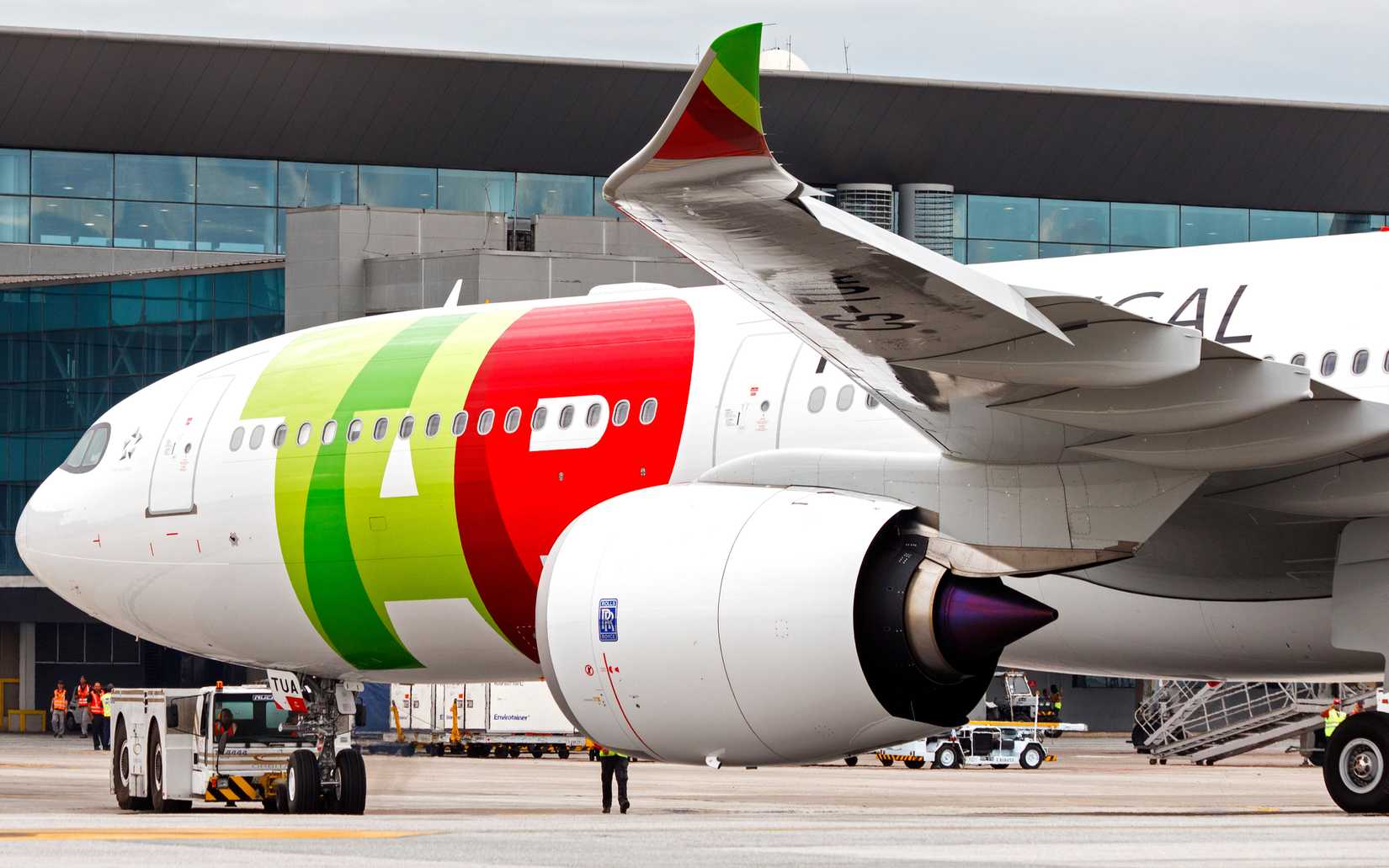
A good connecting hub almost always starts with geography. Ideally, a good connecting hub will sit on a great-circle path between major origin and destination regions and, as a result, offer minimal backtracking and total journey time. Lisbon is almost perfectly placed between much of the United States East Coast, parts of the central and southern United States, Western Europe, Brazil, and West Africa. These are all factors that help keep itineraries competitive across the board with more northern hubs.
The second ingredient here is a dense, well-timed bank of flights, with long-haul arrivals from North America and Brazil feeding tightly scheduled departure waves into Europe and Africa, typically allowing for relatively easy connections of between 60 and 90 minutes. The presence of a superconnector is also necessary, and TAP Air Portugal’s position at the airport allows it to offer through-ticketing, lounge access, and enhanced connectivity with partners such as United Airlines, Air Canada, and Lufthansa, ultimately extending the reach of the city’s network.
We also cannot forget the impact the airport’s design has on overall connectivity. Lisbon’s compact terminal, short walking distances, and straightforward metro and road links limit overall transfer frictions. Lastly, the airline and alliance strategy also matters for the airport itself, as it is ultimately the airlines, not the airport itself, which launches new routes and expands connectivity.
What Is Lisbon Airport’s Future Growth Plan?


For Lisbon to sustain its role as a major transatlantic hub, capacity must eventually match up with demand. Humberto Delgado Airport already handles more than 35 million passengers per year, and the airport itself faces strict nighttime operational curfews due to its inner-city location. The airport is also limited by its single runway.
In the short term, ANA, the airport management authority, is investing in expanding its own facilities. They are going to expand Terminal 1 with extra boarding bridges, new aircraft stands, and reconfigured circulation areas that ease bottlenecks. The long-term solution is a brand-new airport across the Tagus River in Alcochete, which was chosen back in 2024 as the site of the city’s next major airport.
Set to open in 2034, the new facility will offer two parallel runways with the potential capacity to manage up to 100 million passengers annually, and it is designed to become Lisbon’s main gateway. For TAP, this new plan will allow for the continued expansion and development of its networks in both North America and Brazil.
What Are Our Key Takeaways From All This Information?
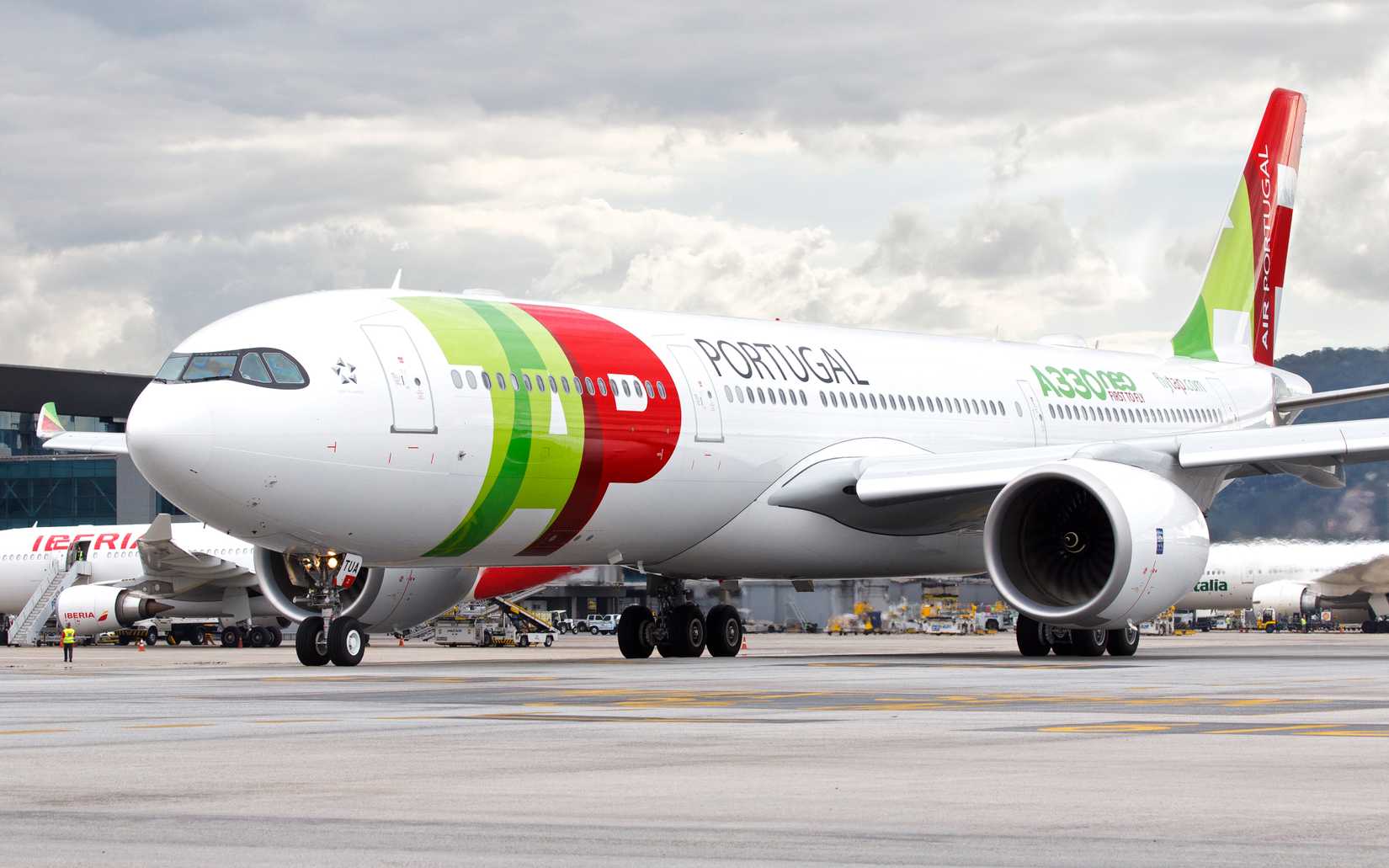
We take a few things away from a thorough analysis of Lisbon Airport’s role as a major global connecting hub. For starters, the airport benefits tremendously from its geographic location at the confluence of continents.
Large legacy carriers (with TAP as the obvious market leader) enjoy serving the airport and connecting it to destinations onwards. For Star Alliance carriers, which partner with TAP, the options for increased connectivity become nearly endless. This makes the city exceptionally valuable as a connecting hub.
It is difficult to tell the story of Lisbon as a connecting hub without delving into TAP’s free stopover program. Stopping in Lisbon is not only free, but it is also extremely convenient. Travelers today, especially those traveling from the United States to destinations all across Europe, are keen to stop in Portugal and add an extra destination to their European getaway.
source