


Why is the 

In this article, we’ll explore how the B-52J program has evolved from an ambitious modernization effort into a growing challenge. We’ll look at the key issues behind its delays and budget overruns, how experts view the situation, and why the Air Force’s continued reliance on this Cold War relic may prove strategically risky as it faces increasingly sophisticated adversaries.
What Is The Short Answer?


In short, the B-52J program is becoming a nightmare because the Air Force is pouring billions into upgrading a 70-year-old platform plagued by integration delays, spiraling costs, and serious doubts about its ability to survive in modern contested airspace.
The Growing Problem: as reported by 19FortyFive in March 2025, the B-52J modernization effort has “become a programmatic nightmare,” facing multi-year delays and rising costs. The Air Force now projects the fully upgraded bombers won’t be operational until 2033, three years later than originally scheduled. The projected cost, already exceeding $2.56 billion, continues to rise as integration problems mount.
A Capability Question: even if the upgrades eventually succeed, the B-52J’s fundamental limitation remains: it’s a large, non-stealthy bomber in an era dominated by anti-access/area-denial (A2/AD) systems. China’s advanced surface-to-air missiles and Russia’s integrated air defense networks make the idea of sending a B-52 anywhere near a contested area increasingly untenable, as described by the National Security Journal.
The Historical Paradox: Ironically, the B-52 is the longest-serving combat aircraft in history, alongside its Russian rival, the Tupolev Tu-95, which faces remarkably similar problems. Yet, the B-52’s greatest strength (longevity) is now its greatest weakness. The Air Force’s decision to continue upgrading it rather than fully pivoting to the stealthy B-21 Raider has led to a Catch-22 situation with no end in sight: maintaining capability on paper, but at the expense of long-term efficiency and adaptability.
What Factors Influence This Nightmare?

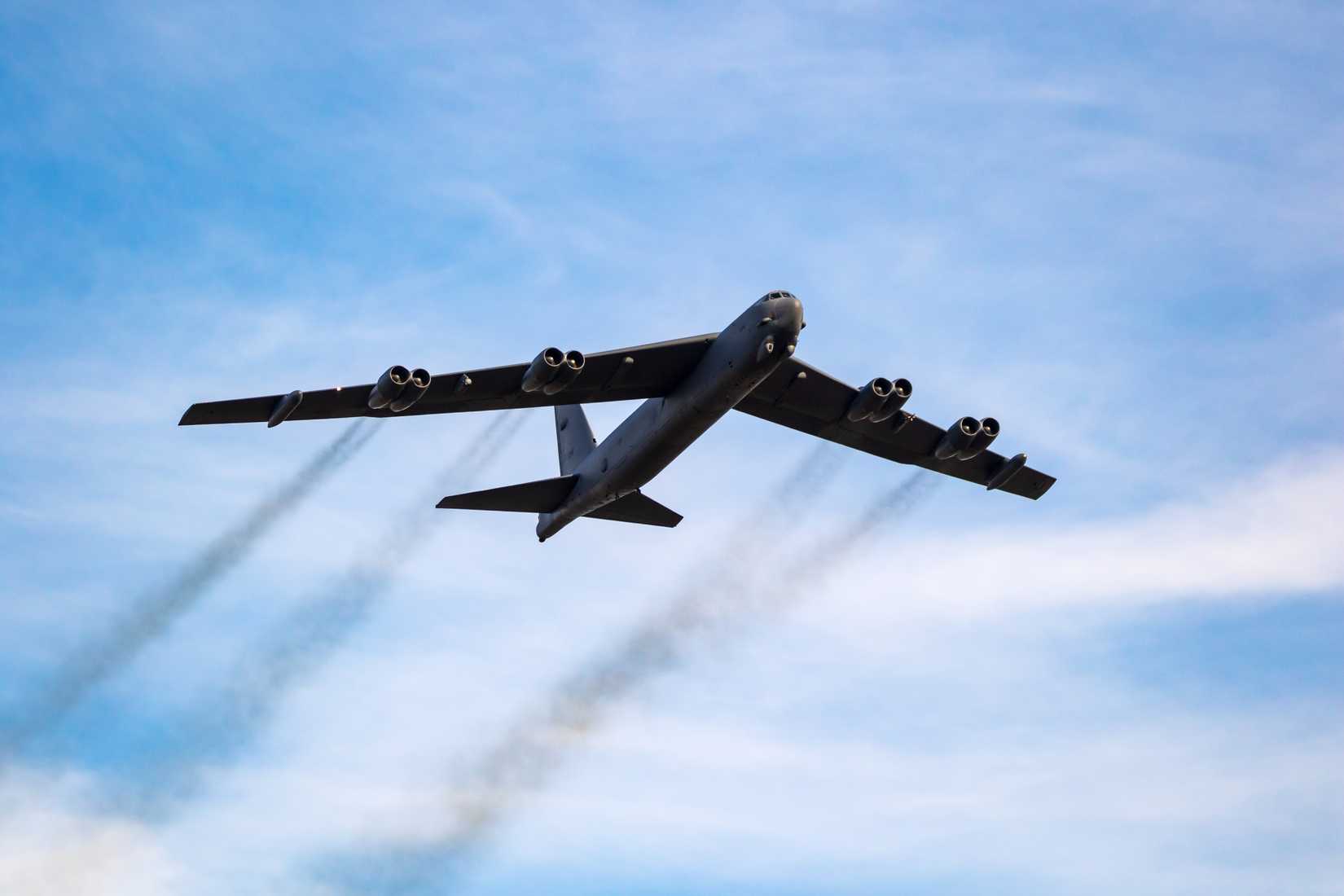
The B-52J upgrade faces problems across five major dimensions: cost, schedule, technology integration, capability relevance, and fleet age.
Let’s break down the factors:
- Cost Overruns: The upgrade’s initial $2.56 billion estimate is already outdated. Engine replacement, radar modernization, and avionics integration have each incurred additional costs.
- Schedule Slippage: Radar modernization slipped from a 63-month to a 73-month development cycle. Engine integration under the Commercial Engine Replacement Program (CERP) is being delayed, with Boeing being asked to slow work to match funding shortfalls, according to the National Security Journal.
- Integration Complexity: Each upgrade, such as a new radar, more efficient Rolls-Royce F-130 engines, and a digital cockpit, must fit into and then function within the old airframe, which was designed in the 1950s. Integration issues have repeatedly pushed milestones backward.
- Capability vs. Threat Mismatch: The B-52’s massive radar cross-section and subsonic speed make it vulnerable in any high-end conflict. AESA radar and advanced avionics can’t make it stealthy.
- Aging Airframes: The majority of operational B-52Hs were built in the early 1960s. By the time they become B-52Js in the 2030s, many will be nearly 80 years old structurally, a figure unprecedented for any frontline combat aircraft.
However, many experts agree that the biggest challenge to a successful upgrade is likely structural. A National Security Journal analysis noted that many of these setbacks stem from “the challenge of retrofitting modern systems into a mid-century airframe.” Engineers must modify wiring, structure, and avionics architecture to integrate 21st-century systems, a process that has proven far more complex than anticipated.
B-52 Variants And The Expert Opinion


To determine whether these updates are crucial, we must first understand the differences between the B-52J and the Classic B-52H. Although both aircraft share the same iconic silhouette, the B-52J represents a significant modernization over the B-52H variant, which entered service in the early 1960s. Let’s take a look at this detailed chart to understand the key differences:
|
Feature |
B-52H Stratofortress |
B-52J (Upgraded Variant) |
|---|---|---|
|
Engines |
8 × Pratt & Whitney TF33-P-3/103 |
8 × Rolls-Royce F130 (derived from BR725) |
|
Radar |
AN/APQ-166 mechanically scanned radar |
AN/APG-79 AESA radar (similar to F/A-18 Super Hornet’s) |
|
Avionics |
1960s analog with incremental updates |
Fully digital “glass cockpit” |
|
Range & Efficiency |
Limited by outdated engines |
30 % better fuel efficiency, greater range |
|
Designation |
“B-52H” (current operational type) |
“B-52J” (designation upon full upgrade) |
These changes will dramatically alter performance and the cockpit experience. For instance, pilots will see digital interfaces and modern situational awareness tools for the first time. Yet, despite these improvements, the B-52J remains non-stealthy and subsonic. These traits limit its use in future near-peer conflicts. The upgrades enhance efficiency and reliability, but they cannot alter the aircraft’s basic design limitations.
However, many experts express some serious concern about implementing these changes. Analysts and watchdogs have been blunt about the B-52J’s mounting issues. According to National Security Journal, “the Air Force is learning the hard way that modernization doesn’t mean transformation.” The bomber will “still be old, slow, and unstealthily – just with new electronics and engines.”
19FortyFive adds that while the upgrade aims to keep the fleet operational into the 2050s, “the modernization’s cost trajectory and delay timelines have already eroded much of the anticipated efficiency.”


But what does the USAF think about this unpleasant situation? Publicly, the Air Force continues to defend the program. Officials claim that once fully operational, the B-52J’s new engines and radar will significantly improve mission readiness, fuel efficiency, and reliability, potentially lowering maintenance costs and extending the fleet’s lifespan by another 30 years, according to Rolls-Royce and Boeing’s press release in 2023.
What are the strategic implications? The consensus among analysts is sobering: even if all upgrades succeed, the B-52J will be effective only in permissive or standoff roles, such as launching cruise missiles from outside contested zones. It will not penetrate modern air defenses, such as the B-21 Raider. The nightmare is thus one of strategic misalignment: pouring resources into a bomber that may never fight in the environments for which it’s being upgraded.
B-52 vs Other Options


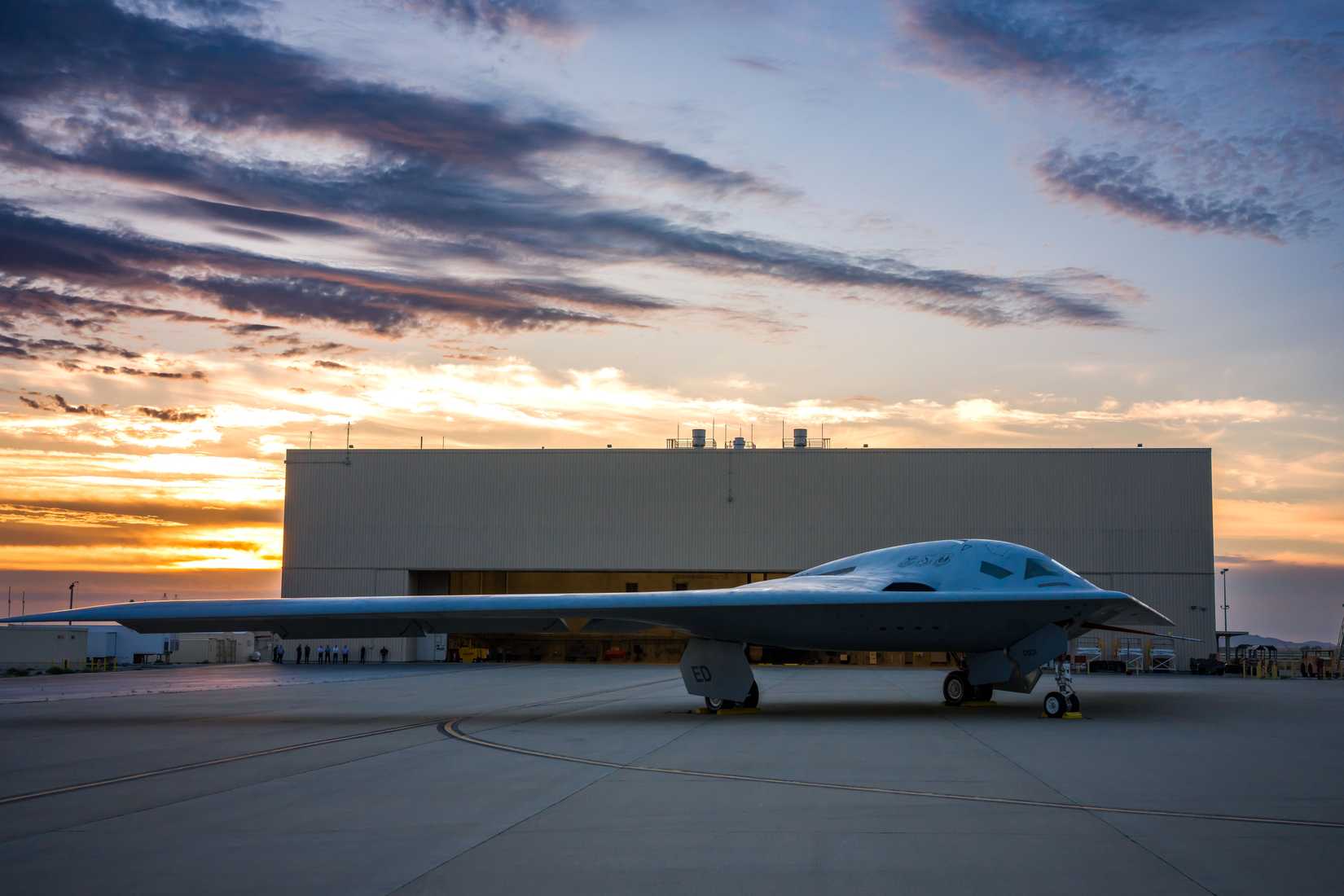
The most natural comparison is with the Northrop Grumman B-21 Raider, the Air Force’s next-generation stealth bomber, which is slated to enter service later this decade. Unlike the lumbering B-52J, the B-21 Raider is designed from the ground up for stealth, digital integration, and flexible mission profiles, including nuclear and conventional strike. Its stealth allows it to penetrate advanced air defenses rather than stand off from them.
The Air Force argues that the B-52J and B-21 will complement each other. For example, the B-21 penetrates defenses, while the B-52 launches long-range missiles from afar. However, analysts warn that the problem is delays in B-52J modernization risk leaving both fleets under-strength simultaneously.
Comparison Chart:
|
Metric |
B-52J |
B-21 Raider |
|---|---|---|
|
Role |
Long-range standoff strike |
Stealth penetration bomber |
|
Crew |
4 (personnel reduced from 5) |
2 |
|
Combat Radius |
~8,800 mi (with new engines) |
Classified (~6,000 mi estimated) |
|
Survivability |
Low (non-stealth) |
High (next-gen stealth) |
|
IOC Target |
2033 |
Late 2020s |
Meanwhile, the main US rival – Russia, and its strategic-bomber fleet faces echoes of the same headache as the US with its B-52J program — namely, keeping decades-old airframes serviceable in an era of advanced threats and new digital technologies. The Tu-95 Bears are also particularly relevant. An article on TopWar outlines that Russia’s Long-Range Aviation must maintain and modernize the Tu-95 (alongside the Tupolev Tu 160 and Tupolev Tu 22M3) at least until the 2035–2045 timeframe. It is a clear acknowledgment that replacing or scaling up new production is not imminent. One notable advantage the Tu-95 holds over the B-52 fleet is it’s somewhat younger individual airframes. While the last B-52 was rolled out in 1962, the last Tu-95 built in the type’s production run was completed in 1992; this means many Bears are structurally younger. Russia’s defense ministry is reportedly closely monitoring the US nuclear sphere, according to TASS, which includes the US Air Force’s strategic bomber modernization program. This gives the Tu-95 an extra rationale to remain active, possibly even into the 2050s, despite the same challenges of aging fleet costs, airworthiness, and future relevance.
It may sound ironic that the two aircraft conceived during the height of the Cold War in the 1950s cannot be retired and now face modernization amid the resurgence of New Cold War tensions.
The Advantages Of Modernization

While the “nightmare” label is justified in some ways, it oversimplifies the picture. The B-52J still has unique advantages.
Let’s analyze The Case of the B-52J closer. The aircraft’s payload capacity is up to 70,000 lbs, and its ability to carry advanced standoff weapons like the AGM-86 ALCM or forthcoming hypersonic missiles ensures it remains useful for non-contested missions. The upgrade also allows the Air Force to maintain bomber fleet numbers while the B-21 ramps up.
In permissive environments, such as strikes against insurgent or terrorist targets, or maritime patrol, the B-52J’s endurance, radar range, and payload remain crucial. If paired with long-range standoff missiles, it can stay relevant even without being stealthy.
But there are caveats. The problems might worsen if adversaries continue to advance at a faster pace. By 2033, when the B-52J is ready, China’s A2/AD umbrella may stretch deep into the Pacific, rendering even long-range standoff operations dangerous. What was once an upgrade may then be an expensive anachronism.
Overall Takeaway
In 2025, the Air Force’s B-52J modernization program has shifted from an ambitious upgrade to a bureaucratic quagmire. Mounting costs, slipping schedules, and uncertain relevance make it a symbol of the difficulty in extending Cold War aircraft into 21st-century warfare.
The paradox is evident: while the B-52J will likely serve for decades more, its role will be increasingly limited to standoff or secondary missions. Its modernization may ultimately preserve numbers but not capability parity with modern adversaries.
Looking ahead, the Air Force’s challenge will be balancing the management of this legacy fleet while accelerating the development of the B-21 Raider and future unmanned systems. Unless modernization timelines are tightened, the “bomber gap” that the B-52J was meant to fill may persist into the next decade.
source