



As global air travel rebounds, Airbus has set its sights the a bold goal of ramping up A320 family production to record levels and continuing to cement the aircraft’s legacy. Why is now the time for Airbus to expand its A320 manufacturing footprint across the world, and what does it mean for the industry? With airlines facing tight delivery schedules and surging demand for new, fuel-efficient jets, Airbus’s expansion reveals both the momentum and the pressure shaping the next era of aviation.
From Toulouse to Tianjin and from Hamburg to Mobile, Airbus’s production network is entering a new phase of rapid globalization. What began as a European success story has evolved into a worldwide operation employing tens of thousands of people, all with the know-how and passion to produce the best the industry has to offer. Let’s examine why Airbus is investing so heavily in its A320 program, especially in the US, and how this expansion is redefining the manufacturer’s competition and the future of aircraft manufacturing.
An Aircraft For The World

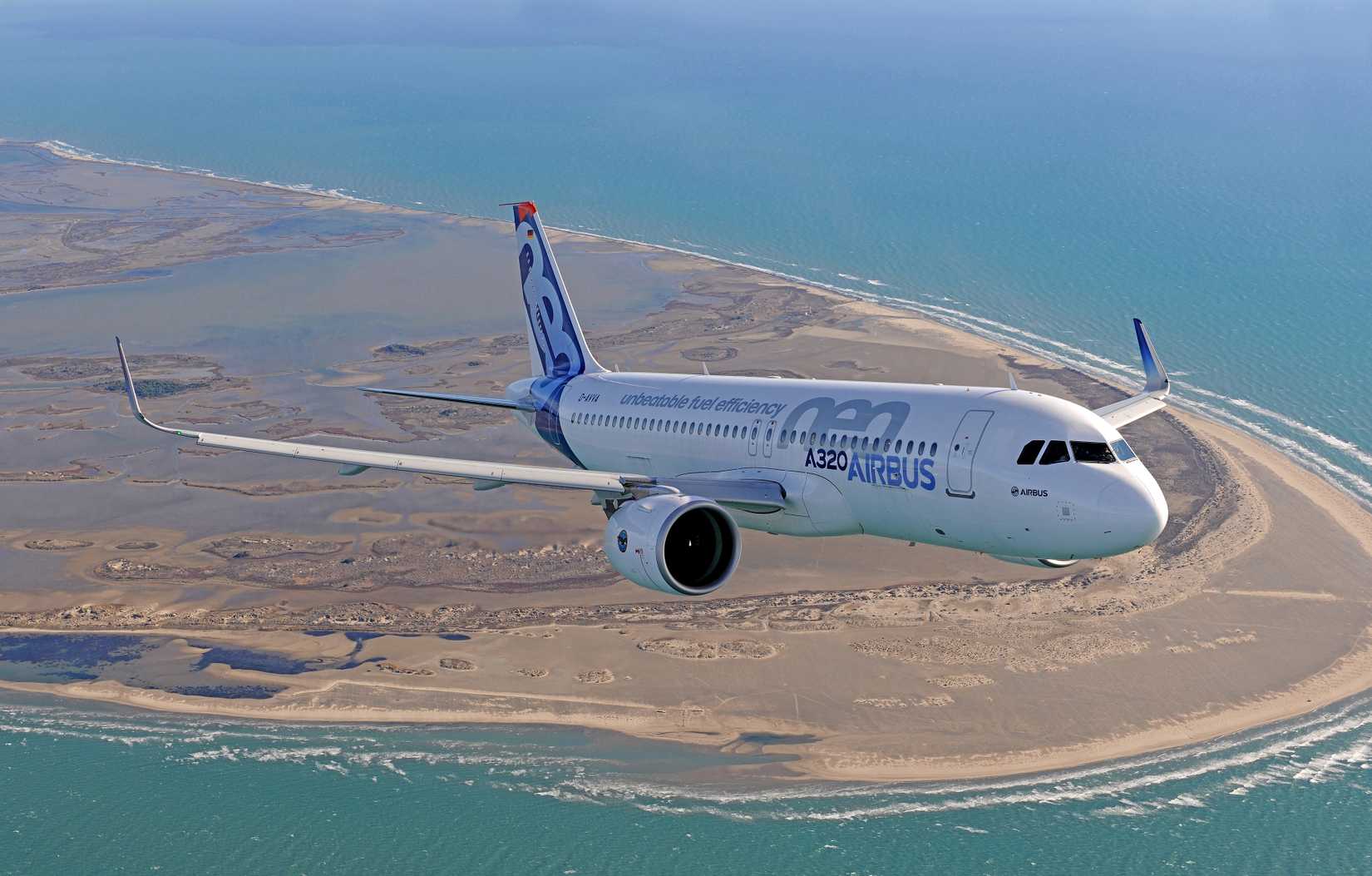
The A320 family has become the world’s most popular single-aisle aircraft, with more than 12,000 delivered and over 7,000 still on order. Airbus’s challenge today isn’t selling airplanes, it’s building them fast enough to keep up with the ever-present demand from airlines all over the world. To close the gap between demand and delivery, Airbus is increasing output to 75 aircraft per month by 2027, supported by a network of final assembly lines spanning four continents.
This move can be considered a preemptive response to a surge in passenger numbers. The cornerstone of this growth lies in Mobile, Alabama, where Airbus is adding a second final assembly line to meet the surge in North American orders, according to Made In Alabama. Opened in 2015 and marking its 10th anniversary this year, the Mobile site has grown from 300 to over 2,000 employees and now produces both A320 and A220 family aircraft, the latter of which is now being operated by a number of North American operators.
Airbus has invested more than $1 billion in the Gulf Coast facility, which will soon rank among the four largest commercial assembly lines in the world, a big feat for the port city. Its US journey began in 2013, when the company broke ground at the Mobile Aeroplex at Brookley. Just three years later, in 2016, the first US-built A321 was delivered to JetBlue, followed by a milestone aircraft for 

A Response To Recent Challenges


Beyond record orders, Airbus’s worldwide production push is about resilience in the face of persistent volatility. The pandemic exposed vulnerabilities in centralized manufacturing, while recent trade tensions highlighted the need for diversified logistics and supplier networks. By localizing production, Airbus not only reduces risk but also strengthens its political and commercial relationships in key markets. There are various factors that have played a part in the strategy’s success.
Firstly, proximity to Airbus’s significant customer base in the US, which represents Airbus’s largest single market. Many North American carriers like Delta, JetBlue, and United have placed massive A321neo orders, and so for Airbus, placing its production as close to these orders as possible is of major importance. Workforce development has also been an important byproduct of this strategy. Global expansion allows Airbus to recruit locally and mitigate labor shortages, for example, in Europe, where this has been notably prevalent.
For Mobile, Airbus’s presence has benefited the local population, bringing over 2,000 jobs to the area, according to the company. It has also helped to encourage supply chain stability. Distributed production means parts and systems can be sourced or assembled closer to regional hubs, meaning that Airbus can mitigate against any incidents that may affect supply chains internationally. Economic partnerships can also be encouraged via this strategy, and countries with local assembly benefit from new jobs, industrial investment, and political goodwill.
In Alabama, this model pays dividends. The Mobile campus sits on a 190-acre site with rail, road, and port access. It is part of an aerospace corridor stretching from Mississippi to Florida, so its sphere of influence covers a gigantic area and provides economic potential for the area it covers. State officials highlight that the project has transformed the economy. Talking with Made In Alabama, State Governor Kay Ivey said that “Airbus’ success in Mobile is a testament to what can happen when a world-class company teams up with a world-class workforce.”
A Game Of Catch-Up


Commenting on this growth, Daryl Taylor, Airbus’s Senior Vice President of US Commercial Aircraft Operations, said that “what began as a vision has evolved into something truly special, creating thousands of jobs, fostering generational careers, and driving substantial economic growth, not just in Mobile, but across the region.” Industry analysts agree with this sentiment.
Indeed, Richard Aboulafia of AeroDynamic Advisory notes that Airbus is now in a position where it is the top aircraft manufacturer, surpassing its Seattle-based rival entirely. Airbus’s US footprint, which now spans over 40 states, supports 275,000 American jobs and involves $15 billion in annual spending with 2,000 suppliers. What is evident is that Airbus is encroaching on 
For US airlines, the expansion promises shorter delivery times and more predictable fleet growth. For Airbus, it cements dominance in the narrowbody segment as Boeing continues to stabilize its 737 MAX production. The outcome is a stronger, more diversified industrial base and a workforce poised for long-term growth. It is clear that expansion, particularly in the US, is a top priority for Airbus going forward
A Difference Of Strategy
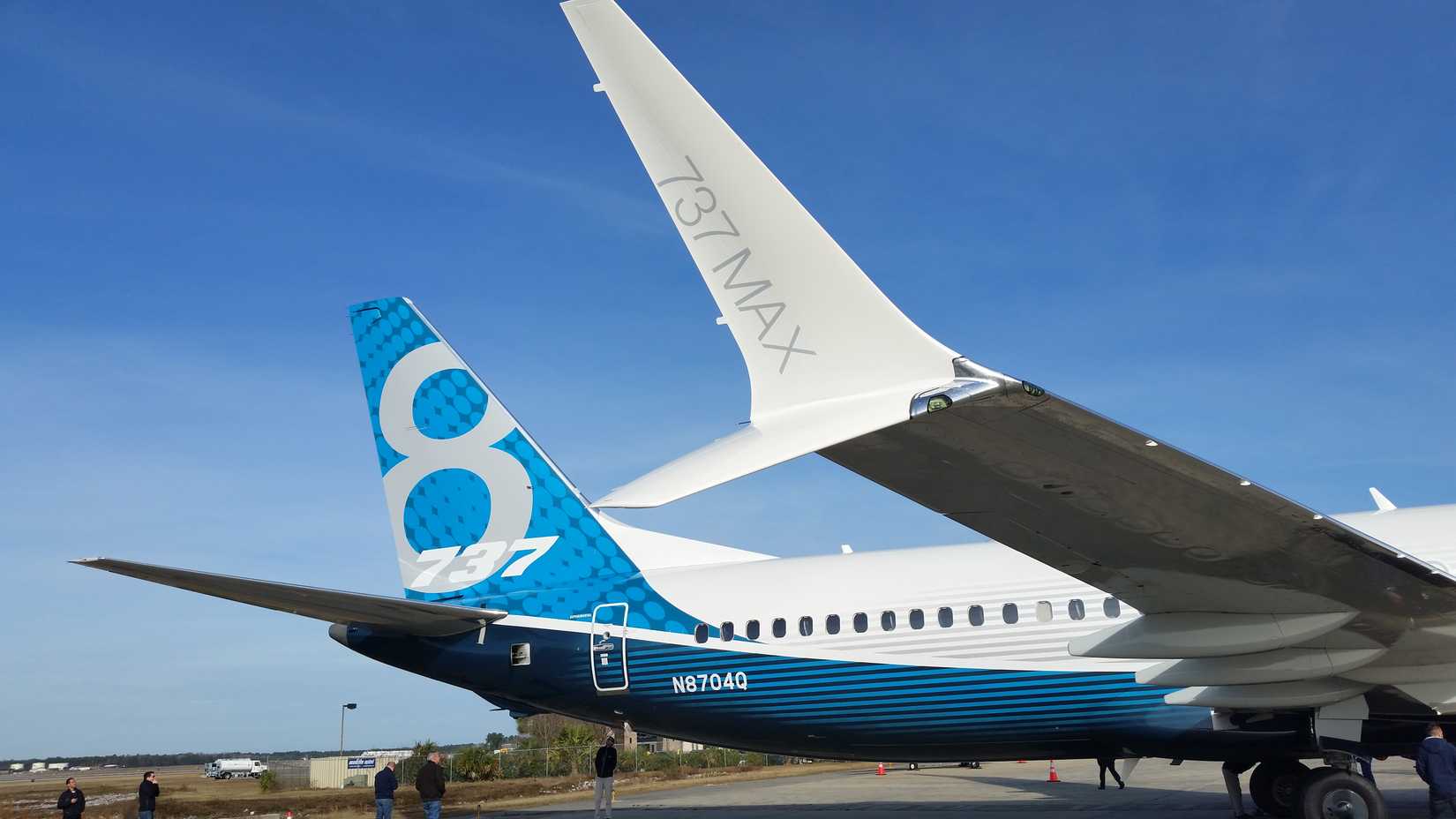
While Boeing continues to concentrate 737 MAX assembly at its Renton facility, as noted by Aerospace America, Airbus’s strategy has been to decentralize by spreading out its operations globally to be closer to customer bases. By operating final assembly lines in Europe, Asia, and North America, Airbus can adapt to regional fluctuations and market access challenges more easily. However, this approach comes with logistical complexity, as multiple facilities require synchronized quality control and steady supplier flow.
This is not simple to achieve or put into practice. However, Airbus has already proven that a globally coordinated model can maintain consistency. Airbus has been able to effectively manage its total production operations globally across multiple sites, meaning that Airbus is fully equipped to battle this challenge head-on. The payoff is a stronger hedge against local disruptions, from labor strikes to geopolitical instability, two factors that are becoming ever more involved in the aviation industry, especially in the US.
The result is a clear competitive edge. Airbus’s global presence gives it agility and stability. It allows Airbus to have some political leverage as well as visibility in markets critical to its future, including the US, China, and India. In an era of increasing protectionism, that diversity is not just strategic. Rather, it’s essential to the progression of the manufacturer.
Setbacks To Be Expected

Even as Airbus celebrates its 10th year in Mobile, executives admit that ramping up output is a delicate balancing act. Global supply chains remain stretched, as reported by Roland Berger, particularly in the delivery of engines, avionics, and specialized components, and this strain is only expected to continue as far as the foreseeable future is concerned.
Pratt & Whitney engine shortages, for example, have left Airbus with several ‘glider’ aircraft awaiting powerplants. In addition, expanding into multiple jurisdictions introduces regulatory and workforce complexities that can slow production.
Airbus has pledged to reach 75 A320-family aircraft per month by 2027, an ambitious target that depends heavily on supplier readiness and skilled labor availability, something that is very difficult for Airbus to have control over. Analysts caution that while the goal is achievable, the execution must be flawless to avoid bottlenecks.
An Ever-Growing Force

Airbus isn’t just expanding capacity. Instead, it’s redefining how commercial jets are built. By spreading production across continents, the company is securing its lead in a fiercely competitive market while strengthening ties with governments and customers alike. The future is looking very bright for the Toulouse-based manufacturer, a future where the company is truly a global aircraft producer.
For travelers, this means newer, more efficient aircraft entering service sooner. For communities like Mobile, it means sustained economic growth, generational jobs, and the continued rise of the US Gulf Coast as a global aerospace hub.
Looking ahead, Airbus’s distributed model may become the blueprint for modern aerospace. As the company eyes further growth in India and Asia-Pacific, its worldwide footprint reflects a single unifying theme. Namely, the next generation of aviation will be built not in one place, but everywhere.
source