


Why did Rolls-Royce develop the Trent XWB engine? Rolls-Royce developed the engine because it was selected by Airbus as the exclusive Original Engine Manufacturer (OEM) for the A350 family. This was a decision that had major implications for the commercial widebody engine market and helped drive Pratt & Whitney out of the widebody engine market. It helped seal GE Aerospace as “the” widebody OEM for Boeing and Rolls-Royce as the only widebody OEM for Airbus.
Rolls-Royce was able to establish itself as the exclusive OEM supplier for the XWB, a very advantageous position. Today, RR has over 2,600 Trent XWB engines in service or on order worldwide, serving over 60 customers. Here is what to know about why Rolls-Royce built the Trent XWB, while GE declined to build a “GE-XWB.”
Rolls-Royce Moved Early With XWB Program

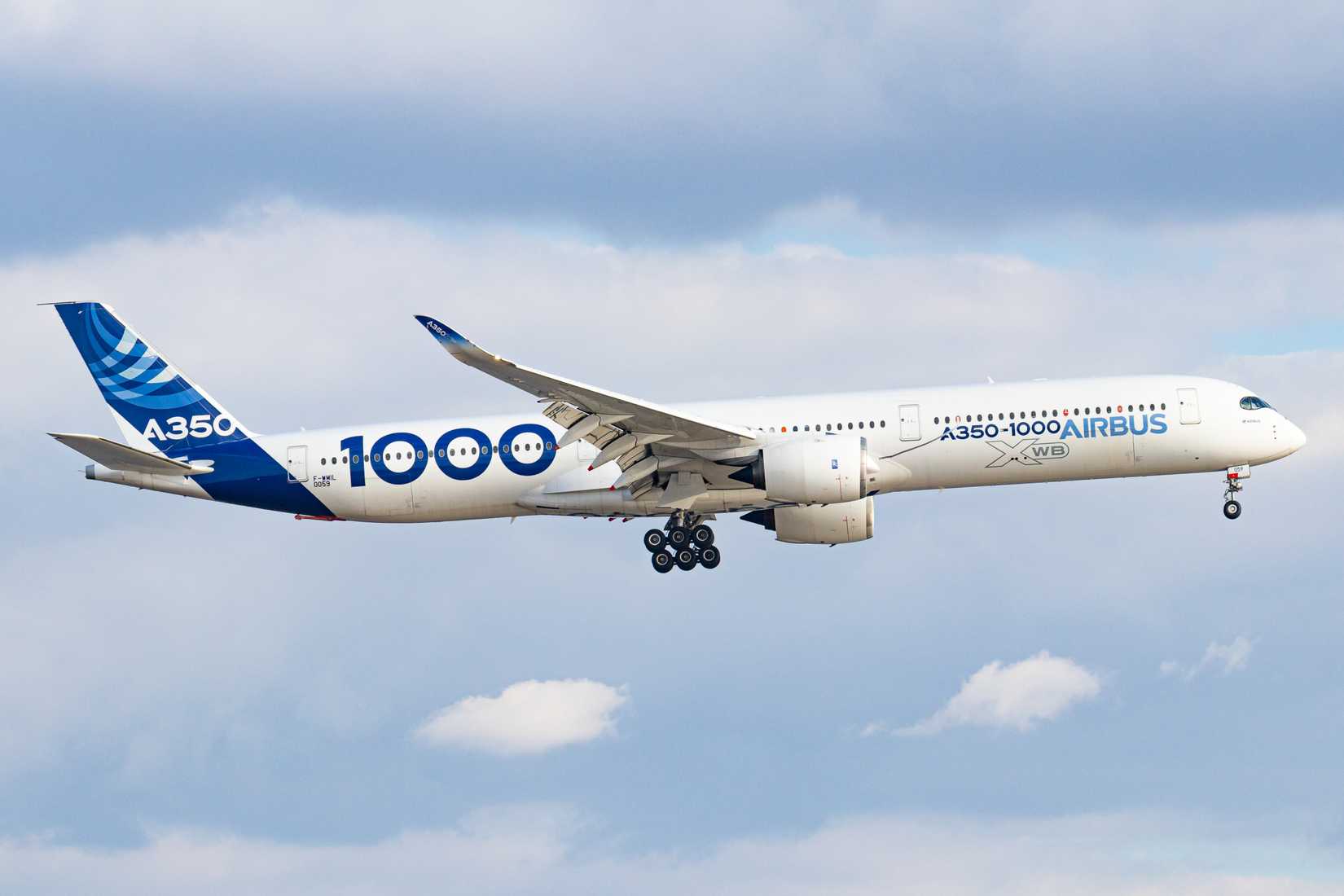
These days, Pratt & Whitney has been sidelined from the widebody engine market. Rolls-Royce is the sole supplier of widebody engines for the in-production Airbus widebodied aircraft, and GE Aerospace is expected to be the sole supplier of widebody engines for Boeing’s commercial airliners as the Trent 1000 is expected to go out of production by around 2030. But it didn’t have to be this way. As Airbus developed the XWB, it wanted an engine that would be a step-change in efficiency and thrust optimized for that airframe and considered having two engine types.
By moving early, Rolls-Royce better positioned itself as the obvious choice for Airbus’ next-generation widebody airliner. It was aided by P&W, not having a mature solution, and GE Aerospace was not willing or able to develop a “next-generation” variant. GE Aerospace was already in a good position with Boeing and didn’t want to undermine that. GE was already the exclusive supplier for the Boeing 777, as well as being one of two suppliers for the upcoming 787.
Rolls-Royce reached a very early preliminary deal by offering a tailored variant of its Trent family. Airbus did ask General Electric (now GE Aerospace) to develop a GEnx derivative for the XWB. However, Airbus also decided the GEnx family was not suitable for the XWB, believing it was optimized for the Boeing 787.
GE Was Half-Hearted & P&W Lacked A Suitable Option

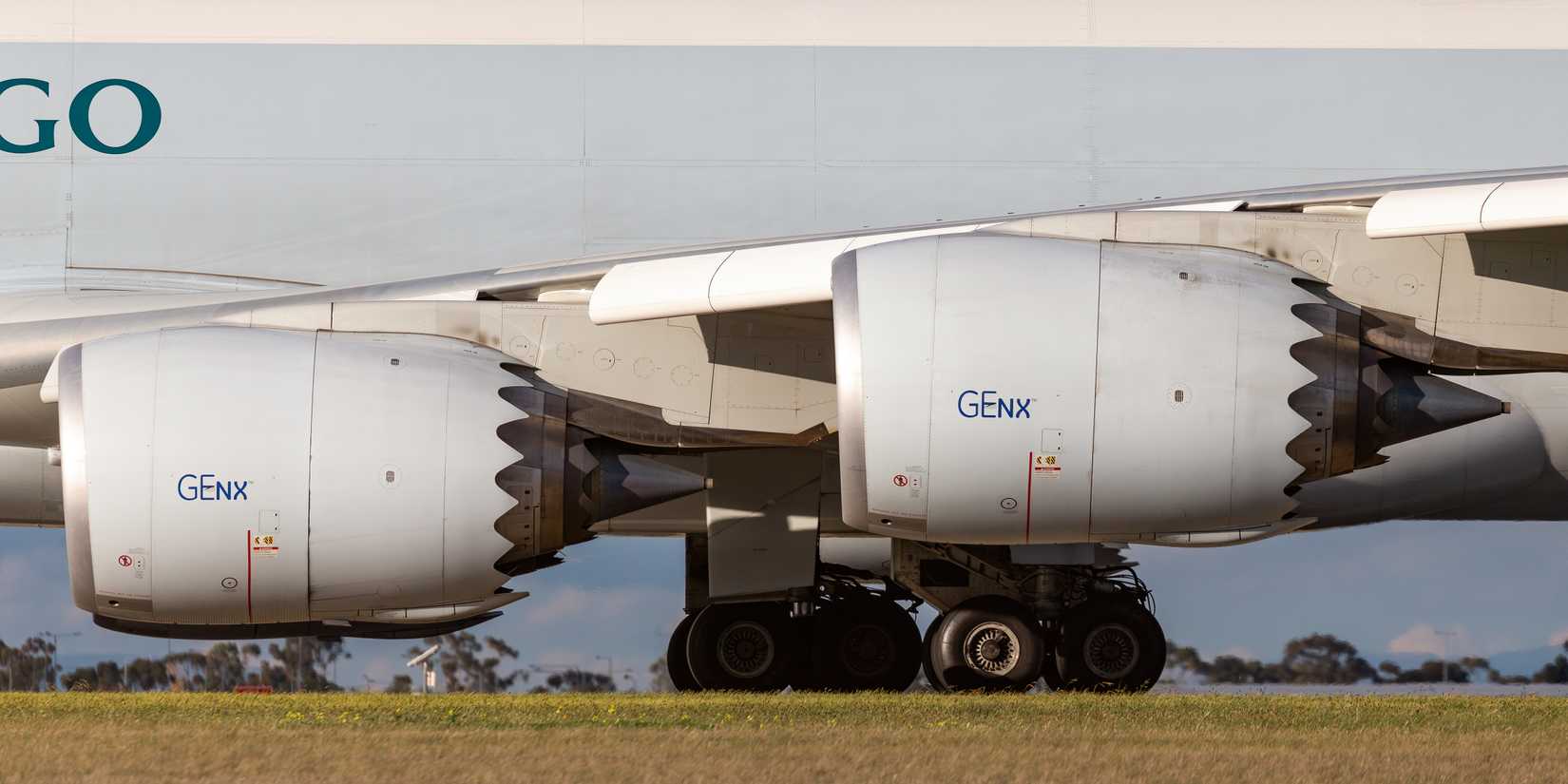
Airbus chief executive Louis Gallois did ask GE to develop a GEnx variant for the XWB. It was thought at the time that the GEnx would have been suitable for the planned A350-800 and A350-900 variants, but not the stretched A350-1000 variant. The A350-800 was later canceled in favor of upgrading the A330 to the A330neo.
GE declined to invest the time and resources needed to develop the new high-thrust and higher-efficiency variant that Airbus developed. GE was adamant in not developing an engine for the larger A350-1000, as that aircraft competes with the Boeing 777. GE feared that developing an engine for the A350-1000 would have eaten into its long-term sales of the Boeing 777-200LR/-300ER. These are exclusively powered by its GE90-115B, and the successor 777X variants are to be exclusively powered by its GE9X.
|
Rolls-Royce Trent XWB engines (per Rolls-Royce) |
|
|---|---|
|
XWB variants |
Trent XWB-84, Trent XWB-97 |
|
XWB thrust |
84,000 lbf (XWB-84), 97,000 (XWB-97) |
|
Application |
Airbus A350-900/-1000 |
|
Number ordered/produced |
2,600+ |
This meant Airbus didn’t have a practical GE option, leaving P&W as the only other OEM option. Pratt & Whitney offered its GP7000 variant for the XWB. The GP7000 was developed with GE as part of the Engine Alliance joint venture. But there were limits and complications to scaling the engine, and it wouldn’t have been ready for launch. This left RR as the only practical OEM solution for the XWB.


Rolls-Royce Trent XWB Vs. General Electric GE9X? Which Engine Is More Powerful?
The GE9X is more powerful than the Trent XWB, although there is more than thrust that makes a good engine.
Two Next-Gen Variants For Airbus A350 XWB

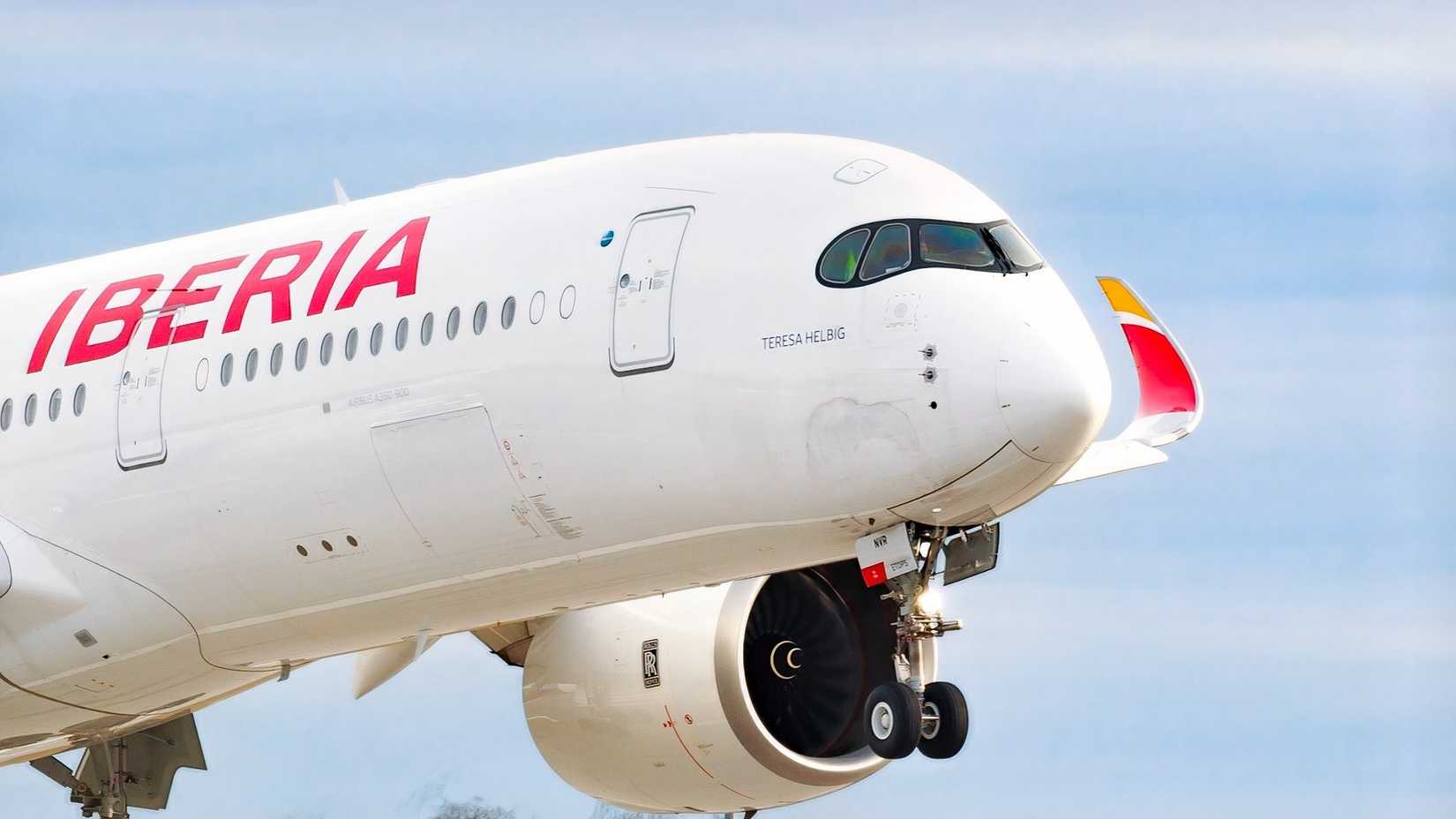
Rolls-Royce developed two Trent XWB engine options for the A350’s two variants. The Trent XWB-84 is the lower-thrust variant optimized for the smaller A350-900, while the Trent XWB-97 is the higher-thrust variant optimized for the A350-1000. Since entering service, the Trent XWB has performed well and is one of the most reliable engines on the market. It boasts a dispatch rate of over 99%. It has escaped the engine issues that have plagued its Trent 1000 counterpart that powers the Boeing 787.
Rolls-Royce claims, “With a 99.9% dispatch reliability, and having twice the customer base of the competition, the [XWB-97] engine continues to define the future of long-range performance and sustainability on the A350-1000.” As Pratt & Whitney is out of the widebody engine picture, when Rolls-Royce and GE Aerospace boast that their respective engines outperform “the competition,” that is code for each other.
It should be noted that both Rolls-Royce and GE Aerospace claim their engines outperform the other. The truth is exceedingly complicated, with many specific variables coming into play. For example, airlines choosing to task widebody aircraft for thick short-haul routes may yield a different answer to tasking them for ultra-long-haul routes. Rolls-Royce claims the Trent XWB offers a 25% better fuel burn compared with previous-generation engines.
Increased RR Competitiveness For A330neo

By developing the Trent XWB as the exclusive engine for the A350, RR strengthened its position to win the contract to exclusively supply the A330neo. This was helped by RR’s engines already supplying 60% of the engines for the A330ceo. By supplying the A350, RR strengthened its bargaining power, its long-term partnership, and integration with Airbus.
Other contributing factors included that Pratt & Whitney did not have a suitable engine option for the A330neo and was not able to supply a GTF variant in the required timeframe. Meanwhile, GE publicly stated it was not interested in developing an engine variant for the A330neo until it was granted exclusivity. One reason for this was that it was known that A330neo sales would be comparatively muted compared to clean-sheet aircraft sales. GE was also more interested in supporting the Dreamliner rather than investing in a competitor’s airliner.
The Trent 7000 is mostly an adapted variant of the Trent 1000 engine Rolls-Royce developed for the Boeing 787 Dreamliner. Rolls-Royce’s willingness to adapt the engine positioned it as the only OEM with a close “drop-in” solution. The Trent 7000 also benefited from technology used on the Trent XWB. Put another way, by winning the XWB contract, RR was better positioned to win the A330neo competition, while GE was more interested in its Boeing aircraft.
These Airlines Changed Their Boeing 787 Engines From Rolls-Royce To GE: Here’s Why
While around 34% of the Dreamliners flying today have RR engines, only around 8% of the known engine option orders are for RR engines.
Airbus Extended A350 RR Exclusivity To 2030

As little surprise, Airbus extended Rolls-Royce’s exclusivity to power the A350 to 2030 in 2020. This was a formal exclusive agreement for the larger A350-1000 aircraft. Rolls-Royce also retained what is regarded as a de facto status of exclusivity for the more popular A350-900. It is unclear how long Airbus will continue to grant Rolls-Royce exclusivity, although alternative engines for the A350 would cost billions to develop and take many years. It is now the end of 2025, with no indication that GE Aerospace or Pratt & Whitney are developing engines.
In a 2020 full-year results hearing, Rolls-Royce’s CEO Warren East stated, “Now we’re already exclusive on the A350–1000 variant of the aircraft. And we are extending our position – our exclusive position on the A350 900 variant. And that accounts for the bulk of the A350 fleet. And that extension is agreed with Airbus out to 2030.” When asked if there was concern about the aircraft becoming dual-sourced after that date, the Rolls-Royce CEO pointed to the next-generation UltraFan engine program.
Warren East stated that the 2030 date coincides “pretty much with the timing of, you know, likely UltraFan and next-generation aircraft and those sorts of things.” Still, not everything is going well for Rolls-Royce. In particular, the Trent 1000 has been a major headache. Initially, the Trent 1000 attracted a third of the Boeing 787 orders, with GE’s GEnx taking the rest. New 787 orders for the Trent 1000 have fallen off a cliff, and IBA now expects it’s too late for the upcoming Trent 1000 fixes to allow Rolls-Royce to regain lost market share. The engine may soon be out of production.
Trent XWB Enables RR To Develop Next-Gen Engines

By selecting RR as the sole OEM for the XWB, Airbus had taken a significant step in making the widebody engine market a duopoly. Since then, Boeing selected GE Aerospace to continue being the sole engine maker for its 777X, Airbus canceled the A380 (which was optionally powered by Engine Alliance), and RR was selected for the A330neo. This has pushed Pratt & Whitney out of the market. The only new-build widebody aircraft today with P&W engines are military KC-46A tankers based on the Boeing 767.
By developing the Trent XWB, Rolls-Royce was able to solidify its position as the default OEM of Airbus widebody aircraft. As RR enjoys exclusivity, its engine is intrinsically tied to that of the A350. The A350 may not be as popular as the immensely popular Boeing 787 Dreamliner (1,447 orders vs 2,277 orders), but it is still the second-most popular widebody on the market.
The Trent XWB has also allowed Rolls-Royce to pursue the incredibly expensive and risky task of developing next-generation widebody engines. Rolls-Royce is currently developing the experimental UltraFan to ensure its engine options remain competitive for next-generation aircraft. Technologies from UltraFan can also be used to improve its existing engines.
source