



The Airbus A320neo and the Boeing 737 MAX are the two fiercest rivals in the aviation industry, as these two relatively similar aircraft have continued the fight between the A320 and the 737 that started nearly 40 years ago. While Airbus is winning the battle currently (having recently overtaken the older 737 in total delivery numbers), the 737 MAX continues to be a ferocious competitor, particularly with the 737 MAX 8 variant.
Despite being sized similarly and providing similar numbers for airlines, the design of these planes couldn’t be any more different. However, despite this, one of the few areas that the two have in common is their engines. The A320neo family offers a choice between the Pratt & Whitney PW1100G or a variant of the CFM LEAP, while the Boeing 737 MAX exclusively comes with the CFM LEAP. So, why do these two rivals share the same engine?
All About The CFM International LEAP

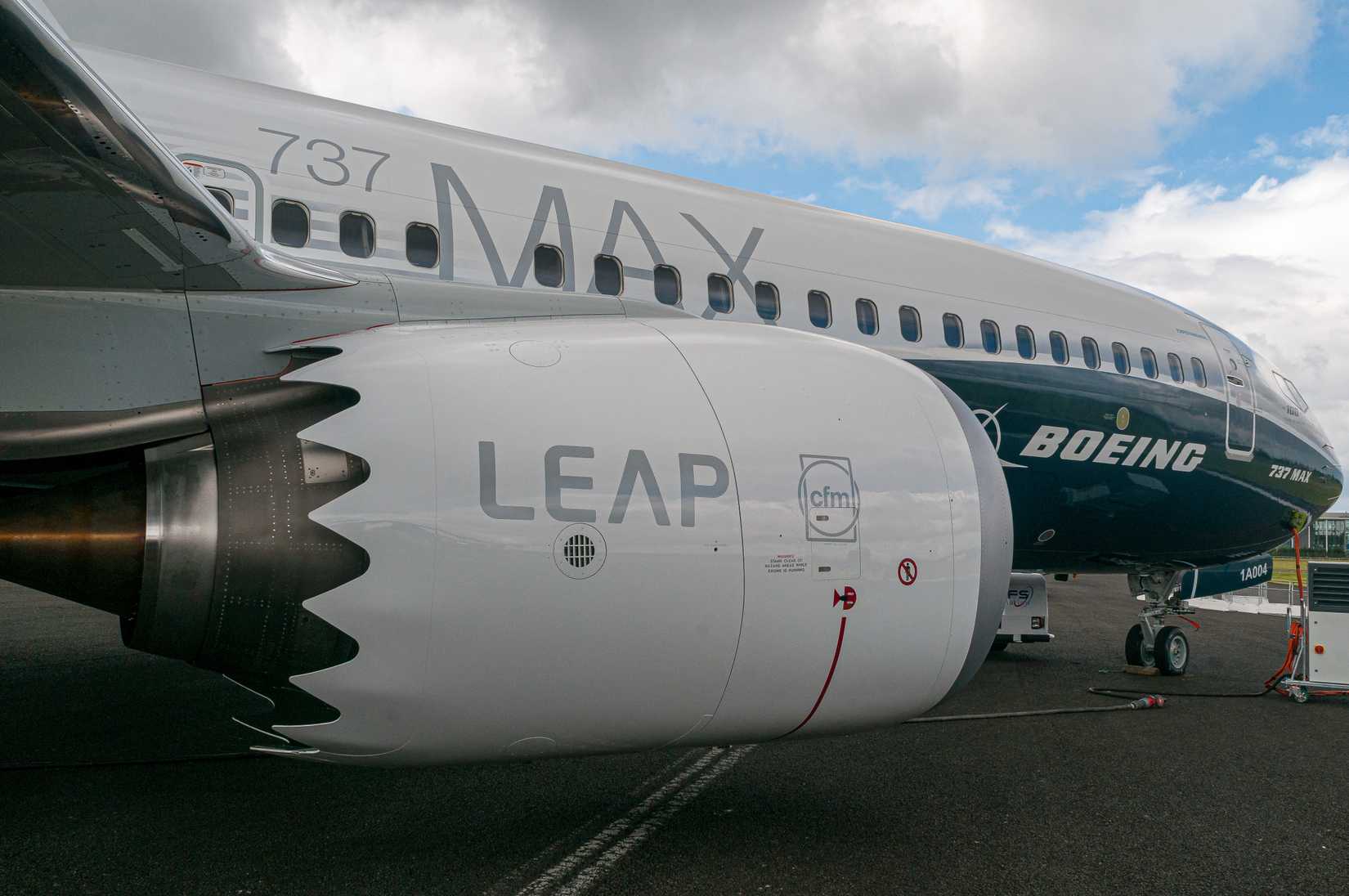
CFM is a 50/50 joint venture between US-based General Electric and France’s Safran. Together, the two firms developed the CFM56, which remains the most successful turbofan jet engine of all time. It was first selected for the McDonnell Douglas DC-8 Super 70 series (a DC-8 re-engine project) as the CFM56-2 in the 1970s. After that, it was later used on the Boeing 737 Classic as the CFM56-3, the A320 and A340-200/300 as the CFM56-5, then on the 737NG as the CFM56-7.
The CFM LEAP is the successor to the CFM56. It derives most of its technologies from the General Electric GEnx (powering the Boeing 787 and 747-8), most notably featuring a scaled-down GEnx low-pressure turbine. The engine features carbon-composite fan blades, along with higher pressure ratios and nearly double the bypass ratio of the CFM56. It also extensively features ceramic matrix composites as well as some of the first 3D-printed components in a commercial aircraft engine.
While the CFM LEAP is most commonly used on the Airbus A320neo and Boeing 737 MAX, its first official aircraft program was actually China’s Comac C919, utilizing the LEAP-1C variant. However, the LEAP-1C variant is reportedly less advanced due to concerns over the technology being stolen, with it being more similar to an upgraded CFM56. The variants on the A320neo and 737 MAX, meanwhile, have been smash hits, with it holding a decisive lead over the PW1100G on the Airbus.
Why Is It On Both The 737 MAX & A320neo?


CFM engines have long been on both the 737 and A320. The original Boeing 737 variants exclusively used the Pratt & Whitney JT8D, but when 

The CFM LEAP is a direct successor to the CFM56, and as such, it’s present on both planes because the predecessors to these aircraft used the CFM56. These engines share little, if any parts commonality, but Airbus and Boeing benefit from known business relations as well as established supply chains. In a similar vein, the PW1100G succeeds the IAE V2500 as Pratt & Whitney was a major partner in the IAE joint venture, and it only bears the PW name because Rolls-Royce exited IAE.
Engine makers don’t care about whether their products end up on Boeing or Airbus jets, as their goal is to make as much money from their programs as possible. This can involve placing their engines on a single program under an exclusivity agreement, but, if this is not in place, and their engine is suitable for multiple aircraft, then they will pursue multiple aircraft programs. The PW1100G, as an example, is a variant of the PW1000G that is used on both the A220 and Embraer E2.
The CFM LEAP On The A320neo & 737 MAX
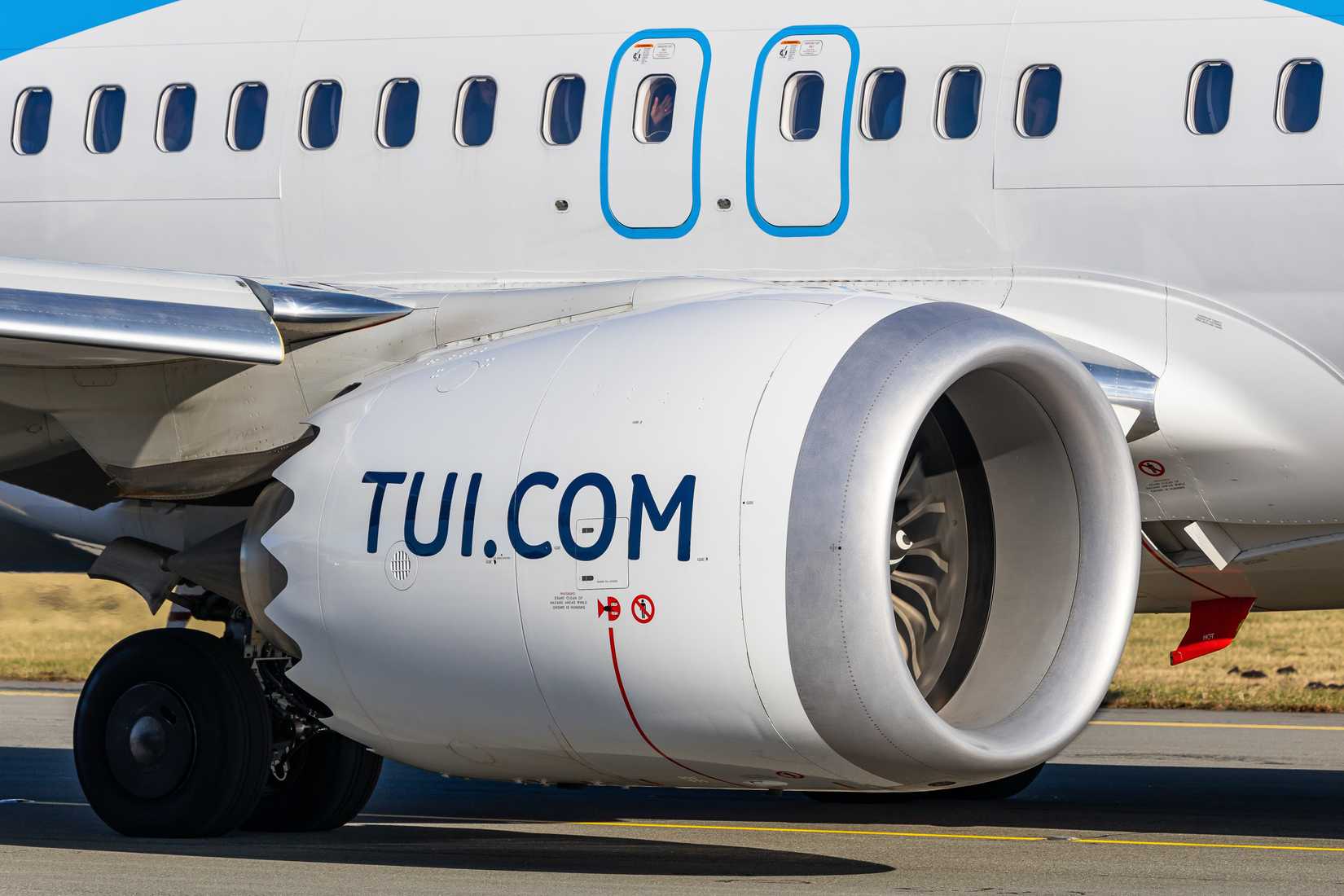
The CFM LEAP-1A entered service on the Airbus A320neo in 2016, and it features a two-stage high-pressure chamber and a seven-stage low-pressure chamber. The overall pressure ratio is 40:1. It’s designed with an 11:1 bypass ratio, one of the highest in commercial aviation, and its fan spans 78 inches (198 centimeters) in diameter, making it comparable to the engines on a Boeing 757.
The CFM LEAP-1B is the variant used by the Boeing 737 MAX. Unlike the A320neo (which offers two engine choices), the CFM LEAP-1B is the only option on the 737 MAX. It retains the same compressor and combuster as the CFM LEAP-1A, along with a similar overall pressure ratio. However, the LEAP-1B’s turbine only has five stages in its low-pressure chamber, and its fan diameter is only 69.4 inches (176 centimeters), resulting in a bypass ratio of 8.6:1.
|
Specifications |
CFM LEAP-1A |
CFM LEAP-1B |
|---|---|---|
|
Applications |
Airbus A319neo, Airbus A320neo, Airbus A321neo |
Boeing 737 MAX 7, Boeing 737 MAX 8, Boeing 737 MAX 9, Boeing 737 MAX 10 |
|
Entry-Into-Service |
2016 (A320neo) |
2017 (737 MAX 8) |
|
Max. Thrust |
35,000 lbf |
28,000 lbf |
|
Pressure Ratio |
40:1 |
41:1 |
|
Bypass Ratio |
11:1 |
8.6:1 |
|
Fan Diameter |
78 inches (198 centimeters) |
69.4 inches (176 centimeters) |
The CFM LEAP has been adapted for both aircraft, resulting in their differences. The LEAP-1B is smaller, on account of the 737’s low ground clearance, and it’s also rated for less thrust. On the whole, adapting the CFM LEAP for the 737 has resulted in a slightly less efficient engine that’s also smaller and lighter, helping to balance out the equation. In reality, both variants are incredibly fuel-efficient compared to their predecessors, and are key factors behind the success of both aircraft.
Engine Choice: A Thing Of The Past?


It’s not unusual for engine manufacturers to offer the same product on multiple aircraft. The General Electric GEnx is on both the Boeing 787 and 747-8, the Rolls-Royce Trent 1000 on the 787 is also sold on the A330neo as the bleedair Trent 7000, the CFM LEAP is sold on three aircraft models, and so is the PW1000G. What is becoming rarer is for an aircraft program to offer multiple engine options, as, today, only the A320neo and Boeing 787 do this.
In the late 20th century, aircraft manufacturers began to offer airlines multiple engine options. The Airbus A300 and A310 came with either General Electric or Pratt & Whitney engines, while the A330 also added a Rolls-Royce option. The Boeing 757 came with two engine models (RB211, PW2000), while the Boeing 747, 767, and 777 were equipped with engines from all three major commercial aircraft engine makers.
However, the second-generation 777 only came with an improved variant of the General Electric GE90, and the 747-8 was only offered with a GEnx variant. Airbus offered the A380 with both a Rolls-Royce option and the Engine Alliance GP7200 (a joint venture between General Electric and Pratt & Whitney), before sticking with Rolls-Royce as the exclusive engine provider for the A350 and A330neo. The 787 has two engine choices, but the 777X will only come with the General Electric GE9X.
Why Is Sole-Sourcing Becoming More Common?
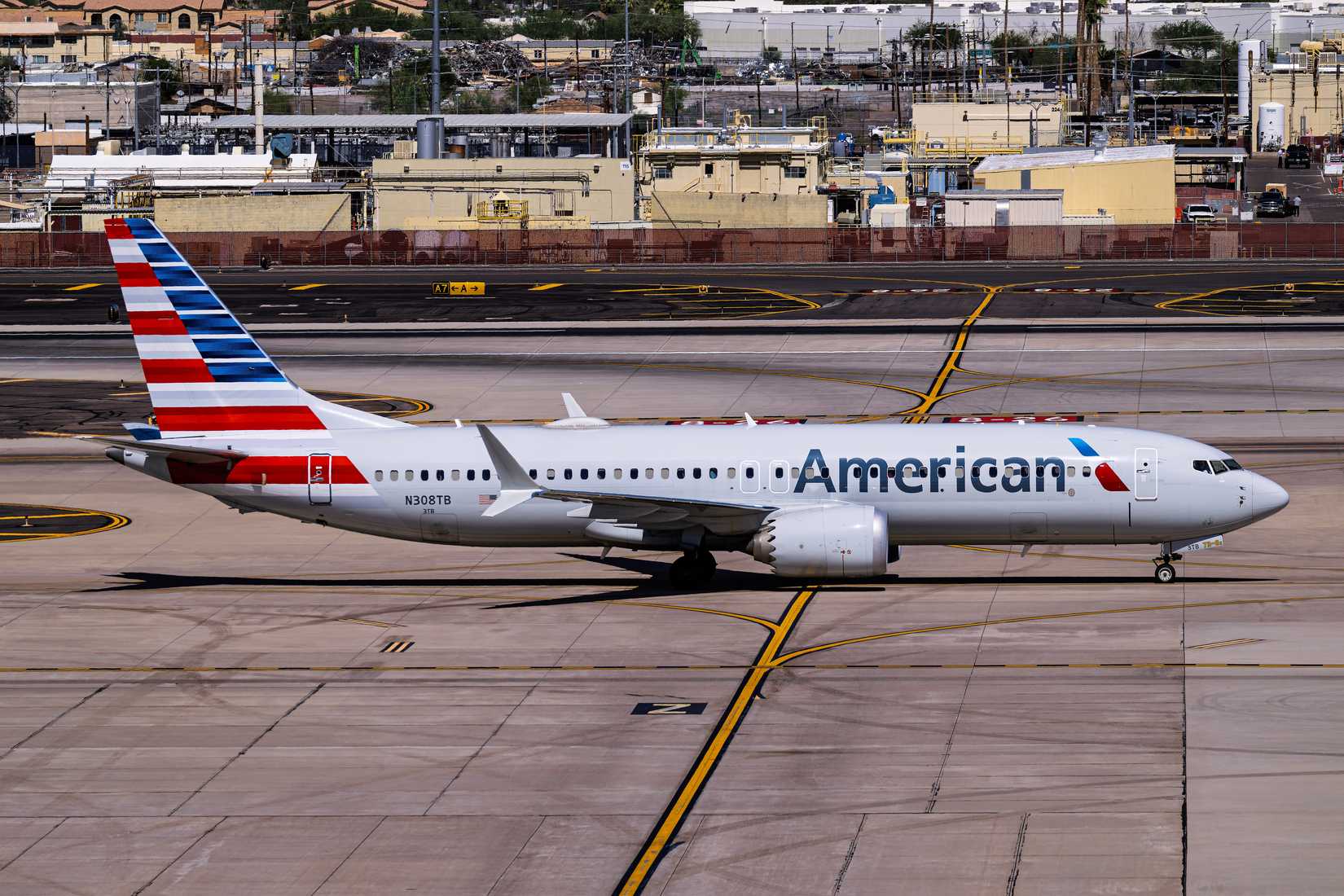
Adding engine options broadens a manufacturer’s customer base, as using one or a few different engine models across an entire fleet can yield significant cost savings, in addition to the impact on an airline’s business relationship with an engine manufacturer. 
The downside is that aircraft development, as well as engine development, has become more expensive than ever. Adding another engine option increases development and certification costs as aircraft pylons, wing attachments, cowling designs, and software systems have to be tailor-made for each engine option. Engines cannot be economically changed after assembly, and optionally can potentially harm second-hand values of both the engine as well as the aircraft type.
|
Aircraft |
Engine Options |
|---|---|
|
Boeing 747 (747-100/200/300/747SP) |
General Electric CF6, Pratt & Whitney JT9D, Rolls-Royce RB211 |
|
Boeing 747 (747-400) |
General Electric CF6, Pratt & Whitney PW4000, Rolls-Royce RB211 |
|
Boeing 747 (747-8) |
General Electric GEnx |
|
Airbus A330 (A330-200/300/200F) |
General Electric CF6, Pratt & Whitney PW4000, Rolls-Royce Trent 700 |
|
Airbus A330neo (A330-800/900) |
Rolls-Royce Trent 7000 |
|
Boeing 777 (777-200/200ER/300) |
General Electric GE90, Pratt & Whitney PW4000, Rolls-Royce Trent 800 |
|
Boeing 777 (777-200LR/300ER/777F) |
General Electric GE90 |
|
Boeing 777X (777-8/777-9/777-8F) |
General Electric GE9X |
With development costs rising as a whole, manufacturers are shifting towards sole-sourcing. Increasingly, engine performance and pricing are becoming tied to the success of an aircraft program. Reportedly, this played a factor in Delta’s 2014 order of A330-900s and A350-900s, as Rolls-Royce offered favorable terms on the maintenance/repair/overhaul (MRO) of the Trent 7000/Trent XWB for Delta’s TechOps division.
The Bottom Line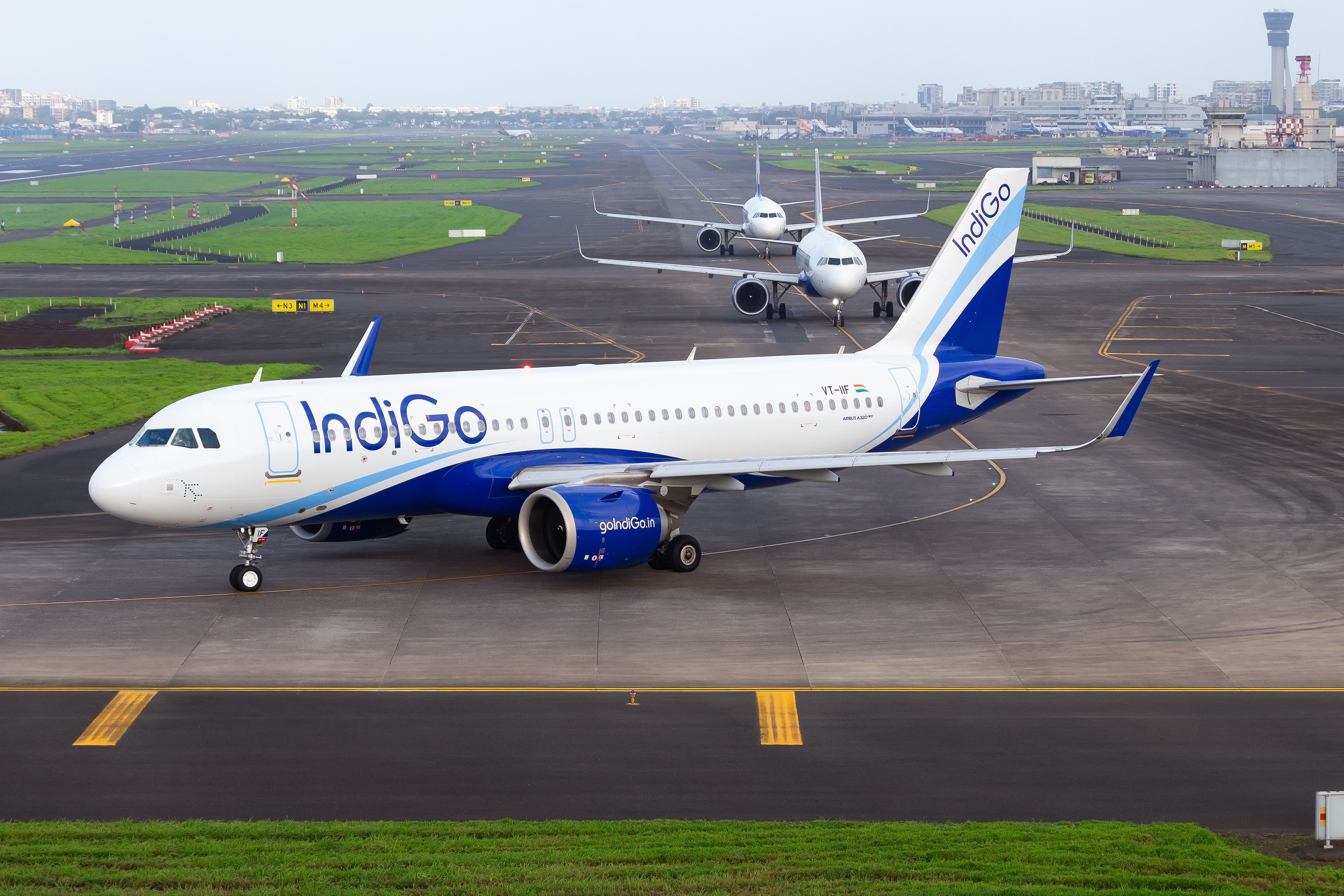

The CFM LEAP powers both the A320neo and 737 MAX because the two planes have similar performance requirements and have used the CFM56 in prior generations. As such, it’s a relatively minor investment for CFM International.
However, the narrowbody market is also high volume, and CFM is the most successful engine manufacturer in this segment of the commercial aviation industry. In other parts of the industry, such as the widebody sector, volumes are much lower, and development costs are even higher.
As such, more new aircraft programs are moving to sole-sourcing, with the Boeing 787 Dreamliner being the notable exception. Even in the narrowbody market, it’s becoming difficult for manufacturers to justify multiple engine offerings. Indeed, this is why the Airbus A220, Boeing 737 MAX, and Embraer E2 all offer just one choice.
source