


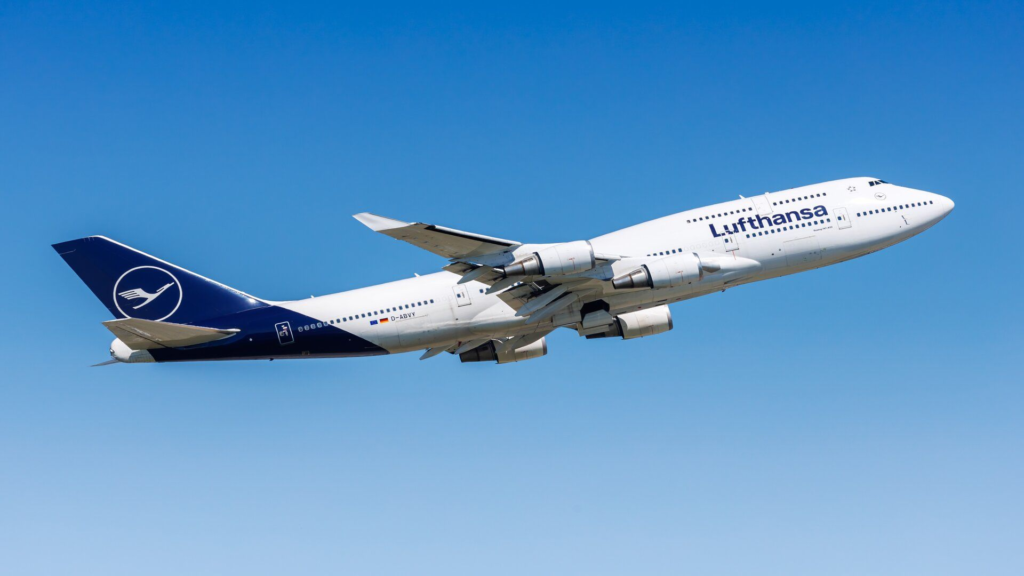
The Boeing 747 is a dynamic aircraft that fundamentally revolutionized passenger and commercial aviation. Legacy operators of the Boeing 747 include United Airlines, British Airways, and Cathay Pacific, carriers that deployed the model on all of their highest-leverage global routes. An aircraft that revolutionized global air travel, the model connected destinations from all across the globe with affordable air service. A high-capacity airliner, the Boeing 747’s per-seat operating economics were virtually unmatched, and passenger airlines could thus lower ticket prices to the point that the world of global aviation soon became accessible to the masses, as opposed to simply being a privilege for the few.
- Launch Customer(s)
-
Pan American World Airways
- First Delivery
-
January 22, 1970
- Last Delivery
-
January 31, 2023
- Number Delivered
-
1,573
- Production Sites
-
Everett, Washington, United States
These factors contributed significantly to the Boeing 747’s rapid success, making it one of the best-selling aircraft of all time. Some operators, especially legacy operators of international networks, quickly began to center their operations around the aircraft itself. Throughout the 1980s and the 1990s, the Boeing 747 was the most common long-haul aircraft in the skies, and it would be difficult to look around the apron at any major international airport without quickly spotting one. The same, however, cannot be said for the Boeing 747 today. The aircraft today remains in service with only a few airlines. We analyze the story of the Boeing 747 and what took this aircraft from the Queen of the Skies to a rare sight at airports today.
A Brief Overview Of The Boeing 747

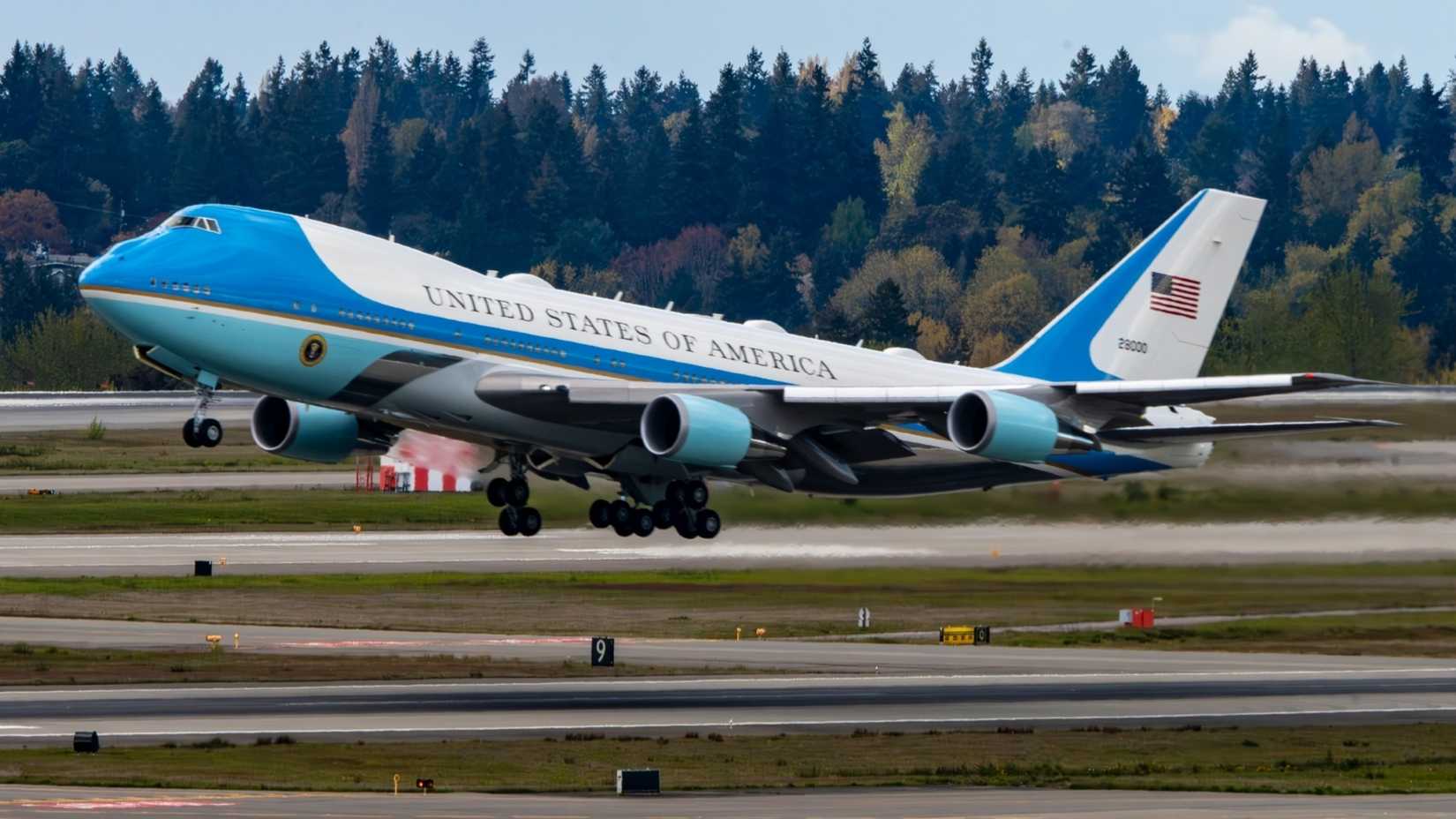
The Boeing 747, which was built from 1968 to 2023, was the world’s first widebody Jump Jet, and it offered a transformative leap in long-haul air travel technology. The aircraft was originally conceived after Pan American sought an aircraft roughly two-and-a-half times the size of the Boeing 707, which it had calculated would reduce per-seat costs by 30%. This program was led by Joe Sutter. Pan American ordered 25 Boeing 747-100 models in 1966, and Pratt & Whitney developed the high-bypass JT9D engine specifically for the model. The first Boeing 747 rolled out of Boeing’s new Everett plant in September 1968, first taking to the skies in February 1969, and was certified not all that long after in December. The aircraft soon entered service with Pan American in January 1970.
With four engines, a ten-abreast economy-class seating arrangement, a partial upper deck, and a raised cockpit that preserved a nose cargo door, the Boeing 747 typically seated around 366 passengers in a three-class configuration, and the type cruised at Mach 0.85. Successive variants of the type expanded its capabilities, with the Boeing 747-200 lifting the model’s maximum takeoff weight (MTOW) and range. The shortened ultra-long-range Boeing 747SP targeted thin routes with long-range requirements, and the Boeing 747-300 stretched the upper deck. The best-selling Boeing 747-400 entered service in 1989, adding modern avionics and new, highly capable engines.
The most recent stretch of the model, the Boeing 747-8, was launched in 2005 and first delivered to customers in 2011. The aircraft used GEnx engines. Beyond passenger service, the platform spawned iconic government and special-mission variants, including the VC-25s, which serve as Air Force One. The aircraft also became one of the best-selling freighters of all time, with nose-loading capabilities that improved cargo capabilities. As of August 2025, around 64 airframes have been lost in accidents, accounting for around 4% of the global fleet.
A Brief Overview Of The Boeing 747’s Appeal

The Boeing 747 offered airlines impressive scale, range, and flexibility in a single model. The jet’s huge cabin, which featured ten-abreast economy-class seating, offered lower seat-mile costs and allowed carriers to profit extensively on dense trunk routes while also supporting the buildout of global hub networks. The aircraft had long-range and fast cruising capabilities, offering intercontinental nonstop missions. Earlier aircraft needed to refuel in order to serve these routes, making them far less competitive than the capable Boeing 747.
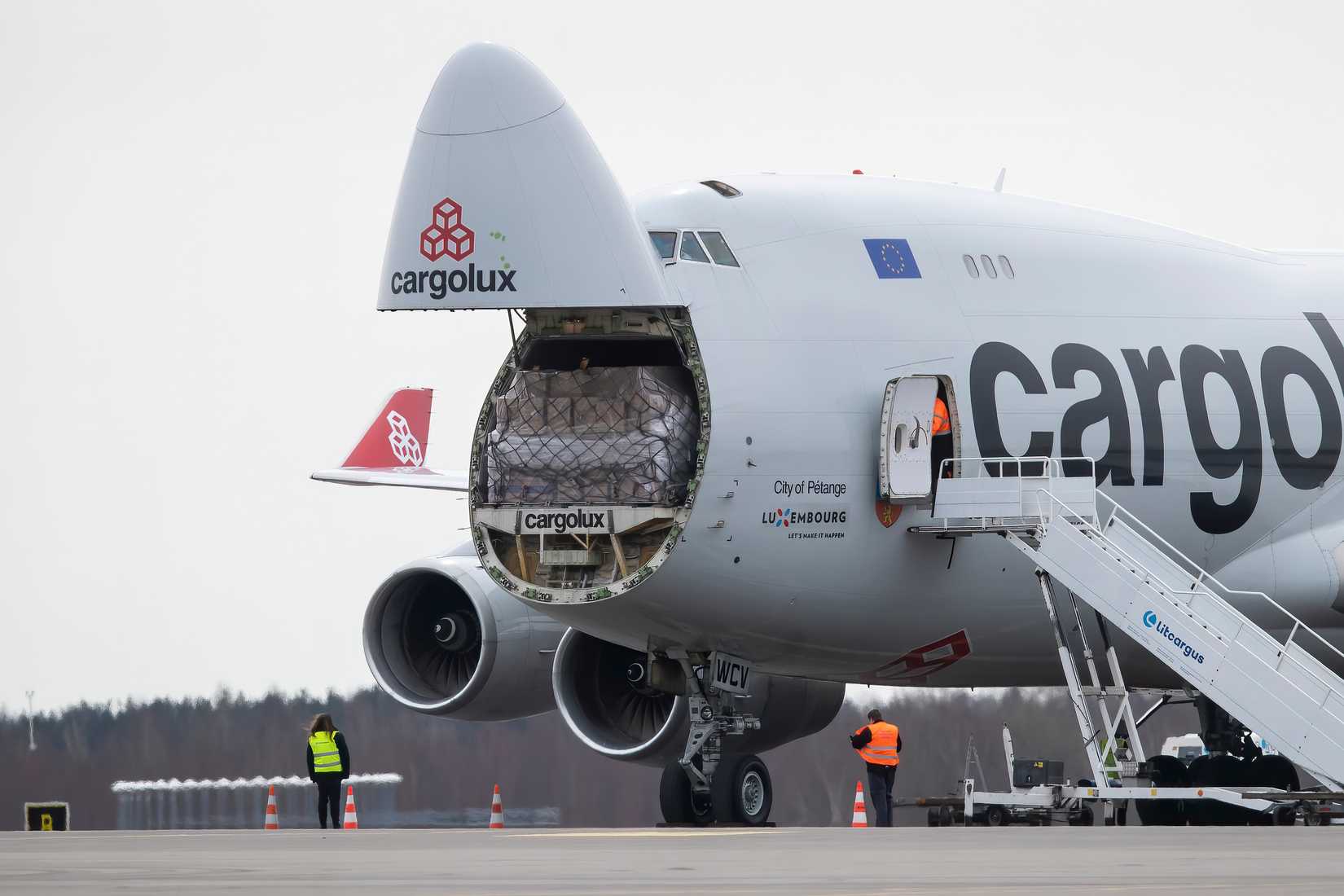
Before the introduction of modern extended-range twin-engine operational performance standards (ETOPS), the aircraft’s four-engine configuration made it a key asset for any operator. The model offered the operational assurance required for long oceanic routes, widening the plane’s network options. The aircraft’s belly capacity was enormous, and the plane’s raised cockpit preserved its front nose door, making it uniquely capable of transporting outsized freight. Later freighter conversions allowed operators to shift between premium-heavy passenger layouts and cargo as markets changed, supporting strong residual values.
Over time, variants of the type offered higher maximum takeoff weight (MTOW), improved fuel burn, two-crew glass cockpits, and training commonality, making it easier for fleets to mix gauges without the additional costs associated with retraining pilots. The aircraft’s robust 16-wheel main landing gear distributed pavement loads, helping expand airport operability, all while the iconic upper deck offered a unique premium cabin experience that airlines could monetize.
A Brief Look At The Boeing 747’s Different Variants

The Boeing 747 family evolved through distinct variants in order to solve different problems that airlines faced. The original Boeing 747-100 introduced the idea of a widebody airliner, using four JT9D turbofan engines, a partial upper deck, and ten-abreast economy-class configurations. Early offshoots of the type included the structurally improved Boeing 747-100B, the high-cycle Boeing 747SR, which was designed for the domestic Japanese market, and the dedicated Boeing 747-200 freighter.
Passenger 747-200, 747SP, 747-300, and ultimately 747-400 variants entered service throughout the 1970s and 1980s, quickly becoming the most popular long-haul aircraft to be operated by carriers from all across the world. The 747-400’s two-crew glass cockpit made it exceptionally modern, and subtypes of the model also sold exceptionally well.
Starting in 2005, Boeing launched the stretched and re-winged Boeing 747-8 using GEnx engines and the Boeing 787’s aerodynamics. The Boeing 747-8 intercontinental and the market-leading Boeing 747-8F both continued the family’s legacy. Neither sold as well as its predecessors, but the aircraft still had a notable impact on the market.
Why Have Airlines Mostly Begun To Phase Out The Boeing 747?

Airlines have mostly begun to move on from the Boeing 747 because economics, networks, and regulations have slowly shifted. Modern twin-engine widebody aircraft are the workhorses of international fleets today, and they offer exceptional range and payload capabilities. These aircraft offer less than 20-30% lower fuel costs, and maintenance is also significantly more affordable in comparison to two-engine models.
The introduction of ETOPS meant that four-engine aircraft were no longer needed to serve long-haul overwater routes, meaning that the Boeing 747’s trip costs were no longer needed. Demand for the model was also fragmented, and point-to-point flying became more popular with airlines.
At slot-constrained hubs, the Boeing 747 and other ultra-high-capacity aircraft like it do still have a role. There are airlines, especially trunk carriers with hub-and-spoke networks, that still operate heavy four-engine jets, but the Boeing 747’s numbers today are a mere shadow of what they once were.
Who Still Operates The Boeing 747?

There are relatively few passenger airlines that still operate the Boeing 747 today, a function of the aircraft’s increasing obsolescence in comparison to light twin-engine models. The carriers that still operate the Boeing 747 on passenger routes are primarily Lufthansa, Korean Air, and Air China, all of which use the Boeing 747-8 Intercontinental on long-haul trunk routes. A select handful of government operators and militaries still operate VIP-configured special mission variants of the Boeing 747, including the VC-25A and the E-4B doomsday plane.
Most active Boeing 747s in the skies today are freighters. Major operators of these kinds of models include Atlas Air, UPS, Cargolux, Korean Air Cargo, Cathay Pacific Cargo, and Nippon Cargo Airlines. These carriers all use the model to anchor long-haul cargo fleets. Here are some statistics for the Boeing 747-8 family, according to sales data from manufacturer Boeing:
|
Variant: |
Sales: |
|---|---|
|
Boeing 747-8I |
48 |
|
Boeing 747-8F |
107 |
|
Total |
155 |
Kalitta Air, China Airlines Cargo, Sauda Cargo, and some also use the aircraft to a lesser extent. They tend to use a combination of the Boeing 747-8F and earlier Boeing 747-400F models.
What Is Our Bottom Line?

At the end of the day, the Boeing 747’s time on the market has mostly come and gone, and pretty much any industry analyst will tell you the same thing. There are some who aggressively speculate whether the Boeing 747 could make a commercial comeback; however, this is highly unlikely.
The Boeing 747 fundamentally changed aviation, and that is certain. However, aviation has fundamentally shifted since the days in which the Boeing 747 was the workhorse of long-haul fleets. Modern twin-engine aircraft can fly further and more efficiently than even the latest-generation Boeing 747s.
The Boeing 747 certainly brought a lot to the table. The aircraft’s exceptional capabilities, long-range mobility, and ability to serve destinations in a way that allowed carriers to drop ticket prices to the point of being affordable to middle-class travelers changed not just the aviation industry but the world as a whole. Without the innovation of the Boeing 747, air travel could have remained a restricted privilege to the wealthy few for far longer.
source