



Airbus has spent decades defining the modern sky, from the groundbreaking A300 in the 1970s to the double-decker A380 and the ultra-efficient A350. But as the 2020s wind down, one question to ask is, what comes next? Boeing is already teasing its Boeing 737 MAX replacement development while climate goals and fuel prices are reshaping aviation faster than ever. Airbus can’t just sit on its wings.
Will the next Airbus be another re-development of an existing aircraft, or will it take a completely new course and be a statement about the future of flight: cleaner, quieter, and possibly hydrogen-powered? Whether it’s a sleek new single-aisle Airbus A320neo successor, a blended-wing widebody, or something straight out of sci-fi, the stage is set for a revolution. Let’s explore what form the next big Airbus could take, and which ideas might actually get off the ground.
The Successor to a Legend, Replacing the A320 Family

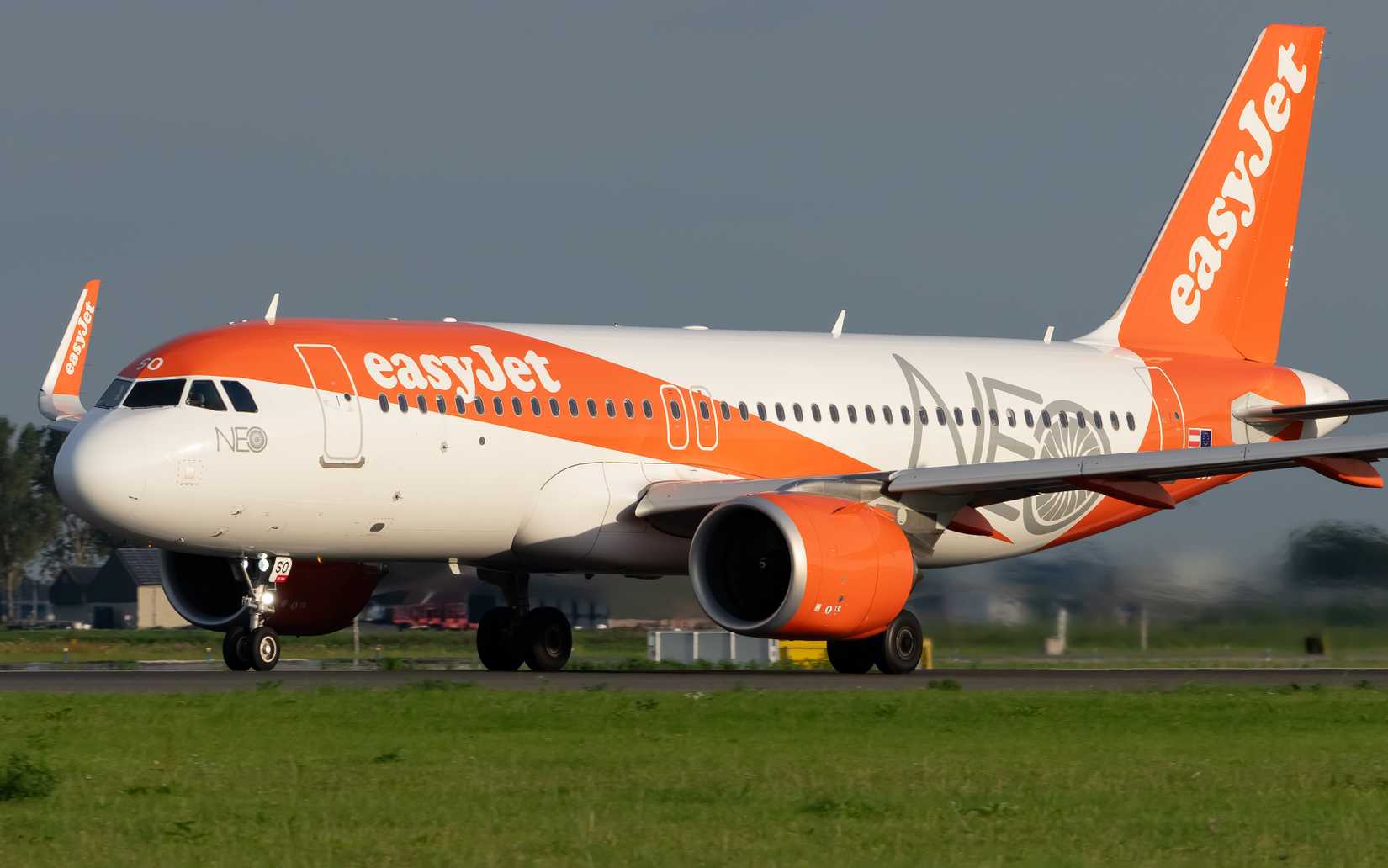
The A320 family has been Airbus’s bread and butter since its debut in the late 1980s. By 2025, over 12,000 A320 family jets have been delivered globally, and the A320neo (New Engine Option) variants have achieved high utilization across both low-cost and legacy carriers. Yet no aircraft lasts forever. Structural fatigue, obsolescence of systems, and stricter emissions demands mean that Airbus will need a new “middle single-aisle” to stay competitive through mid-century.
A successor would likely aim for 20–25 % better fuel efficiency (or more) compared to today’s A320neo or A321XLR. That improvement could come from more efficient engines (higher bypass ratios, geared turbofans or open rotors), lighter materials (next-gen composites, new alloys), and improved aerodynamic features (laminar flow wings, morphing surfaces). Airlines would welcome such gains, especially in an era of volatile fuel prices and carbon pricing.
However, launching a full new single-aisle program is a massive investment. Airbus must time it so that it doesn’t devour its own A320 & A321XLR backlog too early. The successor’s introduction might occur in the early 2030s, allowing for overlap with the existing fleet to ease the transition. It also needs to retain commonality (cockpit, maintenance, pilot training) to persuade operators to adopt it.
Hydrogen Horizons, Airbus ZEROe and the Race to Zero Emissions

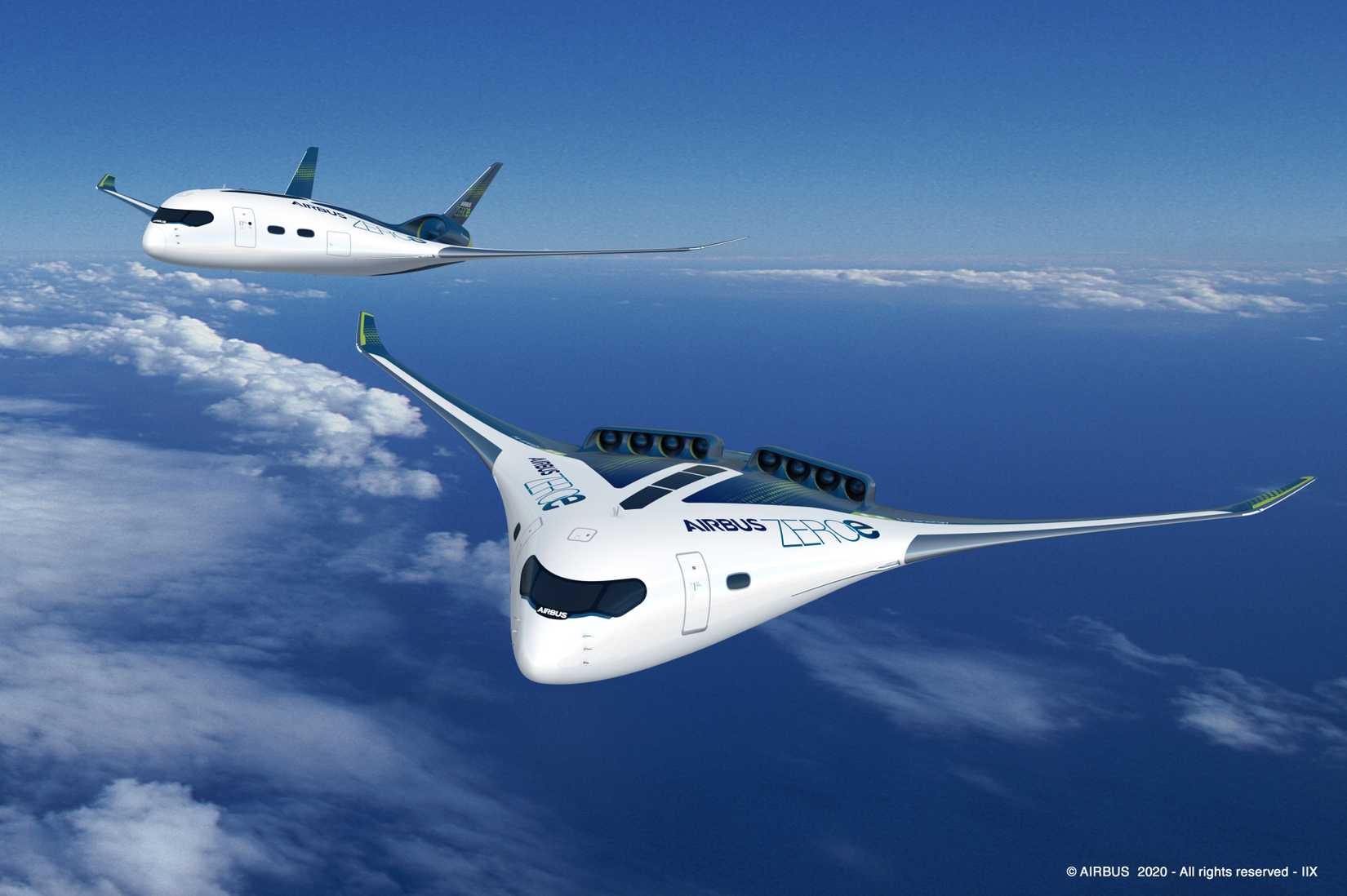
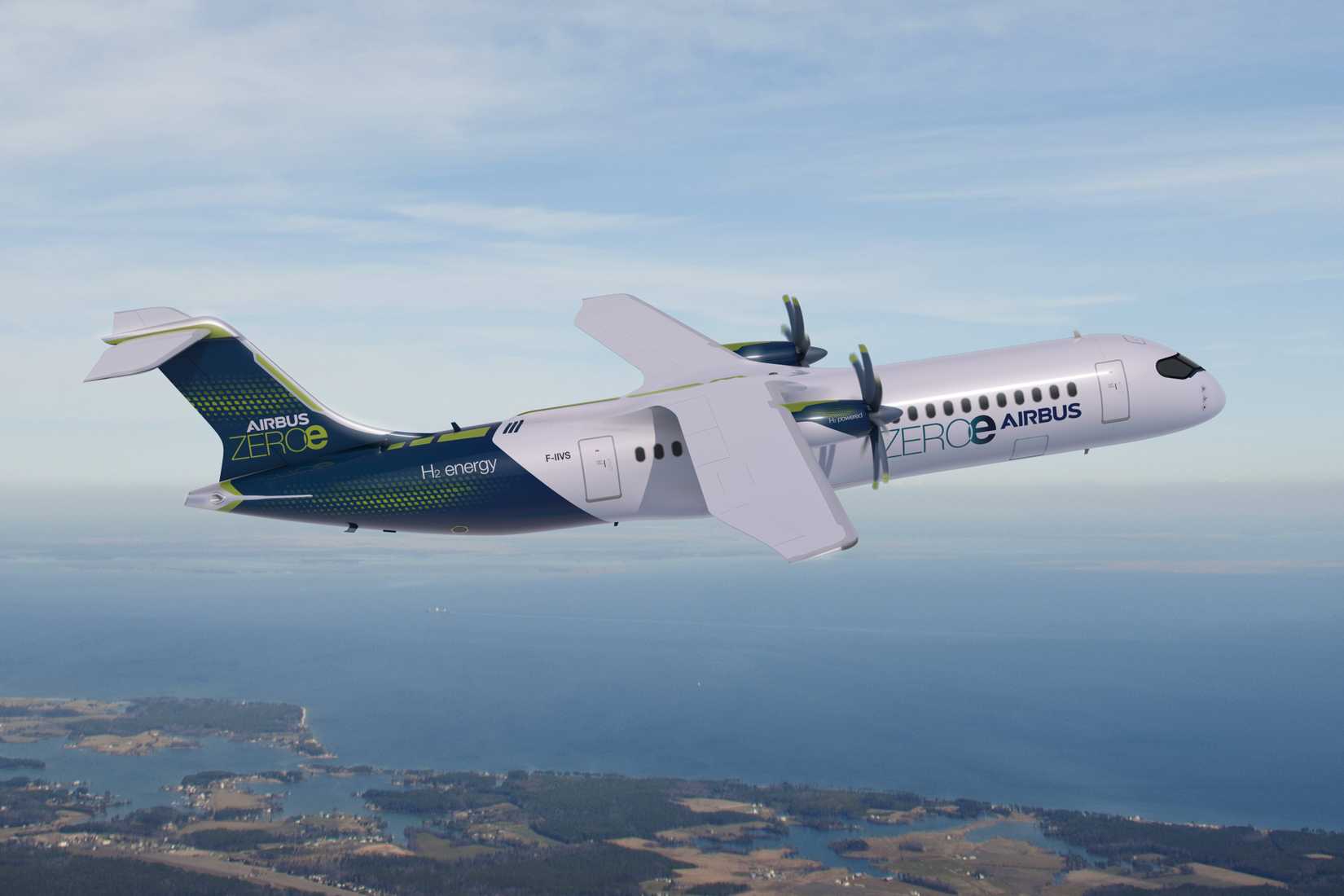
In 2020, Airbus announced its ‘ZEROe’ concept aircraft, outlining three hydrogen-powered designs (a turbofan, a turboprop, and a blended wing) as potential steps toward zero-emission flight by 2035. This marks Airbus’s public commitment to exploring hydrogen as a key alternative fuel. The company plans to test hydrogen propulsion in demonstrator aircraft during the late 2020s.
A hydrogen-powered airliner would offer substantial emissions benefits, such as zero CO₂ during flight (assuming green hydrogen supply), lower emissions (depending on combustion design), and possibly lower noise in some configurations. But the challenges are steep. Hydrogen has a very low volumetric energy density, so tanks must be large or highly pressurized, making storage complex. Furthermore, airports need hydrogen infrastructure (production, liquefaction, refuelling). That ecosystem doesn’t exist widely today.
|
Aspect |
Details (From Airbus) |
|---|---|
|
Launch / Project Start |
ZEROe project launched in 2020. |
|
Primary Propulsion Technology |
Hydrogen fuel cells powering electric propellers. |
|
Number of propellers / fuel cell stacks |
Four propellers, each powered by its own fuel cell stack. |
|
Alternative Concepts |
Before 2025, three hydrogen combustion designs were considered. (Turbofan, turboprop, and blended‑wing body) |
|
Status of Fuel Cell Demonstrator |
In 2023, the fuel cell demonstrator achieved 1.2 MW in testing. |
|
Storage / Fuel Handling Technology |
Cryogenic storage of hydrogen (at very low temperature, approx −253 °C) |
|
Ecosystem & Infrastructure |
The “Hydrogen Hubs at Airports” programme, with over 220 airports participating, in collaboration with airlines, energy providers, and tech companies. |
|
Goals / Environmental Impact |
Almost carbon‑neutral in flight (water as a by‑product), assuming hydrogen is produced using renewable energy. |
|
Timeline / Market Ambition |
Airbus aims to bring a hydrogen‑powered commercial aircraft to market, with concepts targeted for the 2035 timeframe. |
Because of those constraints, any hydrogen commercial airliner would likely begin in short- to medium-range segments. The regulatory framework, certification, and infrastructure buildout may stretch into the 2030s. So, while the ‘ZEROe’ concepts provide a vision for the future, commercialization may be gradual; Airbus might launch a hybrid design (hydrogen + conventional fuel) before fully hydrogen.
The Open Rotor Revolution

Open rotor (or unducted fan / “propfan”) engines have been studied over many decades as a route to very high propulsive efficiency, because you can get huge bypass ratios without enclosing the fan in a duct. In theory, open rotors could offer 20–30 % fuel savings over even the best ducted turbofans, especially at lower speeds and altitudes. That makes them an alluring possibility for the next Airbus.
The trick is engineering. Open rotors must address noise (unshielded blades are noisy), blade aerodynamics at high tip speeds, and vibration/structural stresses. Advances in materials (high-temperature composites, adaptive blade geometry) make open rotor more plausible now than in earlier decades. Some engine manufacturers and research bodies are actively testing demonstrators.
|
Aspect |
Details (From Airbus) |
|---|---|
|
Technology |
Open fan engine architecture, a hybrid between turboprop and turbofan designs. |
|
Purpose |
To enhance fuel efficiency and reduce CO₂ emissions in future aircraft. |
|
Testing Method |
Wind tunnel tests to evaluate aerodynamic and acoustic performance. |
|
Testing Partners |
Airbus and CFM International. |
|
Program Name |
Part of CFM’s Revolutionary Innovation for Sustainable Engines (RISE) program. |
|
Aircraft for Demonstration |
Airbus A380, slated for flight tests by the end of the decade. |
|
Environmental Goals |
Aiming for a 20% reduction in fuel consumption and CO₂ emissions compared to current single-aisle engines. |
|
Energy Compatibility |
Designed to be compatible with alternative energy sources, including sustainable aviation fuels and hydrogen. |
|
Integration Considerations |
Focus on aerodynamic profile, acoustic footprint, and ease of integration into future aircraft designs. |
If Airbus adopts open rotor technology, it might pair it with a successor airframe (like the A320 replacement) or even a mid-size twin-aisle. But the noise, certification hurdles, and airline acceptance risk remain high. Open rotor could be a crucial component of the next generation, but probably not the only innovation.
The Widebody Wildcard, Could an “A360” or “A370” Ever Exist?

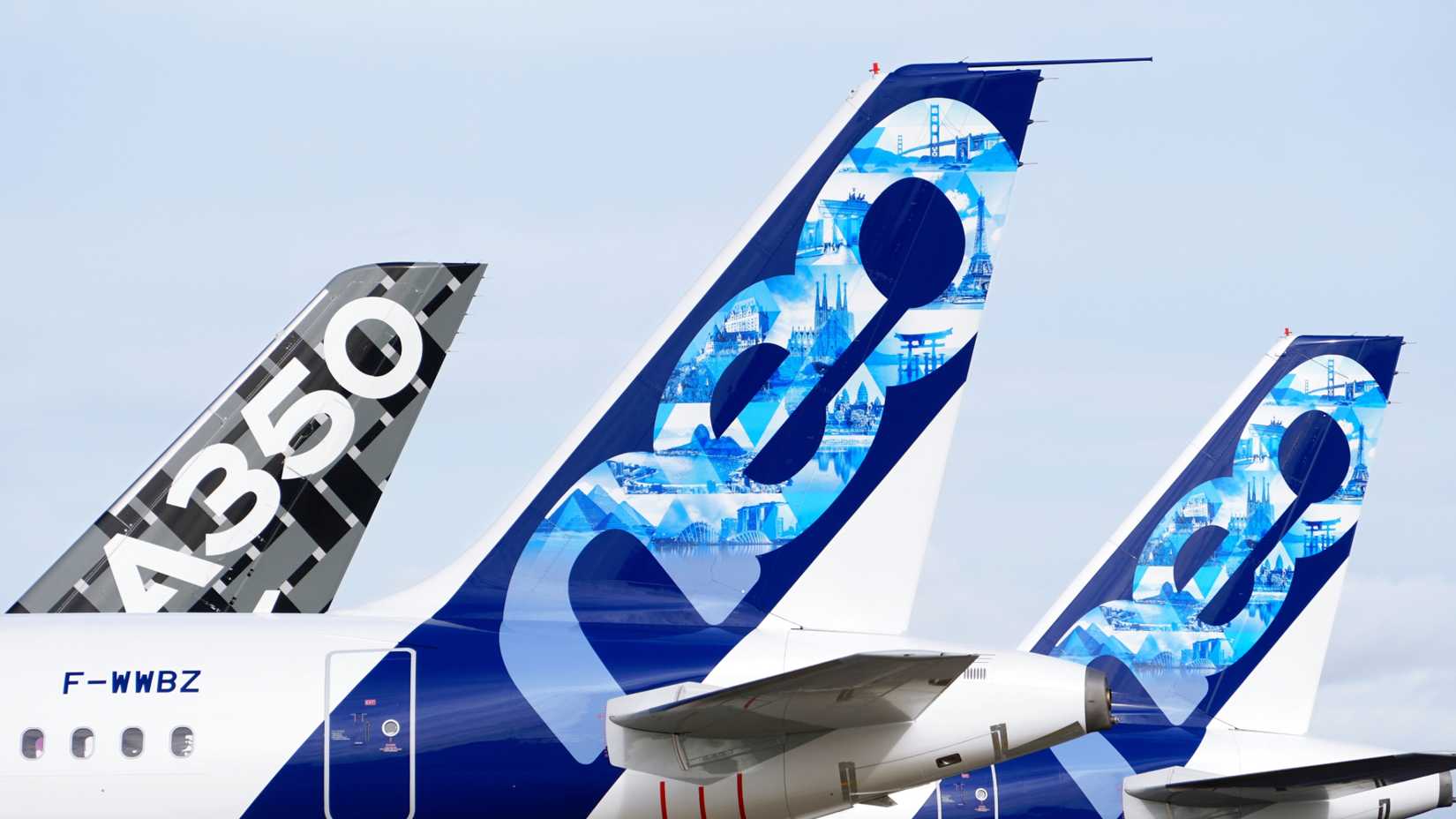
The notion of an “A360” or “A370” is fanciful, but not entirely without precedent: Airbus has periodically considered very large or radically efficient widebodies that push beyond today’s Airbus A350. The Airbus A380 experiment taught Airbus that size must be carefully matched to demand, infrastructure, and yield dynamics.
A future widebody might aim for better per-seat economics by being lighter, more efficient, and more flexible (modular cross-sections, twin-aisle configurations that scale). It could incorporate advanced wings, laminar flow, blended fuselage shapes, or even hybrid wing bodies to spread drag more efficiently. Because widebody aircraft generally earn airlines more per unit, the payoff is high, but so is risk and capital cost.
Airlines are conservative with very large jets (given their capital risk), and airports must adapt (gate size, runway loads, terminal compatibility). Still, a scaled twin-aisle with better economics might be viable in the 2040s, especially as traffic returns post-pandemic and airlines seek replacements for aging fleets like the Boeing 777 and older A340/777 types.
The Smart Sky, Digital Twins, Autonomy, and AI in Design
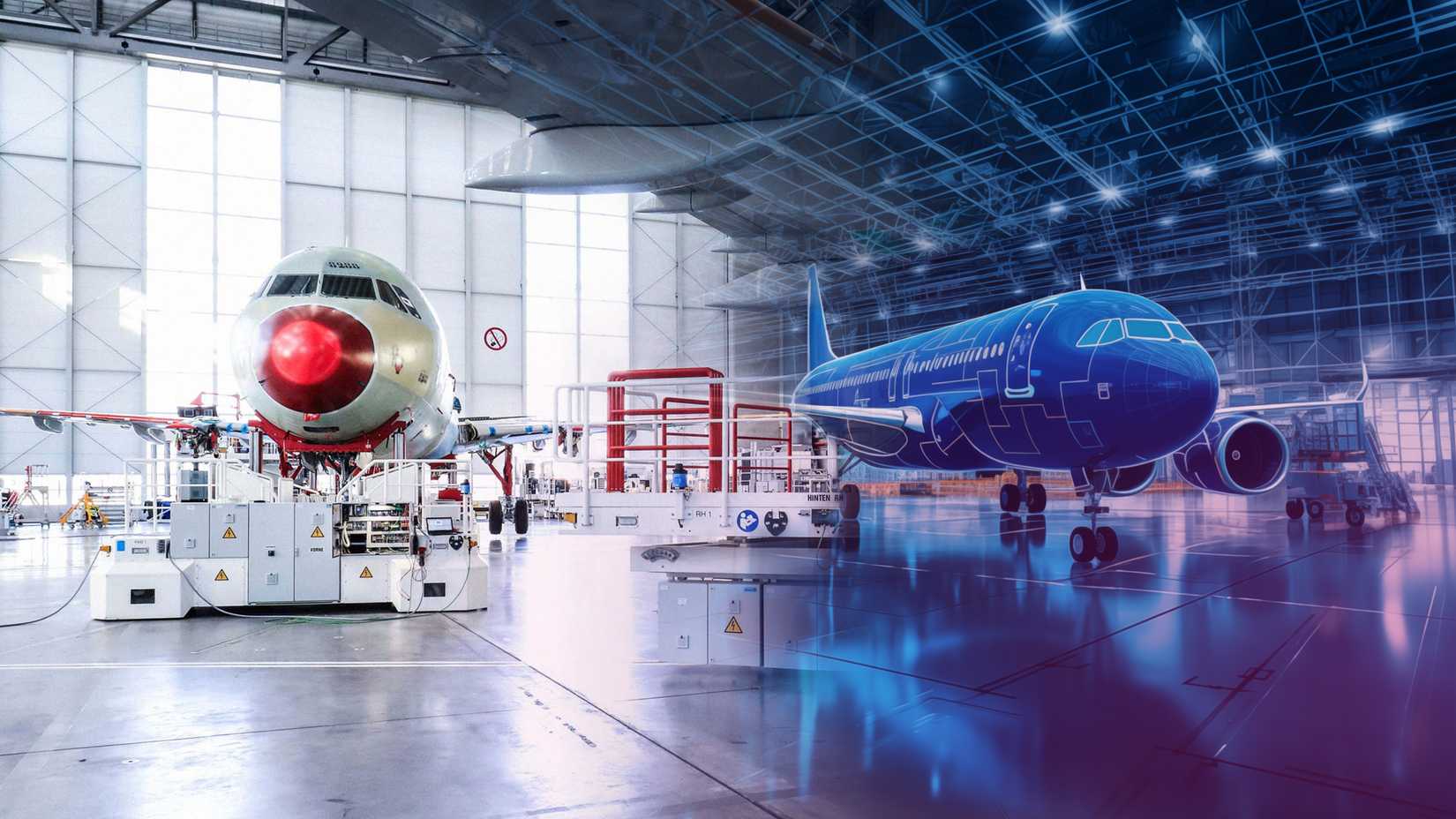
The next Airbus won’t only be about engines and structures; digitalization will be a central pillar. Airbus already uses digital twins (virtual replicas of aircraft) to monitor health, predict maintenance, and optimize operations in real-time. Future aircraft may push that further, with self-learning systems, adaptive control surfaces, and in-flight health management that self-corrects.
Artificial intelligence could, in theory, accelerate the design process. Generative design tools can optimize structures in ways human engineers wouldn’t intuitively think of; simulation can reduce physical prototyping, lowering cost and time. Additionally, autonomy (automated taxi, ground operations, and even augmented piloting), although heavily debated and probably very far away (if ever implemented), could further reduce operating costs, enhance safety, and reduce crew workload.
When combined with advanced materials, sensors, and integrated systems, this “smart sky” approach means the next Airbus could evolve during its life, with software updates improving performance, predictive maintenance extending service life, and real-time adaptation to weather and load. In effect, the aircraft becomes smarter over time.
The Shape of Tomorrow’s Airbus

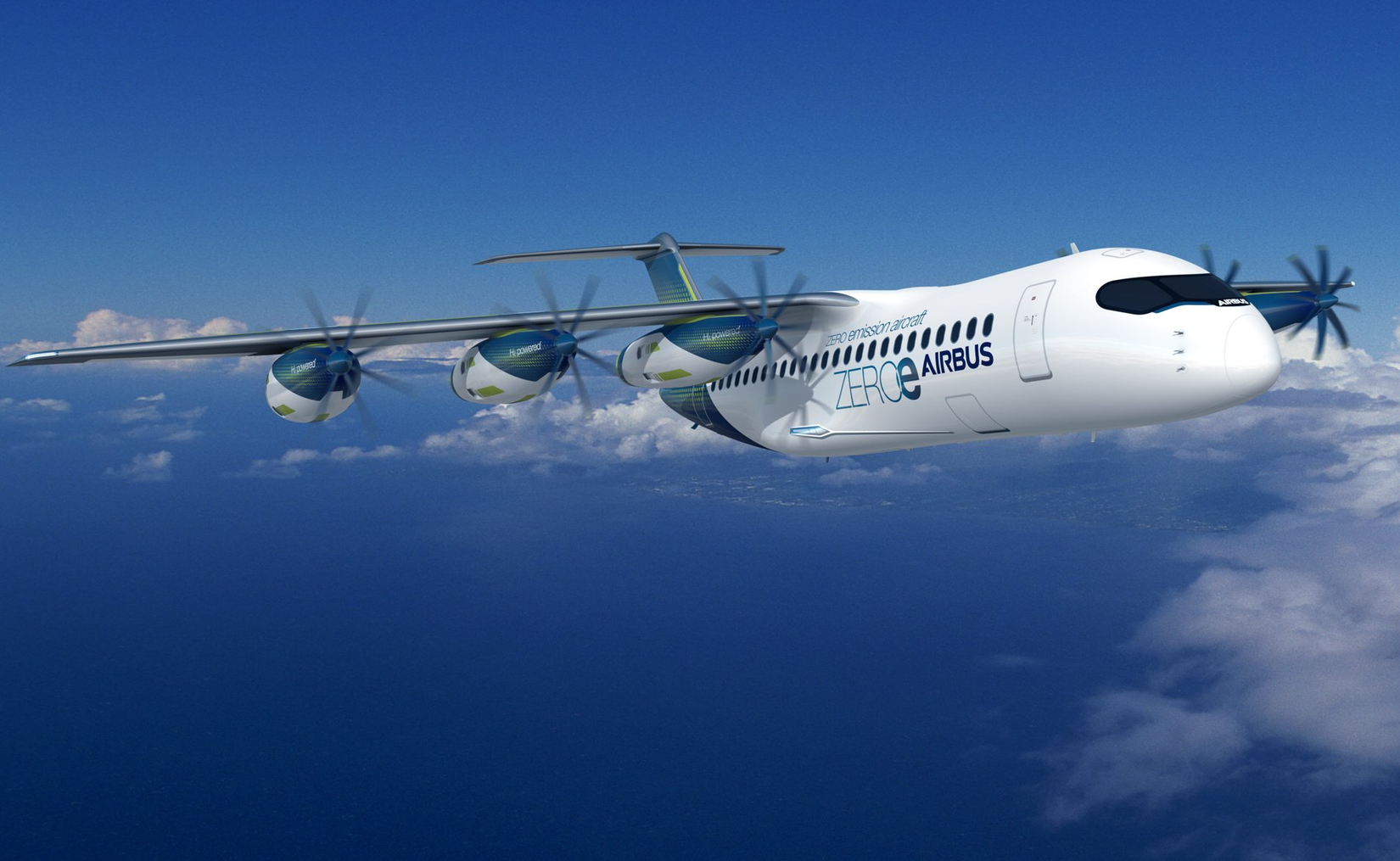
So, which direction will Airbus take? The safest bet is a next-generation single-aisle successor to the A320 family, powered by advanced turbofans or open rotor derivatives, rolled out in the early to mid-2030s. That design meets the largest demand window, allows incremental adoption (alongside existing fleets), and captures cost savings that airlines need now.
But Airbus, and the industry, will almost certainly pursue hybrid or hydrogen transitional designs in parallel. Over the 2030s and 2040s, hydrogen concepts (like the ZEROe family) may mature enough for limited commercial service, especially on shorter routes, while infrastructure builds worldwide.
Meanwhile, digital innovation and autonomy will permeate every new aircraft, even in conventional designs. The next Airbus won’t just be a new airframe, it will be the first to blur the line between hardware and software, between energy and intelligence. That’s my pick: a smart, efficient, and flexible successor that becomes ever better with time.
source