


The United States Air Force (USAF) is in the middle of one of its most complex modernization efforts in decades. From bombers that first flew during the Cold War to presidential aircraft meant to symbolize American power and reliability, upgrades are underway across the fleet, but, of course, not without serious challenges. Delays, rising costs, and technical hurdles have led many observers to ask what is really happening behind the scenes.
To outside observers, the situation can feel confusing. How can aircraft that are older than many of their pilots still be flying regular missions, while brand-new aircraft like the next Air Force One remain years behind schedule? The answer lies in the scale, complexity, and risk involved in modern military aviation upgrades.
This article looks at key examples, including the B-52 Stratofortress radar upgrade and the long-delayed replacement for Air Force One, using official Air Force reporting and defense analysis to explain why modernization is proving harder and slower than expected.
Modernization Is Necessary, But Inherently Slow And Costly

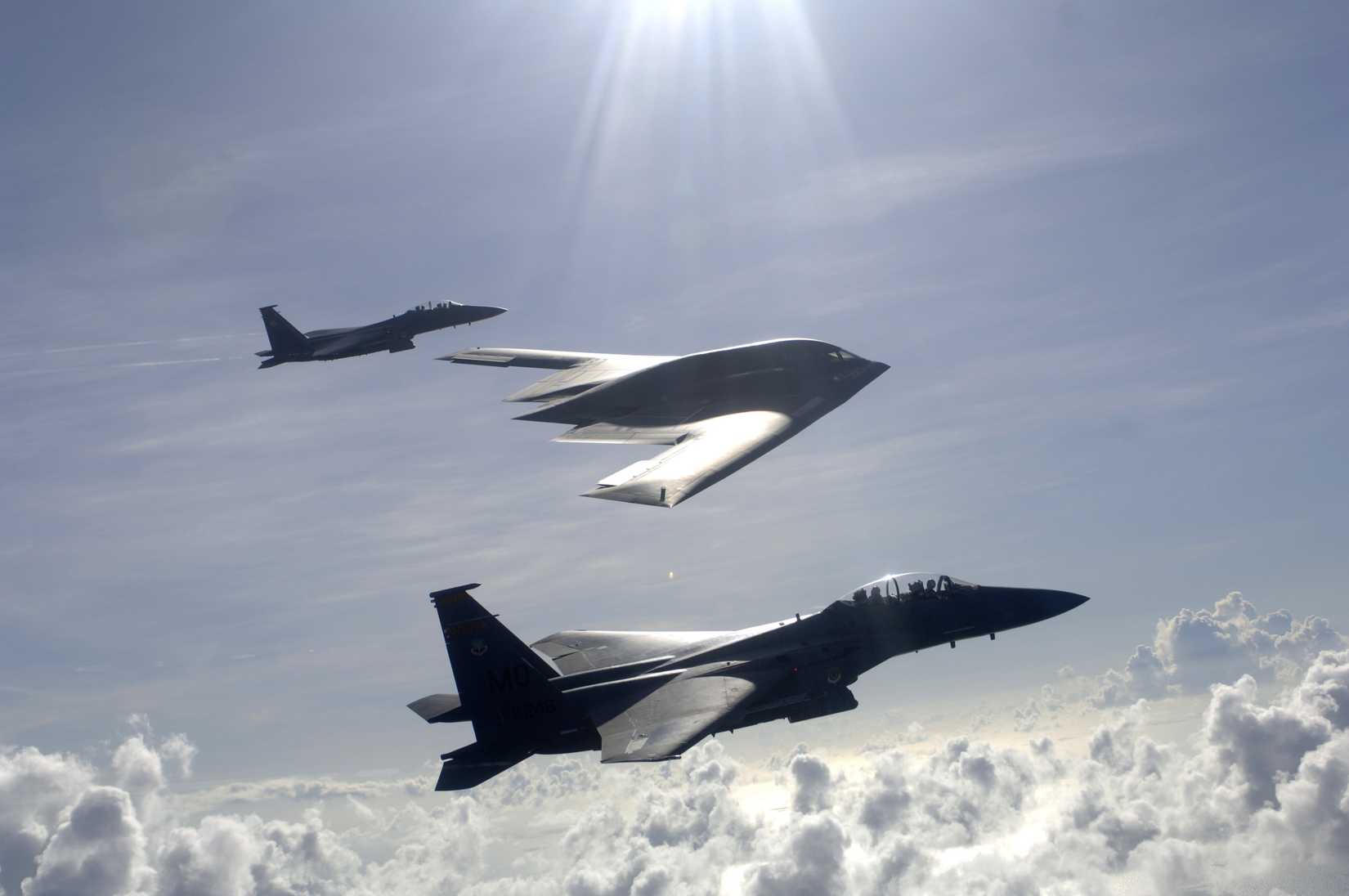
The US Air Force is upgrading its aircraft to stay relevant in a fast-changing threat environment, but those upgrades are taking longer and costing more than originally planned. Aging airframes, increasingly complex technology, and ongoing supply-chain challenges are all slowing progress across multiple programs.
Many Air Force aircraft were designed decades ago, long before today’s digital, networked battlespace existed. Updating them is not as simple as adding new equipment. As the Air Force has noted in multiple program updates, modernization often means rebuilding major systems while keeping the aircraft operational at the same time. Concurrently, brand-new programs face strict security requirements, evolving mission needs, and limited industrial capacity, all of which add delays.
Despite the frustration, modernization is not optional. Defense analysts widely agree that without modern sensors, communications, and survivability systems, the Air Force would struggle to operate effectively against near-peer competitors who are rapidly upgrading their own fleets. In short, modernization may be slow and expensive, but the alternative means falling behind and is far riskier.
What Factors Are Driving Delays And Rising Costs?


One of the biggest factors shaping Air Force aircraft upgrades is age. Aircraft like the B-52 Stratofortress first entered service in the 1950s, and while their airframes remain structurally sound, many of their internal systems were designed for a very different era of warfare. As the Air Force itself has acknowledged, analog avionics, legacy sensors, and outdated wiring simply cannot meet modern operational demands without extensive redesign.
Another major factor is the challenge of integrating modern technology. Today’s radars, sensors, and communications systems are far more capable than earlier generation ones, but those improvements came at the expense of simplicity. Installing them isn’t as simple as swapping out a box. According to Air Force program documentation, installing these systems often requires changes to power generation, cooling capacity, software architecture, and even crew procedures. These kinds of changes add time, testing requirements, and risk.
Budget and industrial constraints further complicate the picture. Defense contractors are supporting multiple high-priority programs at once, from bombers and fighters to tankers and trainers. Analysts have also pointed out that global supply-chain disruptions continue to affect the availability of specialized components, particularly for low-volume military programs that cannot rely on commercial-scale manufacturing.
How Modernization Challenges Affect Major US Air Force Aircraft:
|
Aircraft Platform |
Role |
First Entered Service |
Major Upgrade Focus |
Primary Challenge |
Why It Drives Delays & Cost |
|---|---|---|---|---|---|
|
B-52 Stratofortress |
Strategic bomber |
1955 |
Radar (AESA), avionics, engines |
Extreme airframe age |
Legacy wiring, power, and cooling require extensive redesign. |
|
B-1B Lancer |
Long-range bomber |
1986 |
Avionics, weapons integration |
Aging systems near retirement |
Limited upgrade scope slows investment and testing |
|
A-10 Thunderbolt II |
Close air support |
1976 |
Avionics, targeting pods, wings |
Survivability and age |
Upgrades extend life but don’t solve high-threat vulnerability |
|
F-16 Fighting Falcon |
Multirole fighter |
1978 |
AESA radar, networking |
Fleet diversity |
Multiple blocks demand different upgrade paths. |
|
F-15EX Eagle II |
Air superiority |
F-15EX initial production and deliveries began in the early 2020s. |
Avionics, weapons, sensors |
Industrial capacity |
Competes with other fighter programs for suppliers |
|
F-22 Raptor |
Stealth air superiority |
2005 |
Sensors, software, weapons |
Small fleet and closed architecture |
Custom upgrades are expensive and slow |
|
F-35 Lightning II |
Stealth multirole |
2015 |
Software (Block 4), sensors |
Software complexity |
Changes ripple across hardware and logistics |
|
KC-46 Pegasus |
Aerial refueling |
2019 |
Refueling systems, defenses |
Technical integration |
Fixes require repeated testing and certification. |
|
Boeing VC-25B (Air Force One) |
Presidential transport |
New build |
Secure comms, survivability |
Evolving requirements |
Design changes trigger rework and delays |
The B-52 Radar Modernization Program shows how these factors intersect. According to a recent US Air Force update, the program replaces the bomber’s mechanically scanned radar with a modern active electronically scanned array (AESA). The Air Force describes this upgrade as a key step in improving situational awareness, targeting accuracy, and long-term reliability, while also reducing maintenance demands. Crucially, the new radar supports both nuclear command-and-control missions and conventional operations, allowing the B-52 to remain relevant for decades to come.


The Impending Reboot Of The US Air Force
America’s Air Force has a paradigm change on the horizon.
What Air Force Leaders And Defense Experts Say About The Delays


Air Force leaders have consistently framed modernization as a necessity rather than a luxury. In official briefings and public program updates, senior officials have emphasized that upgraded aircraft are essential for operating in contested environments, particularly against adversaries with advanced electronic warfare capabilities. Older systems, they note, are more vulnerable to jamming, spoofing, and tracking.
In the case of the B-52, Air Force Global Strike Command has highlighted the operational value of the bomber’s ongoing upgrades. Air Force materials describing the program explain that new radar and avionics systems are intended to improve mission effectiveness while also reducing maintenance complexity. The long-term goal is to keep the B-52 viable across multiple mission sets without requiring a completely new bomber to replace it.
The replacement program for Air Force One presents a more complicated picture. Defense analysts and aviation observers, including those cited in The National Interest, have pointed to a combination of factors behind the repeated delays. These include evolving design requirements, extremely high security standards, and production challenges faced by Boeing. As reported, the new VC-25B aircraft are now expected to enter service several years later than originally planned, with total program costs continuing to increase.
Across the defense aviation industry, the broader expert view is that these challenges, while frustrating, are not unusual. Analysts frequently note that modern military aircraft are among the most complex machines ever built, combining advanced software, hardened communications, and specialized hardware. Even small changes can ripple through an entire program, requiring extensive testing and recertification.
How Do Upgrades Compare With Replacing Aircraft Entirely?


One alternative would be to retire older aircraft and replace them outright with new designs. While this may appear simpler at first glance, defense analysts generally agree it is far more expensive and time-consuming than upgrading existing platforms. Designing and fielding a new military aircraft from scratch often takes decades.
The B-21 Raider stealth bomber, for example, has been in development for years and will still require time to reach full operational capability across the force. During that transition, the Air Force still needs reliable aircraft to meet daily mission demands, making upgrades to existing platforms a practical necessity.
Another option sometimes discussed is reducing mission requirements to speed up delivery timelines. This idea has surfaced in discussions about the Air Force One replacement. However, analysts note that Air Force One functions as a flying command center with secure and nuclear-hardened communications. Because of that role, significantly reducing requirements is not considered realistic.
|
Option |
Cost |
Time to Field |
Program Risk |
|---|---|---|---|
|
Upgrade existing aircraft |
Medium |
Medium |
Moderate |
|
Build new aircraft |
Very high |
Very long |
High |
|
Reduce mission requirements |
Lower upfront |
Shorter |
Operational risk |
Compared with other air forces, the US approach appears conservative but practical. Allied nations’ approaches vary by nation and mission needs, with many also extending airframe life while selectively upgrading systems.

Disaster? Why The F-35 Program Is Under Fire Again
A storm of controversy surrounds the F-35 program, but what’s really behind the criticism?
Risks And Drawbacks Of Long-Term Upgrades


Aircraft upgrades inevitably carry risk. Integrating modern systems into airframes designed decades ago can reveal unexpected problems, including electromagnetic interference or power and cooling limitations. As program officials have acknowledged in various modernization efforts, these issues are often discovered during testing, leading to redesigns and delays.
There is also the strategic risk of continued reliance on aging platforms. For example, even though the B-52 is expected to remain in service into the 2050s, it lacks built-in stealth features found in newer bombers. In a high-end conflict, analysts note that it would rely heavily on stand-off weapons, electronic warfare support, and other enabling assets.
For observers, the key issue to watch is whether ongoing delays begin to affect operational readiness. So far, the Air Force has managed to balance modernization with mission demands, but as aircraft continue to age and upgrade timelines stretch, that margin for error is becoming increasingly narrow.
The Bottom Line On US Air Force Aircraft Modernization

So, what’s really going on with US Air Force aircraft upgrades? In short, the service is trying to modernize responsibly while managing aging fleets, limited budgets, and extreme technical complexity.
Programs like the B-52 radar upgrade show how old aircraft can be made relevant with the right investments. At the same time, delays to Air Force One highlight how even top-priority projects can struggle under modern requirements.
Looking ahead, expect more of the same: incremental upgrades, long timelines, and careful trade-offs. It may not always be fast or flashy, but for the Air Force, staying capable matters far more than staying on schedule.
source