


The Boeing 737 MAX 10 is designed to be the most economical and highest-capacity member of the 737 MAX family, offering airlines a narrowbody aircraft optimized for high-density routes. Launched in 2017, the MAX 10 was expected to follow a smooth certification path as a stretched variant of the MAX 9. Instead, it has been plagued by certification delays that have pushed expected entry into commercial service back year after year.
Years after the MAX 8 returned to service following the global grounding and the resolution of quality control issues at Boeing, the MAX 10 remains uncertified, with hundreds of orders and no firm entry-into-service date. However, recent progress has been made: Boeing submitted a fix for the aircraft’s anti-ice engine system, which caused years of delays, and announced the completion of the MAX family’s redesigned crew alerting system. With 2026 approaching, where does the 737 MAX 10 stand in the certification process?
737 MAX 10 Redesigned Alerting System Review Begins

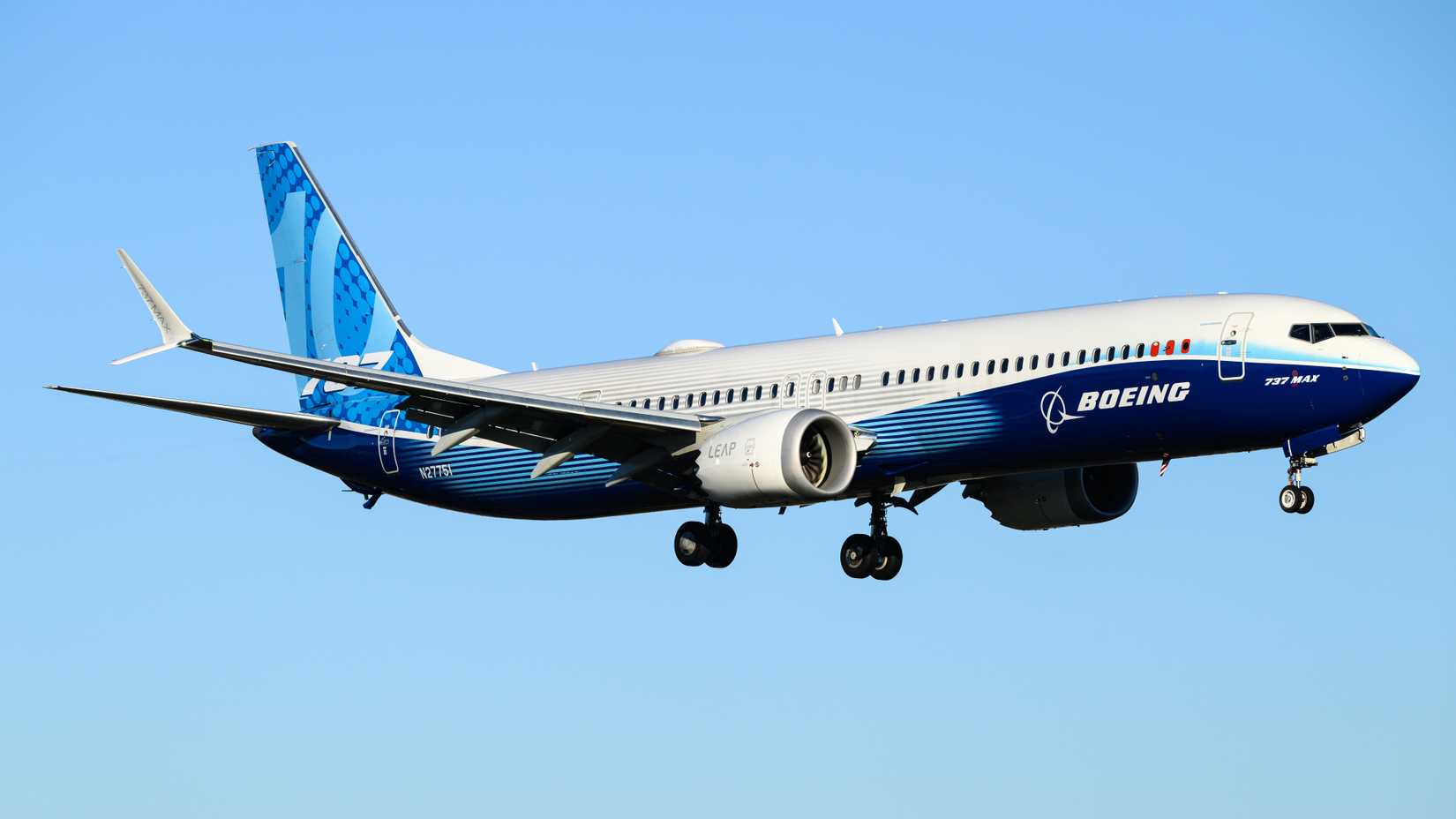
Recently, the FAA announced it had begun its formal review of Boeing’s crew alerting system, covering updated systems required across the entire MAX family after the FAA’s post-crash safety reforms. Boeing’s proposed package will feature a synthetic-enhanced angle-of-attack system and a way for pilots to turn off stall warnings and overspeed alerts in certain scenarios.
This review stems from new Congressional requirements following the October 29, 2018, Lion Air and March 10, 2019, Ethiopian Airlines 737 MAX 8 crashes, which claimed the lives of 346 individuals. In 2022, US lawmakers waived an upcoming deadline requiring the redesign of cockpit alerting systems for the MAX 7 and MAX 10 before certification efforts could begin, as long as Boeing developed enhanced alerting features. Once the FAA approves the updated system, Boeing will have three years to retrofit existing 737 MAX aircraft with the new crew alerting system.
With Boeing’s redesigned alerting system, 737 MAX aircraft will gain a computed third angle of attack (AoA) reference which will aid in detecting faulty sensor data. This addition will help reduce the risk of incorrect sensor data, which contributed to the 737 MAX 8 crashes, where the MCAS system relied on only one angle of attack indicator. Due to incorrect readings from the sole AoA indicator, both aircraft’s MCAS systems forced the nose of the plane down, with the pilots unaware of the cause of the MCAS activation due to insufficient alerting systems and training. With the addition of a third AoA reference, the risk of inadvertent MCAS activation will decrease significantly, further offset by the increased awareness and training surrounding the MCAS system.
Boeing Finishes Anti-Ice Engine System Fix


The 737 MAX 10 recently passed a major milestone in its certification journey, completing a critical fix for the anti-ice engine system that has held up both MAX 7 and MAX 10 certification for years. For years, Boeing has been developing a new engine anti-ice system for the largest and smallest 737 MAX variants. This system is crucial during icing systems as it helps prevent ice buildup inside the engine.
During earlier rounds of testing, Boeing realized that prolonged use of the anti-ice system, which directed heated air into the engine inlet cowl to help prevent ice accumulation, the nacelle could be vulnerable to damage. This is because of the composite design of the nacelle, or the engine casing, which is vulnerable to thermal damage.
For the MAX 10, which has not yet been certified, the anti-ice issue has to be fully resolved before certification. This meant additional engineering work and delays for Boeing before being ready to submit for FAA approval. Boeing has since confirmed that the redesign is complete and is now working with the FAA to obtain approval for that certification plan. 737 MAX variants already in operational service, the 737 MAX 8 and 737 MAX 9, will operate with new in-service limitations before they can be retrofitted with the new system.


Boeing Finishes Redesigned 737 MAX Anti-Ice Engine System
A major step forward for certifying the Boeing 737 MAX 7 and Boeing 737 MAX 10.
Will The 737 MAX 10 Be Delayed Further?
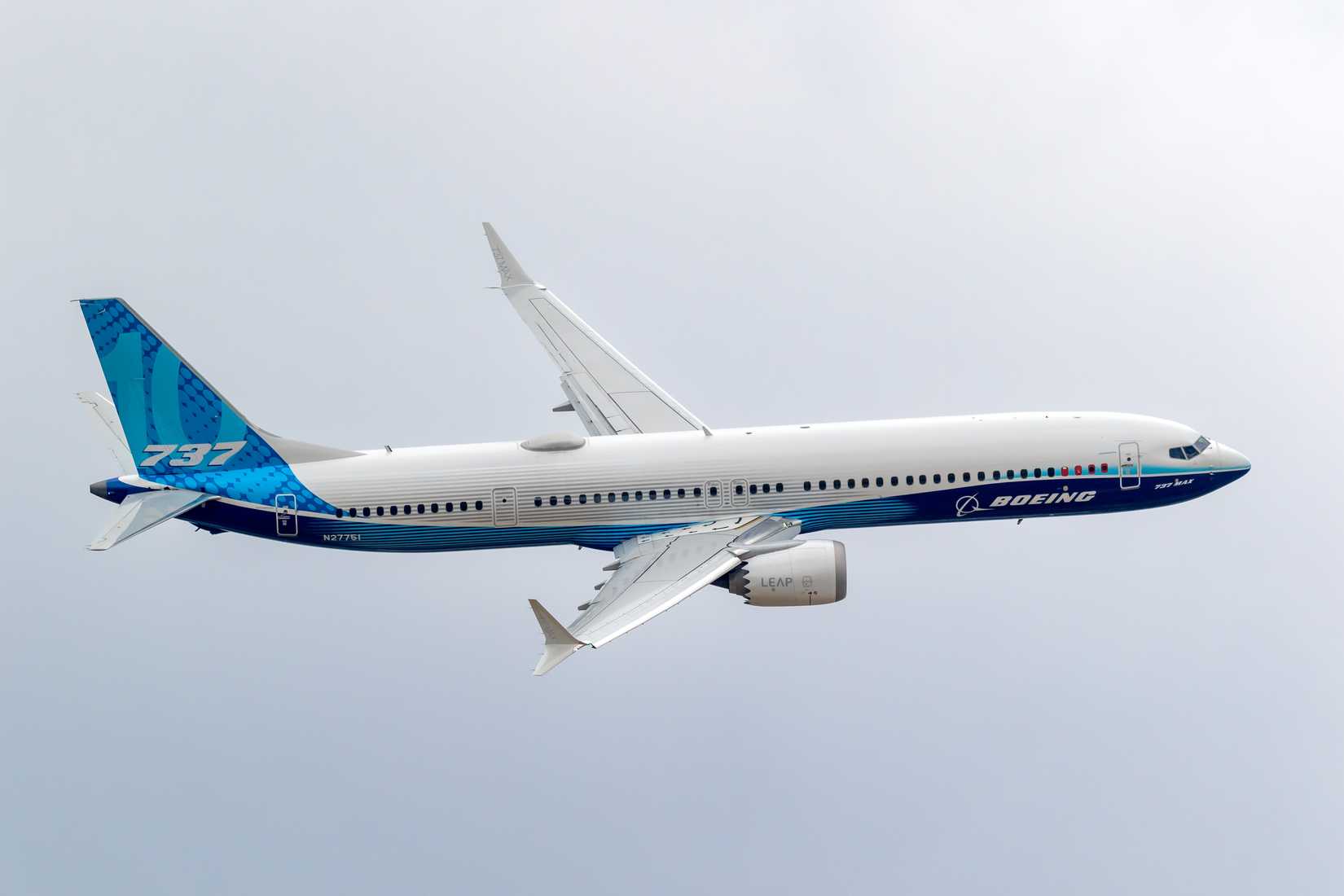
Whether the 737 MAX 10 will face additional delays remains one of the biggest questions for Boeing and its customers. Officially, Boeing and the FAA have avoided committing to a specific certification date, instead emphasizing their close relationship in safely working towards meeting all certification requirements. Previously, however, expected certification was slated for the end of 2025, with industry experts expecting that date to be pushed well into 2026 and possibly even 2027.
The risk of further delays stems from several factors, including the latest crew alerting system review. While Boeing remains hopeful that their system update will satisfy all FAA and congressional requirements, it may require further testing or refinements, which could push the MAX 10 certification even further back. In addition, all remaining tests must continue to go well. Boeing currently has two 737 MAX 10 test aircraft, which conduct flight tests routinely, with the most recent test flight happening on December 16, 2025, by a MAX 10 registered as N27751.
How Certification Delays Are Affecting Boeing’s Production Plans

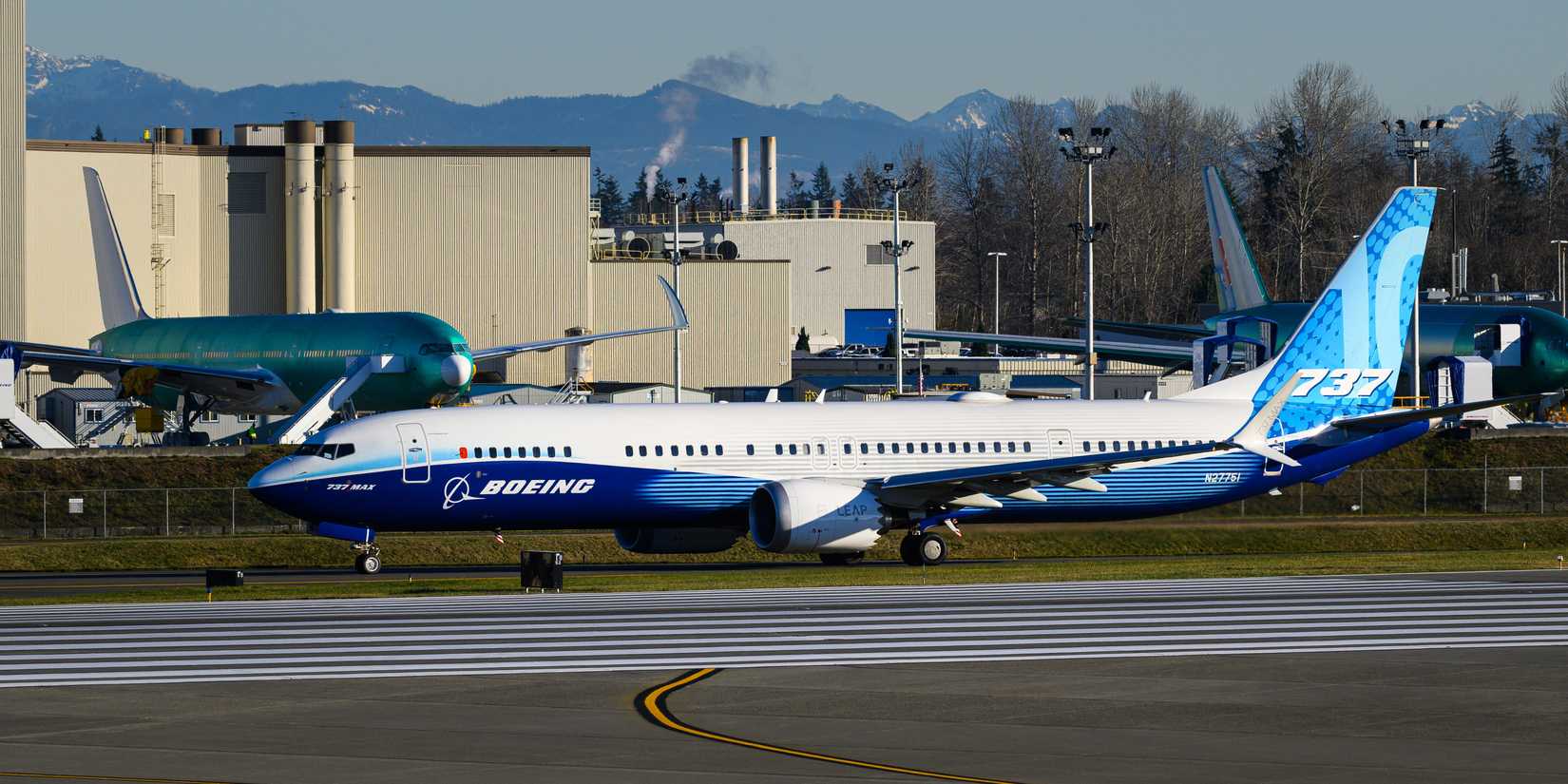
Boeing is no stranger to delayed aircraft service entries, currently awaiting certification for three of its new aircraft types, the 737 MAX 7, 737 MAX 10 and 777X. However, the continued delays in the certification process have direct impacts on Boeing’s production strategy. Since there is no set date for certification, Boeing must continue to play a guessing game when it comes to 737 MAX 10 production.
In July, during Boeing’s Q2 2025 earnings call, Kelly Ortberg, CEO of Boeing, confirmed the 737 MAX 10 would be produced exclusively at the manufacturer’s Everett, Washington facility. The production in Everett, which sits about 20 minutes north of Seattle, contrasts with the manufacturing location of the other 737 MAX models, which are currently being produced in Renton, Washington. In addition, the 737 MAX 10 will take over the former 747 final assembly line, converting the North Line in Everett into the MAX 10 final assembly location, marking the first time a narrowbody aircraft will be assembled at the Everett site.
Like the 777X, Boeing has already begun limited production of the 737 MAX 10, with data from planespotters.net indicating a total of 16 MAX 10 aircraft have already been produced, including the two test aircraft. These aircraft, which are all expected to be delivered to United Airlines, allow Boeing to avoid further delivery delays upon certification. While the 737 MAX 10 hasn’t yet been certified, since the aircraft is almost at the end of the certification process, large design changes are highly unlikely. With aircraft already on hand, Boeing can make minor adjustments quickly before delivering the already delayed aircraft to awaiting customers.

New Certification Hurdle: Will This Alert Review Delay the 737 MAX 10 Again?
Boeing’s updated alerting system faces a critical test as the FAA steps in. Will it pass muster?
What Airlines Are Waiting For The 737 MAX 10?
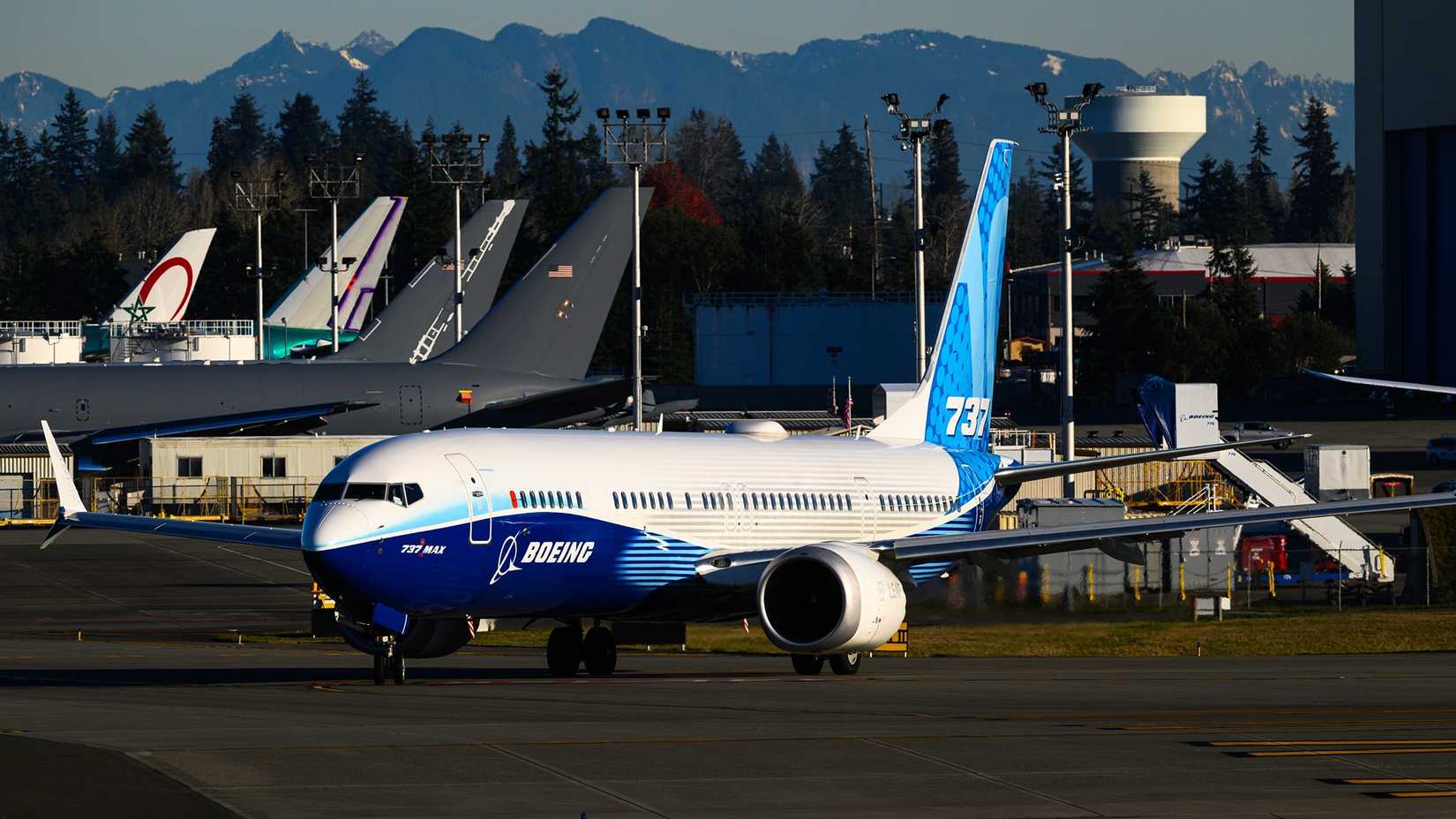
Despite its delayed certification, the 737 MAX 10 has attracted strong interest from airlines seeking a high-capacity narrowbody aircraft. With a typical two-class seating capacity of 188 to 204 passengers and a one-class maximum of 230 passengers, rivaling the A321neo, the 737 MAX 10 is already a favorite for operating high-density medium-haul routes.
Three of the two largest 737 MAX 10 customers are Delta, United, and American Airlines, all of whom have orders for well over 100 aircraft each. For all three carriers, the MAX 10 is expected to take over high-density premium transcontinental routes, in many cases replacing the Boeing 757 for Delta and United. United in particular planned to announce a lie-flat first class option on its MAX 10s, allowing it to compete with widebody offerings on flights like New York to Los Angeles. However, due to continued delays, the airline does not expect the MAX 10 to be delivered until at least 2028, and has even told Boeing to stop producing aircraft for them.
In addition to Delta and United, many other airlines are eagerly awaiting the MAX 10, which will offer the best per-seat economics of any narrowbody aircraft. Ultra-low-cost carrier Ryanair has 300 MAX 10s on order, 150 firm and 150 options, and will fit 228 seats on its new 737s. 

737 MAX 7 Certification Optimism

While most of the attention has been on the largest of the 737 MAX family, the 737 MAX 7 has also faced ongoing delays related to certification. However, 
Once the MAX 7 is certified, Southwest will become the launch operator. The Dallas-based carrier has over 90% of the orders for the smallest MAX variant, and plans to use the aircraft as part of its fleet renewal, replacing some of its over 310 737-700s.
With certification for the MAX 7 expected within the next year, Boeing and airline customers remain hopeful that it is a positive sign for the MAX 10. Certification for the 737 MAX 7 would signal that Boeing and the FAA have found a workable path forward under the new certification guidelines and could mark the beginning of the final phase of a long and challenging journey for the MAX 10.
source