


For many pilots, whether they are just starting out or long-established in their careers, it begins with a passion for airplanes and a desire to fly. Turning that passion into a profession requires years of training, technical skill, and the ability to operate a complex aircraft in constantly changing conditions. The role carries a high level of responsibility and demands both precision and resilience.
These qualities are recognized across the global aviation industry, but pay and career progression can vary depending on the airline, the type of operation, and the region. In North America, and particularly in the United States, the combination of strong market demand, established pay agreements, and an ongoing need for experienced crews has created some of the most competitive pilot salaries worldwide.
Major US Airline Pilots Take Home Some Of The Highest Salaries In The Industry

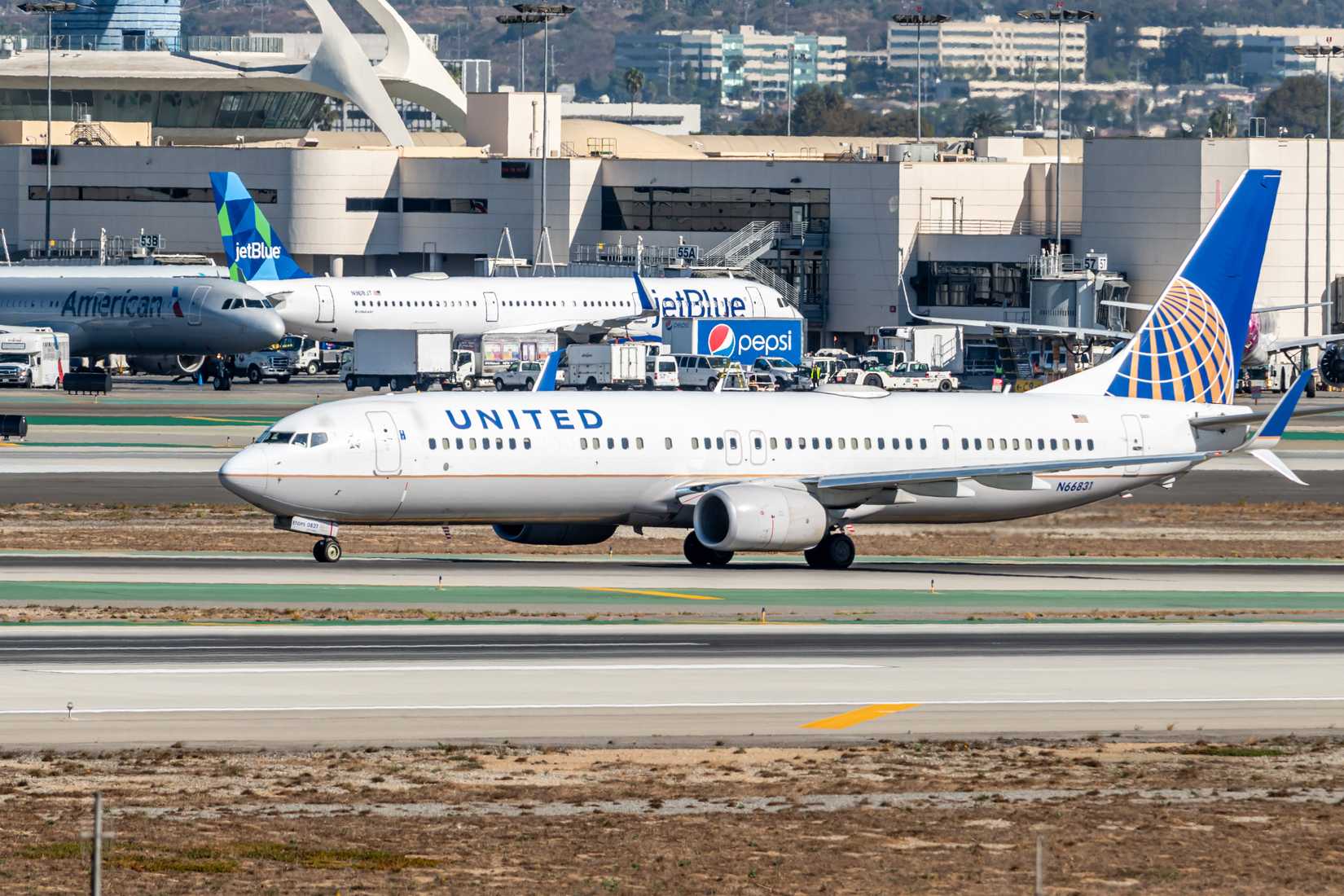
According to the US Bureau of Labor Statistics (BLS), the average salary for airline and commercial pilots in the United States in 2025 is around $160,970 per year, or roughly $77 an hour. This covers a broad group, including passenger airline pilots as well as those flying cargo, charter, and other commercial operations.
Within the airline sector specifically, which includes captains, copilots, and flight engineers at passenger carriers, the pay picture is notably higher. The BLS lists the median annual wage for this group at $226,600 as of 2024, a $10,000 increase from the previous year (a 12% rise in just 12 months). It is worth noting that pay varies considerably depending on the airline, the aircraft, and the position.
For instance, senior captains on long-haul international services in widebody aircraft can earn more than $200,000 annually, while entry-level roles may start at around $35,000–$60,000. Mid-level positions at regional airlines typically range from $55,000 to $100,000. In short, while the typical US pilot salary sits well above the national average for all occupations, actual earnings depend on several key factors.
Multiple Factors Influence How Much A Pilot Earns


One of the major factors is a pilot’s experience. Just like in any other career, more experienced pilots generally move up the seniority ladder and gain access to higher pay scales, preferred schedules, and more desirable routes. In aviation, experience is measured primarily in flight hours, and these hours directly influence both pay and opportunities.
Airline pilots typically do not receive a fixed annual salary in the traditional sense. Instead, they are paid per flight hour, meaning pay starts when the aircraft is running and stops when it reaches the destination gate. A pilot’s monthly earnings are calculated by multiplying the number of flight hours by their hourly rate. For instance, the first-year pay rate for a first officer is $90 per hour. If that pilot flies 84 hours in a month, he will earn $7,560.
Federal regulations limit airline pilots to a maximum of 1,000 flight hours per year, so total earnings depend heavily on hourly rates and monthly schedules. At most airlines, these rates are set in advance through union contracts, and they typically increase each year a pilot serves in the same role at that carrier. So, senior captains with decades of service earn significantly higher hourly rates than new first officers.
|
Major & Regional Airlines First Officer Salaries (Current As Of 2024) |
|||
|---|---|---|---|
|
Airline |
Aircraft |
1 Year |
5 Years |
|
American Airlines |
Boeing 737 |
$109,000 |
$206,000 |
|
Delta Airlines |
Airbus A320 |
$109,000 |
$205,000 |
|
United Airlines |
Boeing 737 |
$111,000 |
$209,000 |
|
Southwest Airlines |
Boeing 737 |
$75,600 |
$147,600 |
|
JetBlue Airlines |
Airbus A320 |
$84,600 |
$149,400 |
|
Endeavor Air |
Bombardier CRJ200 |
$101,000 |
$111,000 |
|
Envoy Air |
Bombardier CRJ700 |
$93,000 |
$111,000 |
|
Piedmont Airlines |
Embraer ERJ 145 |
$90,000 |
$111,000 |
|
SkyWest Airlines |
Bombardier CRJ200 |
$90,000 |
$99,000 |
Aircraft type is another decisive factor. Larger, long-haul aircraft generally command higher pay than smaller, short-haul types. In 2022, for instance, an American Airlines 737 first officer with three years’ experience earned $161 per hour, while a 777 first officer with the same tenure earned $198 per hour, according to Thrust Flight. Since aircraft and schedule choices are awarded based on seniority, pilots with more years at the company have the advantage of bidding for higher-paying widebody assignments.
The type of airline also plays a major role. Regional carriers, where many new commercial pilots begin, usually offer lower pay and fewer benefits compared to major airlines or large cargo operators. Additionally, base location, union agreements, and whether a pilot entered the profession through civilian training or a military pathway can also influence pay.

In addition to pay, pilots also receive other benefits that can add considerably to their overall income. Per diem allowances are one example, which are paid for every hour a pilot is away from base to cover meals and incidental expenses. Depending on the airline, this can range from about $1.50 to over $3 an hour and can add hundreds of dollars each year. Pilots may also receive extra pay for international flights or working on holidays, as well as premium rates for last-minute schedule changes.
Besides this, airlines typically cover hotel accommodations, transport to and from the airport, and meal allowances during layovers. Many carriers also offer free or heavily discounted flights for pilots and their immediate families, and sometimes to a select number of friends. Beyond these day-to-day benefits, most airlines provide comprehensive benefits packages that include health, dental, and vision insurance, generous paid time off, and 401(k) retirement plans with substantial company contributions.
|
Regional Airlines Bonus Benefits (As of 2024) |
|
|---|---|
|
Airline |
Benefits |
|
Endeavor Air |
$10,000 training completion bonus |
|
Envoy Air |
More than $150,000 in their bonus package, which includes:
|
|
Horizon Airlines |
$12,500 stipend to private pilots under the pilot development program, Hiring bonus of $5,000 – $17.500, Up to $50,000 in bonuses for experienced pilots |
|
Mesa Airlines |
$20,000 sign-on bonus for all new hires, An additional $10,000 for all simulator instructor positions |
Additionally, bonuses have also become a key feature of pilot compensation in recent years, particularly at regional airlines facing recruitment challenges. According to Thrust Flight, based on 2024 figures, Endeavor air offers a $10,000 training completion bonus. Envoy Air, which is an American Airlines affiliate, also has bonus packages exceeding $150,000 for eligible recruits. This includes a $15,000 signing bonus for all new pilots and a $30,000 bonus for those who upgrade to captains.
The carrier also offers $10,000 for near-captain entry, a $7,500 type rating bonus, and a $15,000 bonus for direct entry captains. Meanwhile, at the larger carriers, profit-sharing programs are common, which sometimes result in payouts worth tens of thousands of dollars in strong financial years. Taken together, these benefits add substantial value to a pilot’s compensation package beyond the hourly rate.
Some Overseas Markets Offer Packages That Rival Or Exceed US Pay

Indeed, US-based pilots enjoy some of the highest-paying compensation packages in the world, but pay structures and earning potential can look very different in other regions. In Europe, for example, according to Flight Thrust, the average salary for an airline pilot is around $92,000 (approx. €84,000) per year, which is well below the typical US figure.
In China, however, experienced flight crews can earn between $300,000 and $500,000 annually due to strong demand and rapid market growth. This makes China one of the most lucrative markets for airline pilots, especially for senior pilots, as their packages often surpass US compensation.
Elsewhere, in the Middle East, annual pay generally falls in the $100,000–$200,000 range, but packages frequently include tax-free income and housing allowances, which can make total compensation highly competitive despite a lower base. In the broader Asia-Pacific region, the median airline pilot salary is around $100,000, with carriers such as 

In Australia, median pay sits near $80,000 (AU$120,000), with senior pilots at major carriers like Qantas earning toward the higher end of that range. Overall, US airline pilots generally see higher base pay, while several international markets offer competitive total packages through tax advantages, housing, or rapid progression for in-demand, highly experienced crews.
The Pilot Job Market Is Set For Sustained Growth Through 2033

Furthermore, the future job market for pilots is looking strong, and demand is expected to remain high over the next decade. Global air travel demand continues to rise, and airlines are steadily expanding their fleets to meet this growth. This expansion will require more flight crews.
Data from the BLS shows that airline and commercial pilot employment is projected to grow by about 5% from 2023 to 2033, adding roughly 18,500 openings each year. Most of these will come from replacing pilots who retire or leave the profession. Even Boeing’s Pilot and Technician Outlook 2025–2044 indicates that long-term demand for newly qualified personnel remains strong, with 660,000 new pilots needed worldwide over the next 20 years to operate the global commercial fleet.
At the same time, the industry is already facing a pilot shortage that is expected to last for years. Boeing’s outlook notes that retirements will remain a major factor in the shortage over the next 10 years. Combined with strong long-term demand, this imbalance is likely to keep salaries on an upward trajectory, particularly for those with experience or specialized qualifications.
The Bottom Line On Pilot Pay & Career Outlook

For those considering a career in the cockpit, the outlook combines strong hiring demand with solid earning potential. Airlines are expected to keep offering competitive packages and improving benefits to attract and retain flight crews, particularly as competition for experienced pilots intensifies.
In recent years, both major and regional carriers have adjusted contracts multiple times in response to market conditions, and some are offering incentives well beyond base salary to secure talent quickly. Industry analysts note that future pay scales may also reflect broader shifts in airline strategy.
But, on average, US airline pilots remain among the highest paid in the world, with major carriers regularly offering six-figure salaries and additional earnings through per diem, bonuses, and profit-sharing. With long-term projections pointing to hundreds of thousands of new pilots needed globally, the profession is positioned to remain both stable and financially attractive.
source