

Close Menu
FlyMarshallFlyMarshall
  • Aviation
    • AeroTime
    • Airways Magazine
    • Simple Flying
  • Corporate
    • AINonline
    • Corporate Jet Investor
  • Cargo
    • Air Cargo News
    • Cargo Facts
  • Military
    • The Aviationist
  • Defense
  • OEMs
    • Airbus RSS Directory
  • Regulators
    • EASA
    • USAF RSS Directory
What's Hot

US watchdog finds FAA lacks resources to oversee United’s maintenance risks

February 20, 2026

US surges airpower to Middle East as Iran tensions simmer

February 20, 2026

ANN’s Daily Aero-Term (02.17.26): Back-Taxi

February 20, 2026
Facebook X (Twitter) Instagram
Demo
  • Aviation
    • AeroTime
    • Airways Magazine
    • Simple Flying
  • Corporate
    • AINonline
    • Corporate Jet Investor
  • Cargo
    • Air Cargo News
    • Cargo Facts
  • Military
    • The Aviationist
  • Defense
  • OEMs
    • Airbus RSS Directory
  • Regulators
    • EASA
    • USAF RSS Directory
Facebook X (Twitter) Instagram
Demo
Home » What Is a Thread-Cutting Tap and How Does It Work?
Airbus RSS Directory

What Is a Thread-Cutting Tap and How Does It Work?

FlyMarshall NewsroomBy FlyMarshall NewsroomFebruary 20, 2026No Comments3 Mins Read
Share
Facebook Twitter LinkedIn Pinterest Email
Publish Date: February 20, 2026 | Category: Products


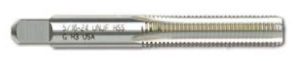
Thread-cutting tap by Monroe

When using machine screws in hard materials like metal, you’ll typically need to tap the threads. Doing so allows for tight tolerances between the screw and the material. The screw’s external threads will closely match and align with the material’s internal threads, ensuring a strong hold. A thread-cutting tap is an essential tool used in this process.

Overview of Thread-Cutting Taps

Thread-cutting taps are mechanical devices used to cut internal threads in materials. They typically consist of several parts, including a shank, cutting edges, chamfer and flutes.

The shank is the smooth section on one end that connects to a tap wrench or machine. The cutting edges are the sharp exterior threads that cut into materials to create internal threads. The chamfer is the tapered section at the opposite end of the shank that guides the tap. Finally, the flutes are vertical channels that move and displace waste material in the form of chips.

You can find thread-cutting taps in different material, some of the most common being aluminum and steel. Aluminum taps are less expensive, but steel taps are stronger and able to cut through harder materials.

How Thread-Cutting Taps Work

Thread-cutting taps work by cutting precise helical ridges or “threads” while simultaneously removing chips. They are designed for use with a tap wrench or machine. After drilling a hole, you can place the thread-cutting tap over the hole and turn it clockwise. As it rotates, the cutting edges will create internal threads while the flutes transport chips to the surface of the hole.

Keep in mind that thread-cutting taps aren’t the same as thread-forming taps. Thread-forming taps are designed to create internal threads by compressing material. They push the material outward to create internal threads. Thread-cutting taps, on the other hand, create internal threads by cutting and removing material.

Different Types of Thread-Cutting Taps

While they are all used to create internal threads by displacing chips, there are different types of thread-cutting taps. Taper taps, for instance, have the longest chamfer. Typically consisting of seven to 10 chamfer threads, they are easy to use and minimize the risk of cross-threading. Plug taps are characterized by a shorter chamfer of three to five threads. They are versatile and used in many applications. Bottoming taps have the shortest chamfer with just one or two threads. They are able to cut very deep threads.

source

FlyMarshall Newsroom
  • Website

Related Posts

How Anti-Seize Lube Works for Airplane Spark Plugs

February 18, 2026

The Beginner’s Guide to Snap Rings

February 16, 2026

Why Do Jet Engines Sound Different During Takeoffs and Landings?

February 13, 2026

Thread-Cutting vs Thread-Rolling Screws: What’s the Difference?

February 11, 2026
Add A Comment
Leave A Reply Cancel Reply

Latest Posts

US watchdog finds FAA lacks resources to oversee United’s maintenance risks

February 20, 2026

US surges airpower to Middle East as Iran tensions simmer

February 20, 2026

ANN’s Daily Aero-Term (02.17.26): Back-Taxi

February 20, 2026

Aero-News: Quote of the Day (02.17.26)

February 20, 2026

Subscribe to Updates

Please enable JavaScript in your browser to complete this form.
Loading
About Us

Welcome to FlyMarshall — where information meets altitude. We believe aviation isn’t just about aircraft and routes; it’s about stories in flight, innovations that propel us forward, and the people who make the skies safer, smarter, and more connected.


Useful Links
  • Business / Corporate Aviation
  • Cargo
  • Commercial Aviation
  • Defense News (Air)
  • Military / Defense Aviation
Quick Links
  • About Us
  • Contact Us
  • Disclaimer
  • Privacy Policy
  • Terms and Conditions

Subscribe to Updates

Please enable JavaScript in your browser to complete this form.
Loading
Copyright © 2026 Flymarshall.All Right Reserved
  • About Us
  • Contact Us
  • Disclaimer
  • Privacy Policy
  • Terms and Conditions

Type above and press Enter to search. Press Esc to cancel.

Go to mobile version