


Once passengers start to board the aircraft, the flight attendants will greet passengers, check their tickets and point them towards their seat. However, there is more going on than meets the eye. In those few seconds, the flight attendants are carefully observing each passenger for any visual clues. So, what do flight attendants notice first about passengers when boarding a flight?
After boarding, there are flight attendants stationed in the cabin to guide you to your seat and help with baggage, but once again, they are not just being polite but are screening each passenger. They are looking for anything that might be a threat or a risk to a safe and efficient flight. Passengers are evaluated carefully, for safety and security reasons.
The Disruptive Passenger

In recent years, we’ve seen the rise of disruptive passengers on almost a daily basis. So, flight attendants will most definitely be on the lookout for anyone who may later become disruptive. For example, someone who has had too much to drink or seems intoxicated in some way. There might be two family members arguing or someone with anger issues. Obviously, this needs to be nipped in the bud before take off, as we don’t want issues later into the flight. If someone is already acting aggressively in the cabin, when the aircraft is still at the stand, we can have them removed from the flight, after all, all crew want a safe and pleasant flight.
The intention is always to stop the problem before it starts, as later on, this could end in passengers or crew getting injured and ultimately diverting the aircraft to the nearest available airport and having the disruptive passenger offloaded to security forces. Disruptive passengers are a threat to the safety of the flight and they become an inconvenience to all onboard. The first action a flight attendant will take is to try and de-escalate the issue. Passengers can be restrained by flight attendants and if necessary, with passenger’s help. They will be given a warning, and the captain informed immediately. If the behavior continues, they will be restrained by whatever means necessary, and the aircraft will be diverted for safety reasons.
Disruptive or unruly passengers are unfortunately still on the rise. In 2024, there were over 2,100 cases of disruptive or unruly passengers reported by US airlines, and the Irish Aviation Authority recorded 1,432 ‘events’ compared to 426 the previous year, according to RTE. Meanwhile, Switzerland’s Federal Office of Civil Aviation reported 1,730 cases in the same year. Authorities like the Federal Aviation Administration ( FAA) are responding to this by fining passengers and having them pay diversion costs of anywhere between $15,000 and $100,000. Bans from flying with the airline again are also likely.

Flight attendants are always aware of passengers who may need extra help during the flight but also should an emergency evacuation occur. This may include the elderly, a passenger with reduced mobility (PRM) or passengers with babies or very young children. They may need extra help during the boarding and disembarkation process as well as during the flight. This would include the visually or audibly impaired or wheelchair users.
During the boarding process, the flight attendants will also watch for anyone who has signs of illness. Although they are fully trained to deal with medical emergencies onboard, it’s something that no one wants to happen. It is estimated that one in every 212 flights there will a medical emergency, according to the National Institute of Health. Of these, diversion occurred in 1.7% of cases due to neurological or cardiovascular conditions and 0.4% resulted in death onboard.
Flight attendants will also look out for nervous flyers, which can be quite common. A nervous flyer should never be afraid to ask for help. They may be moved to the center of the aircraft, where it is less turbulent and a flight attendant may have them seated near a crew member who can talk through the sounds and movements of the aircraft.

Disrupt A Flight? Pay The Price: France Enforces Huge New Fines
EASA logs between 200 and 500 unruly passenger-related incidents every month.
Able-Bodied Passengers In Emergencies
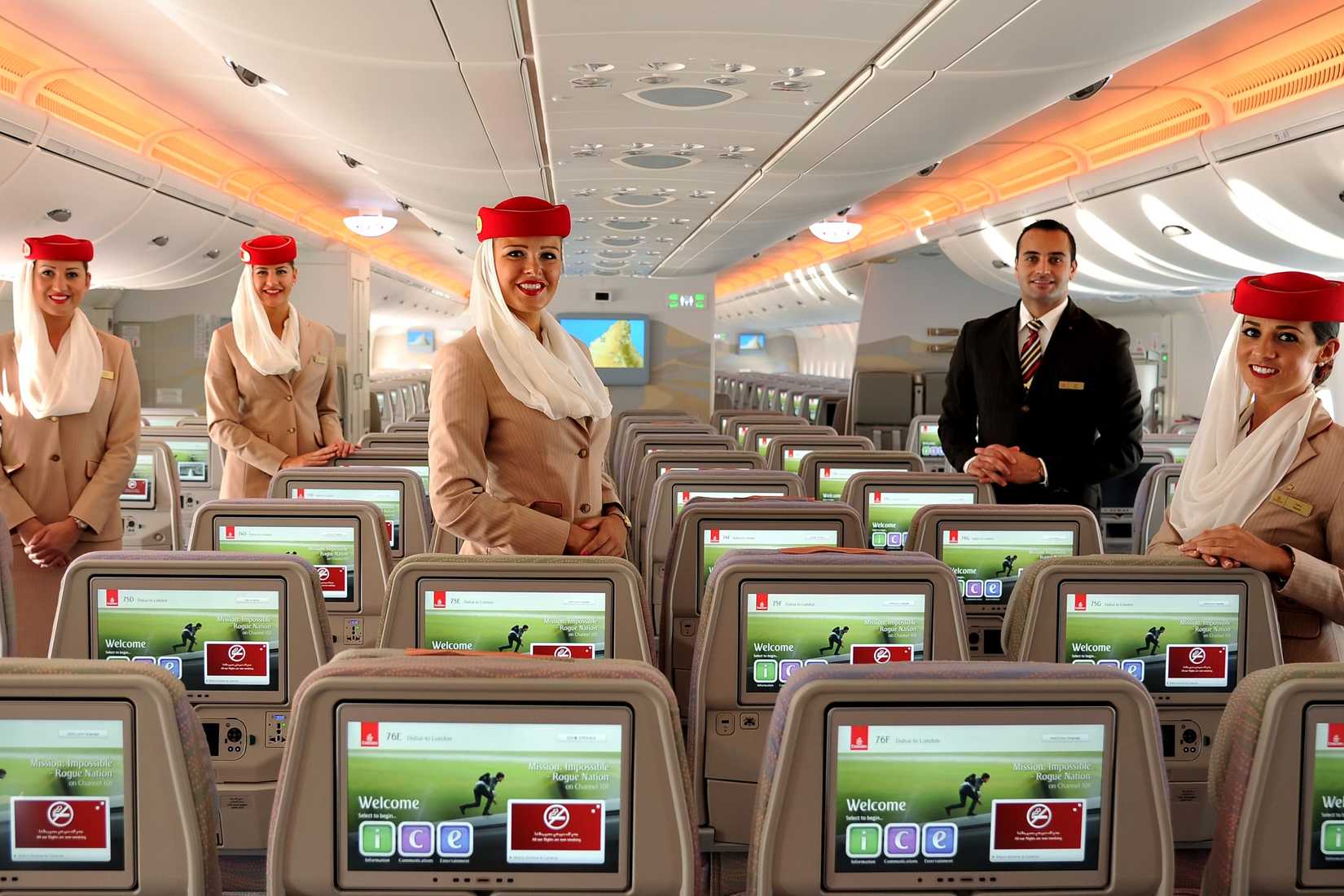
Whilst boarding, flight attendants are also looking for able-bodied passengers (ABPs) who may help in an emergency. These are usually people of a certain build and fitness without any physical restrictions. They must speak English and be willing to carry out instructions from the crew. They may be tasked with things like operating an emergency exit, helping people at the end of the slide, holding the slide if it deflates, and moving people away from the aircraft.
There are strict restrictions on who can sit in an emergency exit row and the ground staff usually allocate seats accordingly, but sometimes may make a mistake, and we will move the passenger. Most airlines will ask the flight attendants to brief the passengers in the exit row on how to operate the exit in an emergency, check that they understand, and ask if they are willing to do so. If they do not agree, we need to move the passenger to another seat.
The passenger information list can also give us some useful clues in finding ABPs and those willing to help in an emergency situation. For example, doctors are usually noted in case of a medical emergency. Off-duty cabin crew and pilots are also noted as they are trained in emergency procedures and know how to evacuate an aircraft. Off-duty pilots have been used before in accidents to help troubleshoot, or land the aircraft and in pilot incapacitation events.
The Appearance Of The Passenger

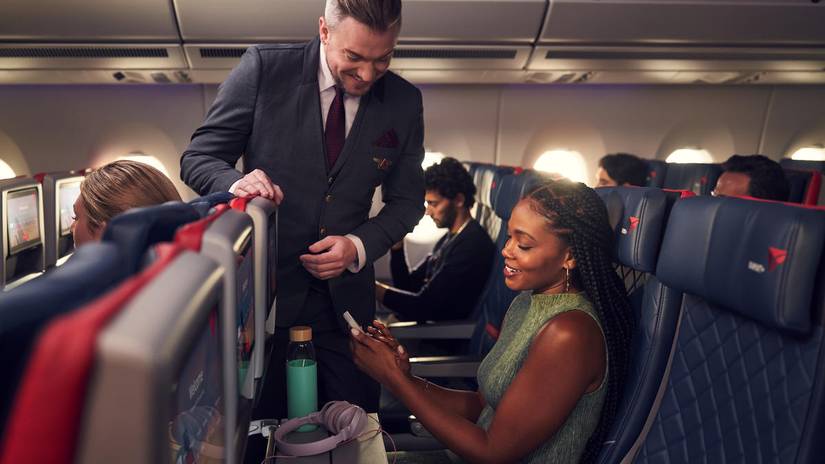
Flight attendants notice passenger appearance, which may sound strange, just as they know that your bag will not fit in the overhead locker. They will look for sharp items and high-heeled shoes in their part of the cabin that may need to be removed in the event of a planned or unplanned emergency. Sharp items may puncture the evacuation slide. They will also note if shoes are taken off and if clothes are suitable during an emergency evacuation. Natural fibers should be worn as polyester is flammable, for example, and shoes should be worn on take-off and landing, so feet are protected from sharp edges and fire.
If a passenger is wearing inappropriate clothing, they may be asked to cover up or be given a blanket. It is just respectful to the crew and other passengers not to wear inappropriate or offensive clothing. Anything with curse words or deemed provocative should be avoided. If it should not be worn at the airport, it should not be worn on an aircraft. Any oversized luggage will be moved to the hold.
Dressing well for a flight can be a bonus. If there are upgrades available in business class or the flight is oversold and they can upgrade, they will choose passengers who are well-dressed. If a passenger is polite and responds to the flight attendant’s welcome and engages, the crew will likely look after them and give extra drinks and snacks. This goes for off-duty pilots and cabin crew too, who may be given a discreet bag to take off the aircraft and enjoy later.
How Do Flight Attendants Deal With Diversions?
Just another part of the job.
Other Safety And Security Issues

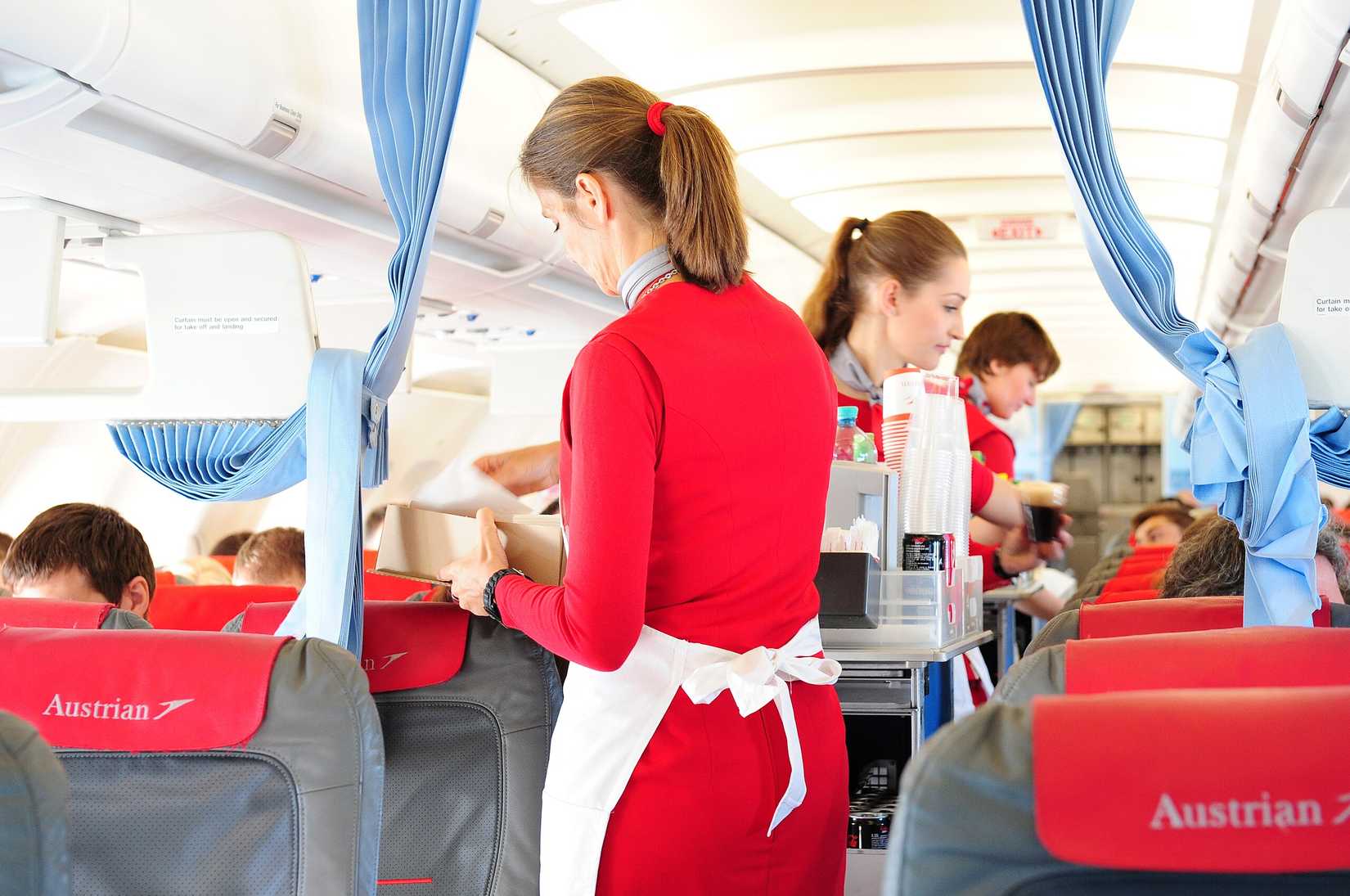
It is often the case that passengers may drink alcohol before a flight or take medication, and flight attendants are aware of this. If someone seems drugged or has drunk too much alcohol, they can be refused boarding. If someone seems drunk during a flight, they can be refused any more alcohol and offered an alternative. Passengers are not allowed to bring their own alcohol onboard to drink during the flight. This is illegal, and the alcohol will be confiscated.
Passengers who act entitled and are rude to the flight attendants will be made a note of. These can be added to the passenger’s information and noted for future flights with the airline, or at the extreme end of the scale, they can be banned from flying with the airline. Flight attendants will notice when people are playing with their phones or wearing headphones during the safety demonstration or talking all the way through it. It is important to know what to do in an emergency and people who do not watch or listen are less likely to know what to do or comply with the crew’s instructions.
Finally, there are special situations that flight attendants are trained to recognize, that may not be noticed until during the flight. This may include ‘mules’ that may be carrying drugs internally or people that travel together who don’t look right, which may mean human trafficking. These are all things that we have to be aware of during flights, and anything suspicious should be reported to the captain, who can arrange assistance on the ground to meet the aircraft.
Safety Is Always First
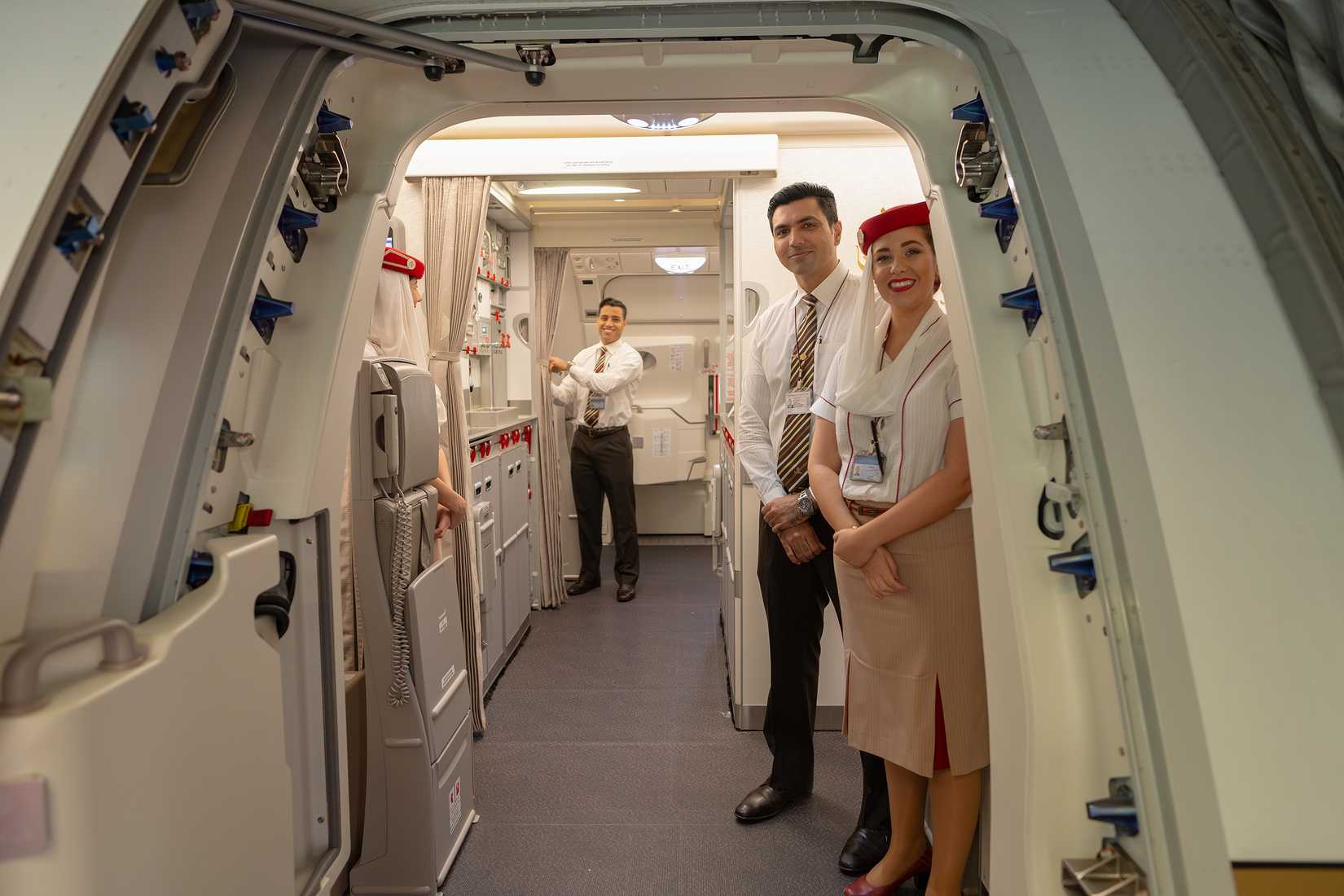
During boarding, flight attendants observe passengers carefully and check that they are on the correct flight. They are also thinking about an efficient boarding process and a safe and on-time flight ahead. At the same time, they are looking for passengers who may need extra assistance during the flight and considering the service logistics.
Flight attendants have to be very observant of passengers during the boarding process to assess any potential issues that could occur during the flight. The aim is to identify the risks before take-off and stop any behavior that might contribute to a safety or security threat during the flight. It requires emotional intelligence, situational awareness, and strong decision-making skills.
Flight attendants are onboard the aircraft primarily for safety and are trained to deal with emergency situations, but preempting situations is important too. When they are greeting you at the door, they have just a few seconds to judge a passenger and gauge whether they will be compliant or not in an emergency, or cause any issue onboard. Indeed, flight attendants are looking out for your safety before the flight has even left the ground.
source