


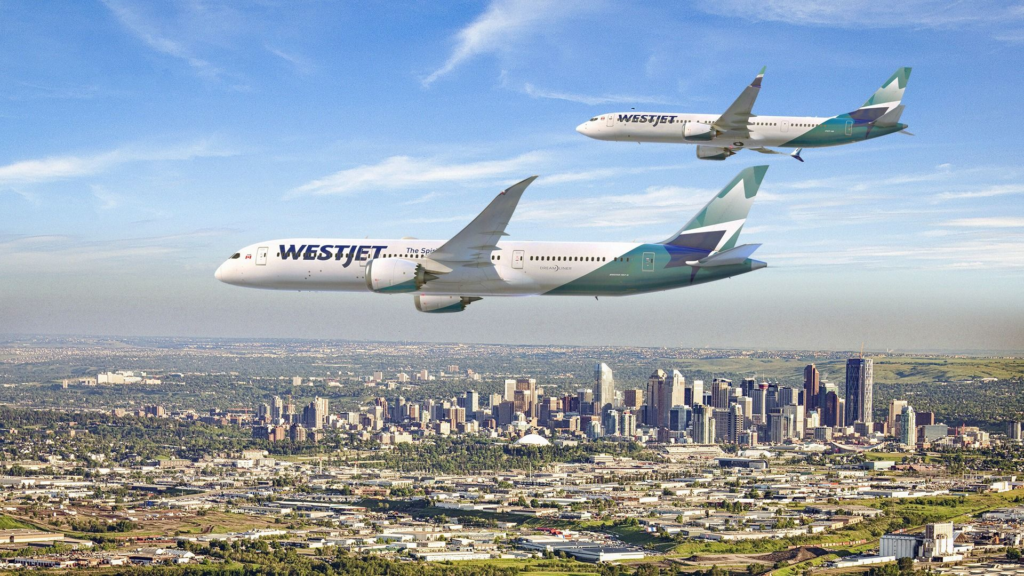
On Tuesday, November 18th, the CEO of Canadian Airline Westjet, Alexis von Hoensbroech told Reuters that the carrier still expects to receive the Boeing 737 MAX 10 by the end of 2026. The long-awaited stretch version of Boeing’s latest and greatest 737 series is past due to enter production.


Looking Upward & Forward


WestJet is confident that Boeing will be able to resolve the final issues that are holding back the last two variants of the 737 MAX family. The jet’s engine anti-ice system was identified as potentially causing engine failures. Boeing claims it has finalized the redesign for the problematic engine parts on the 737 MAX 7 and MAX 10 variants.
Calgary-based WestJet, however, has not lost faith in the American planemaker and firmly expects that its new high-capacity narrowbody airliners will arrive before the end of next year. The airline hopes to make the MAX 10 its main aircraft type, but would consider switching a portion of its order to the smaller MAX 8 if deliveries are further delayed. WestJet CEO Alexis von Hoensbroech told Reuters that:
“We are pretty confident that this is moving forwards and that’s what we also hear from Boeing. (…) The delivery schedule foresees that we will receive our first MAX 10 in Q4 2026.”
A Mountain Of Work

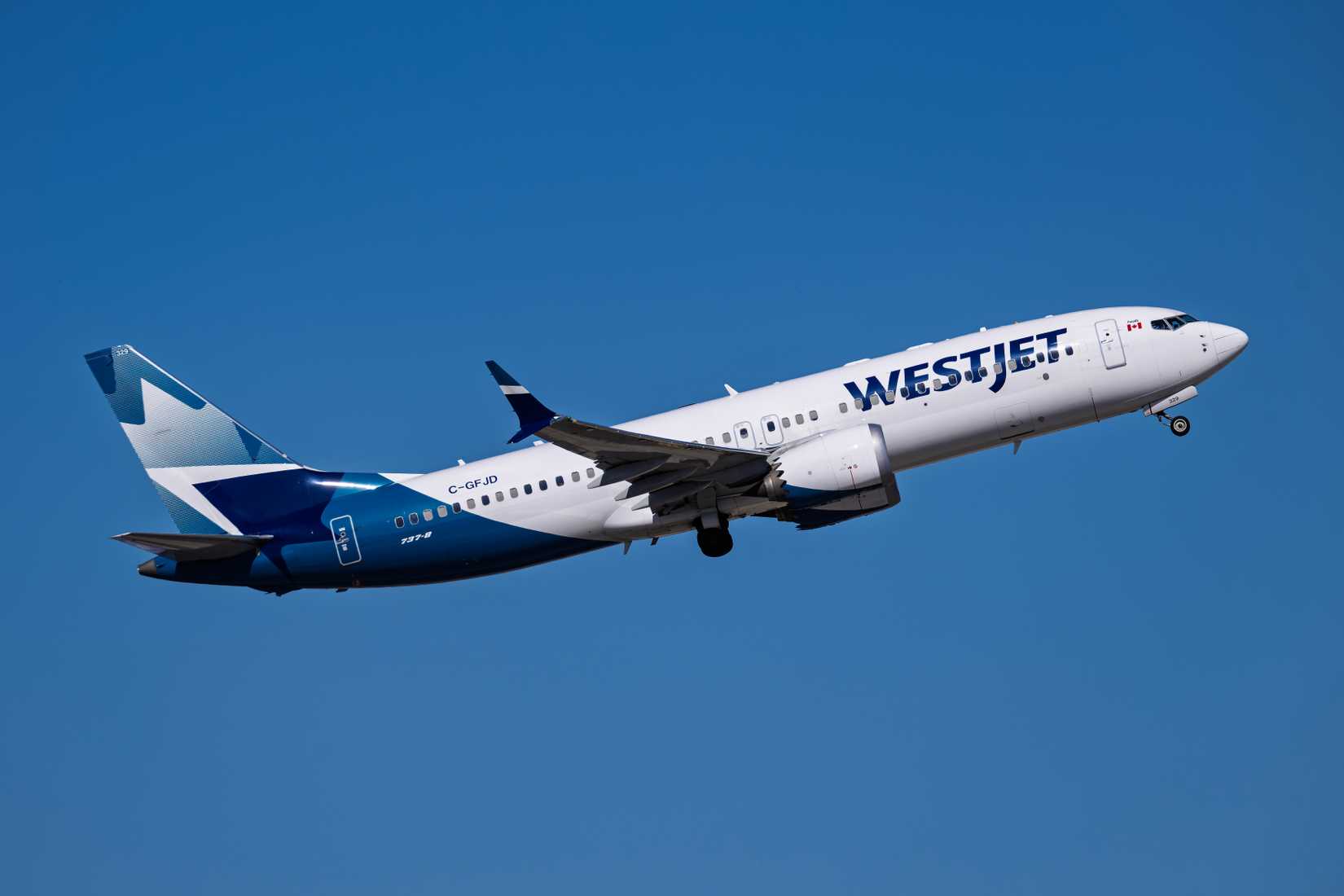
The primary hurdle for the 737 MAX 10 (and indeed the MAX 7) certification is a safety hazard in the engine anti-ice system. The system issue can cause the inner barrel of the CFM International LEAP-1B turbofan engines to heat at the engine inlet. The issue arose during testing phases in certain dry air conditions. A similar issue was reported with some aircraft in service as well. A waiver was granted to the MAX 8 and MAX 9 because they were already in service.
However, the FAA and the US Congress required a permanent fix for the MAX 7 and MAX 10 beforehand. Boeing claims to have completed the redesign, and it is now working through regulatory channels to accomplish certification steps that will finally allow the remaining two variants to enter the production phase. The exact date of when the aircraft will be allowed to enter full-rate production depends on how quickly the FAA can review and approve the new design, as well as how quickly testing can be completed.
Originally, it was hoped that all of this would be completed by the end of 2025, but that was not possible. Boeing recently had a win, as its quota for monthly 737 MAX 8 and MAX 9 production was raised from 38 units to 42 per month. The troubled 737 MAX fleet experienced the longest grounding in commercial aviation history following the two tragic accidents in 2019 that saw a combined total of around 350 passengers and crew perish.
Since then, the company has made systemic changes and has course corrected, even buying the supplier that makes 70% of 737 aerostructures, Spirit Aerosystems. The measures it has taken appear to be getting the company back on track, as the FAA is monitoring the process.


What Will It Take To Certify The Boeing 737 MAX 7 & 10?
The smallest and largest variants of the Boeing 737 MAX family are yet to enter service.
What’s The Worst That Can Happen?

WestJet has an order for 42 MAX 10 jetliners (with options for 22 more) and is set to be the launch operator. The MAX 10s were integral to WestJet’s expansion plans, intended to underpin its growth and reduce fuel costs. These plans are now postponed indefinitely. WestJet has had to seek the leasing market for additional, older aircraft (such as the 737 MAX 8s) to add necessary capacity and mitigate the impact of the delivery delays.
The MAX 10 is the largest variant and is highly anticipated for its ability to improve operations at high-density hubs. WestJet will be unable to leverage this efficiency as planned. Acquiring leased aircraft and extending leases on older jets adds to operational costs, impacting the airline’s financial performance. Should the airline choose to substitute MAX 8 orders for MAX 10 orders, it will have a permanent capacity reduction in exchange for faster modernization.
source