


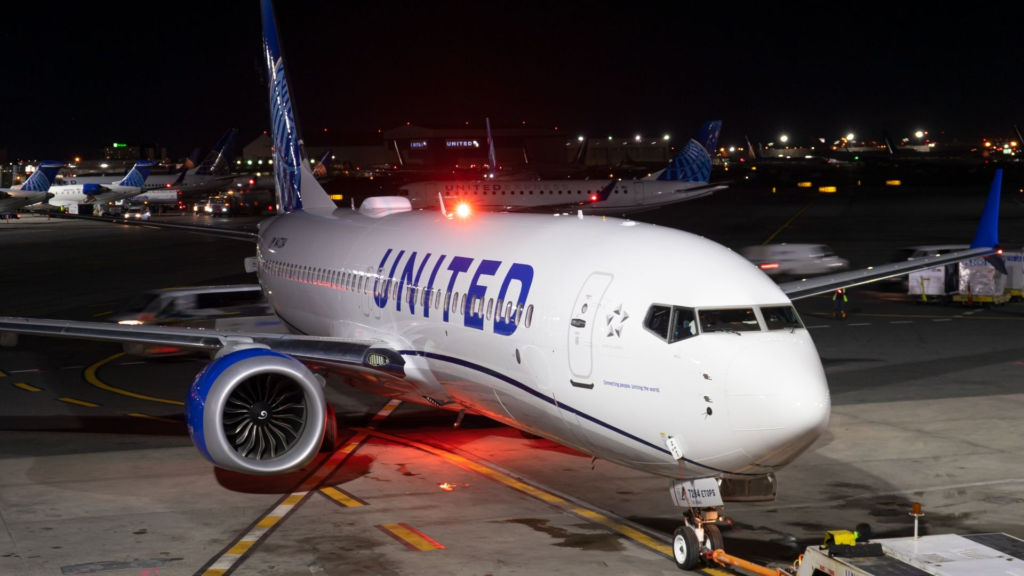
Last week, a United Airlines 

It has now been five days since this alarming incident occurred, during which time the impacted aircraft has flown just once more. During this time, theories have emerged regarding what kind of FOD could have been behind the occurrence that forced the 
WindBorne Systems Believes One Of Its Balloons Hit The United Jet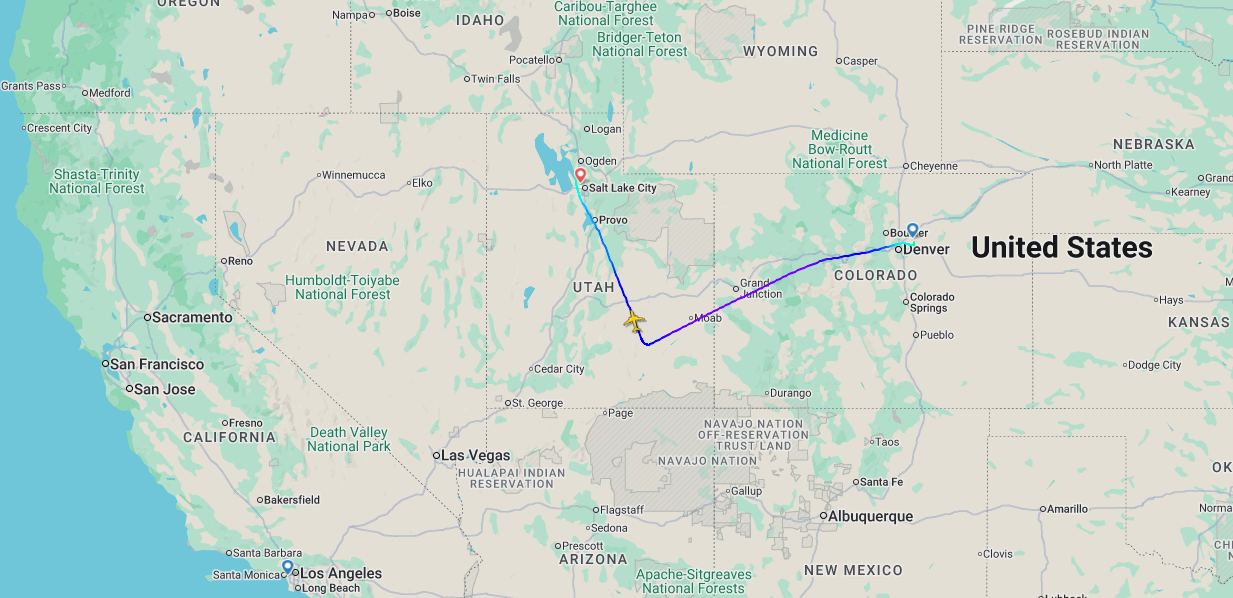

Last Thursday, on October 16, United Airlines flight UA1093 was struck by a then-unknown item of Foreign Object Debris while operating an early-morning service from Denver to Los Angeles. With the aircraft’s windshield cracking and one of the pilots sustaining an injury as a result of the dramatic occurrence, the decision was taken to divert the plane to nearby Salt Lake City, where it later touched down safely.
|
United Airlines Flight UA1093 On October 16 |
||
|---|---|---|
|
Per Flightradar24 |
Departure From Denver |
Arrival |
|
Planned |
06:00 |
07:30 in Los Angeles |
|
Actual |
06:05 |
07:31 in Salt Lake City |
The Boeing 737 MAX 8 operating the flight was cruising at an altitude of approximately 36,000 feet at the time of the FOD strike, leading theories to emerge that a meteorite or space debris may have been what struck the jet’s windshield. However, according to the Aviation Herald, weather balloon provider WindBorne Systems has now come forward and said it thinks it knows what happened. The firm says:
“WindBorne began investigating this incident on Sunday, October 19, and we believe that the Foreign Object Debris was likely a WindBorne balloon. (…) We are working closely with the FAA on this matter.”
Diving Deeper Into WindBorne’s Response


WindBorne Systems shared its statement earlier today, following the submission of its preliminary investigation to the National Transportation Safety Board (NTSB) and the Federal Aviation Administration ( FAA). The company is continuing to work with both bodies as the investigation into the incident continues, both to ascertain what exactly happened and to ensure that such occurrences aren’t repeated.
The use of weather balloons in US airspace is subject to strict operating restrictions, with WindBorne Systems confirming that it has “been coordinating with the FAA for the entire history of the company.” During this time, it has “conducted more than 4,000 launches,” and it continues to issue a Notice To Airmen (NOTAM) every time that it launches one of its balloons, which weigh 2.4 pounds (1.1 kg).
WindBorne Systems says that its weather balloons, which also lose weight during the course of their flight, are “designed to be safe in the event of a midair collision.” However, given the high speed at which the United Airlines Boeing 737 MAX 8 would have been traveling at the time of its impact, the extent of the damage is understandable. As a result, the balloon company has taken various reactionary steps.
WindBorne Systems Has Already Made Changes Following The Incident

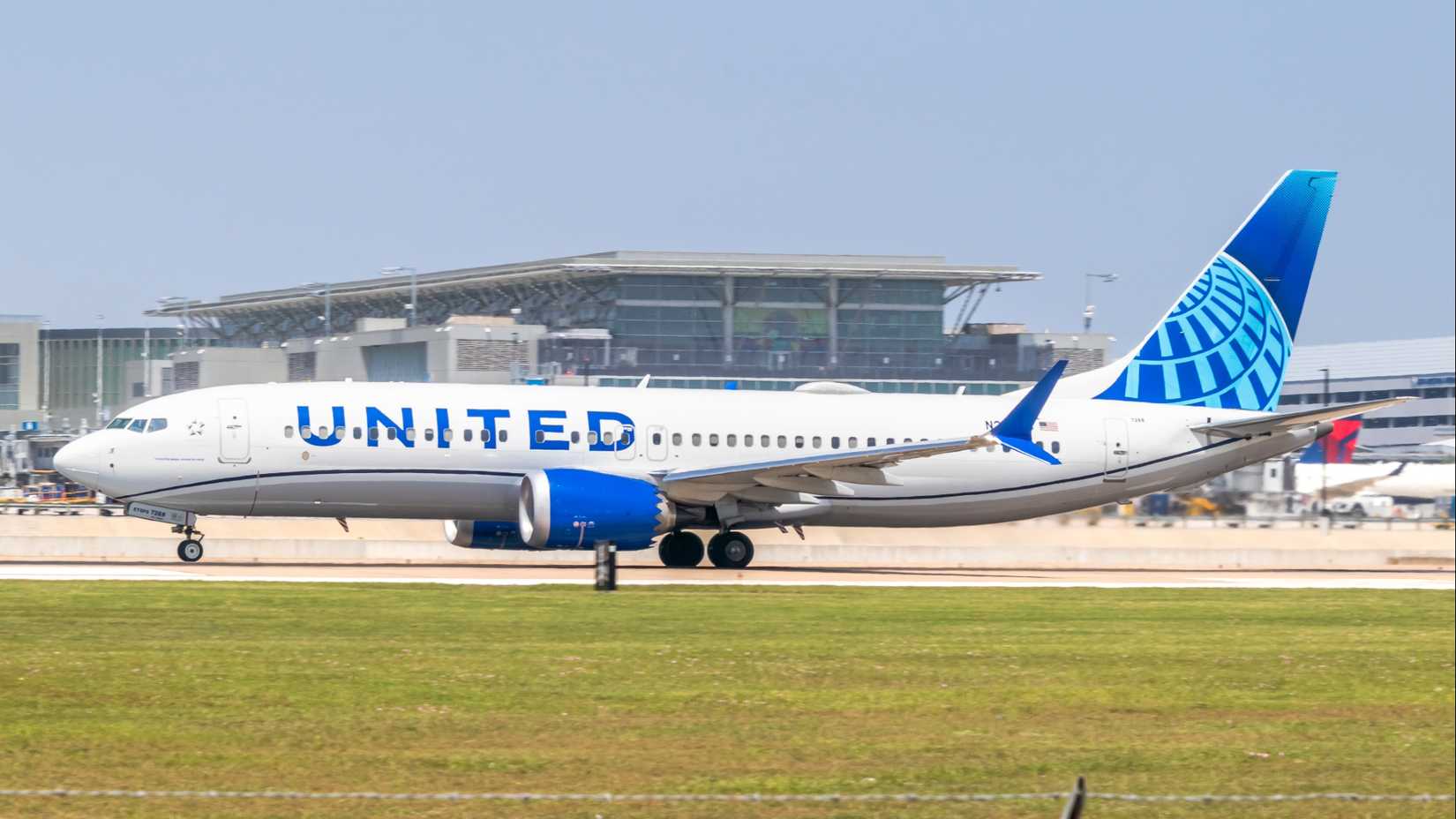
Indeed, the company confirmed earlier today that it has immediately rolled out a series of changes that will see it minimize the time that its weather balloons spend at altitudes between 30,000 and 40,000 feet above mean sea level. For the most part, this is the height at which airliners cruise.
WindBorne Systems, which continues to liaise with the FAA and NTSB amid the ongoing investigation, is also “working on new hardware designs to further reduce impact force.” Going forward, the firm also plans to “use live flight data to autonomously avoid planes, even at a non-standard altitude“
As for United Airlines, the Boeing 737 MAX 8 involved in Thursday’s incident didn’t fly for three days after its unplanned touchdown in Utah. According to Flightradar24, the jet (N17327) left Salt Lake City for Chicago Rockford (RFD) on October 19. It remains on the ground there amid an inspection.
source