


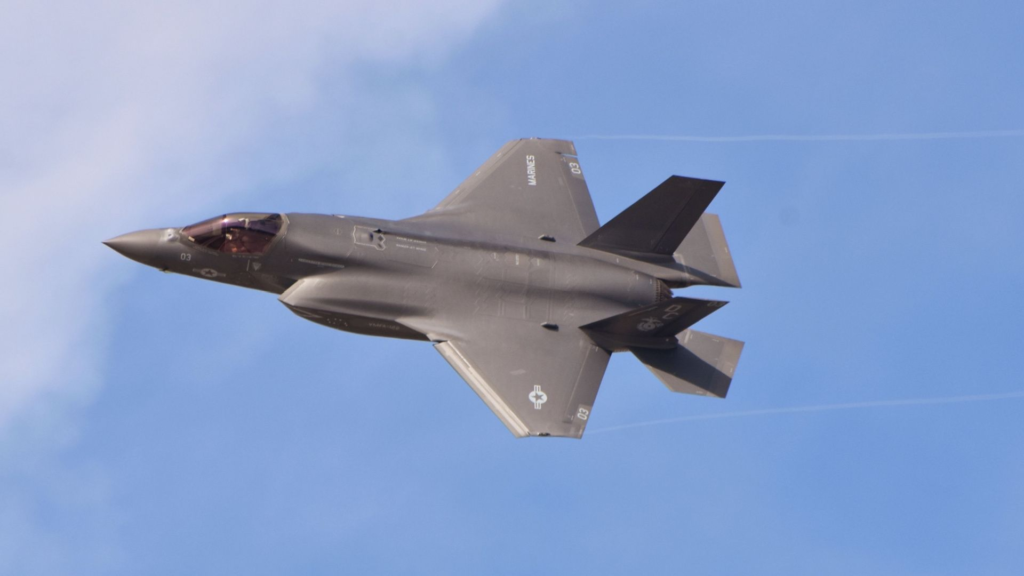
A new, congressionally-mandated United States Air Force fighter aircraft plan, one which was first reported by Breaking Defense, calls for the dramatic expansion of the Air Force’s fleet to 1,558 combat-coded jets within a decade. This marks a shift of roughly 300 more over the estimated inventory of 1,271, which was reported for 2026. This unclassified report outlines higher procurement of Lockheed Martin F-35A Lightning II and Boeing F-15EX Eagle II jets, all while emphasizing the next-generation capabilities of future programs like the F-47.
Other programs, such as the Collaborative Combat Aircraft (CCA) program, complement, not substitute, manned fighter aircraft. These programs flag industrial capacity, overall budget limits, and the retirement of aging fleets as key constraints. Some programs, like the A-10 Warthog, are being divested, while the F-22 Raptor’s Block 20 is slowly seeing numbers reduced. The message from the Department of Defense is clear: capacity must grow, and industry output must expand to meet the department’s new specifications.
What Are The Key Developments In This Story?

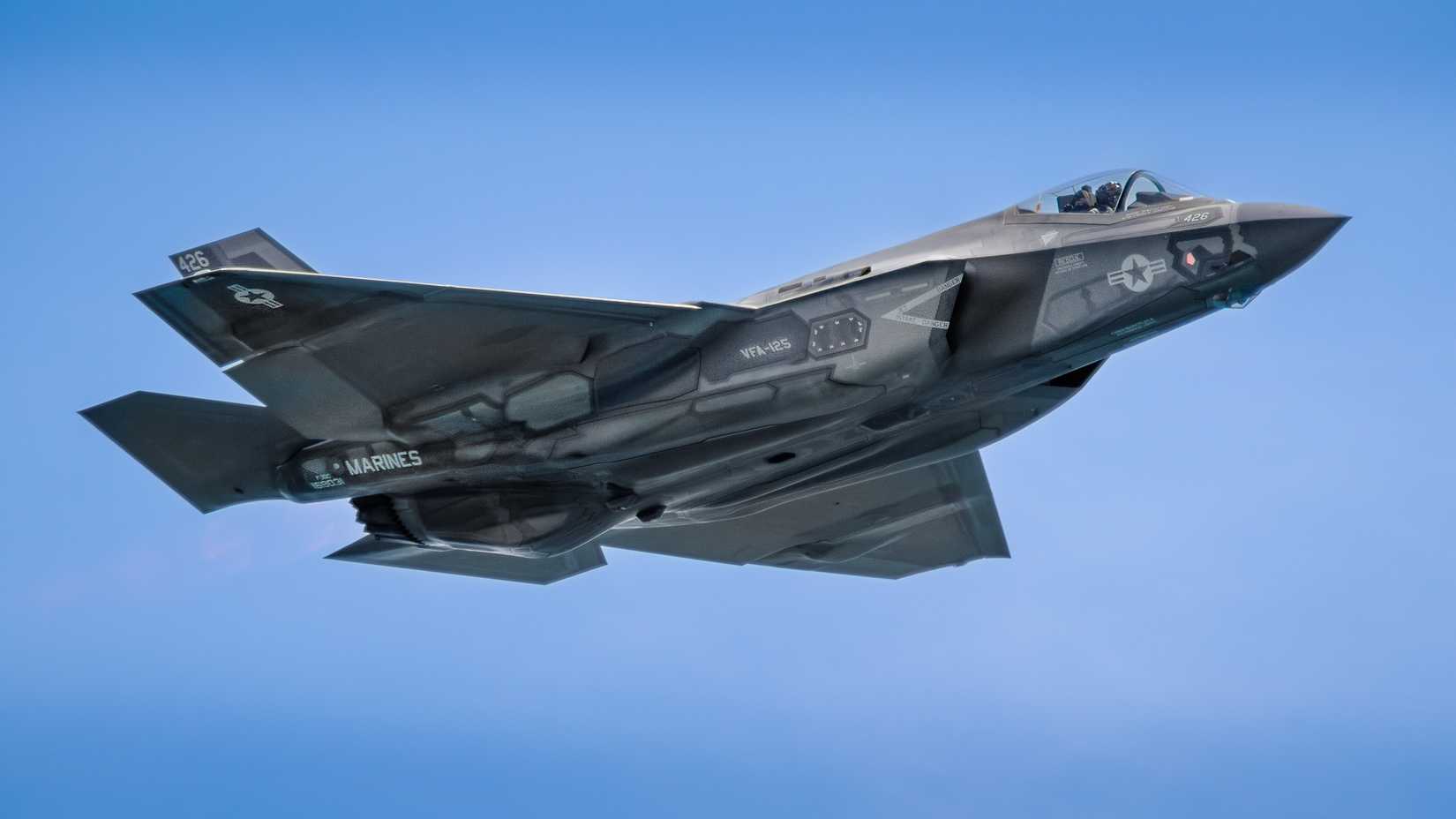
The current plan targets around 1,558 combat-coded fighter jets within the next decade, with a nearer target of 1,369 aircraft by early 2030 also being targeted. Procurement success will center on maximizing the production of the F-35A as the foundation of the Air Force’s global fleet, all while ramping up F-15EX Eagle II production. 

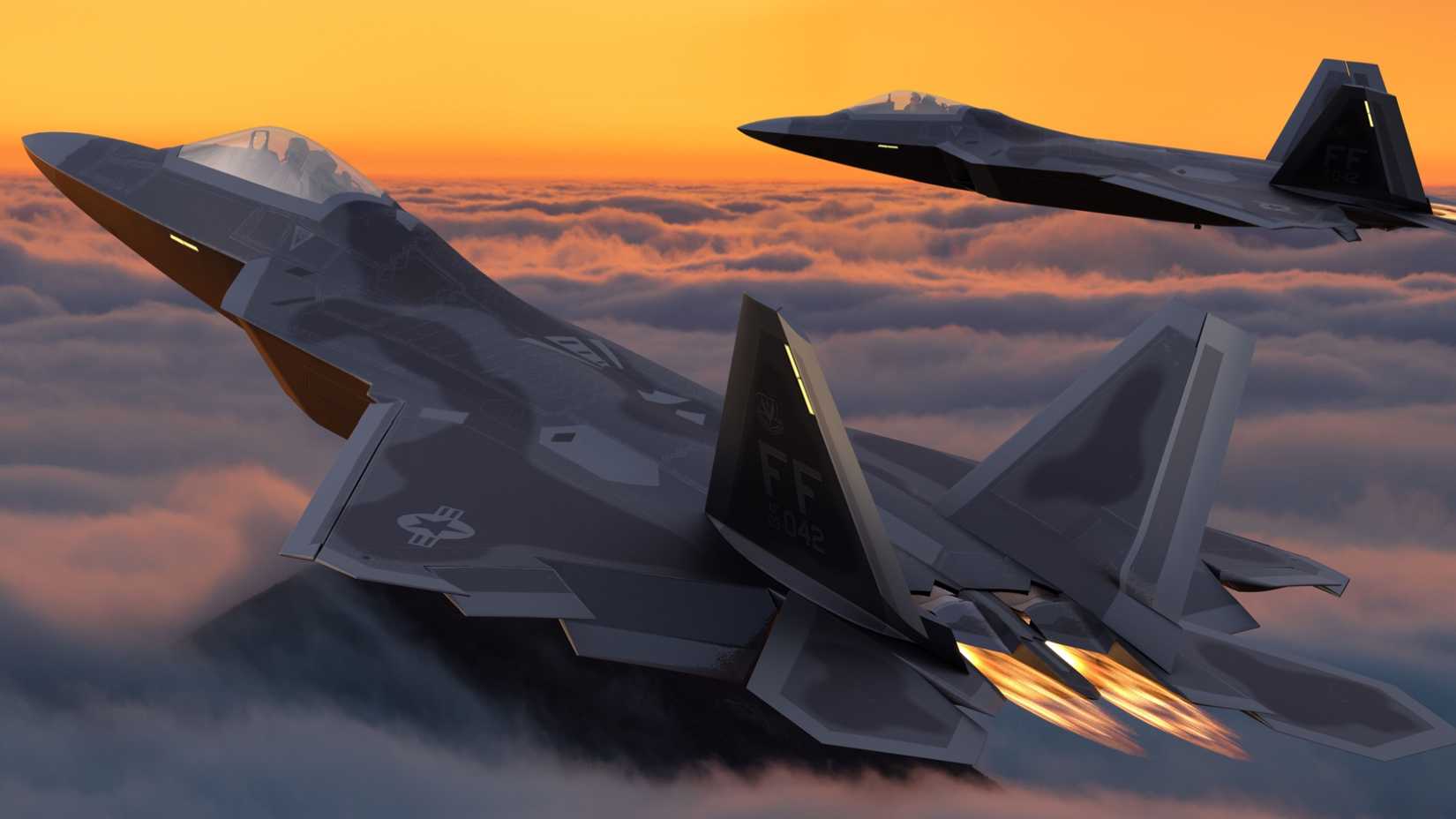
These procurement objectives are, of course, subject to budgetary and industrial constraints. Overall, modernization programs aim to develop next-generation platforms, such as the F-47. Some aircraft will undoubtedly be leaving the fleet, with both F-22 and A-10 models set to leave the fleet by the end of 2026. The service has continued to stress right-sizing sustainment and flying-hour accounts for operators across the board.
What Are The Financial Implications For Defense Contractors?
The principal companies that could be affected by today’s news are undeniably manufacturing primes. This kind of rhetoric favors companies with scalable fighter jet lines and roadmaps for continued program upgrades. Lockheed Martin (NYSE: LMT) is in the best position to benefit from this ramp-up initiative, as the Department of Defense is directly calling for higher F-35 output. The department is also looking for continued upgrades and technological improvements.
Boeing (NYSE: BA) could also gain from a longer and faster F-15EX Eagle II production run. The company has also been selected to produce the next-generation F-47, allowing it to have a stake in the future growth of the United States Air Force’s overall inventory. There are multiple mission-system-oriented players, including L3Harris and RTX, all of which are mostly focused on sensor and weapons system development.
The ability to sustain this kind of production will continue if weapon-system support and overall flying-hour funding are ultimately right-sized. Risks include topline defense caps, competing modernization efforts, and export commitments that constrain domestic slots. The challenge will be ramping up volume while subject to appropriations and industrial throughput.
The United States Air Force’s Forward-Looking Vision


The United States Air Force has a dynamic, forward-looking roadmap. The service wants to build out a larger fighter aircraft core, including Lockheed Martin F-35A and Boeing F-15EX Eagle II models, eventually augmented by next-generation fighters. The near-term focus remains on de-risking overall production ramp-ups and sharpening execution capabilities. Training pilots on all these models will take time, so a state of complete readiness will occur after delivery objectives have already been met.
By 2030, success will include the organization having a sufficient combat-coded capacity that allows it to meet overall global commitments and fully integrate manned and unmanned combat tactics. The manufacturer will also offer tailorable packages for service in the Indo-Pacific region and Europe.
This approach is underscored by industrial capacity as a key choke-point. Factories must grow, and production lines must expand in order to meet the service’s key objectives. Manufacturers could be set for a windfall if they are able to successfully meet their obligations.
source