


Ultra-long-haul flying has always represented the outer edge of what commercial aviation can achieve, pushing aircraft, crews, and passengers to their limits. Today, that frontier is defined by flights lasting close to 18 hours, and sometimes even beyond, operated almost exclusively by the Airbus A350. In our article, we will explore the world’s longest Airbus A350 flights, with a particular focus on 

Incredibly long non-stop intercontinental flights might seem impractical or even uneconomical, but advances in aircraft efficiency, aerodynamics, and cabin design have reshaped airline strategy. The Airbus A350-900ULR has become the undisputed champion of this segment, enabling airlines to connect city pairs once thought impossible. From Singapore Airlines’ pioneering routes to Qantas’ ambitious future plans, these flights highlight how far modern aviation has come and where it is heading next.
Singapore Airlines And The Birth Of Ultra-Long-Haul Flying

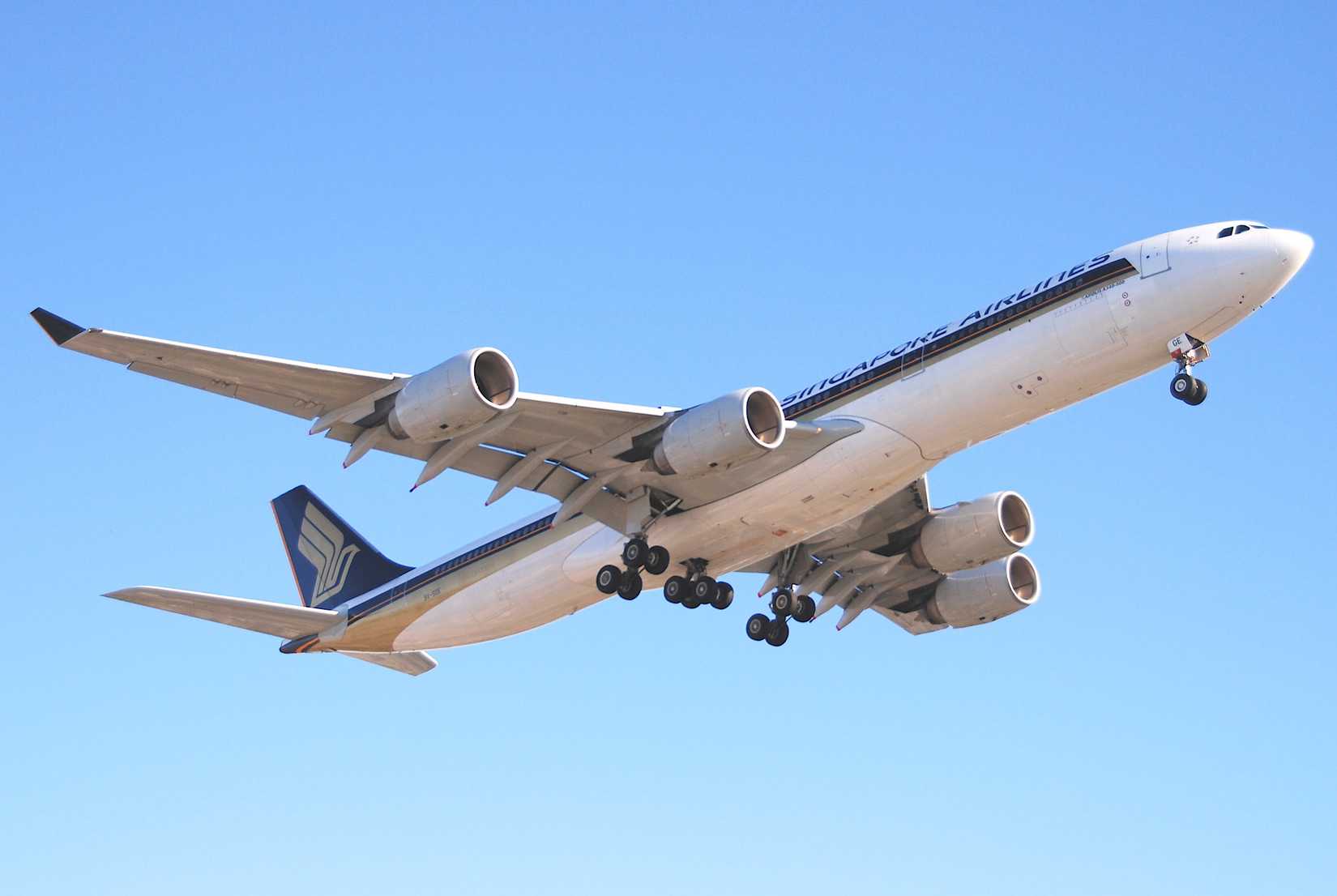
Singapore is a city-state in Southeast Asia, known for its vibrant culture and as one of the world’s most important business centers. Despite its location, which is equally far from the European and American powerhouses, the city is well-connected to the rest of the world through its flagship airline, Singapore Airlines. And this global connectivity has become possible thanks to some of the most advanced aircraft ever built, which Singapore Airlines has invested heavily in. This airline has long been synonymous with ultra-long-haul operations, dating back even before the Airbus A350 era. In fact, the carrier was among the first to seriously explore non-stop flights between Southeast Asia and the eastern United States, redefining passenger convenience and network reach.
In 2004, Singapore Airlines launched non-stop services between Singapore and Newark (flights 21 and 22) and later Singapore and New York JFK (flights 23 and 24). These routes were initially operated using the Airbus A340-500, an aircraft selected specifically for its long-range capability. At the time, these flights stretched up to 18 hours, making them the longest commercial flights in the world, and they entered the Guinness World Records Book.
However, the A340-500 came with a significant trade-off. Its four-engine design resulted in high fuel burn, particularly painful as fuel prices climbed in the late 2000s. Despite strong premium demand, the economics eventually became unsustainable, leading Singapore Airlines to suspend the services in 2013. Yet the airline never abandoned the concept; it simply waited for the right aircraft.
The Airbus A350-900ULR: The Aircraft That Changed Everything

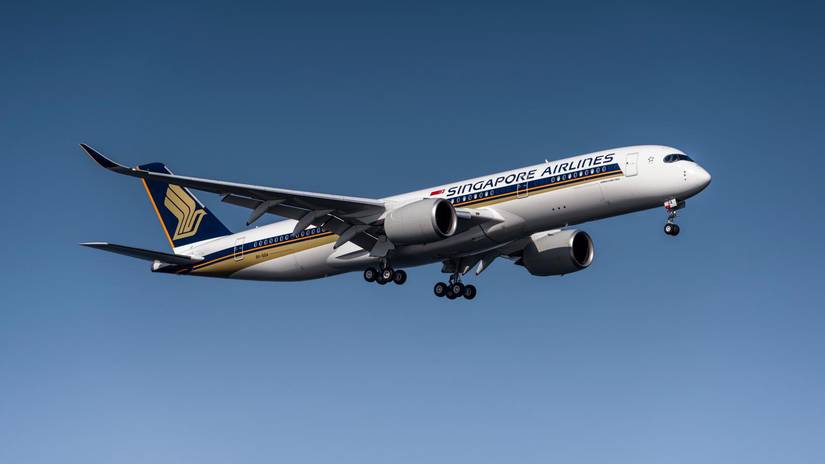
That “right aircraft” arrived in 2018 with the Airbus A350-900ULR (Ultra Long Range). Explicitly designed to fly farther than any other commercial airliner in service, the ULR variant transformed what was operationally and financially possible. Singapore Airlines became the launch customer, tailoring the aircraft to its exact needs.
The A350-900ULR features an increased maximum takeoff weight, modified fuel system, and highly efficient Rolls-Royce Trent XWB engines. These upgrades allow the aircraft to fly up to 9,700 nautical miles non-stop, while still carrying a commercially viable payload. Compared to the A340-500, the A350 burns roughly 25% less fuel per seat, making ultra-long-haul routes economically viable rather than symbolic.
Here is a comparative chart of the aircraft that made these long routes possible:
|
Feature |
Airbus A350-900 (Standard) |
Airbus A350-900ULR |
Airbus A340-500 |
|
Role |
Long-haul widebody |
Ultra-long-haul widebody |
Ultra-long-haul four-engine |
|
Engines |
2 × Rolls-Royce Trent XWB |
2 × Rolls-Royce Trent XWB |
4 × Rolls-Royce Trent 553 |
|
Maximum Take-Off Weight (MTOW) |
283 t |
283 t |
368 t |
|
Fuel Capacity |
141,000 L |
165,000 L (increased) |
165,000 L (large) |
|
Range |
8,100 NM (15,000 km) |
9,700 NM (18,000 km) |
9,000 NM (16,600 km) |
|
Typical Flight Time Capability |
15–17 hrs |
18–20 + hrs (world’s longest) |
17–18 hrs (depending on payload) |
|
Typical Passenger Setup |
Up to ~300-350 (3-class) |
Two-class premium-focused (fewer seats for weight saving) |
~270–310 (3-class) |
|
Era of Use |
2010s–present |
Late 2010s–present |
Early 2000s–2010s |
|
Key Operators |
Many global airlines |
Singapore Airlines (primary) |
Previously Singapore Airlines, others |
Source: Airbus
The differences between the Airbus A340-500 and the A350-900ULR clearly illustrate how far long-haul aircraft technology has evolved. The A340-500 relied on four engines to achieve its impressive range of around 9,000 nautical miles, and the A350-900ULR delivers even greater reach, roughly 9,700 nautical miles, by using just two highly efficient powerplants. This shift to a twin-engine design dramatically improves fuel efficiency, with the A350 offering class-leading performance compared to the A340’s significantly higher fuel burn. Inside the cabin, both aircraft were configured with premium-heavy layouts, but the A350-900ULR goes further by pairing this approach with modern materials.
Singapore Airlines also rethought the whole onboard experience. The A350-900ULR operates in a two-class configuration: business class and premium economy. It means reducing overall weight while targeting passengers who are most willing to endure such long journeys. Lower cabin altitude, higher humidity, and quieter interiors further enhance comfort on flights approaching 19 hours.

Why Does The World’s Longest Flight Not Have Economy Class?
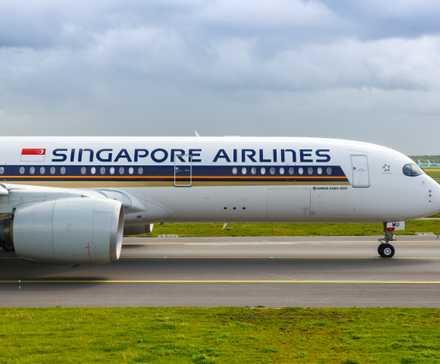
Singapore Airlines’ flights to Newark and New York JFK are the longest in the world, but the carrier does not offer economy class on the routes.
SIN–JFK And SIN–EWR: The World’s Longest Non-Stop Flights

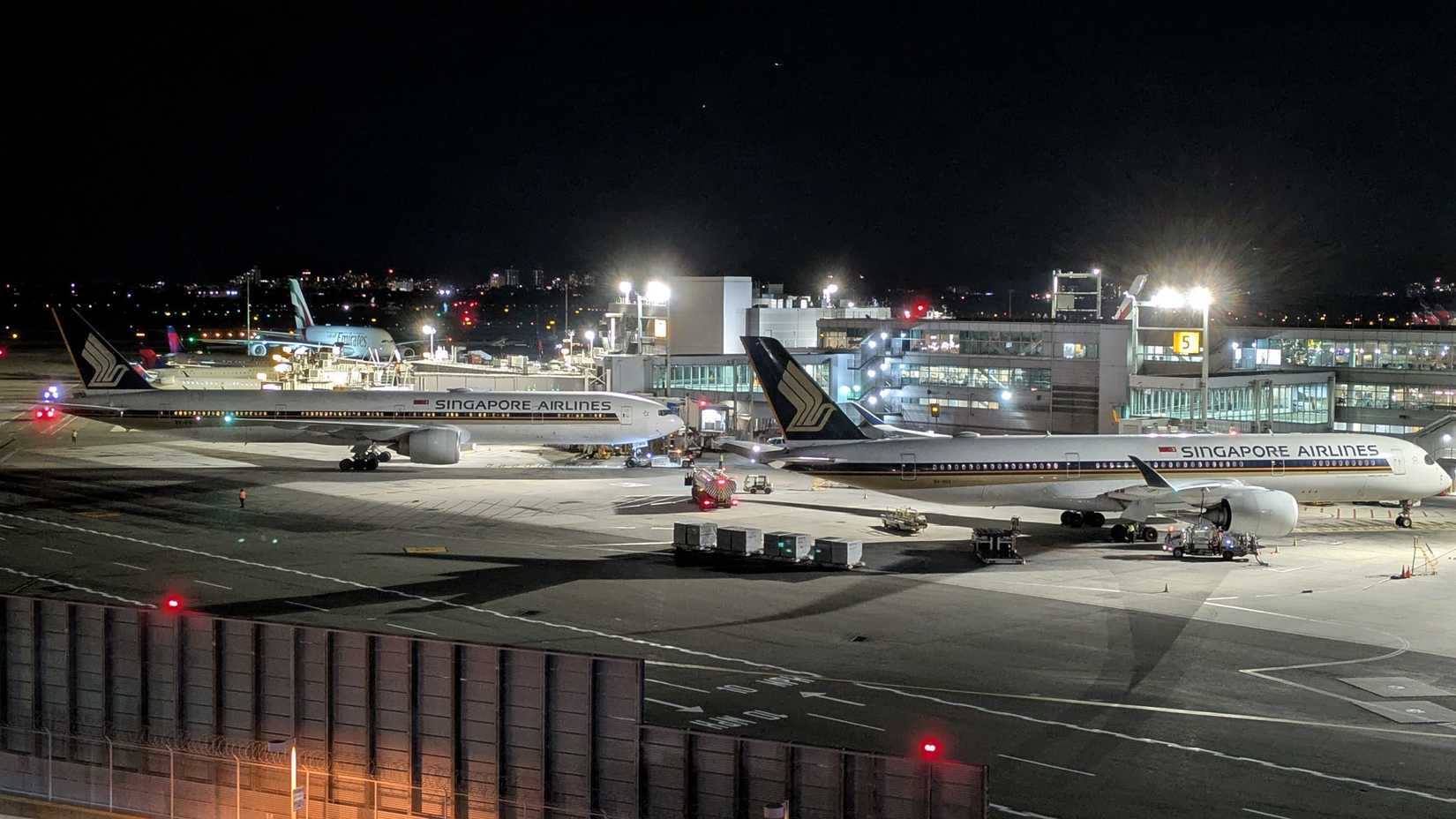
Today, Singapore Airlines once again holds the title of the world’s longest non-stop commercial flight. Its services from 


The Singapore–Newark route typically measures around 8,285 nautical miles, with block times often reaching 18 hours and 30 minutes depending on winds. The Singapore–JFK service is only marginally shorter, yet operationally just as demanding. Both routes rely on the A350-900ULR’s ability to manage fuel loads precisely while accounting for weather, airspace restrictions, and crew duty limits.
Singapore Airlines’ Longest Non-Stop Flights
|
Route |
Typical Flight Time |
Avg Distance (Miles) |
Avg Distance (Kilometers) |
Approx Distance (Nautical Miles) |
Annual Flights (Round Trip) |
Aircraft |
Cabin Configuration |
|
SIN–EWR |
18h 30m |
9,484 mi |
15,260 km |
8,285 NM |
730 flights (365 each way) |
Airbus A350-900ULR |
Business Class + Premium Economy |
|
SIN–JFK |
18h |
9,487 mi |
15,265 km |
8,250 NM |
730 flights (365 each way) |
Airbus A350-900ULR |
Business Class + Premium Economy |
Source: Cirium
Operating two ultra-long-haul routes to the same metropolitan area might seem redundant, but it is a deliberate strategy. JFK and Newark serve different catchment areas, airline alliances, and corporate contracts. By flying to both airports, Singapore Airlines maximizes premium demand, offers schedule flexibility, and strengthens its presence in the crucial New York market.
Why Fly To Both JFK And Newark?
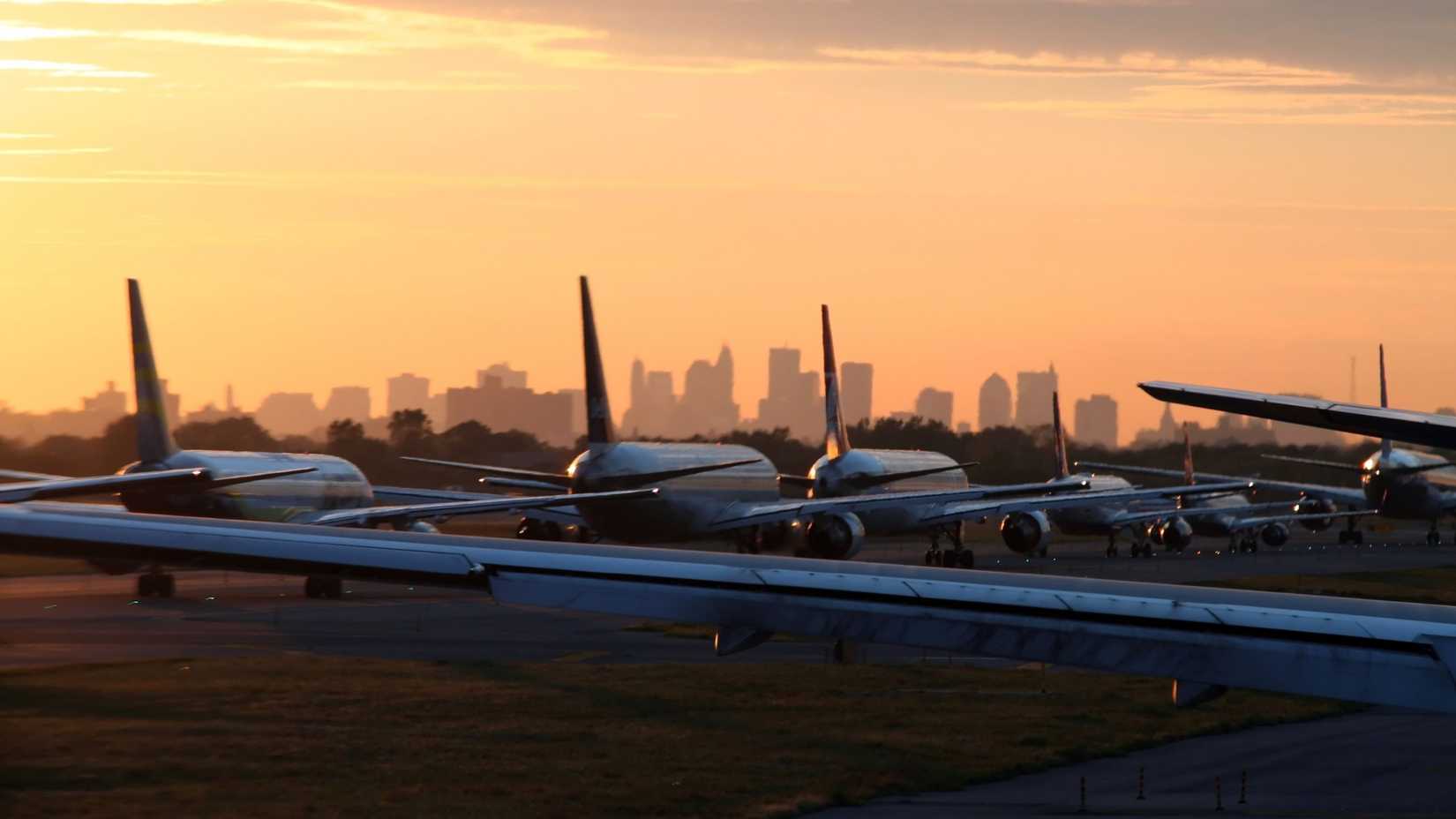
New York is a complex ecosystem of airports, alliances, and passenger preferences. For an ultra-long-haul operation to succeed, access to the right traffic flows is essential.
Newark Liberty International Airport is a major hub for 
To put it short, the main strategic differences between JFK and EWR are the following:
-
EWR: Strong

connectivity - JFK: Larger international premium market
- Catchment Areas: New Jersey vs Manhattan/Long Island
- Corporate Demand: Distinct but complementary
By serving both airports, Singapore Airlines diversifies risk and optimizes load factors on flights that are extremely costly to operate. Ultra-long-haul services leave little margin for error, and spreading demand across two gateways helps ensure consistent profitability while reinforcing the airline’s premium brand and providing a stable daily connection between New York and Singapore.
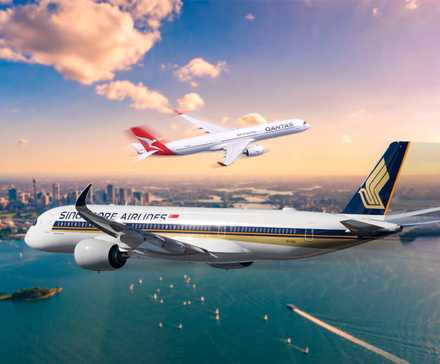
Here’s How Far The Ultra-Long-Range Airbus A350s Can Fly
Find out the exact ranges for each A350 variant. You can then learn more about how advanced materials and design decisions facilitate the range.
Qantas And Project Sunrise: The Next Frontier
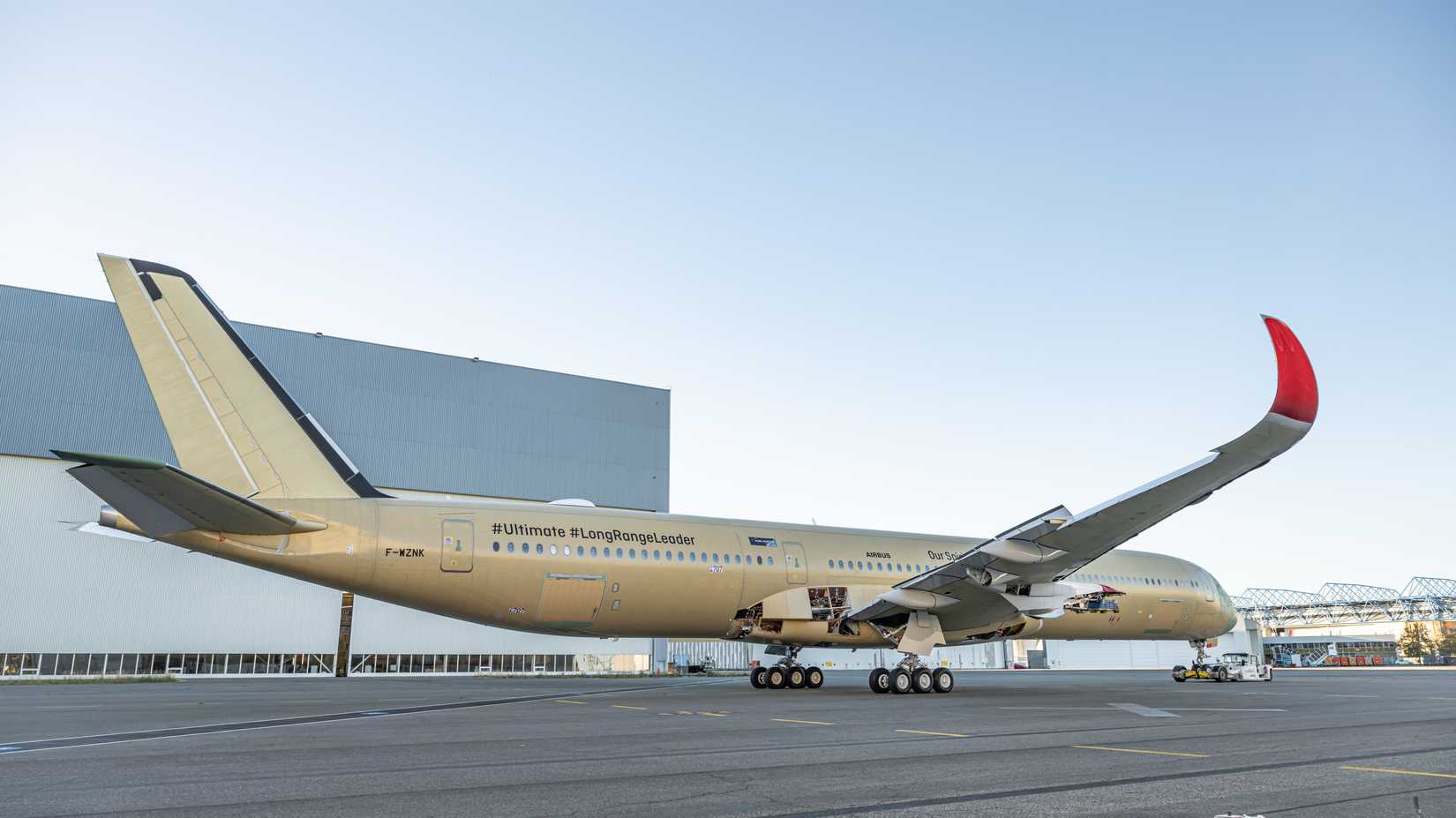
If 18-hour flights already seem extreme, the next generation of ultra-long-haul operations will go even further. Qantas’ upcoming non-stop flights between Sydney and London promise to reset the global distance record once again.
According to the airline’s newsroom, Qantas is planning to launch Project Sunrise. The airline plans to operate the Airbus A350, but this time the newest 1000ULR variant, designed explicitly for routes exceeding 22 hours, beginning around 2027. The Sydney–London service will span more than 9,200 nautical miles, pushing the A350 to the very edge of its certified performance envelope. Like Singapore Airlines, Qantas is designing a premium-focused cabin optimized for passenger wellbeing on ultra-long journeys.
These flights reflect a broader shift toward point-to-point travel, where passengers value time savings and convenience over traditional hub connections. Thanks to improvements in fuel efficiency and advances in cabin science, ultra-long-haul routes may become a stable niche within global airline networks.
The A350’s Role In Shaping The Future Of Long-Haul Travel

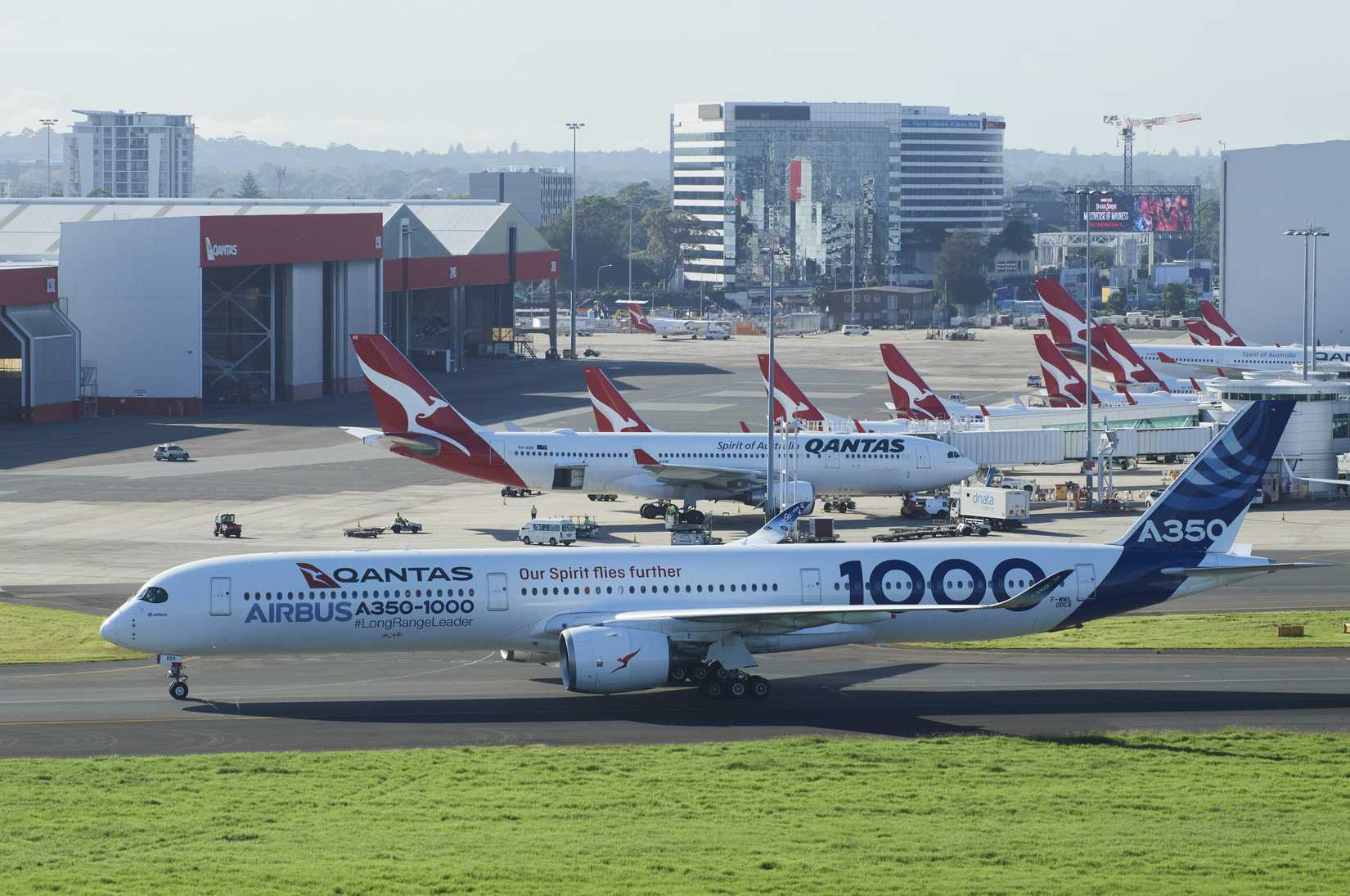
The Airbus A350 has emerged as one of the most influential widebody aircraft of the modern era, particularly in the ultra-long-haul segment. Its combination of range, efficiency, and passenger comfort has enabled airlines to rethink what routes are viable.
For Singapore Airlines, the ultra-long-range A350 has turned once-unprofitable prestige routes into sustainable flagship services. For Qantas, it offers the technical foundation needed to connect continents directly for the first time. In both cases, the aircraft is not just a tool, but a strategic enabler that airlines love.
As airlines continue to improve cabin layouts, crew management, and in-flight wellness strategies, the maximum duration of commercial flights will likely continue to grow. The world’s longest Airbus A350 flights are not just records but milestones in aviation’s ongoing effort to make the planet feel smaller and more connected.
source