


The past several weeks have possibly been the strangest period I’ve ever seen in the airline industry. A couple of weeks ago, we learned how United Airlines CEO Scott Kirby secretly proposed to President Trump the concept of merging with American Airlines. This is based on an airline “trade deficit” argument (that by creating one US mega airline, they could better compete with foreign carriers), which makes no sense.
American publicly “rejected” pursuing this merger (again, based just on what was rumored). Well, today Kirby put out a statement explaining his logic for wanting the merger, saying he’ll let it go for now (since American isn’t interested), yet he continues to make the case for why he thinks it makes sense (hint: it doesn’t).
Kirby’s statement on United & American merging
This is so bizarre that I don’t even want to paraphrase it, so let me just share the entire statement that Kirby published (it’s long, and I’ll share my take in the next section):
Over the last two weeks, there’s been a lot of commentary about a potential merger between United Airlines and American Airlines. And to be direct, here’s what happened: I approached American about exploring a combination because I thought we could do something incredible for customers together. I always knew that the only way any merger could be successful (and approved) is if it was great for customers and with a willing partner that shared my big, bold vision. I was confident that this combination, which would have been about adding and not subtracting, creating a truly great airline that customers love, could get regulatory approval. I was hoping to pitch that story to American, but they declined to engage and instead responded by publicly closing the door. And without a willing partner, something this big simply can’t get done.
In the past, airline mergers usually have been about two struggling airlines coming together to cut costs, flights and headcount. My aspirations could not be more different. The bold idea I wanted to pursue was about growth that would usher in a brand new era of leadership by U.S. aviation. After all, flight was born here and the storied names of the past, including both United and American, set the standards that the rest of the world aspired to. By combining our airlines and using that scale to revolutionize our customers’ experience, we’d create a new, thriving U.S. airline that would be the very best in the world for customers – full stop.
While American’s public comments make it clear that a merger like this is off the table for the foreseeable future, I do think it’s worth taking the time to describe in some more detail what this could have looked like.
To start, it’s clear the strategy United has been implementing over the last several years is winning: building a brand loyal airline by de-commoditizing travel, investing in the customer experience and creating value for every customer no matter where they are sitting.
In the simplest terms, combining United and American could: 1) scale and grow that winning, customer-focused approach, 2) unlock incredible, new opportunities for both airlines’ customers, employees and the communities we serve and 3) create a great, new U.S. airline with the scale to compete and lead around the globe.
Here are some of the benefits the combination could produce:
Fly an airline that customers love to even more places: United is already changing what it means to be an airline by having the best service, technology, reliability, and products – for every customer – so that flying on United feels better than other airlines. And, we have big plans to do even more. Bringing those benefits to even more people gives customers of both airlines more choice and more value, including best-in-class products, technology and experiences as well as a more valuable loyalty and rewards program that offers more opportunities to earn and use miles. The combined airline would have been about growth – especially internationally and with expanded service to smaller communities – both of which are mathematically enabled by having a larger network.
Create even more value: Price and affordability are important, but unless you think air travel is just a commodity, ‘value’ matters too. The truth is that in 2025 ticket prices were 29% cheaper than they were pre-pandemic (adjusted for inflation). And in that time, United has focused on providing ever more value to customers by investing in our product: newer, more modern aircraft with bigger bins, screens in every seat, Bluetooth connectivity, free Starlink Wi-Fi and an award-winning mobile app, just to name a few things. A merger of United and American (and the growth that would have come with it) would have dramatically increased the total number of economy seats in the marketplace, offering cost-conscious customers more affordable ways to fly to more places and greater choices across all price points, while still delivering industry-best value to all customers. We wouldn’t propose a combination that would cause prices to rise for customers.
Create a truly globally competitive airline – based in the U.S.: Today, there’s a big trade deficit with foreign flagged airlines – they fly about 65% of the long haul seats into our country even though only 40% of the customers are foreign citizens – and the combined scale of United and American would be a better way to compete with foreign carriers. A larger US global airline would deliver U.S. jobs and economic opportunities. This U.S. airline would set the standard for the next century just like U.S. airlines used to in the first century of passenger flight. And this would be a great U.S. airline that is the best, whether you’re a customer from Chicago, Des Moines or Dubai.
Boost the U.S. economy, create millions of jobs and revitalize and strengthen the U.S. aircraft manufacturing industry: America is stronger when U.S. carriers flow more of the dollars of U.S. consumers to communities, employees and manufacturing right here at home. A combined company would have created tens of thousands of new high paying, unionized jobs with great benefits which would have led to even more career growth opportunities for the 250,000 employees already at United and American. Plus, the combined airline’s need for new aircraft would have supported American manufacturing and domestic supply chains and driven even more job creation. And by flying more seats to more places in the U.S., this merger would boost local tourism and business travel, generating billions of dollars in U.S. economic activity and even more jobs.
I recognized from the beginning that a merger this big in our industry would attract a lot of skepticism in the media, including from some government officials. Since previous mergers have been about saving struggling airlines, previous legal and regulatory reviews have always focused on subtraction and what’s being lost. But, a different kind of merger proposal – one that’s focused on growth, customer investments and global competitiveness – would have been a different proposition altogether. And, while divestitures in certain domestic markets obviously would have been required, I believe regulators would have approved such a deal because they would have recognized the benefits to customers, our shared employees and communities from coast-to-coast and around the world.
While our pursuit of talks with American have ended, our mission to build the greatest airline in the history of aviation at United is well underway. We have a winning strategy, a culture of innovation and 115,000 of the best aviation professionals in the world working together to deliver for our customers. While the airline industry has always been dynamic and unpredictable (it’s one of the reasons that I love this business), United’s future is brighter than it’s ever been.

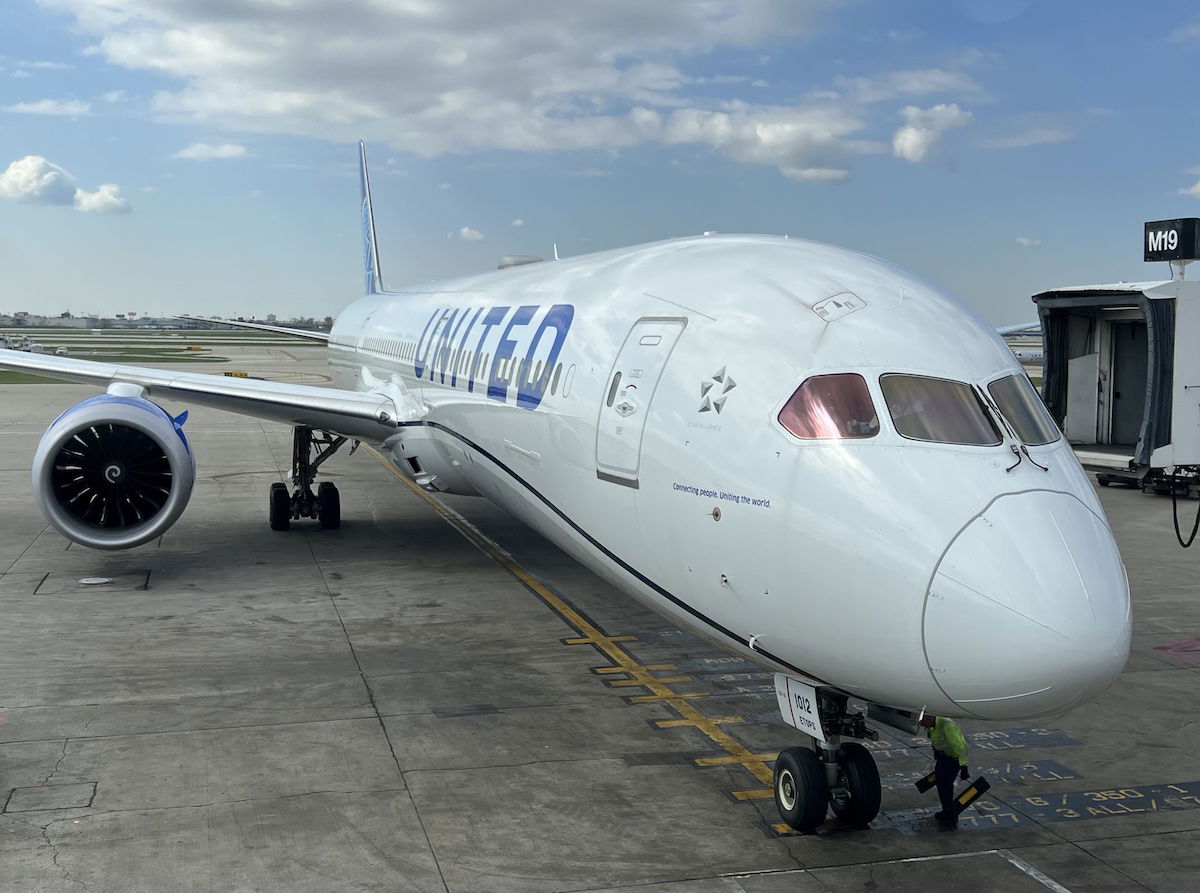
I can’t believe Kirby is making such a poor argument
On the one hand, now everything makes sense. Kirby has spent the 15+ months since Trump’s second inauguration sucking up to him like no other airline executive has, and I have to imagine that the hope of getting a merger with American approved was the basis of that. It’s clear that Kirby knew that if he ever had a chance of this vision becoming a reality, it would have to be under Trump.
One can’t possibly put into words how bad it would be for the competitive landscape if two of the “big three” carriers merged. But Kirby’s argument seems to be a combination of grasping at straws, and hoping to make people patriotic, or something:
- Kirby basically says United is better to fly than American, so by having United take over American, more people could fly on a good airline
- Kirby basically acknowledges fares would go up (he has made it clear that even when oil prices go down, he hopes United can keep fares up and boost margins), but he’s saying fares don’t matter, but instead, value is what counts; people don’t want cheap tickets, they want bluetooth audio on planes, or something, and consumer choice be damned!
- This concept of creating a competitive airline globally is what would be worst for competition, since it would essentially destroy the balance of joint ventures, which is what keeps long haul airfare competitive (it’s useful to have three sets of these, one with each of the “big three” alliances)
- Then there’s just talk of the US economy in general, and this is where it gets the most ridiculous; Kirby talks about how the combined airline will have lots of union jobs, will strengthen US aircraft manufacturing, etc. (that’s already happening, and for that matter, United has also been ordering hundreds of Airbus planes)
I was hoping that Kirby’s argument in favor of such a deal would be a bit more sophisticated, but it really isn’t. It’s essentially just somewhere between trying to call in favors to Trump, and trying to pose as being patriotic. The idea is to completely overlook concerns about domestic competition by making this all about international service.
The only logic I can come up with here is that Kirby is so desperate to overtake Delta (his biggest career goal) and to destroy American (it’s an airline he has a vengeance against), and he thinks this is what can accomplish both of those things in one swoop. But my goodness… yowzers! I think this “big, bold vision” is more about Kirby’s ego as CEO than about anything that would be good for consumers.
Okay Kirby, can we just move along with JetBlue now, please? 😉

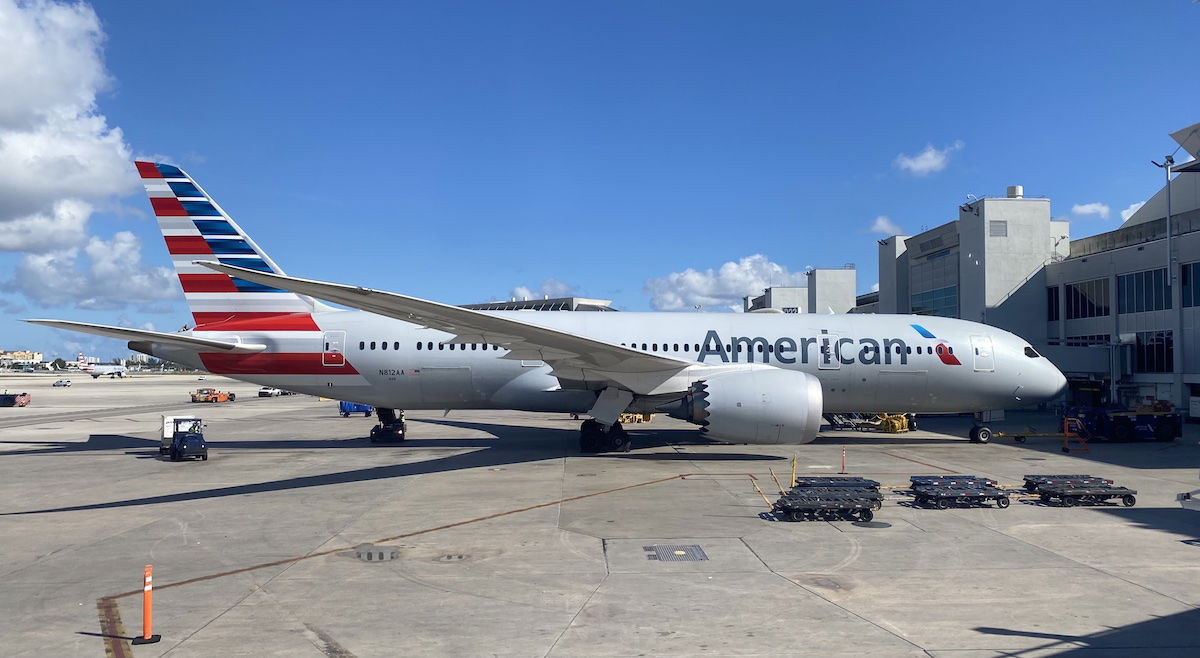
Bottom line
United CEO Scott Kirby has released a statement about his desire to acquire American, while also acknowledging that American isn’t interested, so this won’t happen for the foreseeable future. While I generally respect Kirby, the mental gymnastics required to gaslight consumers into thinking that this would be good for them is beyond comprehension.
What do you make of Kirby’s statement about this “big, bold vision” of his?
source