



United Airlines (NYSE: UAL) has asked a San Francisco federal judge to dismiss a proposed class-action lawsuit against the carrier, claiming it charged extra for window seats that lacked windows. United has argued that the terminology of “window” seat denotes a seat positioned on the side of the fuselage, and that it in no way guarantees a view on its own.
United has argued that court rulings and federal law generally bar passenger breach-of-contract suits over ancillary fees. The plaintiffs, who are represented by law firm Carter Greenbaum, seek millions in damages and estimate more than 1 million customers per airline were affected. A parallel lawsuit targets Delta Air Lines in New York, with the case spotlighting how airlines label seat attributes on aircraft like the Boeing 737 and the Boeing 757. On these aircraft, some rows have blank walls.
What Are The Key Developments In This Story?

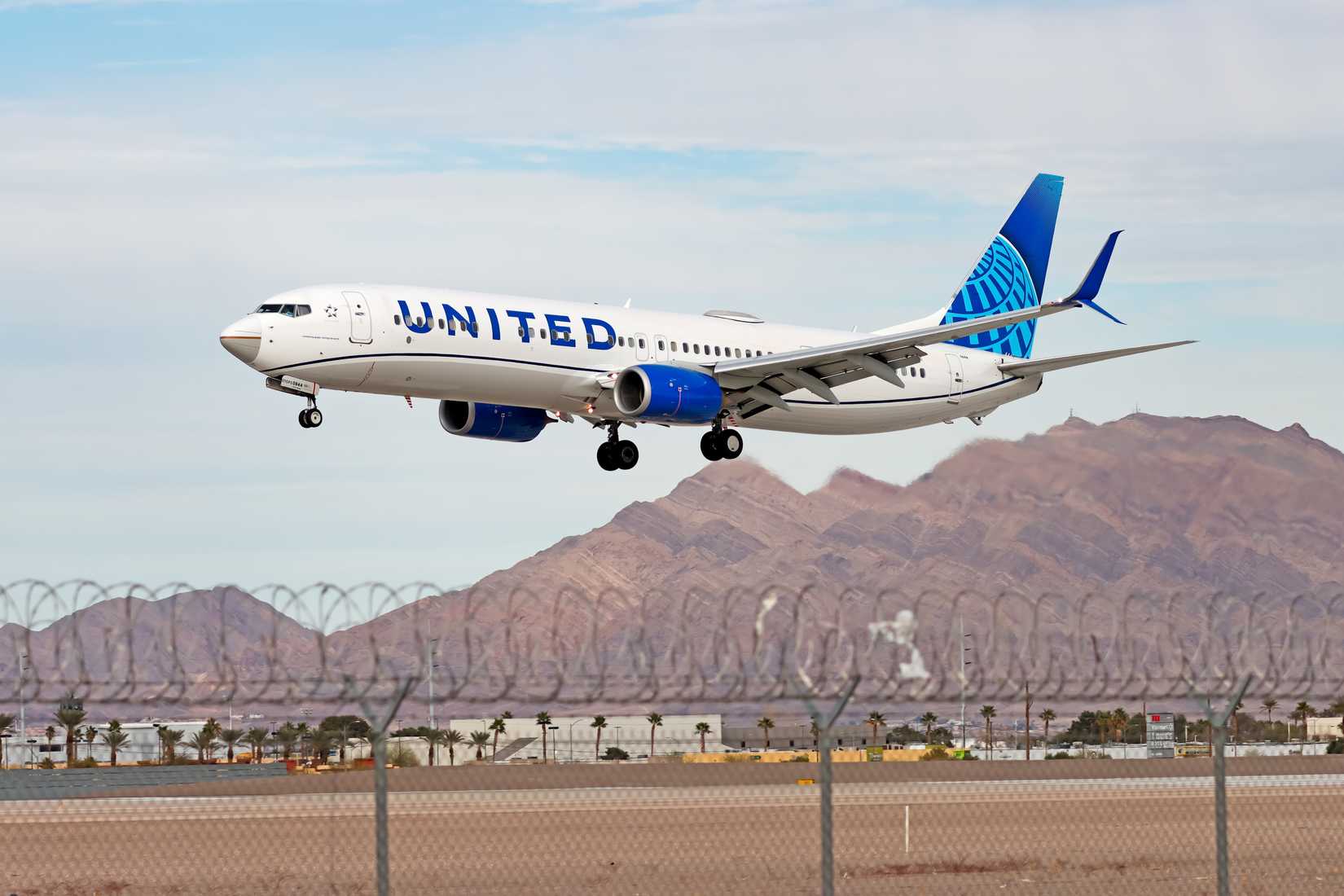
These windowless window seat cases were both filed in August, alleging that United Airlines and 

The airline is also citing precedent and federal law to argue that claims over seat selection charges fall outside breach-of-contract remedies. Paintiffs counter that consumers pay premiums precisely for a view, alongside the light and comfort that comes along with these kinds of seats. They also argue that customers would have chosen differently if warned about the lack of an available window. Reports from Reuters highlight that the Airbus A321, Boeing 737, and Boeing 757 are the principal aircraft types where these windowless window seats appear.
What Precedent Is This Likely To Set?


This decision could set a strong precedent in the commercial aviation industry. A dismissal on these grounds could help narrow consumer contract challenges to ancillary fees by treating labels like “window” as more positional descriptions than actual guarantees of features. This could reinforce airlines’ ability to market seat locations without promising significant amenities in the process, something which airlines would welcome across the board.
This would also strengthen carriers’ reliance on federal preemption arguments when state laws or contract theory touch upon pricing. The same can also be said for the sale of services around seat selection. If the suit proceeds and eventually even succeeds, this could push airlines towards clearer disclosures. This would have more negative ramifications for the industry, although it would likely be seen as a victory for passengers. The need to have clear disclosures, including explicit “no window” flags on some seat maps, could help standardize the passenger experience across seats and aircraft.
In that case, there would likely be a significant ripple effect across other paid seat attributes, which would encourage airlines to define terms and remedies in contracts of carriage. In either scenario, a ruling will help clarify the boundary between permissible marketing shorthand and actionable misrepresentation in what is a rapidly growing, multi-billion-dollar ancillary revenue growth ecosystem.
What Are The Financial Implications For United Airlines?

Direct overall exposure hinges on the merits of the case itself. However, there are headline risks that the airline is exposed to, such as refunds or damages on seat-selection fees that are sold as “window” seats when no window exists. This could affect a class of approximately one million passengers.
Even modest per-seat fees scale quickly, with legal costs also being a major drag on the airline. Operationally, a lower-cost fix is much better than this kind of large-scale disclosure. Should the court allow United to proceed in this way, all it might have to do is tag the seats on its aircraft that are along the side of the fuselage, but lack a window seat.
A major swing factor is any court-ordered remedy that constrains how United Airlines markets or prices seat attributes, potentially pressuring ancillary yield if labels must be narrower or if automatic refunds are mandated. Nonetheless, absent of punitive outcomes, we would expect manageable profit and loss effects relative to United’s total ancillary revenue base, although investor focus will likely remain on the litigation trajectory and any industry-wide compliance changes that could follow.
source