


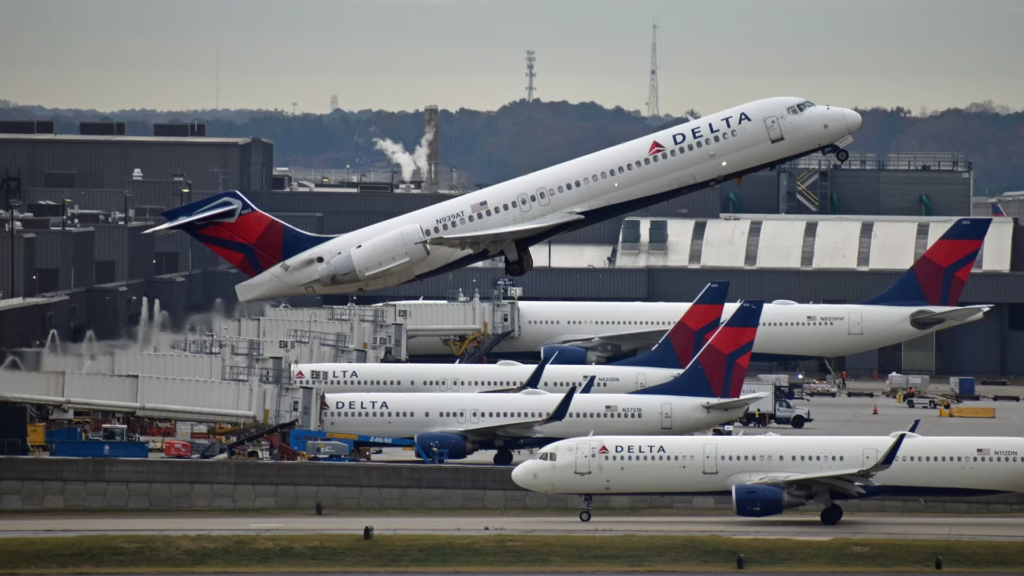
Thousands of flights have been cancelled or delayed across the United States, as the country continues to feel the pinch after the U.S Secretary of Transportation took the unprecedented steps to shave up to 10% of all scheduled flights to release the pressure put on air traffic controllers during the federal government shutdown.
Domestic flights around the country have been cancelled at the top 40 busiest airports, since they have been grappling with air traffic control and aviation security staff shortages, due to them either calling in sick, or taking alternative means of income following their expectation to work without pay through the shutdown.
4% Cut Now, Up To 10% Later

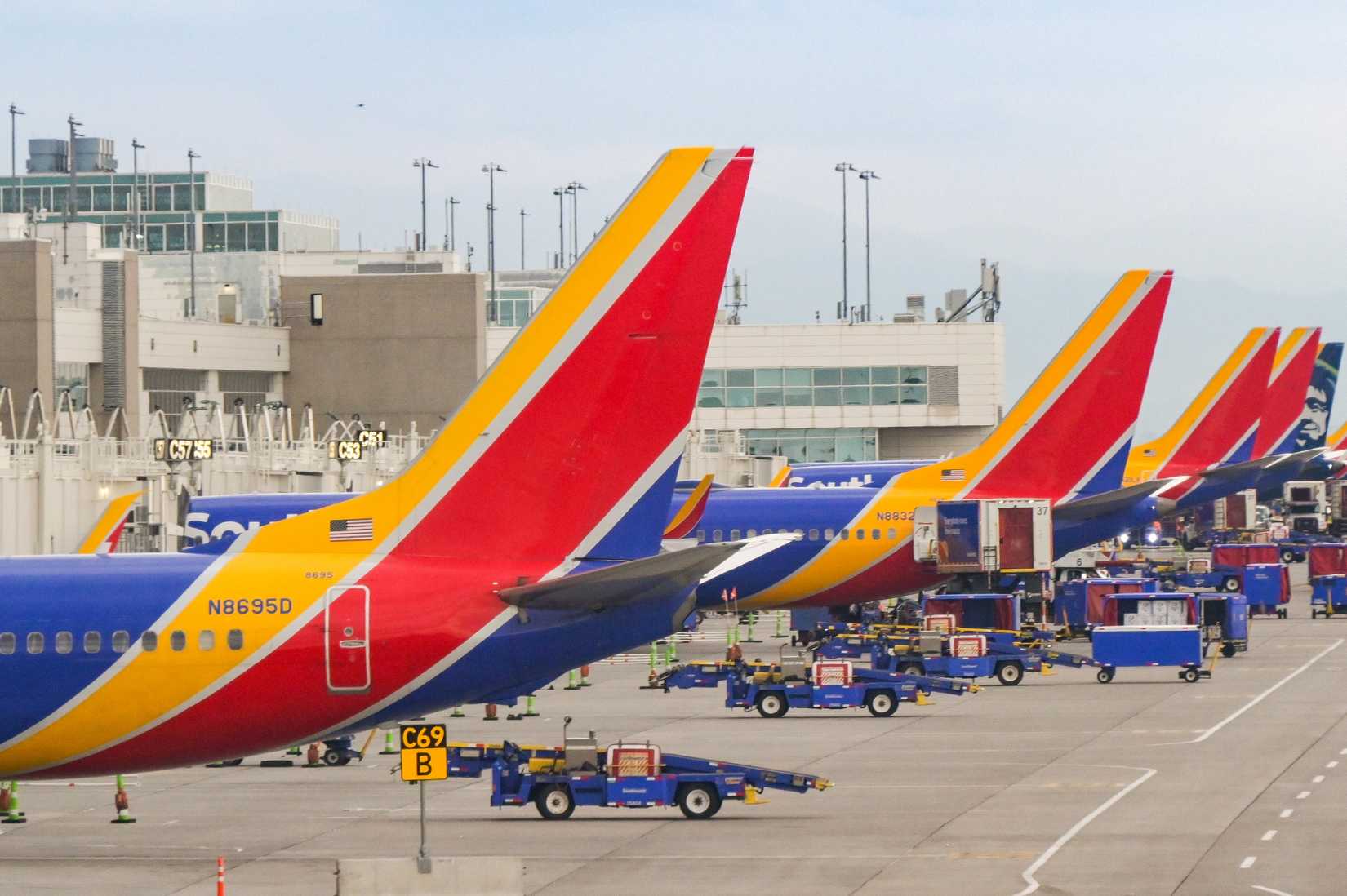
Currently, cancellations are estimated to hit around 2,000 per day, following a start of 4% reduction in flights across the country. This is expected to rise to 10% when fully implemented by the end of next week. The administration has warned that at its peak, it could see up to 4,000 daily flights affected. This has seen many of the country’s biggest airlines offering additional flexibility to passengers to change their flights to another date, or apply for a full refund.
Airlines have been scrambling to rebook affected passengers, and have warned passengers who need to travel to expect long lines at major airports, and to remain patient as there is a high chance of flight delays. This is expected to have a ripple effect not just from the 40 top airports across the nation, but to smaller regional airports as well. The FAA Administrator, Bryan Bedford, noted that these flight reductions are vital to ensure air traffic controllers are not plagued with ongoing fatigue. One of the most affected carriers, Atlanta-based 

“We are providing additional flexibility to our customers traveling to, from or through the impacted markets to change, cancel or refund their flights.”
40 Major Airports Affected


Across the country, airports have had their capacity shaved, with major airlines canceling or delaying flights to the region. Already, Chicago-based United Airlines has noted that it cancelled hundreds of flights across this weekend. So far, as per NBC News, United Airlines axed 184 flights on Friday, 168 for Saturday, and 158 for Sunday. In context, the airline has approximately 4,500 scheduled flights every day.
American Airlines, one of the largest airlines in the world by fleet size and number of flights operated, is also on the case, cancelling around 200 daily flights across its domestic network, of its 6,000 daily flights. The airlines’ most affected hubs include Dallas/Fort Worth, Philadelphia, New York JFK, Charlotte, and Miami. A full list of affected airports is detailed below as per the FAA:
|
Region |
Airports Affected |
|---|---|
|
West |
Anchorage, Denver, Honolulu, Las Vegas, Los Angeles, Oakland, Ontario, Portland, San Diego, Seattle/Tacoma, San Francisco, Salt Lake City |
|
Southwest |
Dallas Love, Dallas/Fort Worth, Houston Intercontinental, Phoenix, |
|
Midwest |
Detroit, Indianapolis, Chicago Midway, Minneapolis, Chicago O’Hare, |
|
Northeast |
Boston, Newark, New York JFK, LaGuardia, Philadelphia, Teterboro |
|
Southeast |
Atlanta, Baltimore, Charlotte, Cincinnati, Washington National, Fort Lauderdale, Washington Dulles, Orlando, Miami, Louisville, Tampa |
Not only are flights being cancelled, but there are widespread delays to scheduled services. Delays at airports across the nation range from a small as 15 minutes to several hours.
Additional Flexibility


Airlines have taken steps to add additional flexibility to itineraries over this period, allowing affected passengers to move or cancel their flights. Full refunds are offered by selected carriers if their itinerary was booked during the flight reductions. Additional flexibility allows passengers to change their flights to another date and time. Most changes and or refund applications can be managed by the traveller through their respective manage booking portal on airline websites or via the carrier’s app if it has this functionality.
Safety has remained the number one priority through the decision to cut flight capacity across the country, and has been done so as a proactive measure to ensure the integrity of the national airspace system. The Department of Transportation has analysed the data across the United States, and the decision was made to reduce flights to alleviate the pressure currently on air traffic controllers, many of whom are working without pay and expected to show up to work and work additional overtime.
Due to the ongoing stress, both physically and mentally, many workers are deciding to call in sick, or simply no-show to work, as they have needed to take up other public sector jobs to garnish an income to pay their basic bills until the government shutdown ends, and their full pay is restored.
source