


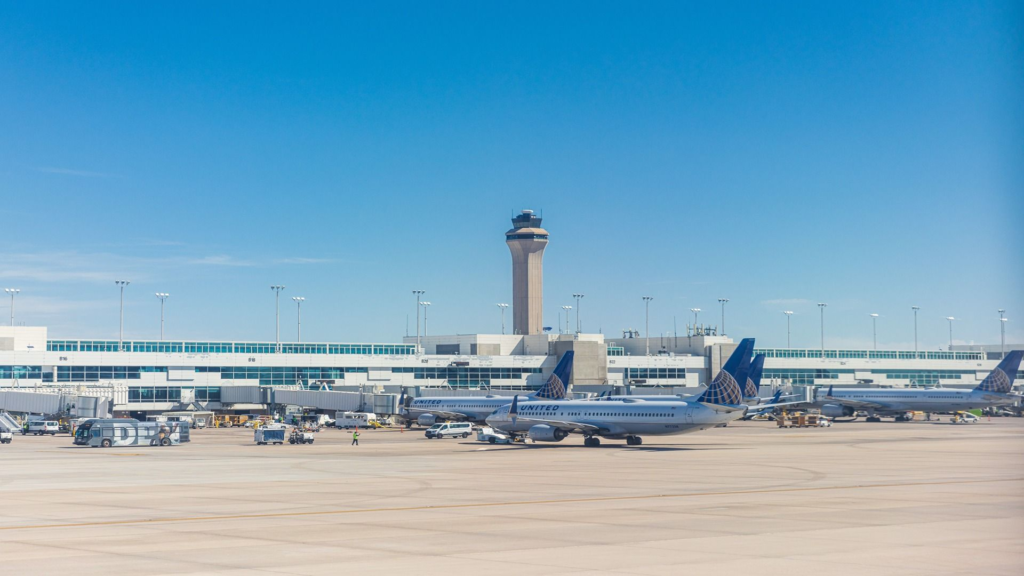
Denver Airport has made a proposal to the FAA requesting approval to step in and pay the Air Traffic Controllers, TSA agents, and other federal staff at the airport, during this prolonged government shutdown across the country, in hopes of avoiding the 10% capacity reduction which the FAA has mandated in 40 airports across the United States.
However, the airport is yet to hear back, and the airport has stipulated that the costs of these additional staff wages will be reimbursed once the government is back up and running.
Denver Airport’s Proposal To The FAA


Considering DEN is one of the busiest airports in the US, having served over 80 million passengers in 2024, a 10% reduction, even temporarily, could result in significant flight cancellations, subsequently affecting thousands of passengers. To circumnavigate this issue, POLITICO reports that the City of Denver has delivered a proposal to the FAA, which would see the airport utilizing its revenue to pay the wages for the ATC, TSA, and other federal employees based in DEN, in exchange for the airport being exempt from reducing its capacity by 10%.
POLITICO published the following statement from Mayor Mike Johnston,
“The Denver Airport is maybe the largest economic driver in the Rocky Mountain West,”
“It is critical to not just our quality of life, but to our economic health.”
Significant Contributor To The Economy


Apart from being a busy airport hub in the country, Denver Airport is a significant driver of the economy and tourism within the city, with DEN employing nearly 190,000 people, and a 10% capacity reduction, according to the Mayor, can be a “crushing blow” to the local economy and negatively impact everyone who relies on the airport.
Apart from paying the wages of the federal staff at the airport, the proposal to the FAA also highlights that the city and the municipalities will be providing services such as food assistance during the period of government shutdown, to help relieve pressures felt by the federal staff. The proposal also stipulates that a reimbursement would be requested when the shutdown ends. However, this is all pending a decision from the FAA.
If this proposal is approved by the FAA, it is possible that other major airports might follow a similar strategy in order to ensure their capacity remains unaffected, ensuring minimal delays, disruptions, and cancellations for passengers.
Delays And Cancellations So Far


When looking at data from FlightAware, in terms of flight delays and cancellations across all airports within the US during the past few days and the same time period in the previous week, the numbers are as follows:
|
Flight Disruptions In The US |
Wednesday November 5 |
Thursday November 6 |
Friday November 7 |
|---|---|---|---|
|
Flights Delayed |
4,346 |
7,377 |
6,311 |
|
Flights Canceled |
171 |
202 |
1,024 |
|
Flight Disruptions In The US |
Wednesday October 29 |
Thursday October 30 |
Friday October 31 |
|
Flights Delayed |
4,650 |
7,378 |
5,849 |
|
Flights Canceled |
157 |
1,251 |
493 |
While data from Wednesday and Thursday this week does not show a significant variation in the flight delays and cancellations compared to the previous week, the numbers do show a jump on Friday, with the number of flight delays increasing by 7.8%, while cancellations saw an increase by 207.8%. Forecasts show that with the mandated capacity cut, over 3,400 flights could be canceled per day. It is worth noting that the capacity cut started with 4%, with a gradual increase to 10% in the coming days, however, the airlines have been proactive with communicating with passengers with regards to flights that have been canceled.
Only time will tell as to when the government shutdown will end, and operations in airports across the country can return to normal.
source