


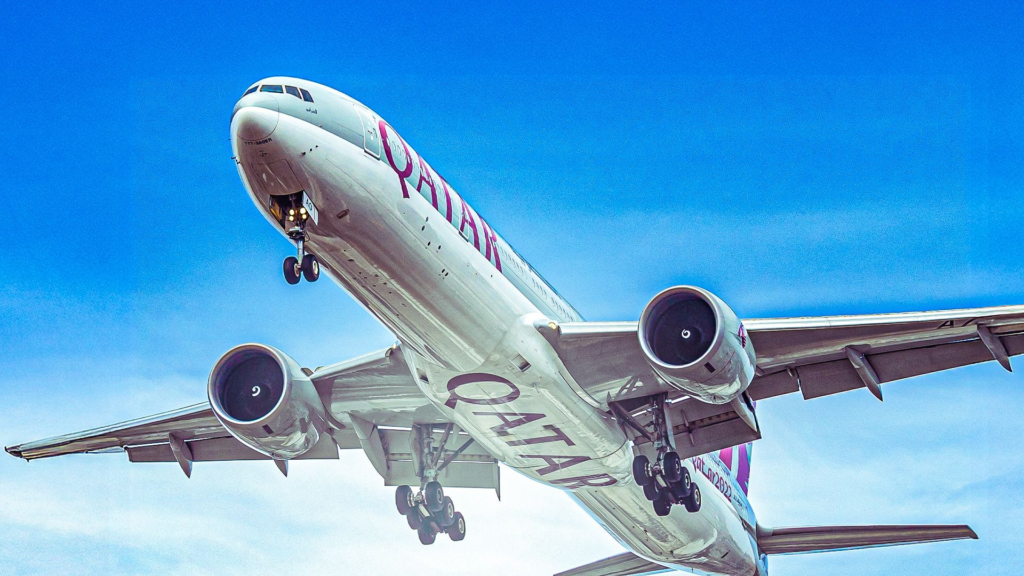


While most coverage focuses on Boeing’s recent aircraft deliveries, it is important to note the legacy of its older-generation models in the market. When the final deliveries took place last year, this marked the overall transition towards the Boeing 777X program, which will be the aircraft manufacturer’s marquee widebody program. However, the aircraft continues to face certification delays, exacerbating challenges Boeing already faced. The Boeing 777-300ER program ultimately ended after delivering more than 800 aircraft and becoming the backbone of many long-haul operations.
A Deeper Look At The Boeing 777 And Why It Was Built


The Boeing 777 is a capable long-range, twin-engine widebody aircraft, originally launched by 
These airlines wanted a modern Douglas DC-10 and Lockheed L-1011 replacement that could carry more passengers and cargo than a Boeing 767, beating four-engine aircraft on fuel burn while flying farther under extended-range twin-engine operational performance standard (ETOPS) rules. The result was a spacious, efficient twin-engine aircraft designed to deliver exceptional thrust performance.
The aircraft family has slowly grown to offer multi-mission capabilities. This includes the baseline Boeing 777-200 and the longer-range 777-200ER. The stretched 777-300 also offered additional capacity on slot-constrained trunk routes. The 777-300ER slowly became the world’s best-selling widebody aircraft. Other family variants include the ultra-long-range 777-200LR and the 777F freighter. Airlines adopted the jet for service on long overwater routes and used it to upgauge dense international banks without adding the high costs that come along with the 747. From an operational perspective, the 777 offered two-pilot efficiency, impressive dispatch reliability, and generous belly cargo revenue capabilities.
A Deeper Look At The Boeing 777-300ER


The Boeing 777-300ER has slowly become the long-haul workhorse of the 2000s and the 2010s as it paired a stretched and reinforced version of the Boeing 777 airframe with the exceptionally capable General Electric GE90-115B. This engine is the highest-thrust commercial turbofan ever certified. Eventually entering service in 2004, the aircraft delivered the payload capabilities of a Boeing 747 while bringing along the operating economics of a twin-engine plane. This aircraft enabled airlines to retire four-engine aircraft while maintaining capacity on international trunk routes. Here are some specifications for the Boeing 777-300ER, according to data from manufacturer Boeing:
|
Category: |
Boeing 777-300ER Specification: |
|---|---|
|
Typical 2-Class Seating: |
396 seats |
|
Maximum Takeoff Weight (MTOW): |
775,000 lbs (351,533 kg) |
|
Service Ceiling: |
43,100 feet (13,100 meters) |
Key design changes over earlier Boeing 777 models included raked wingtips and a reinforced wing, which came with a higher maximum takeoff weight (MTOW) of around 775,000 lbs. The aircraft is equipped with a semi-levered main gear for rotation on heavy departures, while also offering aerodynamic refinements to curb overall drag at cruising speed. Typical three-class seating is available for around 360-400. Many carriers later would densify to allow 10-abreast economy-class seating, which would offer stronger unit revenue generation.
With a range of nearly 7,300 nautical miles and the capacity for robust belly cargo, the Boeing 777-300ER can profitably link large hubs and fly long, slot-constrained routes where yield mixes lean towards premium cabins. The aircraft’s dispatch reliability exceeds 99%, and ETOPS extensions offer planners confidence for polar and oceanic routings. From a strategic perspective, the aircraft was the default answer for long-haul airlines. The aircraft is used by airlines ranging from Emirates to Cathay Pacific and Air France, ultimately making the Boeing 777-300ER the best-selling 777 variant.
A Deeper Look At Why The 777-300ER Has Become So Popular With Operators


Many operators flocked to the Boeing 777-300ER because it solved three problems at once. It allowed airlines to deliver on capacity, costs, and cargo capabilities while offering near-Boeing 747 payloads. The aircraft’s exceptional range came along with impressive fuel efficiency, allowing airlines to retire four-engine models. However, they could still keep the number of seats that they wanted on dense intercontinental services.
The General Electric GE90-115B offered impressive performance on hot-and-high runways while also offering exceptional second-segment climbing capabilities. Belly space on the aircraft has slowly become its quiet profit engine, offering consistent freight revenue that smoothed shoulder seasons and protected overall margins when premium demand has softened. Overall aircraft reliability has exceeded 99%, and extended-range twin-engine operational performance standards extensions unlocked efficient polar and oceanic routings alongside reduced overall block times and spare-aircraft needs.
Timing amplified these assets. The Airbus A340’s overall operating economics have slowly begun to fade as many 747-400s were also phased out. The 777-300ER arrived just as slot-scarce hubs began to demand higher-gauge operations. Delays in new aircraft programs left a multi-year window in which the 777-300ER was simply the best aircraft for overall global network growth. The aircraft was operationally friendly, and its commonality with other Boeing 777 aircraft simplified overall training and maintenance. A vast maintenance, repair, and overhaul network helped the aircraft maintain fully predictable spare parts delivery times. Lease liquidity enabled airlines to easily ramp up and down capacity in line with demand, which could vary seasonally.
What Airlines Operate The Boeing 777-300ER Today?

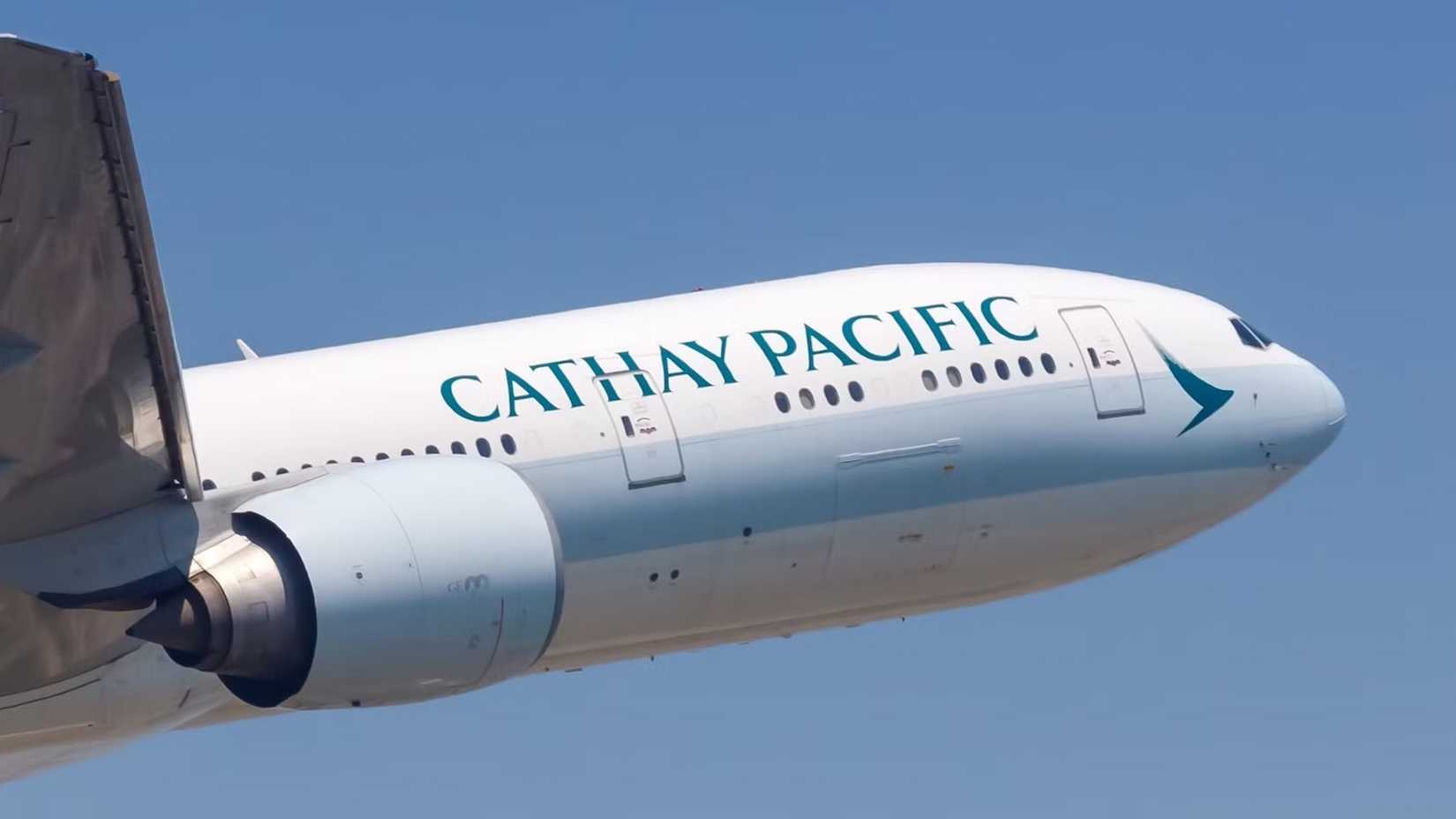
The Boeing 777-300ER is widely flown across global network carrier fleets, mostly concentrated among large hub-and-spoke carriers that balance premium demand with stronger overall belly cargo. Emirates is by far the largest operator of the aircraft, with roughly 119 of the type in service supporting a long-haul network operated out of Dubai International Airport (DXB). Qatar Airways, Air France, Cathay Pacific, 
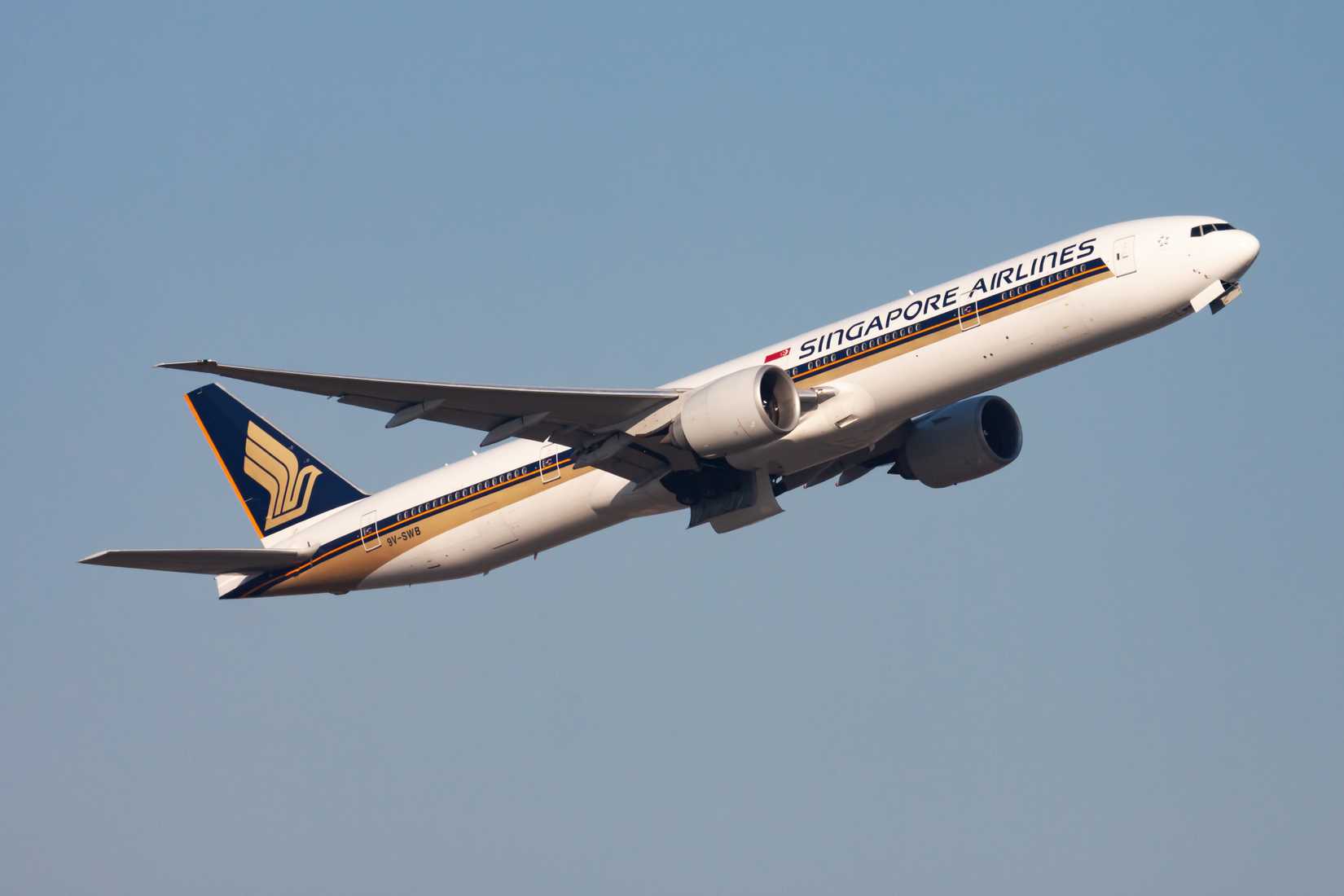
North American operators of the type include American Airlines and Air Canada, alongside United Airlines, which acquired the aircraft later than many of its peers. In Asia, major operators of the type include Singapore Airlines, EVA Air, China Airlines, and China Eastern Airlines. These carriers all deploy the type on high-yield, long-stake markets. The leasing market has also placed Boeing 777-300ERs with airlines such as Air India and Aeroflot. The 777-300ER’s operator base truly spans the globe.
Some airlines are considering which aircraft they will use to replace the model once it is time for the model to be retired. The Boeing 777X and the Airbus A350 will likely serve as the key replacement for the 777-300ER, although most airlines have yet to put together a cohesive plan for what they will replace the jet with.
When And How Did The Boeing 777-300ER’s Production End?
The production of the 777-300ER ended in 2024, when the aircraft manufacturer delivered the program’s final airframe. This marked the end of an era for the company. Multiple industry reports have noted that Boeing actually did not make a splashy announcement when the program came to a close, and instead, the line was quietly wound down as outstanding inventory was ultimately cleared, and attention began to shift towards the Boeing 777X.
Ongoing freighter development work also played a role for the carrier, with the Boeing 777F ultimately ending production next year as well. The Boeing 777-8F will soon become the manufacturer’s marquee freighter. Reports have identified the last aircraft as a long-stored Boeing 777-300ER, originally built for China Southern, placed into service by lessor Altavair, and ultimately delivered in 2024.
The Boeing 777-300ER set records, and it lives on despite no longer rolling off Boeing assembly lines. This allows the manufacturer to finish storing airframes and letting delivery records mark the close, not necessarily a ceremonial roll-out across the board.
What is The Bottom Line?

At the end of the day, the core question we have attempted to answer in this piece is: what factors drove the 777-300ER to go down in history as the most successful aircraft variant adopted by airlines worldwide? Few aircraft have ever proven capable of matching the 777-300ER’s long-haul capabilities, especially given the aircraft’s cabin size.
Some operators ultimately preferred other models, but the 777-300ER’s combination of deployable gauge, range, and premium capacity consistently made it a winner. It will certainly remain a key part of airline fleets for years to come as 777X aircraft slowly enter service.
Legacy operators of the 777-300ER, many of which still operate the type today, have relied on the jet as a flagship premium workhorse, helping bolster yields. For years, the 777-300ER was the twin-engine backbone for many of the world’s best-known airlines, and its presence today continues to dwarf that of most other two-engine widebodies.
source