


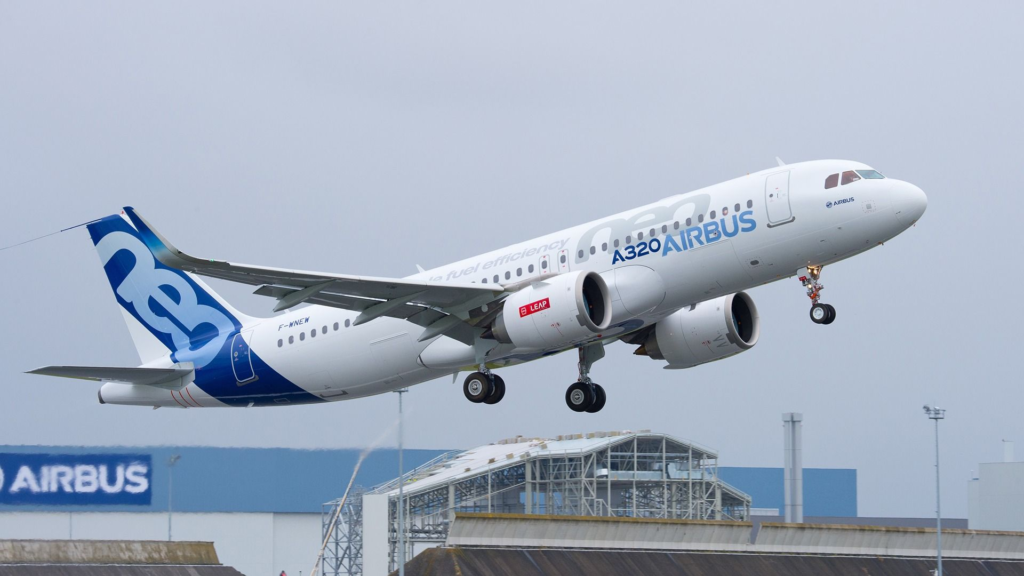
The Airbus A320 recently became the best-selling commercial aircraft family in history, dethroning the Boeing 737 in the process. The A320 has come a long way since its entry into commercial service in 1988, and has proved to be immensely popular with airlines and passengers around the world.
In this article, we will take a look at how the Airbus A320 has surpassed the Boeing 737 in terms of the number of deliveries, and we will also consider the impact of the popular narrowbody aircraft on the wider commercial aviation industry.
The 12,260th Airbus A320

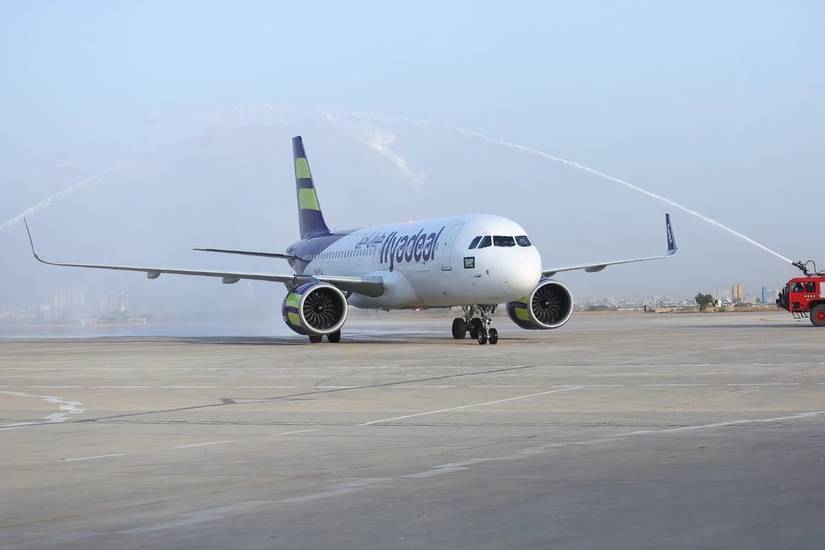
In October 2025, Airbus delivered its 12,260th Airbus A320 family aircraft, officially making the A320 the best-selling commercial aircraft family in history, surpassing the Boeing 737. This is quite an incredible achievement, especially considering that deliveries of the Airbus A320 only began in 1988, some 20 years after the first Boeing 737, which entered commercial service in 1968.
The 12,260th A320 delivery was an A320neo bound for the Saudi Arabian low-cost carrier flyadeal. The airline is based at Jeddah King Abdulaziz International Airport (JED), with the latest data from ch-aviation showing that flyadeal currently operates a fleet of 41 aircraft, made up of 11 Airbus A320s and 30 A320neos. The carrier has a further 15 A320neos on order, in addition to 39 A321neos and ten A330-900s, several of which were originally destined for the airline’s parent company and Saudi Arabian flag carrier, Saudia.
The Airbus A320 Family

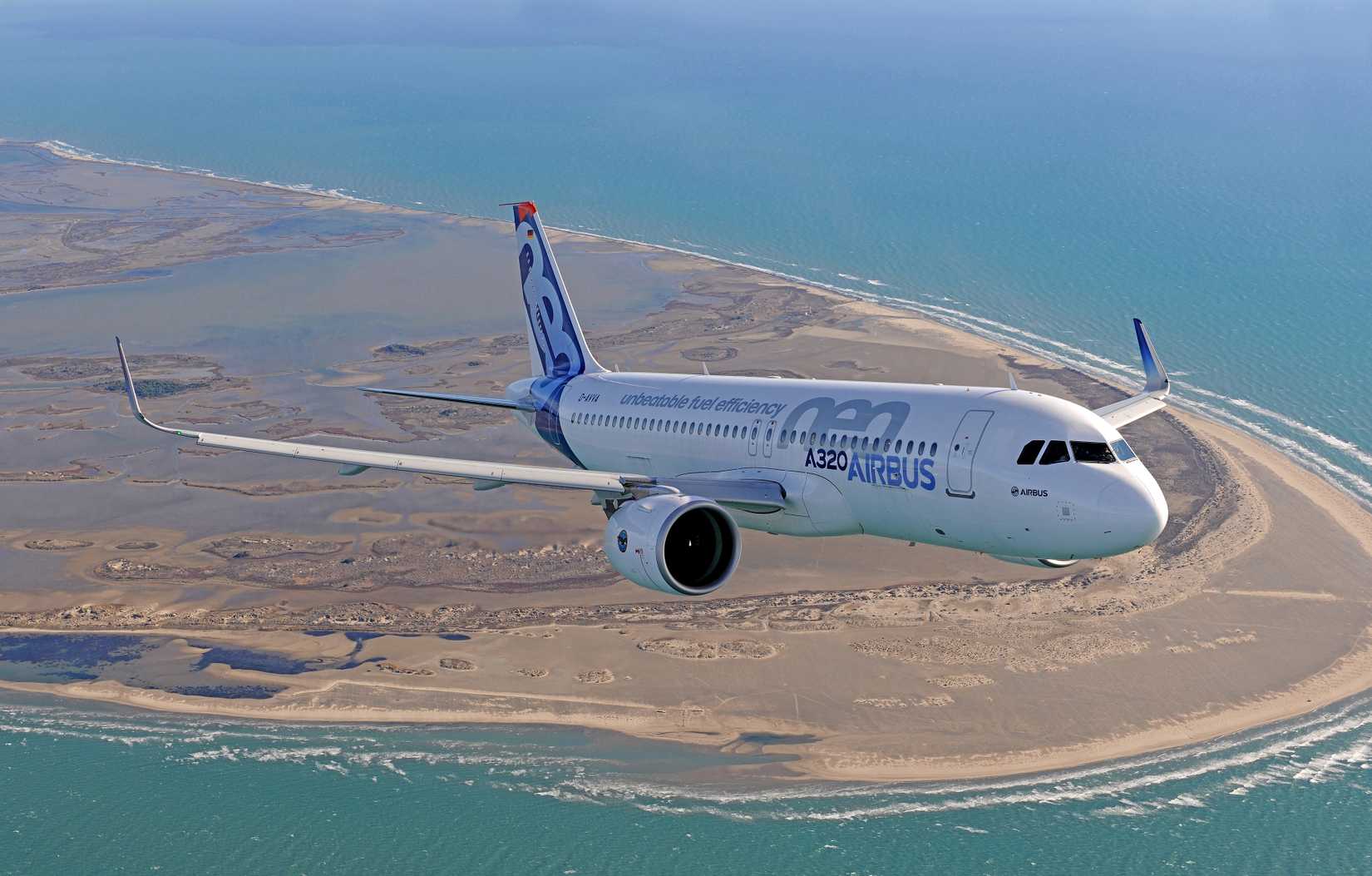
The Airbus A320 family of aircraft officially refers to the A318, A319, A319neo, A320, A320neo, A321, A321neo, and A321XLR. However, not all of these are currently in production by the European manufacturer. The variants that Airbus is currently building and delivering are the A319neo, A320neo, A321neo (including A321LR), and A321XLR.
The table below summarizes some of the features, such as range, passenger capacity, and Maximum Take-Off Weight (MTOW), of each of the Airbus A320 family variants currently in production:
|
Aircraft |
Range |
Maximum Passenger Capacity |
Maximum Take-Off Weight |
|---|---|---|---|
|
Airbus A319neo |
4,200 miles |
160 |
75.5 tons |
|
Airbus A320neo |
3,900 miles |
194 |
79 tons |
|
Airbus A321neo |
4,600 miles |
244 |
97 tons |
|
Airbus A321XLR |
5,400 miles |
244 |
101 tons |
Why Airlines Love The Airbus A320

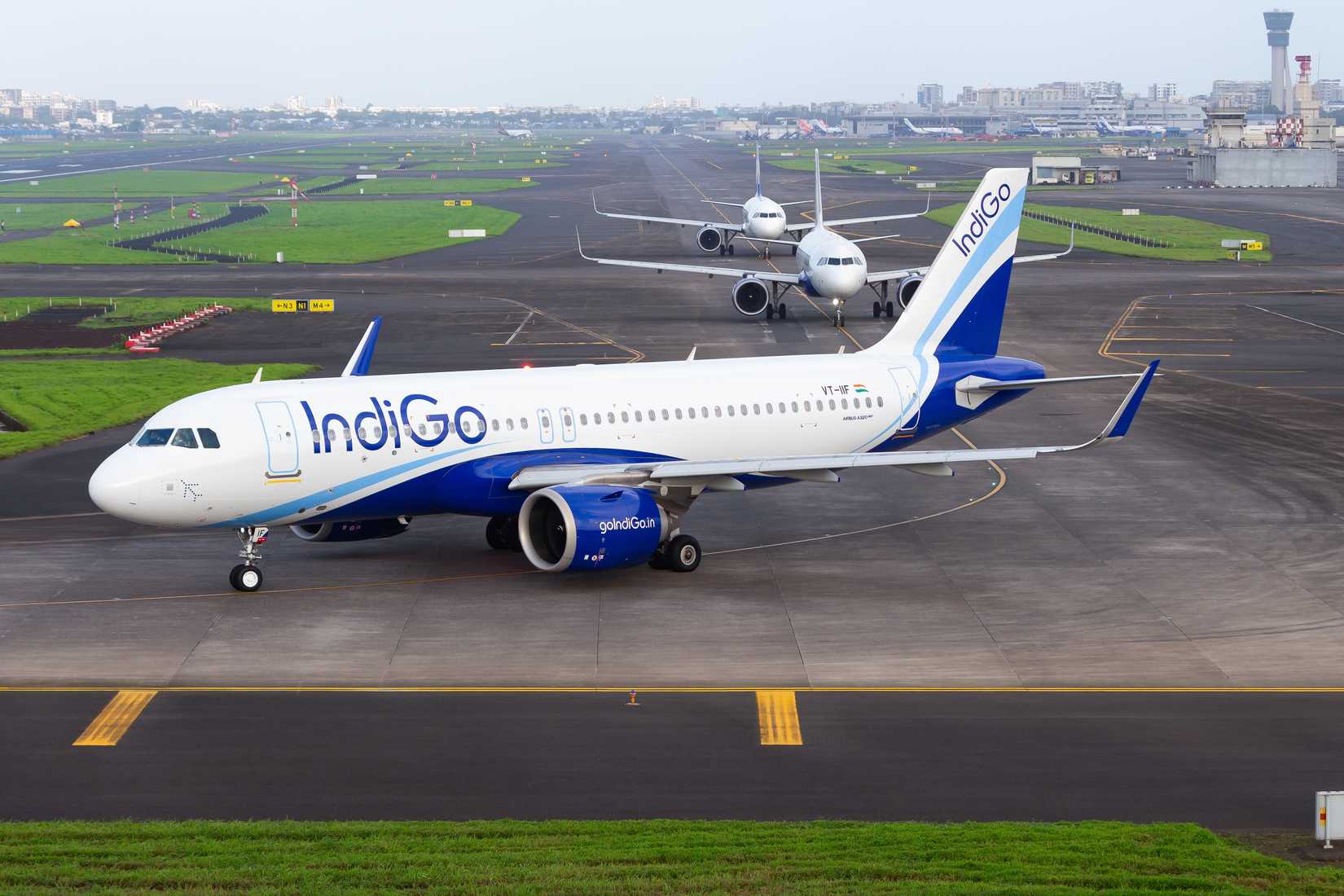
Since its introduction in the late 1980s, the Airbus A320 has consistently offered strong fuel efficiency, low operating costs, and a comfortable cabin layout, making it ideal for short- to medium-haul routes. Its advanced fly-by-wire control system, a first in commercial aviation at the time, allowed for smoother handling, reduced pilot workload, and improved safety. Fleet commonality among the different variants found within the A320 family has also allowed airlines to streamline their training and maintenance procedures, helping to save both time and costs.
The introduction of the NEO (new engine option) further boosted the Airbus A320 family’s popularity, offering significantly better fuel efficiency and reduced noise, aligning with wider industry environmental and economic goals.
The Airbus A320 family also offers a high degree of versatility, with different variants available for different airline needs. Smaller variants such as the A318 and A319 are perfect for short-haul routes with their lower capacity, with the likes of the larger A320 and A321 allowing airlines to increase capacity without significantly increasing their operating costs.
However, Airbus’ most recent variant, the Airbus A321XLR, is without doubt set to be a game-changer for the commercial aviation industry as more and more airlines take delivery of the long-haul narrowbody aircraft over the coming years. At least until the Boeing 737 MAX 7 and 737 MAX 10 are certified, the US manufacturer simply cannot compete with this versatility.
Boeing Has Been Plagued By Setbacks
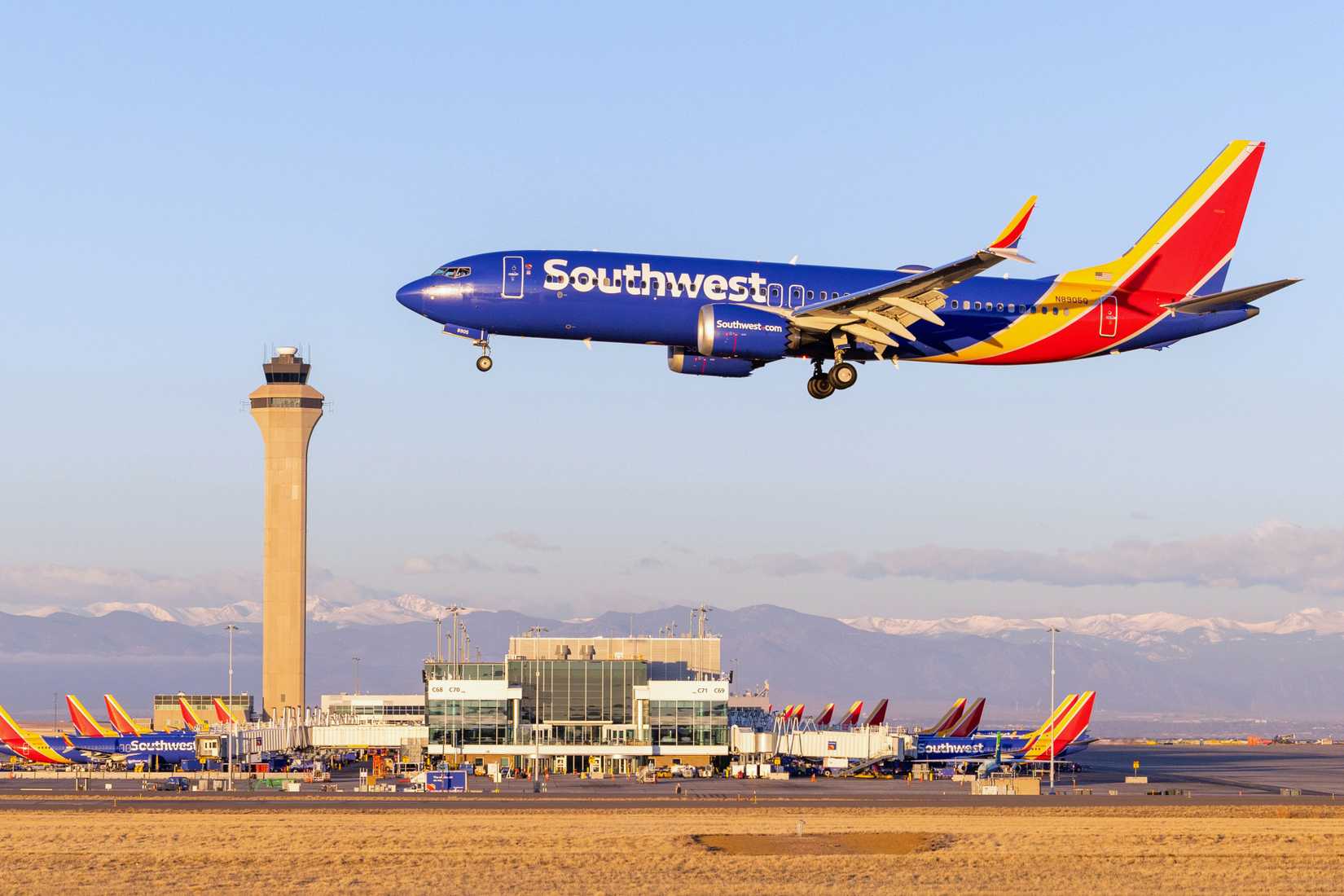
In addition to its benefits mentioned above, one of the reasons for airlines opting for the A320 family of aircraft rather than the Boeing 737 is that in recent years, Boeing has been plagued by a series of setbacks with its 737 MAX program, ranging from fatal crashes and manufacturing flaws to regulatory scrutiny and deep reputational damage.
The US manufacturer’s problems began with two catastrophic accidents – Lion Air Flight 610 in October 2018 and Ethiopian Airlines Flight 302 in March 2019. Both crashes were caused by a faulty automated system known as MCAS (Maneuvering Characteristics Augmentation System), which pushed the aircraft’s nose down due to erroneous sensor readings. In total, all 346 passengers and crew members onboard both aircraft were killed, and the incidents led to a global grounding of the Boeing 737 MAX fleet in March 2019.
The grounding lasted 20 months, during which Boeing worked to redesign the MCAS software and improve pilot training. However, the crisis revealed deeper-rooted problems surrounding the 737 MAX program, and even after the aircraft was cleared to return to service in late 2020, further problems emerged, such as in January 2024, when a door plug blew off mid-flight on an Alaska Airlines Boeing 737 MAX 9. Investigations revealed that four critical bolts had not been installed properly, in addition to manufacturing defects, such as misaligned holes and substandard components from suppliers.
Financially, the manufacturer suffered massive losses, including billions in compensation to airlines, legal settlements, and lost orders, and at the same time, its credibility with regulators, customers, and the flying public was severely damaged. Supply chain issues stemming from the COVID-19 pandemic also continue to blight Boeing, with the US manufacturer only managing to deliver a total of 348 aircraft in 2024, compared to the 766 delivered by Airbus.
Despite its recent fall from grace, we cannot underestimate the profound influence that the Boeing 737 has had on the commercial aviation industry. Designed as a smaller, more fuel-efficient aircraft than its predecessors, the 737 was built for shorter routes with fewer passengers. This enabled airlines to serve secondary airports outside major hubs, expanding access to affordable air travel and driving a surge in demand, and as the aircraft evolved with longer range and greater capacity, its compact design became the industry standard.
At its height, the Boeing 737 was responsible for nearly a third of all global flights. Today, narrowbody aircraft account for 66% of airline fleets across the world, with 


|
Aircraft |
Number In Fleet |
Number On Order |
|---|---|---|
|
Boeing 737-700 |
334 |
– |
|
Boeing 737-800 |
203 |
– |
|
Boeing 737 MAX 7 |
– |
314 |
|
Boeing 737 MAX 8 |
273 |
196 |
|
Total |
810 |
510 |
The World’s Largest Operators Of The Airbus A320

The world’s largest operator of the Airbus A320 family aircraft is 
|
Ranking |
Airline |
Airbus A318 |
Airbus A319 |
Airbus A319neo |
Airbus A320 |
Airbus A320neo |
Airbus A321 |
Airbus A321neo |
Airbus A321XLR |
Total |
|---|---|---|---|---|---|---|---|---|---|---|
|
1 |
American Airlines |
– |
133 |
– |
48 |
– |
218 |
70 |
– |
469 |
|
2 |
China Eastern Airlines |
– |
32 |
– |
142 |
120 |
74 |
22 |
– |
390 |
|
3 |
IndiGo |
– |
– |
– |
27 |
195 |
– |
195 |
– |
351 |
|
4 |
China Southern Airlines |
– |
– |
9 |
93 |
64 |
89 |
90 |
– |
345 |
With a further 96 Airbus A321neos and 50 A321XLRs on order, awaiting delivery, American Airlines is set to retain its crown as the world’s largest operator of the A320 family of aircraft for some time yet. That said, the carrier does also operate a sizable fleet of 384 Boeing 737 aircraft (made up of 303 737-800s and 81 737 MAX 8s), with a further 19 737 MAX 8s and 115 737 MAX 10s on order.
The Future Of The Airbus A320 Family

The Airbus A321XLR (Extra Long Range) is the latest and most advanced variant in the A320 family, designed to push the boundaries of narrowbody aircraft performance. Unveiled in 2019, the A321XLR builds on the success of the A321neo, but features key modifications that allow it to fly much longer distances of up to 5,400 miles. This makes it capable of flying transatlantic and other long-haul routes that were previously the domain of larger, widebody aircraft, but with the lower operating costs of a narrowbody aircraft.
The Airbus A321XLR achieves this extended range through the addition of a permanent rear center tank, modified landing gear to support a higher Maximum Take-Off Weight (MTOW), and optimized aerodynamics. Meanwhile, for passengers, the A321XLR promises improved comfort, with Airbus’ Airspace cabin design featuring larger overhead bins, better lighting, and quieter interiors. Airlines are particularly attracted to the A321XLR because it allows them to serve long-haul markets with fewer seats, matching supply to demand more efficiently.
As of October 2025, only three airlines have so far taken delivery of their first Airbus A321XLRs – Aer Lingus, Iberia, and Qantas. However, with more than 500 on order, the aircraft is set to shake up the commercial aviation world over the coming years, opening up new routes and markets, and allowing airlines to rightsize their operation on existing services.
source