


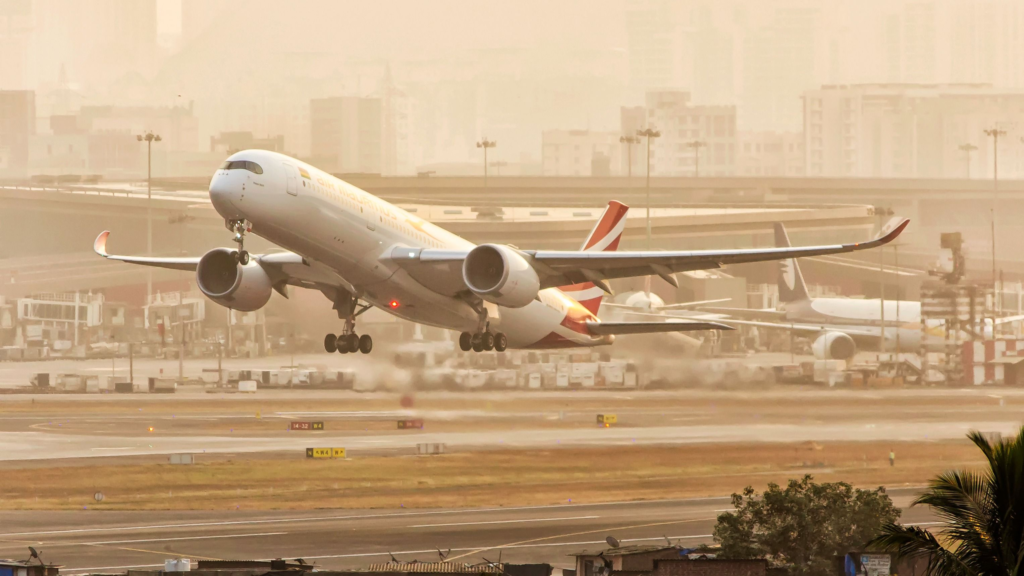
Air Mauritius is reportedly seeking to renegotiate its 2023 order for three Airbus A350 widebody aircraft. In an interview with Defi Media, the airline’s chairperson, Kremchand (Kishore) Beegoo, noted that the company’s management had made some questionable decisions in the past, with the additional A350 order being one of them.
Beegoo explained that the carrier’s existing Airbus A350 fleet is already adequate to support its long-haul operations, which currently serve two European destinations, including London and Paris.
Looking For More Versatility

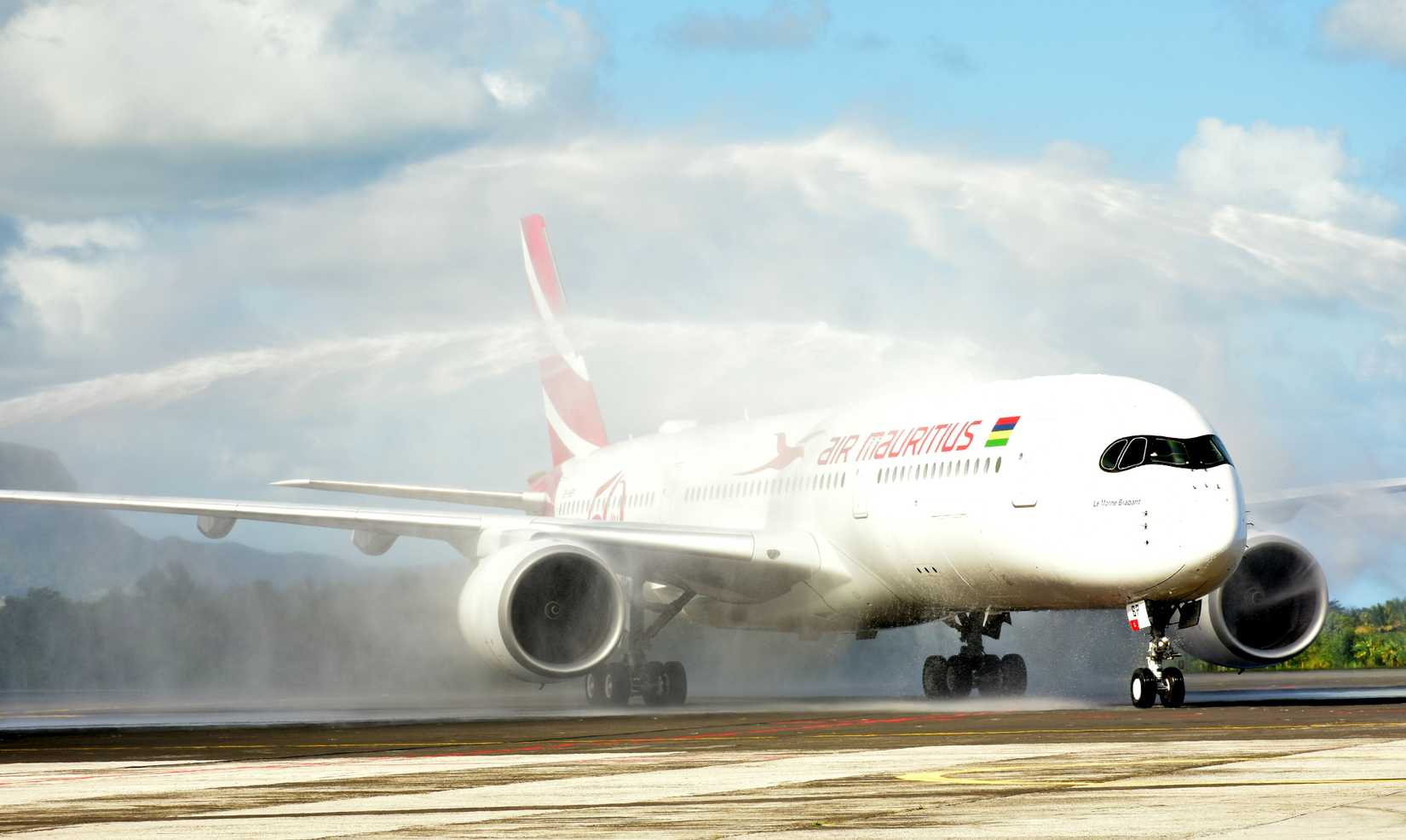
At present, Air Mauritius operates four Airbus A350-900 widebody aircraft, with an average age of 6.9 years, according to ch-aviation data. The airline is also scheduled to receive three additional A350-900s. However, the current management is reassessing the company’s financial and business strategy, as the country’s flag carrier has long struggled with financial losses, primarily from aircraft sales and lease practices.
According to the report, Air Mauritius has been seeking to renegotiate the order for the three A350-900s, given the significant financial commitment involved. In the interview, Beegoo noted that one of the aircraft is already in final assembly and will be delivered to the airline soon. He added, however, that there is still “room for maneuver” to modify or cancel the order for the remaining two A350-900s, each valued at around Rs 10 billion ($216 million). Beegoo added:
“Discussions have been initiated with Airbus to review the order configuration. The objective is clear: to replace these two large aircraft with aircraft better suited to our current operational reality, whether they are latest-generation single-aisle aircraft or long-haul aircraft with lower capacity but more versatile.”
Future Plans To Realign Its Fleet


If negotiations with Airbus are successful, Air Mauritius plans to explore other aircraft options that better align with its regional and international network needs, while also ensuring more profitable investments and tighter control over ownership and operating costs.
Currently, the country’s national airline operates a fleet of 12 aircraft with an average age of 12.4 years. Notably, more than half of the fleet consists of widebody aircraft, including four Airbus A350-900s, two Airbus A330neos, and two Airbus A330-200s. The remaining fleet is made up of two ATR 72-600s and two ATR 72-500 regional turboprops.
|
Aircraft Type |
Number Of Units |
|---|---|
|
Airbus A330-200 |
2 |
|
Airbus A330neo |
2 |
|
Airbus A350-900 |
4 |
|
ATR 72-500 |
2 |
|
ATR 72-600 |
2 |
In the interview, Air Mauritius’ chairperson did not specify which aircraft types the airline might consider as alternatives to the two A350-900s. The choice will depend on the carrier’s network objectives. At present, Air Mauritius operates nonstop flights to 13 destinations across the world, including cities in Africa, Europe, India, the Middle East, and Australia, among other destinations.
Fragile Financial Situation


Air Mauritius has been grappling with financial difficulties for more than a decade, with results fluctuating from year to year and further strained by the global COVID-19 pandemic. Despite these challenges, the airline, now under new leadership since January 2025, aims to return to profitability by the 2026/2027 financial year. There are already signs of progress.
In the first quarter of the 2025/2026 financial year, Air Mauritius posted a net profit of MUR 252.7 million ($5.4 million), its strongest first-quarter performance in the past nine years. The results cover the period between April and June 2025. Air Mauritius witnessed a continued increase in passenger revenues from MUR 5.6 billion ($121 million) to MUR 6 billion ($130 million). The number of passengers carried during the first quarter has also increased by 0.8% to reach 403,127, as compared to 399,840 during the same period in 2024.


- First Delivery
-
February 20, 2018
- Number Delivered
-
613
- Production Sites
-
Toulouse, France
This profit was achieved despite several operational challenges, including one A330-900neo being grounded for eight of the 13 weeks in the first quarter, 24 Aircraft on Ground (AOG) incidents that led to significant maintenance expenses and disruption costs, and increasing competition across several routes.
source