


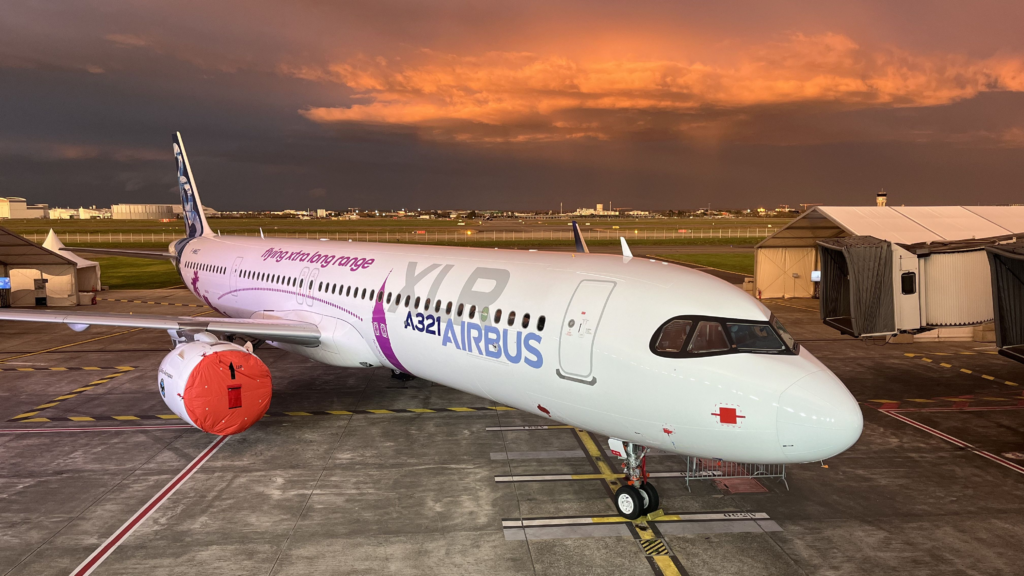
The Airbus A321XLR is an incredible aircraft. It boasts an extended range compared to its normal A321 siblings and maintains a similar capacity. In other words, its economics are significantly more favorable than those of a widebody on long-haul routes. It is perfectly suited for long and thin routes, that is, those with perhaps insufficient demand for regular widebody service.
It is an easy plane to fill, therefore. With less capacity and generally lower per-seat fuel burn, its ability to fly these routes successfully is unmatched. However, as with any plane, it comes with its own risks. These are often undiscussed, simply because the benefits outweigh the drawbacks by a margin—and I am not looking to dispute that.
Theoretical Range Vs Real Range


The main appeal of the A321XLR is, of course, its range. Its ability to fly long distances at incredible costs makes it ideal for all airlines in an age of heavy competition in the industry across most major markets. Most understood is its ability to fly transatlantically without stopping, making previously unserved markets between North America, Europe, and North Africa finally accessible.
However, it seems that Airbus’s advertised range of 4,700nm is not actually reachable with the type in a standard configuration. Iberia, which received its first A321XLR at the end of October last year, says the aircraft can only really reach 3,920nm with its (very standard) configuration of 192 seats. Inevitably, this raises questions as to the actual benefits of the aircraft. The range discrepancy is significant.
Thankfully, it can still make the hop across the pond. Its costs are favorable even with the slightly reduced range, and the opportunities it opens up are game-changing indeed. A lot does depend on geography, though, particularly as a result of the range discrepancy. 


Gaining Market Share

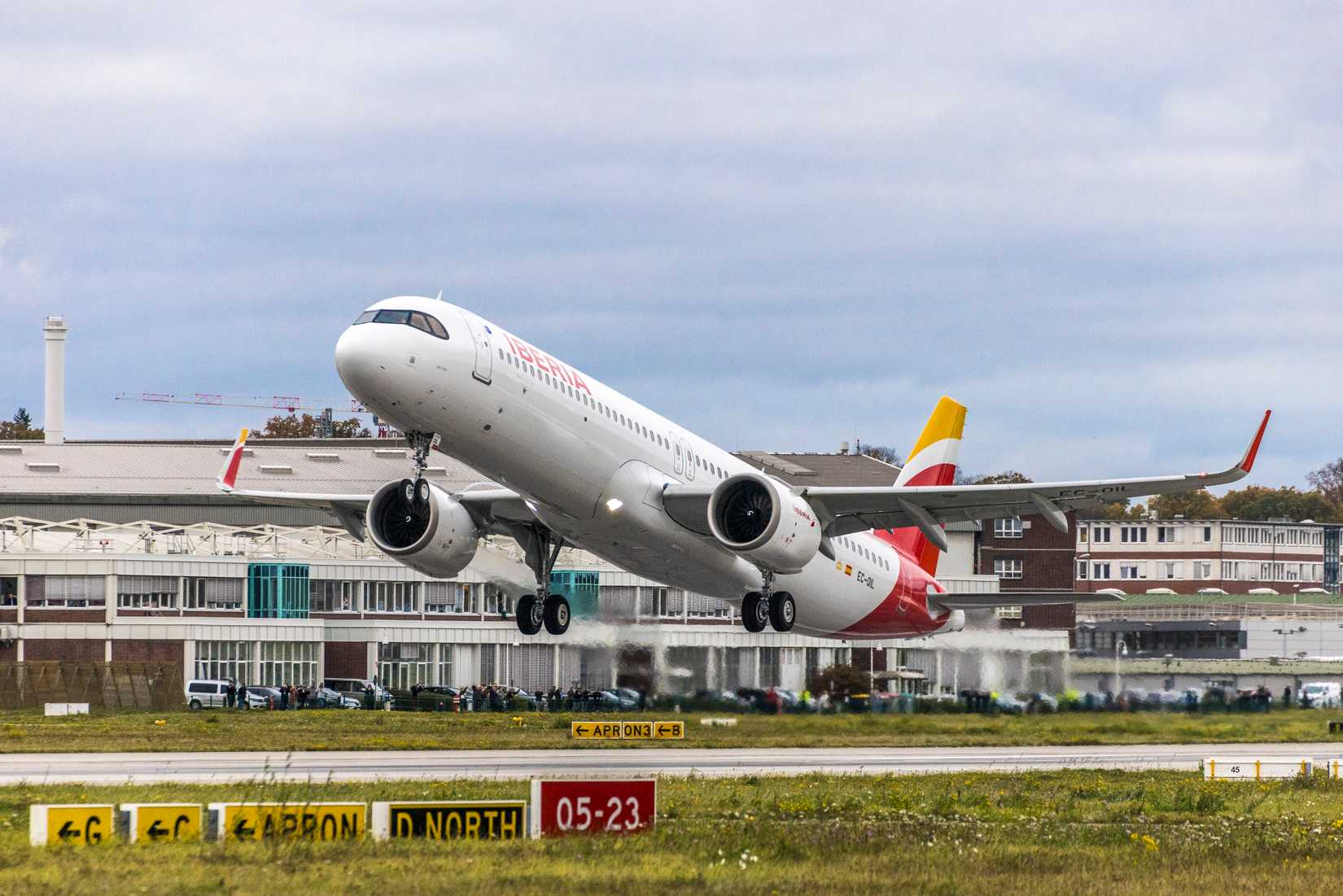
I want to take a moment to highlight some of the A321XLR’s advantages to explain another risk (which is by no means a design flaw). The aircraft’s relative trip costs are roughly half those of a twin-aisle aircraft. At the same time, its unit costs are similar, making it a low-risk aircraft for new and unserved markets. Long-haul ventures are expensive, and new routes require time to mature, especially when it comes to filling a widebody plane.
Paradoxically, perhaps, it is here that airlines need to be careful. The A321XLR makes niche markets accessible, while on larger more established routes, the A321XLR allows airlines to offer multiple frequencies at a similar capacity, where they might have previously offered a single daily widebody flight. More frequencies mean a more attractive offer for customers.
Aegean Airlines announced it would order two A321XLRs – a move I see as possibly risky. It does not have the scale with which to take advantage of the frequency-convenience aspect of the A321XLR. This is especially true as IndiGo—which has a considerably lower cost base and 69 XLRs on order—plans to launch flights to Athens itself with the type in the next 12 months. It is worth noting that while I believe it might be risky, Aegean Airlines’ order and plan is a good, strategic idea. Whether it can establish itself in the market is a different question as I think there is sufficient demand for the routes to be profitable in any case depending on how many frequencies IndiGo decides to offer.
|
Aegean Airlines’ A321XLR Plan Analysis |
||||
|---|---|---|---|---|
|
Frequency Plan |
Passenger Numbers* |
Average One-Way Fare* |
Comments |
|
|
Mumbai |
3 weekly |
24,000 |
$612 |
Aegean will be able to charge the higher end of this one-way average at least initially even despite heavy competition from the Gulf carriers. When IndiGo enters the market, Aegean will most likely become the price-taker. |
|
Delhi |
5 weekly |
47,000 |
$482 |
|
|
*based on OAG Traffic Analyzer data for the 12 months ending July 2024 |
||||
Not Really Suited For All Markets


The A321XLR is not great when it comes to cargo capacity on two counts. Firstly, there is a bit of a risk when looking at the luggage brought on board by passengers. Indeed, for things like the transatlantic market, that is not much of an issue, as passengers bring less baggage on average compared to other long-haul destinations. However, when it comes to flights to Africa for instance, the luggage space on the A321XLR might not be sufficient. As CEO Dorothea Von Boxberg told me in an interview last year, that’s precisely why Brussels Airlines ruled out the type from its possible future fleet.
Secondly, when looking at cargo beyond that transported by passengers, it is a lucrative business. With its limited cargo capacity, airlines would not be able to make as much money in this segment as they would with a widebody plane. The full focus is on filling the seats, therefore. All things considered, that is not catastrophic given the economics of the plane. But it does limit its deployment possibilities to markets that airlines don’t necessarily serve for their cargo demand.
A final risk would be regarding deployment flexibility. Where full-service airlines have complex cabin configurations, including lie-flat business class seats in some cases, low-cost airlines have very simple all-economy layouts (such is the case for Wizz Air). For the former, that makes it harder to deploy the plane on short-haul routes where needed, whereas for Wizz Air, that’s not an issue as the onboard product is similar.


- ICAO Code
-
A21N
- IATA Code
-
321
- First Flight Date
-
15 June 2022
source