


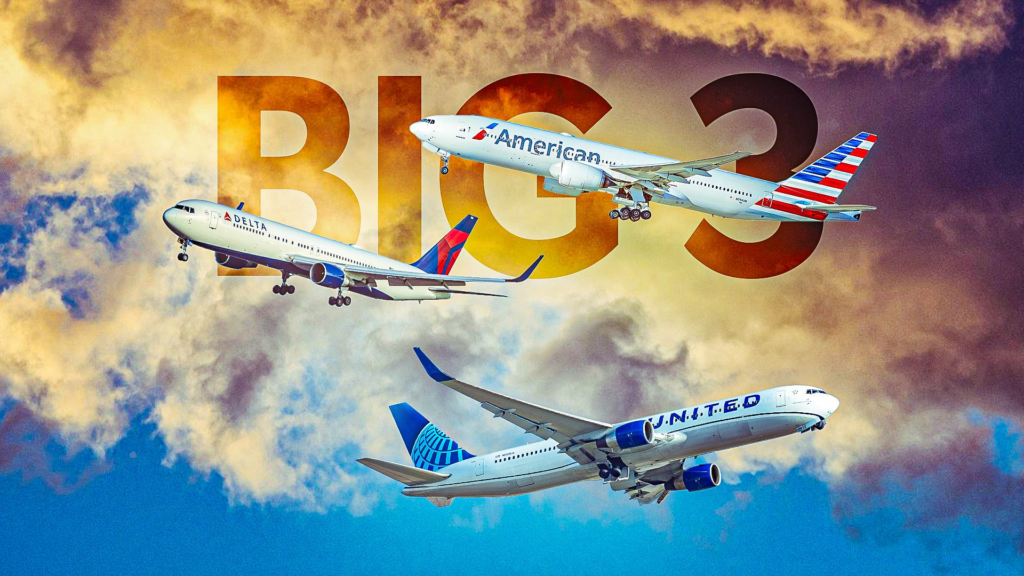
The air travel market in the United States is dominated by the “big three:” 


Along with unique features, amenities, airfare, and service options, the three leading airlines in the US have distinct strategies that have shaped their choices of aircraft, biggest hubs, and destinations within each network. As the post-COVID era of flying ramps up with strong resurging demand for air travel, every airline in the world is adapting to the new market. So too are the big three, as they modernize their fleets, reinvest in core airfields, and revamp the flying experience from lounges to cabin amenities.
In this review, we will explore several of the key areas that underlie the image, identity, business strategy, and future course of each of America’s top air carriers. So let’s dive into the details.
Luxury Leader: Premium Cabins

The Lounge Leader


The Polaris Lounges of United Airlines are often ranked very high and widely considered the best experience for international flyers when comparing the big three. Polaris stands out for the sit-down dining experience, diverse and high-quality dining options, as well as the shower rooms and sound-insulated rest areas. Aside from the buffet and all-you-can-drink menu that includes signature cocktails, there is also an à la carte menu available.
Delta Sky Clubs may not rank as highly as Polaris Lounges in terms of amenities, but the network is appreciated by frequent flyers for its consistency and high standard of service across the entire network. The Delta One Lounges are an exclusive option that is highly competitive with Polaris. The three lounges are located at New York JFK International (JFK), Boston Logan Airport (BOS), and Los Angeles International (LAX).
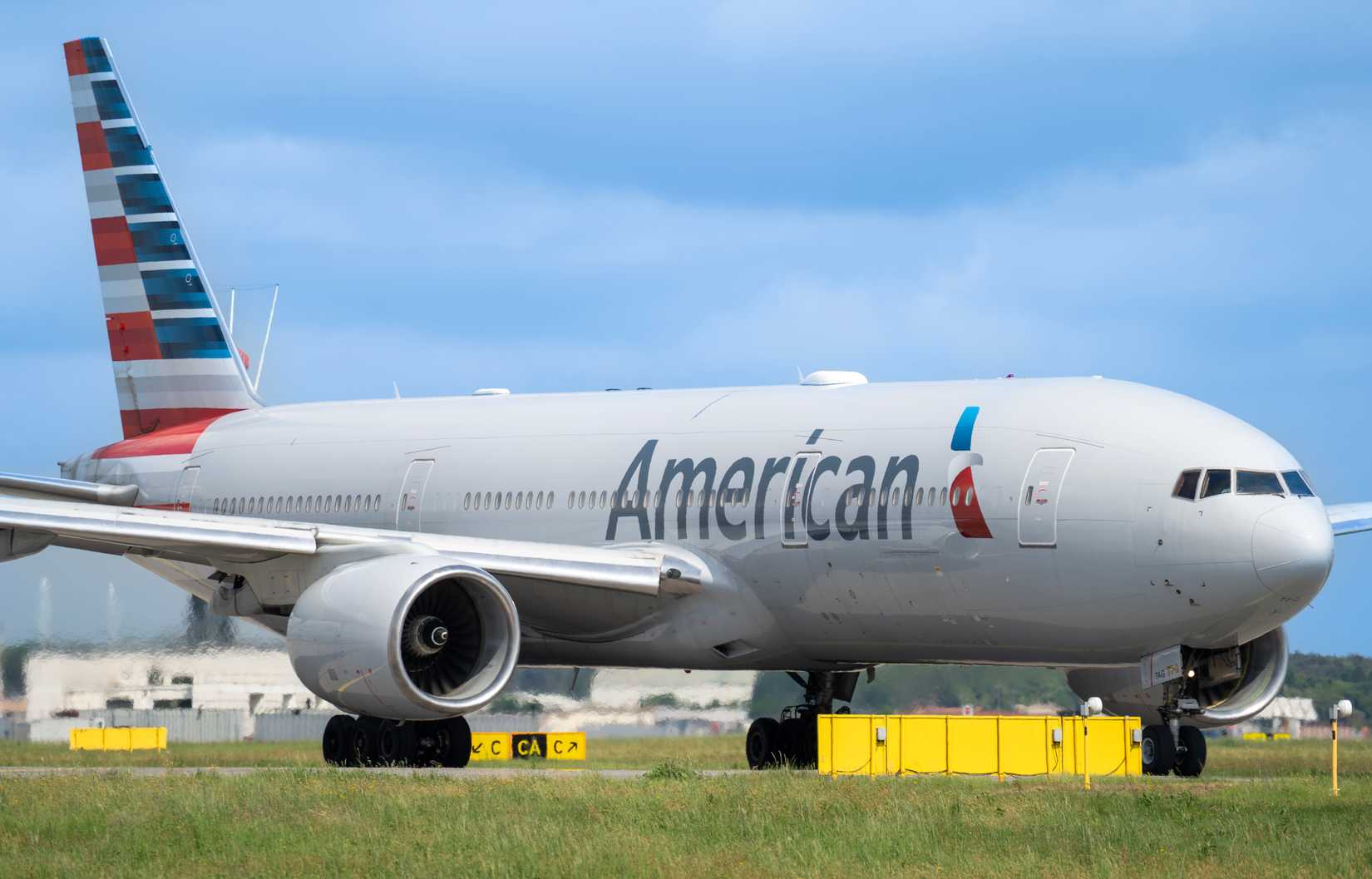
American’s Admirals Clubs are generally ranked a bit below the Sky Clubs for more limited food and beverage selections. The Flagship Lounges are highly reviewed, but limited locations and access mean that not every AA itinerary can enjoy the experience. The Chelsea Lounge at New York’s JFK Airport (JFK) is a standout location that is well worth the visit for flyers with the opportunity.
Home Court Advantage: Biggest HQ Hub


Delta’s home turf at Hartsfield–Jackson Atlanta International Airport (ATL) ranks as the busiest airport in the world, with over 100 million flyers passing through its doors every year. The airline dominates its historic home and has one of the world’s largest maintenance, repair, and overhaul (MRO) operations on site as well. The win in this category goes to Delta’s ATL mega-hub, but the other members of the big three call airfields that are far from paltry home.
American Airlines has had its headquarters at Dallas/Fort Worth International Airport (DFW) since the days of deregulation in the late 1970s. DFW has grown to be one of the largest hubs in the world in terms of traffic, sheer scale, and domination by AA, which controls roughly 80-85% of traffic. Nipping at the heels of ATL, DFW is modernizing heavily, with big plans for a new terminal and campus-wide improvements over the coming years.
United has its strongest and longest-running presence at Chicago–O’Hare International Airport (ORD), but Denver International Airport (DEN) has seen steadily increasing traffic over the years and rivals ORD for the top spot today. The United headquarters is based in Chicago, which lends an advantage to ORD over DEN in terms of business strategy. Newark Airport (EWR) and Houston International (IAH) also see a large traffic share of United’s overall operations as part of a more distributed model that doesn’t concentrate on one single mega-hub.
By The Numbers: Largest Fleet


The aircraft count that each of the big three commands is truly staggering. However, one must stand above the rest. Over the decades, the fleet leader has jostled back and forth but in 2025, United takes the lead. United has over 1,050 aircraft in its fleet, American can boast just over 1,000, while Delta is not far behind in the high 900’s. All three have large orders placed with both Boeing and Airbus for future narrowbody and widebody airframes as well.
United is the most loyal Boeing customer of the big three, and in the world, in fact. Over half of United’s fleet is Boeing 737 jets of varying types, as well as a number of legacy 757s. The widebody fleet is also Boeing heavy with 767s, 777s, and 787s, according to Planespotters.net data. With over 560 737s on the flightline, United still found room for some Airbus narrowbodies. Surprisingly, neither United nor the other two members of the big three have ordered a single 777X next-generation widebody from Boeing.
American and Delta both have a more diverse fleet, relatively speaking, as there are only two brands to choose from in modern-day commercial aircraft. Both AA and DL have a mix of Boeing and Airbus airframes. One note is that Delta has moved away from Boeing widebodies completely. American still flies 777s and new 787s, but Delta exclusively operates A350 widebodies for long-haul routes.
The big three have all made it clear that none of them are interested in buying the 777X. The three leading US carriers all said the same thing: the 777X simply doesn’t fit their network. The gigantic twinjet with its industry-first folding wingtips and record-breaking GE9X turbofans will be seen on many flightlines around the world under the banner of Lufthansa, Emirates, Qatar Airways, and more, but not one will wear the livery of a US airline.
Network Breakdown And Airline Alliances

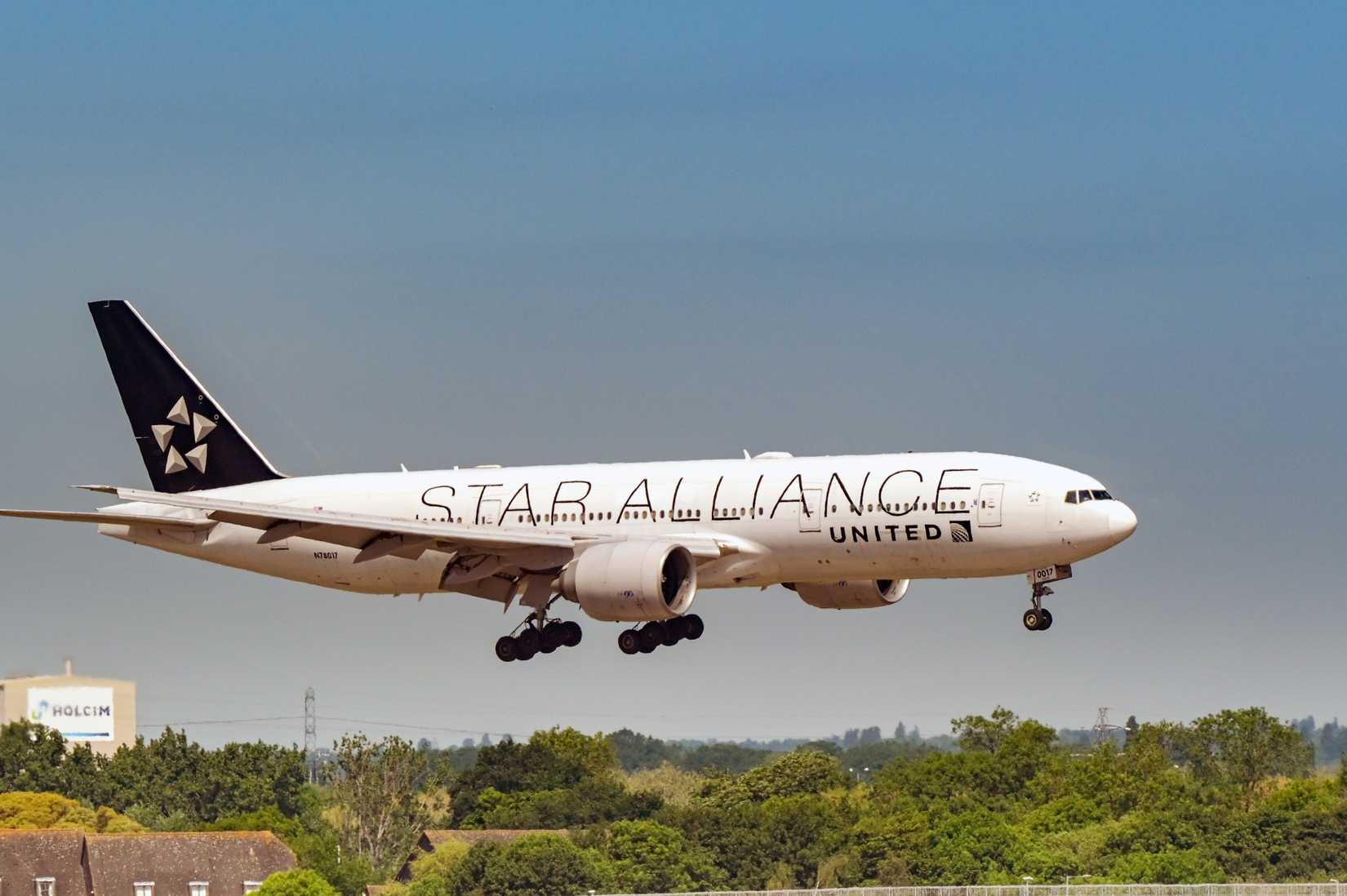
Each airline in the big three has a comprehensive domestic network, and they all offer international destinations, but which is strongest in each domain? Generally speaking, Delta is regarded as the leader in terms of domestic coverage, while United’s international portfolio is bigger than the other two in the post-COVID era. American is strong in Latin America and has a healthy number of European destinations, but it can’t match its rivals as its network is still rebounding from the Coronavirus Pandemic’s devastating blows to global air travel.
Delta is a founding member of the SkyTeam alliance, United is a founder of the Star Alliance, and American Airlines helped found the oneworld alliance. Today, Star Alliance is the biggest with 26 members creating a combined coverage of over 1,000 destinations in nearly 200 countries. Air India joined the Star Alliance in 2023, bolstering the roster, and ITA Airways is expected to leave SkyTeam in 2026 and join up as well due to its acquisition by Lufthansa, which is a founding member.
SkyTeam is not far behind, with 19 members and nearly as many destinations and nations in the combined network scope of the alliance. Meanwhile, oneworld has 15 members and a marginally lower amount of coverage in the globe-circling partnership. The comparison holds United and Star Alliance on top, with some top-tier partners like Singapore Airlines, ANA, and Turkish Airlines.
SkyTeam is concentrated on a robust transatlantic joint venture with Air France-KLM. The network is less consistent outside this central partnership, but it still offers perks and options with many other carriers. Qatar Airways, Cathay Pacific, and Japan Airlines all give the oneworld alliance a strong team of reliable and high-quality carriers in partnership to make international flying a great experience for premium or economy travelers.
source