


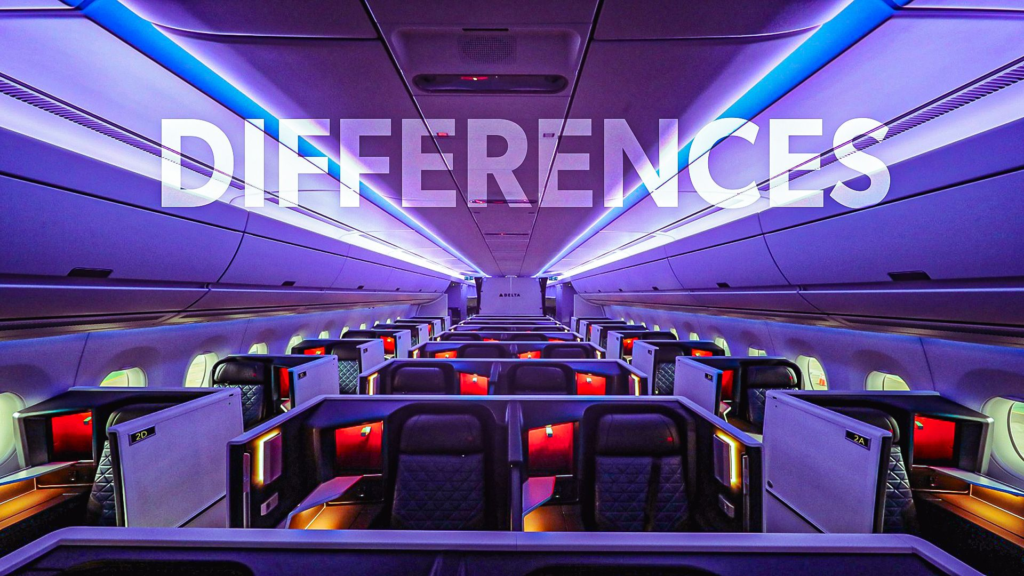
Although we are seeing changes in the airline industry related to premium cabins, it seems that the differences between first class and business class are becoming increasingly blurred. First class travel is unattainable for most and extremely expensive, while business class can be more achievable for some. In the US, there is also first class on some domestic flights, but what exactly does it provide, and how do they all compare? Let’s take a look in more detail.
In general, first class and business class seats offer more legroom, larger seats, and more options for dining on high-quality meals. Usually, when booking these seats, passengers receive priority check-in, an increased baggage allowance as well as a luxury amenity kit. Most offer comfortable lie-flat seats and a menu curated by famous chefs. But how do they all compare, and which is better?
Exploring First Class And Business Class

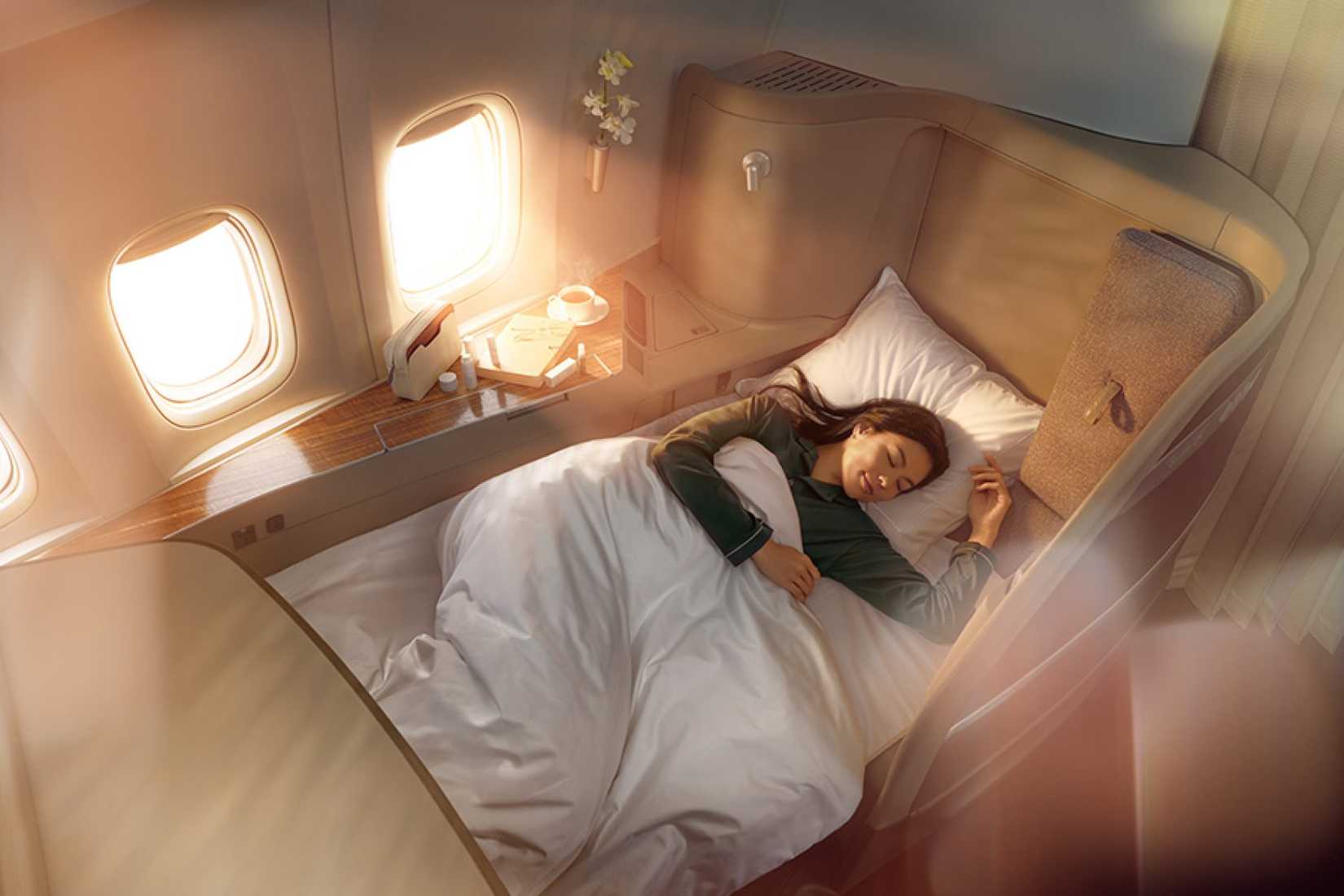
The differences between business class and first class are not always clear, and it depends on what the airlines offer for each cabin. For example, international airlines offer lie-flat seats in their business class products as standard and access to an airport lounge. First class is very similar, but often in a much smaller cabin and with more privacy. Suites are becoming much more the norm in both business class and first class.
International airlines that offer both business class and first class cabins include 

On the Japan Airlines A350-1000, the first class seat is twice the size of the business class seat, offering ample space and supreme comfort. Emirates A380s have shower spas as a special feature, as do Etihad’s A380s. Tickets in business class and first class do not come cheap unless you pay for an upgrade or use points. For example, a flight from New York to Munich with Lufthansa can cost $3,200 in business class and up to $15,000 in first class.
What Exactly Is Domestic First Class?
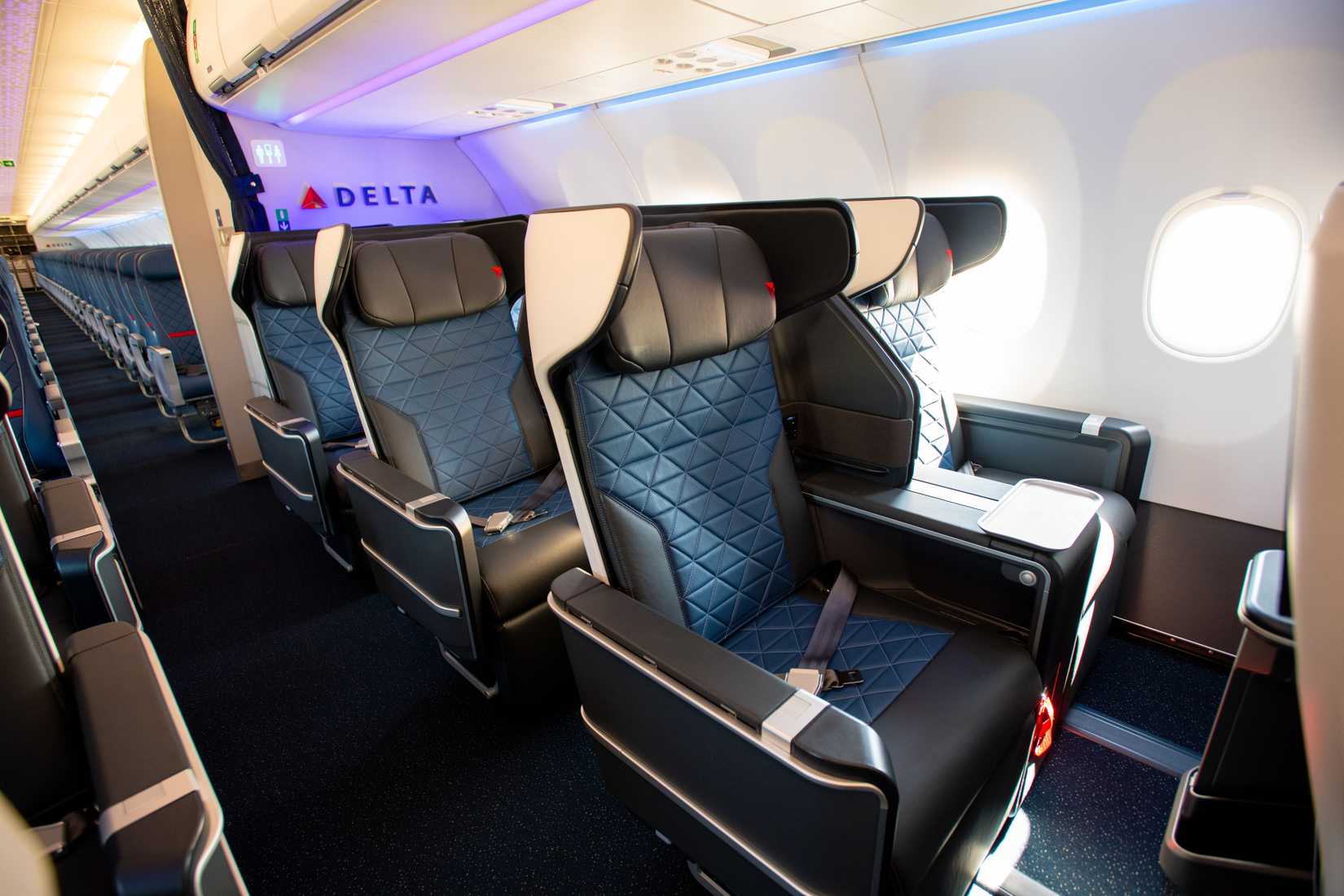
Domestic first class is unusual in that it doesn’t have all the usual features of first class or business class offered by international airlines. The seat is larger and more comfortable than an economy seat with more legroom, and the smaller cabin makes it more private. There is still the extra baggage allowance, priority check-in, and boarding as would be expected. Plated meals and premium drinks are served by dedicated flight attendants. One of the distinctive advantages of domestic first class is that it is not as expensive as a normal first class ticket would be, say, for an international flight.
One of the disadvantages of flying first class on a domestic flight is that no lounge access is guaranteed. The main difference, and some would say disadvantage, is that a lie-flat seat is very rare. First class on a domestic flight is basically a comfortable seat in a smaller forward cabin but without a lie-flat seat. It is not a true first class by international standards, but a service akin to the premium economy product of international airlines.
Traveling first class on a domestic flight is something of an anomaly and unique to the US. In Europe and Asia, for example, domestic routes usually only have business class and economy. Of course, this can vary if an aircraft is fitted with three or four class cabins and is deployed on a different route due to operational requirements. In general, this first class cabin is only on US domestic flights, but it may also operate occasionally on some short-haul international flights.
Exploring First Class On International Airlines


International flights in first class are most definitely a luxury experience. Priority check-in and boarding are separate from all other passengers. The baggage allowance is also increased, with some airlines allowing two items of up to 72 pounds (32 kilo) to be checked in. Passengers may use the dedicated first class lounge prior to boarding, and some lounges offer extra perks like a free massage or spa treatment alongside the finest meals and champagne. Chauffeur services are sometimes provided to and from the airport.
Onboard the aircraft, the seats in first class are large and luxurious and sometimes in suite format, where a privacy door can be closed. An amenity kit from a high-end brand such as Bulgari, Sisley or Lalique will be offered. There is a turndown service and the seat will be made into a lie-flat bed with hotel-quality linens, pajamas and slippers. Meals are served on demand and there are various courses and choices to select from, and they are plated on china to exact standards. Caviar and champagne are part of the service.
First Class is not available on all international routes and differs depending on the airline and the aircraft type. It is still seen as the ultimate flight experience, with the likes of Singapore Airlines, Air France, and Emirates leading the way. Although it has always been argued which airline has the best first class cabin and service, Etihad’s ‘The Residence’ stands out, due to its entire suite with a private butler. This feature is on some of their Airbus A380s and has its own minibar, shower, and lots of space.
First Class Vs. Business Class

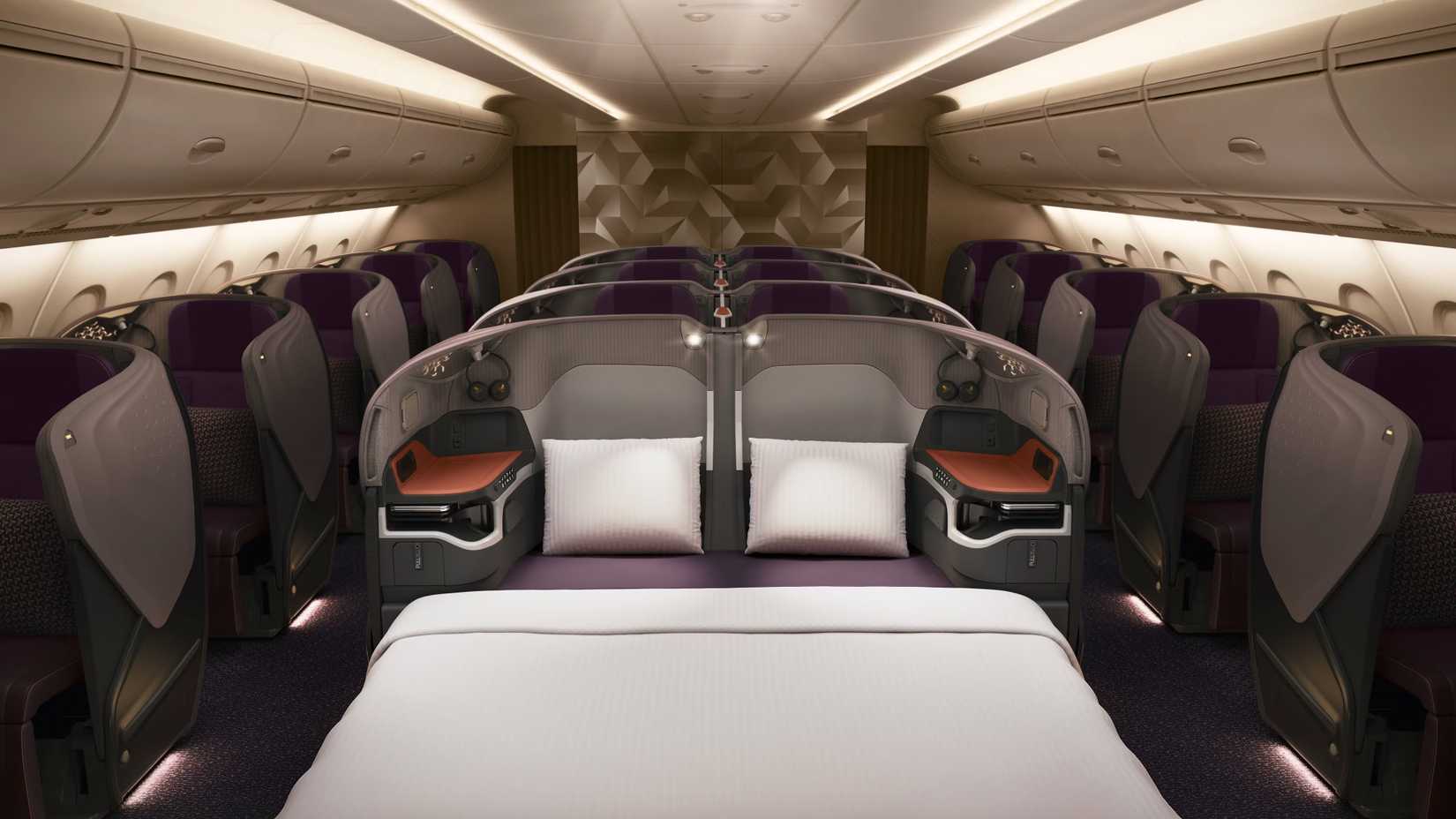
The advantages of business class or first class on international flights are things like priority check-in and boarding and the extra baggage allowance. The comfortable lie-flat seat allows passengers to catch up on much-needed rest and amenity kits are offered. The meal service has more courses and higher quality food, plated on china. There is also an extensive choice of premium wines and spirits to sample. The inflight entertainment offers a larger screen and more options to watch or listen to.
The first class cabin has always been regarded as the most luxurious form of air travel apart from the world of private jets. However, business class is becoming more popular than ever before. Therefore, airlines such as Delta Air Lines, American Airlines, and United Airlines are increasing their business jet seats onboard. This is instead of investing in the first class product, as they found that more passengers are willing to pay for business class seats.
Airlines in the US that offer first class on domestic flights:
- United Airlines
- Delta Air Lines
- American Airlines
- Alaska Airlines
- Hawaiian Airlines
Airlines in the US that offer business class on domestic flights:
- American Airlines
- JatBlue
- Delta Air Lines
The main disadvantage of business class or first class is that it is much more expensive than a standard economy class ticket. Access to a lounge pre-flight is not always guaranteed and there are a limited number of seats available. The business class and first class products can also differ between airlines, especially when traveling in first class on a domestic flight.
How Business Class Is Rivaling First Class

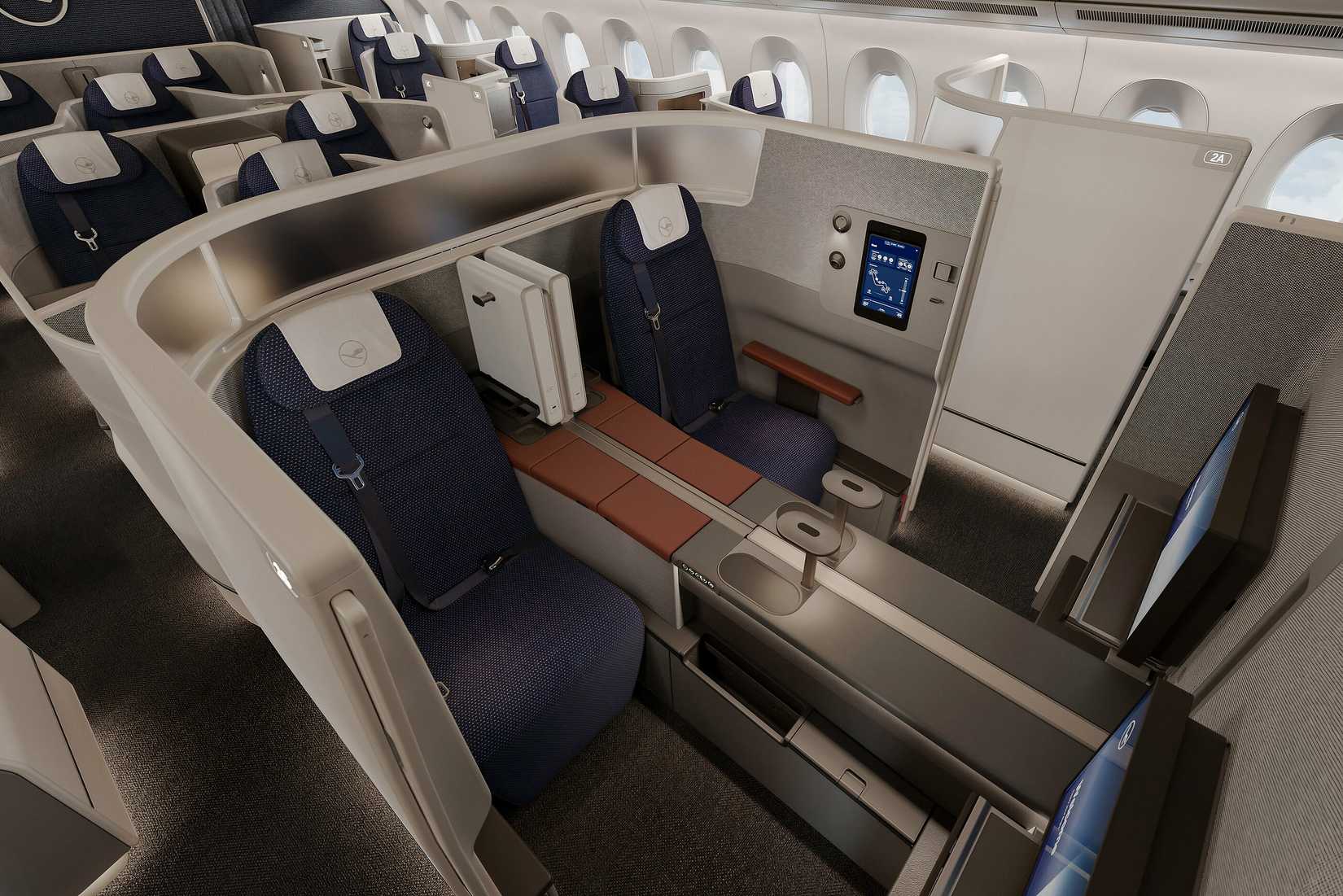
Some would argue that the first class cabin is in decline as airlines cannot always sell the seats for the premium required to make a profit on the product. The move to generate more income by increasing capacity in business class has not gone unnoticed in the industry. Indeed, Turkish Airlines, Malaysia Airlines, and LATAM no longer have first class cabins. Some airlines like Qantas, only have first class on certain aircraft types, like the Airbus A380. Singapore Airlines has no plans to remove its first class cabin.
Airlines are also upgrading their business class cabins to be more like first class cabins with more privacy, suites, and upgraded products. Some airlines have chosen to engage famous chefs and mixologists to enhance their menus and products in business class, which before would have only been seen in a first class cabin. Delta Air Lines announced that they would be serving Tattinger Champagne in their Delta One business class cabin on select international flights. American Airlines has partnered with Bollinger to offer their champagne at selected Flagship lounges and selected Flagship flights in first class and business class.
Most luxurious first class:
- Singapore Airlines: First Class suites Airbus A380
- Cathay Pacific: First Class Boeing 777
- Air France: La Première Boeing 777-300ER
- Emirates: First Class Boeing 777-300ER
- All Nippon Airways (ANA): First Class Boeing 777-300ER
- Lufthansa: First Class Boeing 747-800
- Qantas: First Class Airbus A380
Data: Condé Nast Traveler
Also, according to Condé Nast Traveler, the best business class cabins are Qatar Airways, Delta Air Lines, Singapore Airlines, Qantas, United Airlines, Japan Airlines, and Cathay Pacific. It seems like the only difference between first class and business class is price, exclusivity, and privacy.
Will The First Class Experience Survive?
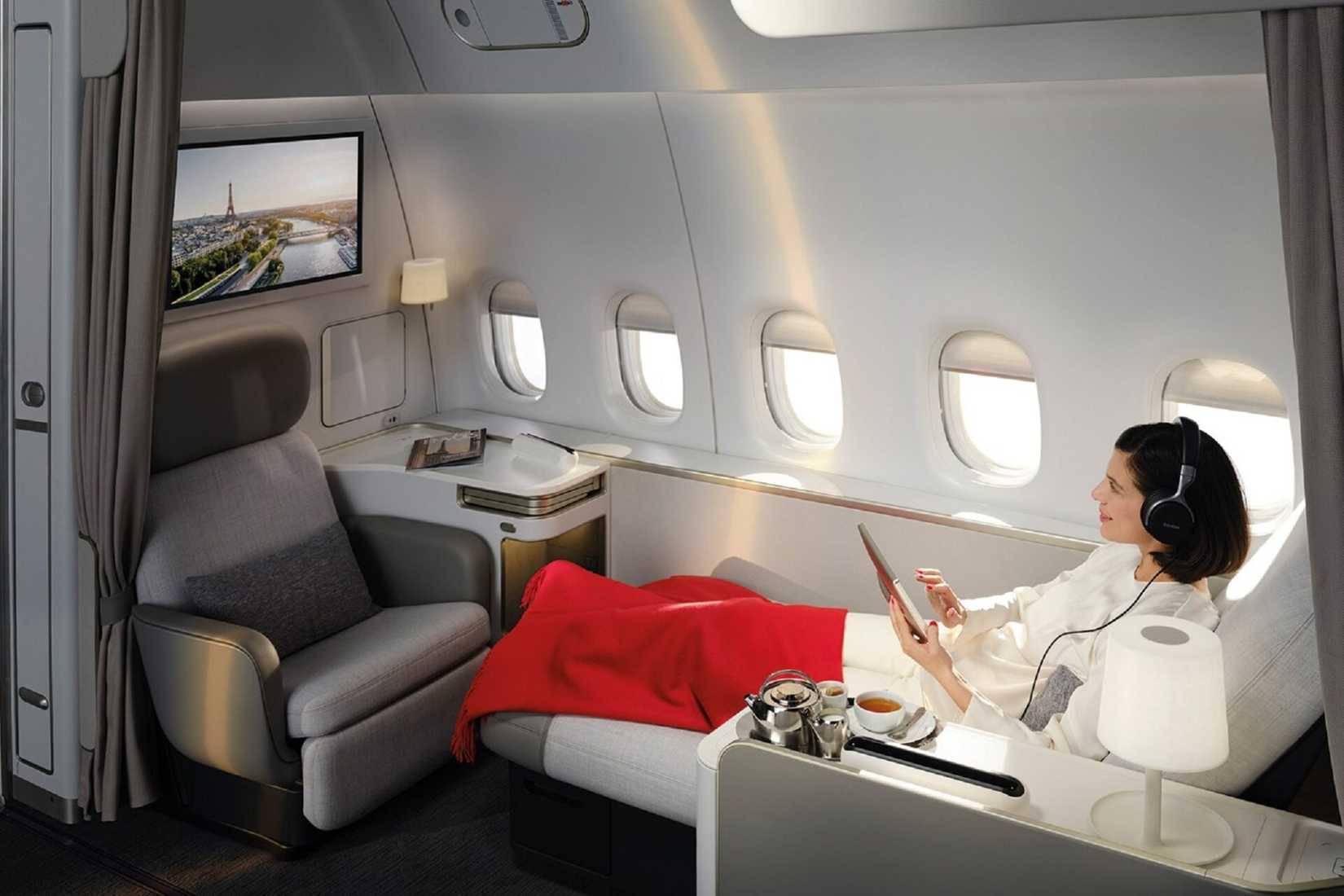
Many airlines in the US offer first class and business class on domestic flights, although the premium cabin experience may vary. Domestic first class includes priority check-in, complimentary food and drink, and a larger seat with extra legroom. While most carriers have this option, it is comparable to that of premium economy or a basic business cabin. American Airlines is the only US airline to offer both a first class and business class cabin on domestic flights, although they are removing first class to replace it with Flagship suites.
Domestic first class in general, cannot be compared to long-haul international first class and business class. Most large carriers have four class cabins with first class at the front, followed by business class, premium economy, and economy class. Business class and first class are still considered luxurious with lie-flat beds, a premium meal and drink service and other comparable perks.
Although the gap between business class and first class is closing, passengers are showing a preference for the premium economy product and the business class cabin. Airlines are investing more in their business class cabins, adding suites and privacy doors, improving menu and drinks selections and amenities. The need for first class is still in question, with some airlines foregoing it altogether on some routes.
source