


The Boeing 757 is one of the most distinctive narrowbody aircraft ever to grace the skies above us. Designed in the late 1970s and introduced in the early 1980s, the aircraft uniquely combined narrowbody economics with performance bordering on widebody capability. Although production ended in 2004, the 757 has enjoyed an unusually long and influential second life, particularly among US carriers.
Two airlines stand out as the aircraft’s most prominent remaining operators – 


The Origins Of Delta & United’s Boeing 757s


Although both Delta and United operate Boeing 757s, the origins of their fleets are quite different. For instance, Delta Air Lines’ 757 fleet is largely the result of multiple mergers and acquisitions, with the carrier inheriting a significant number of aircraft from its 2008 merger with Northwest Airlines, which had been one of the largest 757 operators in the world. Over time, Delta Air Lines went on to acquire additional used 757s from other carriers, including 
United’s 757 fleet history, by contrast, is more varied. The airline itself was an early customer of the 757, and later significantly expanded its fleet through the 2010 merger with Continental Airlines. Continental Airlines had been a major 757 operator, especially on transatlantic routes from several of its US hubs, and as a result, United’s 757s today reflect a mix of aircraft from both carriers, although they have since been standardized under a common brand.


What Is The Oldest Active Aircraft In Delta Air Lines’ Fleet?
The carrier operates hundreds of jets.
Entry Into Service & Route Profiles

The 757 entered service with both Delta and United during the early 1980s, but each carrier initially envisioned a slightly different role for the aircraft. Delta took delivery of its first 757 in 1984, at a time when the airline was looking to modernize its narrowbody fleet and replace older aircraft such as the Boeing 727. From the outset, the 
As Delta’s network expanded and aircraft capabilities became better understood, the 757’s role evolved, and by the 1990s, the carrier was increasingly deploying the aircraft on longer domestic flights and transcontinental services, taking advantage of its range and performance. Following the merger with Northwest , Delta gained additional 757s that had already been proven on transatlantic routes, accelerating the aircraft’s shift into long-haul service. The carrier’s 757s were commonly seen operating flights between the US and Europe, although this has since decreased significantly in recent years, with just two transatlantic routes remaining to Keflavik International Airport (KEF) from its hubs at Detroit Wayne County Metropolitan Airport (DTW) and Minneapolis/St. Paul International Airport (MSP).
United introduced the 757 slightly earlier, placing the aircraft into service in 1983. For the 

The 757’s role at United expanded significantly after the merger with Continental Airlines in 2010. Continental had been one of the most innovative users of the 757, deploying it on long, thin transatlantic routes from 
Today, United continues this legacy by using the 757 on transatlantic services, Latin American routes, and select domestic flights that require a combination of range, capacity, and premium seating. While the number of routes has decreased over time, the aircraft remains an important tool for connecting smaller international markets with the carrier’s US hubs.
Onboard Passenger Experience
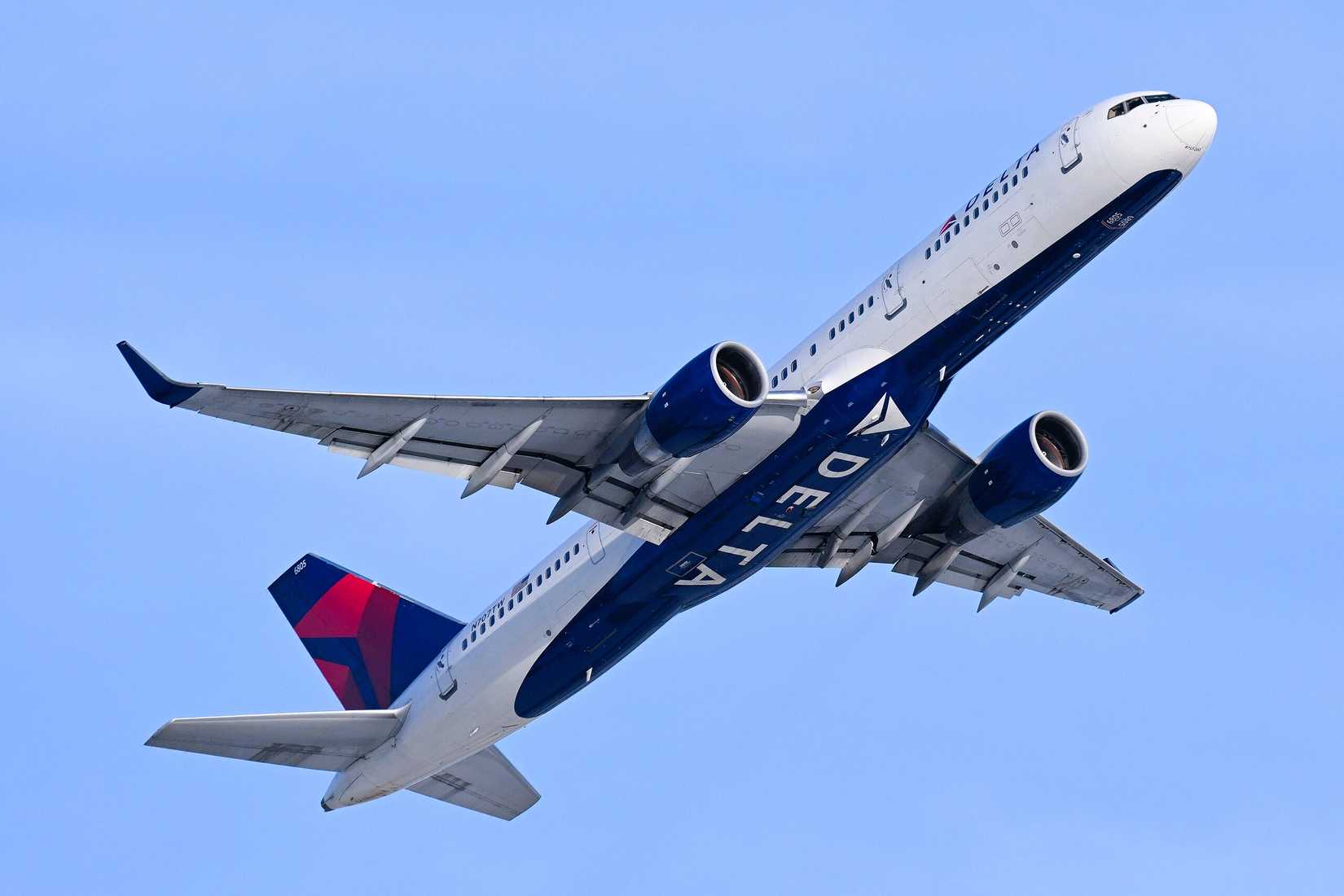
One of the most noticeable differences between Delta and United’s 757s is found inside the cabin. Delta operates 94 757-200s in multiple sub-configurations. Domestic-focused aircraft feature the carrier’s standard First Class, Delta Comfort+, and Main Cabin sections, while internationally configured 757s feature Delta One lie-flat seats. These lower-density aircraft are commonly deployed on premium domestic services. Meanwhile, the carrier’s 16 examples of the longer -300 variant all feature a standardized configuration, made up of 24 in First Class, 32 in Delta Comfort+, and 178 in Main Cabin.
Over the years, Delta Air Lines has invested heavily in its Boeing 757s, with refreshed seats, improved lighting, modern inflight entertainment screens, and onboard Wi-Fi, and while some cabins still show their age, the carrier’s strategy has been to continuously refurbish rather than rapidly replace.
Meanwhile, United’s 757 cabins reflect the airline’s push toward fleet standardization, with all of the carrier’s 757-200s featuring the same configuration – 16 in Polaris business class, 42 in Economy Plus, and 118 in United Economy. The popular Polaris cabin offers lie-flat beds with direct aisle access.
United has also worked to modernize its 757 cabins with new seats, larger overhead lockers, and updated inflight entertainment systems. While still narrower than widebody cabins, United’s international 757s aim to deliver a premium experience aligned with the Polaris brand found on the carrier’s other long-haul aircraft, such as the 767-300ER and 777-200ER.

No Regrets: Why United Airlines Has Easily Kept Flying The Boeing 757
United and Delta have kept their aging 757s airworthy for years and years.
Aircraft Performance

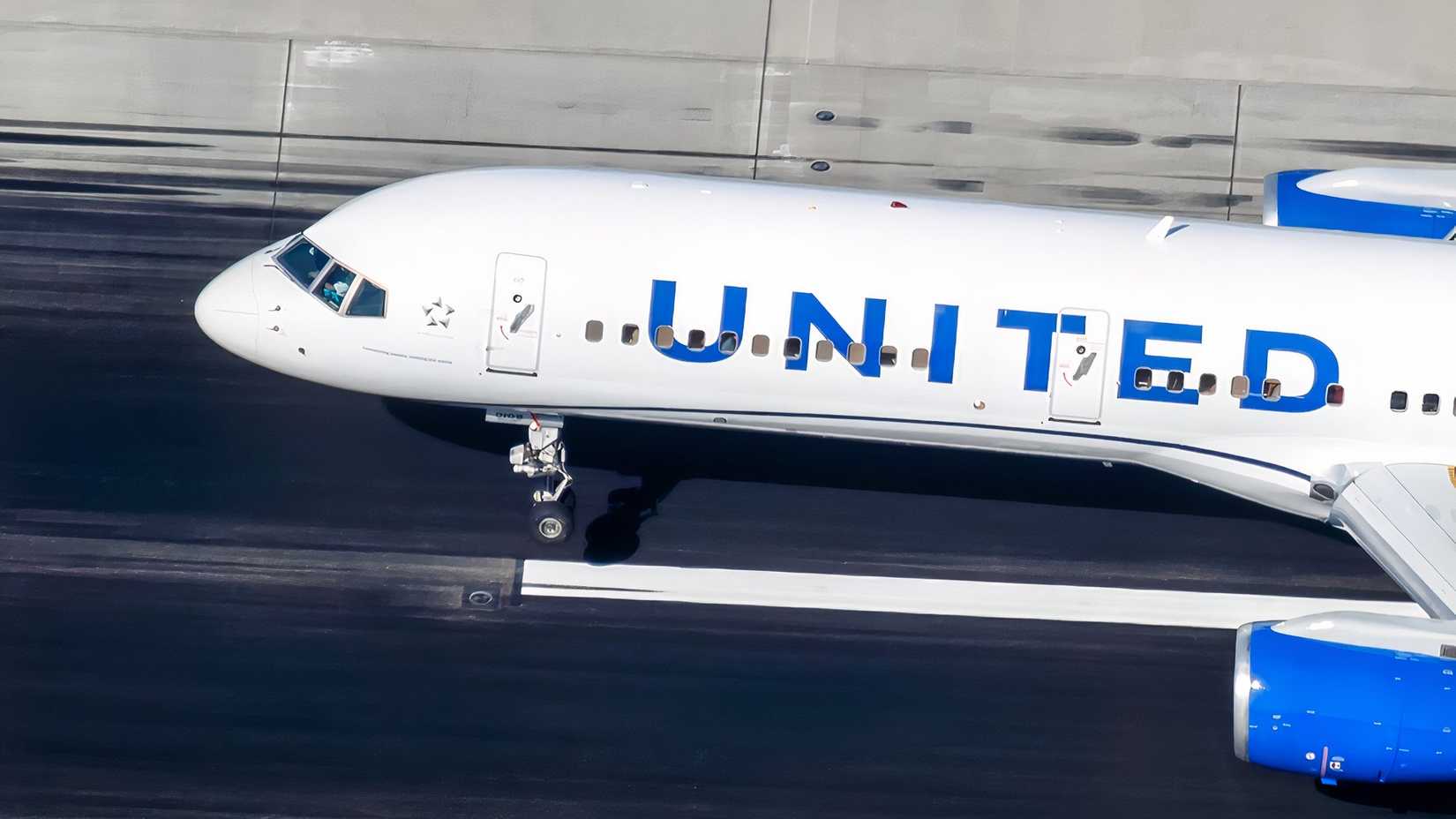
Both Delta and United value the 757 for the same fundamental reason – its performance. The 757’s powerful engines and efficient wing design allow it to operate from shorter runways, handle hot-and-high airports, and fly long distances with a full passenger and cargo load.
Delta has taken advantage of this performance by investing in engine upgrades and maintenance programs that extend the aircraft’s service life. The airline is known for its in-house maintenance capabilities and has worked to keep the 757 economically viable despite its age.
Meanwhile, United has focused more on standardizing systems and avionics, ensuring its 757s remain compliant with evolving airspace requirements. While the Star Alliance carrier has not been as aggressive as its SkyTeam counterpart in life-extension strategies for its 757s, it has ensured that its aircraft remain competitive for long-haul narrowbody flights.
The Boeing 757’s Future

Operating a fleet of aging aircraft comes with challenges, and both Delta and United approach these challenges differently, with Delta widely recognized for its maintenance-driven strategy. By keeping older aircraft longer and investing heavily in upkeep, the carrier aims to minimize capital expenditure while maximizing asset value. The 757 fits neatly into this philosophy, as although the aircraft is less fuel-efficient than newer designs, Delta can offset some of this by reducing ownership costs and careful route planning.
United, on the other hand, has increasingly emphasized fleet renewal and simplification. While the carrier continues to rely on the 757, it is more open about the type’s higher operating costs, particularly fuel burn and maintenance complexity. United balances these costs by deploying the aircraft only where its unique capabilities justify the expense.
Delta has repeatedly stated that it sees no immediate replacement for the 757. While aircraft such as the Airbus A321LR and A321XLR offer impressive range, they do not fully match the 757’s performance capabilities, and as a result, the carrier is expected to keep its 757s flying well into the 2030s, supported by ongoing refurbishments and maintenance programs.
United’s outlook is more transitional, with the carrier placing large orders for new-generation narrowbodies, including the A321neo family, which will gradually assume many of the 757’s roles. While the carrier is unlikely to retire the entire fleet in the near term, its long-term strategy points toward eventual replacement rather than indefinite extension.
The Aircraft Set To Replace The Iconic Boeing 757
There isn’t a single airliner that can replicate all of the Boeing 757’s capabilities, but perhaps the market doesn’t require one.
The Last Remaining Operators Of The Boeing 757

Delta and United are among the last few remaining commercial operators of the passenger 757, together with Icelandair. Delta Air Lines remains by far the largest operator of the type, with a total of 101 examples in its fleet. According to ch-aviation, their operational fleets as of December 2025 are outlined in the table below.
|
Airline |
Boeing 757-200 |
Boeing 757-300 |
Total |
|---|---|---|---|
|
Delta Air Lines |
94 |
16 |
110 |
|
Icelandair |
11 |
– |
11 |
|
United Airlines |
40 |
21 |
61 |
source