


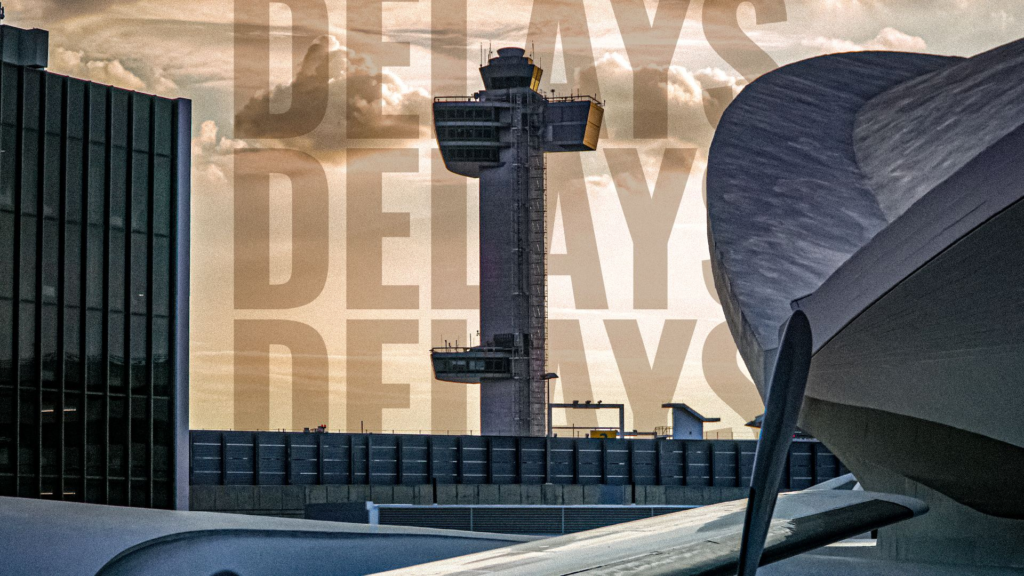
Airline delays are not just a result of “having a bad day at the airport.” At this moment in time, they are increasingly becoming the predictable result of a system that is running with way too little slack. The United States government shutdown pushed a fragile air traffic control system beyond its breaking point. On October 27 and 28, delays came close to 7,000 across the country in a single day, with the Federal Aviation Administration (FAA) citing controller absences and staffing shortages at major hubs ranging all across the country, as well as major flow constraints at Hartsfield-Jackson Atlanta International Airport (ATL).
A Department of Transportation (DOT) official said that 44% of Sunday’s delays stemmed from controller absences, versus a normal 5% as 13,000 controllers and 50,000 Transportation Security Administration (TSA) officers worked without pay. Los Angeles International Airport (LAX) even saw a brief ground stop directly tied to staffing challenges. When you layer in record passenger volumes in 2025 and a winter that is likely to drive more disruptive storms across the Northern Hemisphere, passengers can expect persistent gridlock throughout the year’s end. This shutdown is ultimately an accelerant, not the root cause of the issue itself, while the bigger challenge is ultimately a years-long controller shortage and overall modernization lag that cannot be easily unwound in just a few weeks.
What Are The Principal Causes Of Flight Delays?

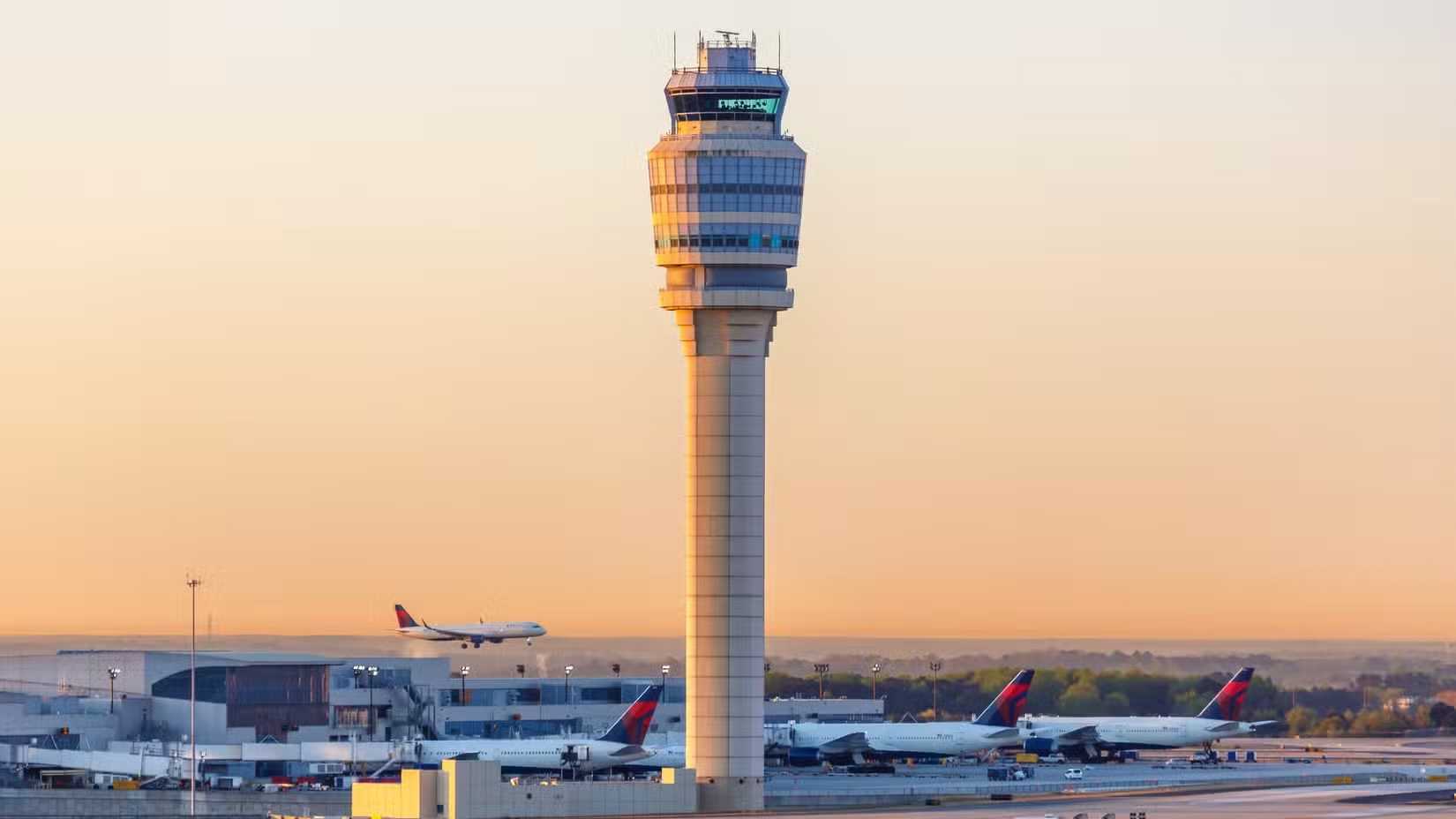
Flight delays typically stem from one of five major categories. They can be attributed to internal airline issues. These include crew scheduling challenges, aircraft maintenance issues, or turnaround delays. Late-arriving aircraft (which can often be used as a measure of day-after ripple effects) and national air system capacity constraints (as we are experiencing now) are two other key sources of flight delays. Weather (especially extreme weather conditions) is also another major cause of delays, and security issues can also cause delays. The bigger issue with delays is not that they exist, but rather that they do not act in isolation and rather cascade.
For example, when the national air traffic control system constrains arrivals at a major hub, aircraft must hold or wait on the ground, which then turns into a late-arriving aircraft somewhere else. This kind of late arrival forces airlines to scramble crew and aircraft rotations, creating airline-internal delays. Weather then amplifies the effect by reducing runway capacity or closing certain airspace sectors, making the overall system less flexible. In 2025, the dominant stress-creator is the national system capacity bucket. The FAA and related towers (as well as non-tower control centers) are operating with exceptionally high absenteeism and a lower staffing buffer than ever before.
This means that fewer aircraft arrive per hour, and that more ramp metering is needed. As airlines continue to operate leaner fleets, high load factors, and tight schedule recovery windows, even small disruptions lead to cascading chains of delays. In other words, the root of this increasing flight delay challenge is the set of capacity constraints airlines continue to struggle with, a system created by a chronic shortage of air traffic control professionals, according to a breakdown from Forbes.
So What Exactly Is Causing Delays To Become Really Bad Right Now?
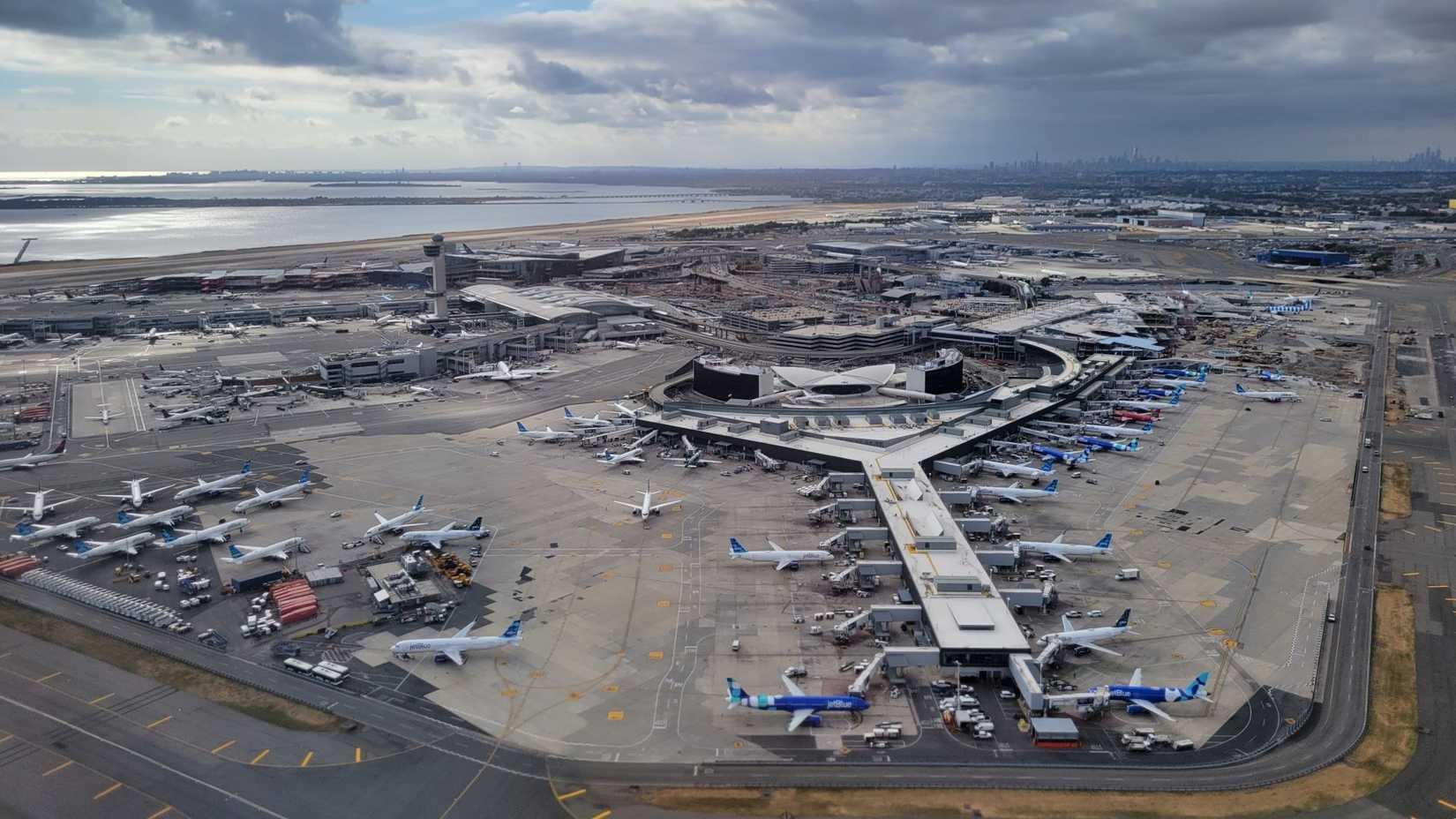
The impact of air travel delays today is unusually acute due to three reinforcing trends that are actively colliding. For starters, overall demand is high, with US carriers seeing near-record passenger volumes and travel forecasting indicating strong holiday bookings. When volume is up, any slight constraint in capacity becomes even more visible in terms of delays. Second, the system itself has a smaller cushion, primarily because staffing, equipment modernization, and spare aircraft margins are thinner, with less of an ability to absorb disruption.
Third, external risk factors are continuing to rise, with more foreboding weather patterns and the late-year winter period beginning to increase the likelihood of storms, wind-shear events, and low-visibility operations that should significantly constrain overall passenger throughput at key airports. When these factors converge, the cost of delays is higher, as passengers miss connections, airlines face increased compensation or rebooking costs, and network effects ripple across airports and slots.
In addition, airport infrastructure is being stressed more severely, with runway closures, de-icing delays, and late-arriving aircraft all adding to the cumulative backlog. These delays are not simply minor hour-by-hour inconveniences, but rather downgrade the overall flexibility of airline schedules. This increases operational risks and reduces the flexibility for carriers to recover from many kinds of disruption. Given this environment, a normal yearly level of delays is no longer the expectation.
A Deeper Look At Air Traffic Controller Shortages
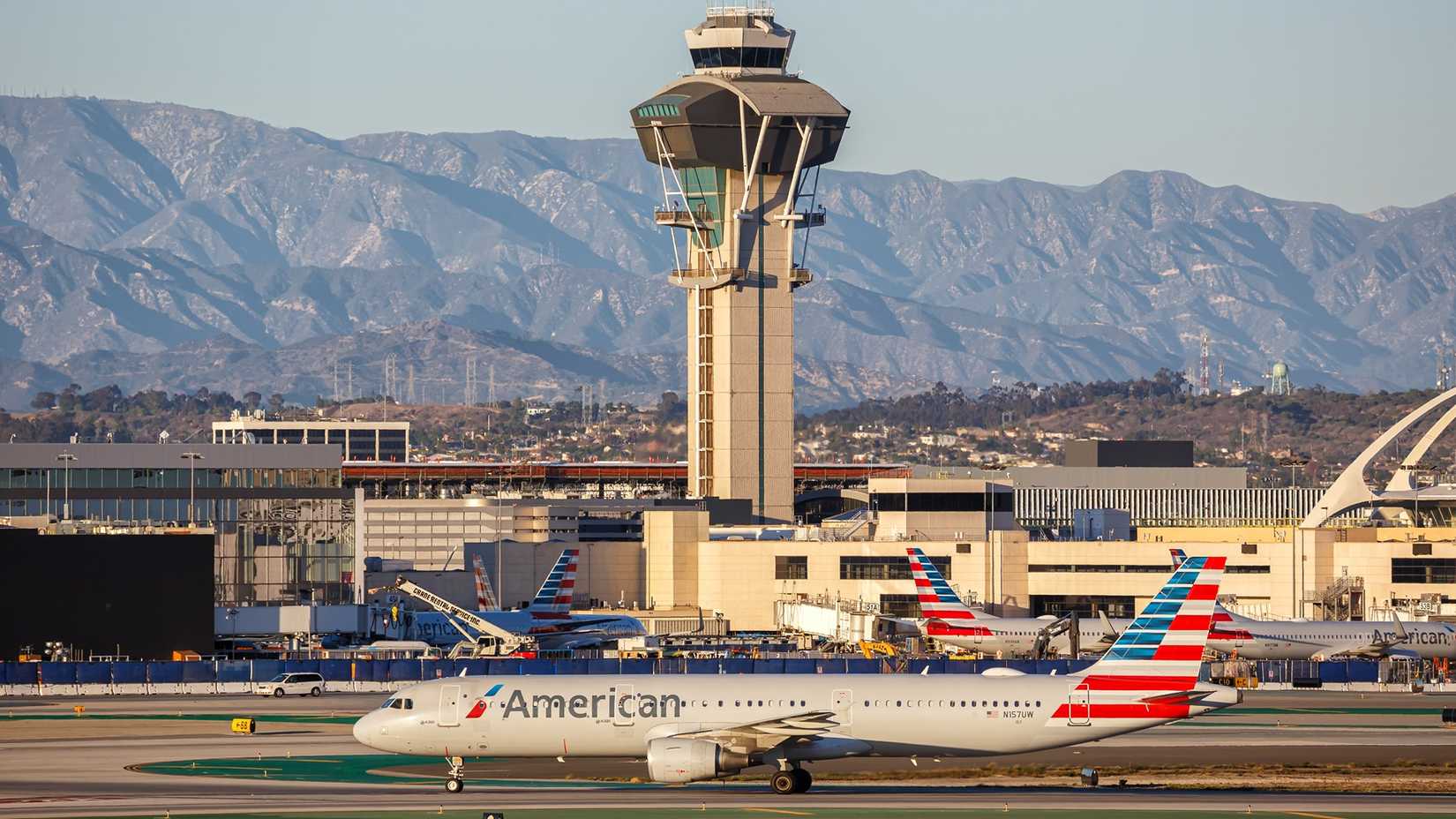
At the center of this massive US airport delay issue is the chronic shortage of certified air traffic controllers and the long lead-time for the training and subsequent certification of new ones. The FAA has reported being several thousand controllers short of its target, with key facilities such as New York TRACON, Atlanta Center, and SoCal TRACON all operating with almost no operational buffer whatsoever. Training a new controller to full certification takes between one and three years, depending on the complexity of the facility they are going to serve.
Even if hiring actually begins to ramp up in a meaningful capacity today, the actual realized impact of such hiring will not materialize this year. Compounding this problem, many existing controllers have been working mandatory overtime six-day workweeks, and they are now experiencing higher call-outs and overall fatigue rates, elevating risk and reducing effective throughput. When controller absences hit certain thresholds, the FAA triggers flow restrictions, ground delay programs, or even ground stops. Each of these cascades into thousands of delayed flights.
In effect, air traffic controller staffing remains the bottleneck that underpins many of the national-system delays discussed earlier. Airlines might add aircraft or crew, but if the national controller system cannot increase arrival and departure slots or overall flow rates, their schedules will remain constrained. This overall shortage is not a temporary blip but rather a structural burden that will continue to weigh on US capacity for the rest of 2025 unless significant progress is made in some way.
The Government Shutdown Has Exacerbated This Issue

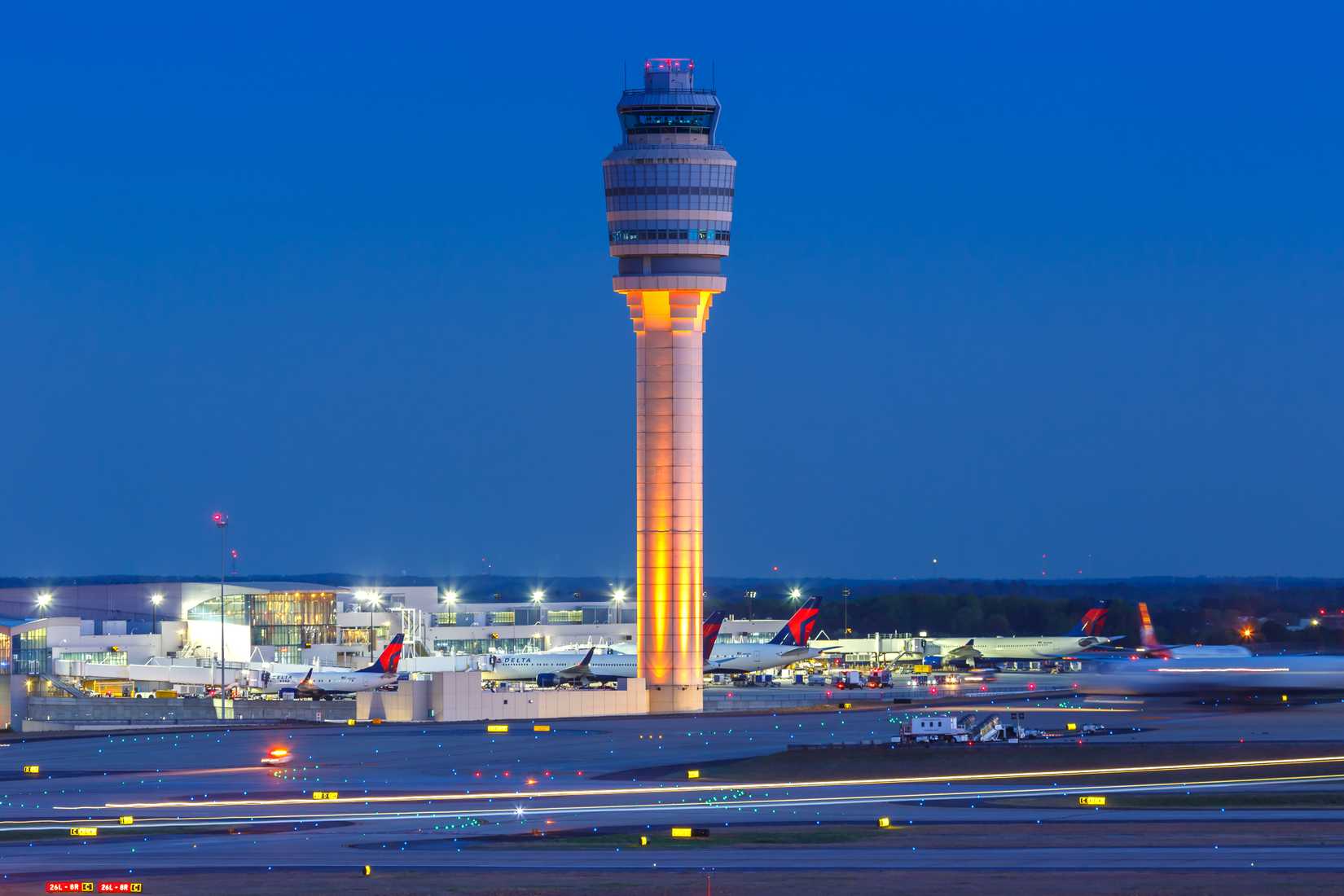
The current government shutdown has magnified the air-traffic capacity problem and accelerated the degradation of resilience in the overall system. With federal employees, including controllers and TSA officers working without pay, absenteeism has unfortunately spiked. At the same time, controller morale has declined, and overtime fatigue has continued to increase. The FAA has publicly said that, as the shutdown deepens, the number of sick calls and no-shows by controllers only continues to rise, forcing the agency to heavily restrict traffic at major airports.
The agency has already mandated flight reductions at 40 of the country’s busiest airports, with a 4% headline cut that could be increased to around 10% of capacity if this impasse continues. These reductions are a direct manifestation of staff pressures. The shutdown also interrupts hiring, training, and certification steps for new controllers, and it delays infrastructure maintenance or upgrades, all of which are actions that would otherwise relieve overall strain.
In many hubs, airlines have experienced flow metering and delayed push-back clearances that are tied to staffing constraints rather than the weather. For travelers, this means that delays will originate in the air-traffic system rather than purely due to airline or weather-related causes. The shutdown also has a marginal impact on airlines, although the size of this impact does somewhat vary by carrier.
The Ending Of The Government Shutdown Is Unlikely To Solve This Problem

Even once lawmakers reach a deal and begin to fund the hiring of new controllers, the delay-related pressures are highly unlikely to dissipate overnight. Staffing gaps built up during the shutdown cannot be filled in days. New controllers remain years from full certification, a problem the industry will have to continue dealing with.
Training pipelines have been paused during the shutdown, and they will take time to re-accelerate. Controller fatigue and leave backlog resulting from unpaid work will also require adequate recovery time. On top of staffing, infrastructure modernization, and backlog maintenance deferred during the impasse will further delay resilience restoration.
Furthermore, demand and weather-related risks remain elevated, meaning that capacity remains tight even as staffing continues to rebound. The ATC network has less buffer than ever before, so returning to normal may not be feasible, but the objective is rather the avoidance of continued deterioration.
What Is Our Bottom Line?
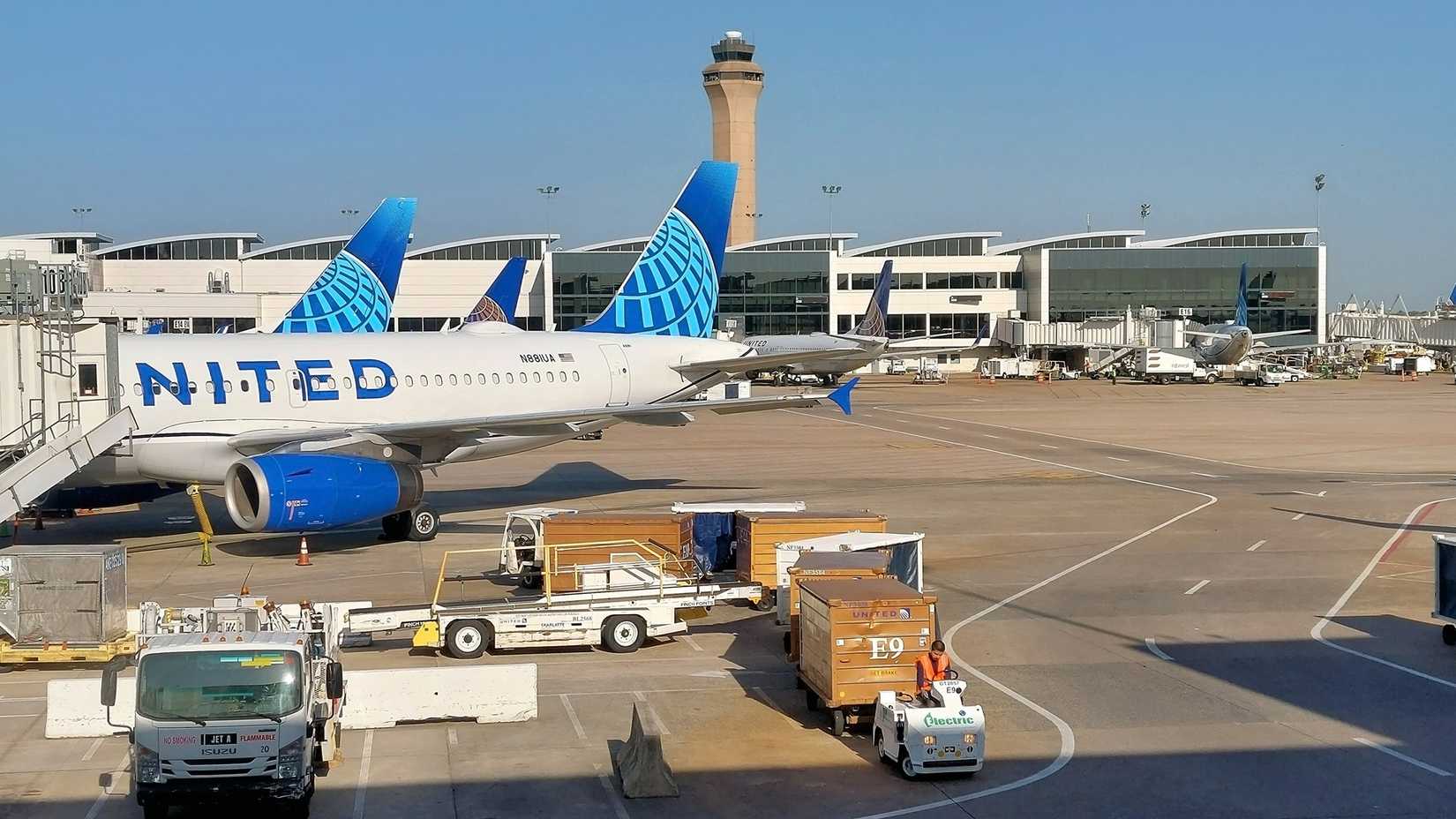
US flight delays will likely worsen throughout the rest of the year as the national air traffic control system lacks slack. The government shutdown has intensified a long-running controller shortage, with delays cascading week-on-week. The national system is now the exclusive and dominant trigger for delays all across the country.
High passenger demand, thin airline and airport buffers, and stormier winter weather amplify each disruption, turning local issues into network-wide gridlock. The shutdown adds absenteeism, meetings, and ground delays while pausing hiring, training, and maintenance.
Even when funding resumes (and it looks like it is going to), controller certification takes years, and deferred modernization efforts will not get up to speed quickly. Passengers can expect sustained capacity constraints at major hubs for months, if not years, to come.
source