


The Boeing 737 family was introduced with the 737-100 on its first commercial service in February 1968. Boeing has developed and improved the product line over the years, from the Classic, Next Generation, and all the way through to the MAX family today. Since then, the industry has seen over 12,000 737 variants delivered as of September 2025.
Boeing developed the 737 MAX to compete with Airbus’s A320neo, which offered airlines more fuel-efficient engines and lower operating costs. The goal was to update the 737 family with newer, larger, high-bypass engines while keeping the same fuselage, cockpit, and production lines, minimizing redesign costs. By improving fuel efficiency, range, and passenger capacity. Boeing aimed to maintain its dominance in the single-aisle market without a full new aircraft program. The product line introduction was far from straightforward, and it still faces issues and scrutiny worldwide today. Join us as we explore Boeing’s desire to get the 737 MAX 7 and MAX 10 into the air.
Unlocking A Huge Order Backlog & Market Demand

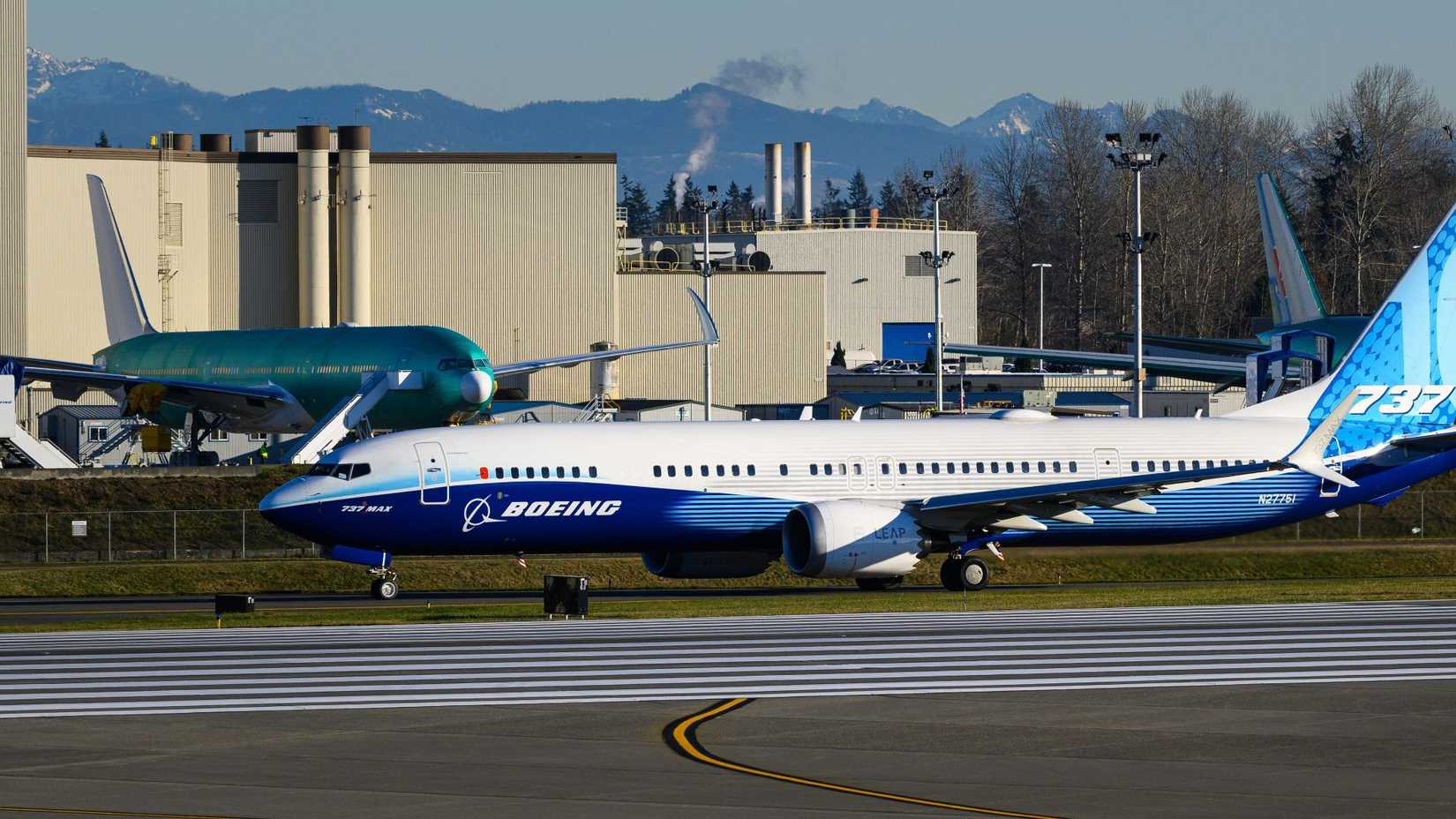
In short, one of the major drivers behind Boeing’s desire to get the Boeing 737 MAX 7 and MAX 10 certified and in the air is to clear its backlog of orders and more readily open the ability to facilitate new orders. Airlines worldwide have placed major orders for the MAX 7 and MAX 10, and certification is required before Boeing can deliver them.
An interview with Boeing CEO revealed that the current backlog as of mid-2025 includes 1,200 orders for the MAX 10 and 332 orders for the MAX 7. This backlog includes 150 firm and 150 optional MAX 10 orders for Ryanair, as well as orders from Southwest Airlines, Pegasus, WestJet, and a range of other carriers, many of whom are returning Boeing and Boeing 737 customers.
Many of these carriers have built their future route plans and fleet strategies around the larger-capacity MAX 7 and MAX 10. Airlines plan expansion, retirements, and replacements around these orders. Current delays and any further delays risk cancellations, deferrals, or shifts to competing aircraft. Even the most hardy Boeing operators would consider a shift if it made sense economically and operationally. This would have a devastating impact on the MAX program and is something Boeing would very likely do its best to prevent.
Maximizing Economies Of Scale & Production Efficiency

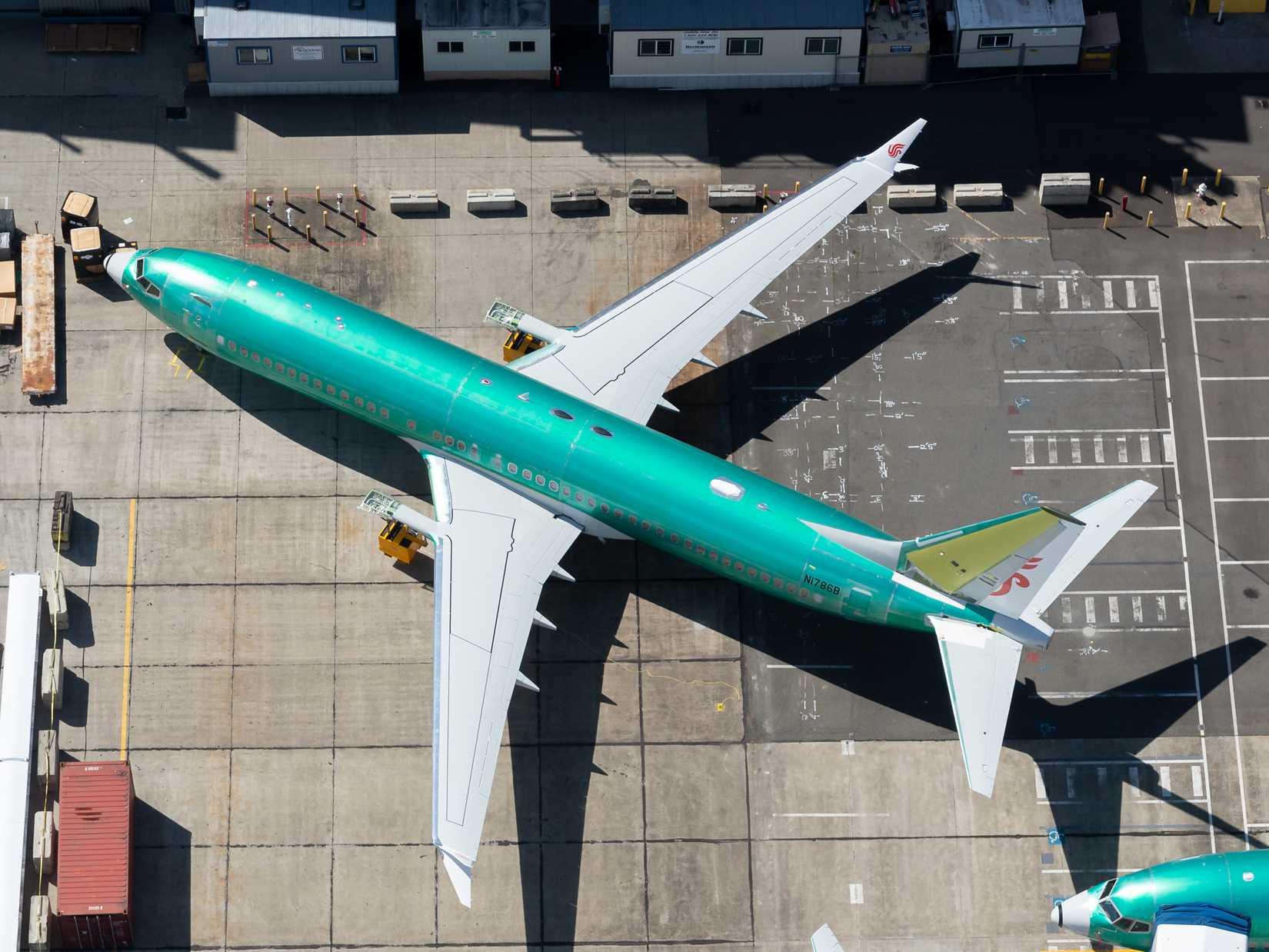
Boeing leveraged economies of scale when developing the 737 MAX by building it on the existing 737 airframes, allowing the company to use much of its established production infrastructure. By retaining the fuselage dimensions, cockpit layout, and assembly processes, Boeing avoided the enormous costs associated with designing an entirely new aircraft.
Another advantage of scale comes from the supplier network. Many components, such as cockpit components, landing gear, and interior fittings, were shared with previous 737 variants. Bulk ordering and continuing long-term contracts for these parts enabled Boeing to negotiate better prices, further lowering production costs. This also may have presented an opportunity to utilize existing parts and component stocks in production. Airlines also benefited, as maintenance, pilot training, and spare parts could remain largely consistent across the 737 family, enhancing operational efficiency and creating a strong incentive to continue purchasing Boeing aircraft.
Finally, market scale effects played a role in Boeing’s strategic decision. With hundreds of airlines worldwide already operating 737s. Boeing could sell the MAX in large volumes almost immediately, spreading research and development costs across a much larger number of aircraft. High-volume production not only reduced the cost per unit but also allowed Boeing to offer competitive pricing while maintaining profitability.


Boeing Finishes Redesigned 737 MAX Anti-Ice Engine System
A major step forward for certifying the Boeing 737 MAX 7 and Boeing 737 MAX 10.
Meeting Airline Demand
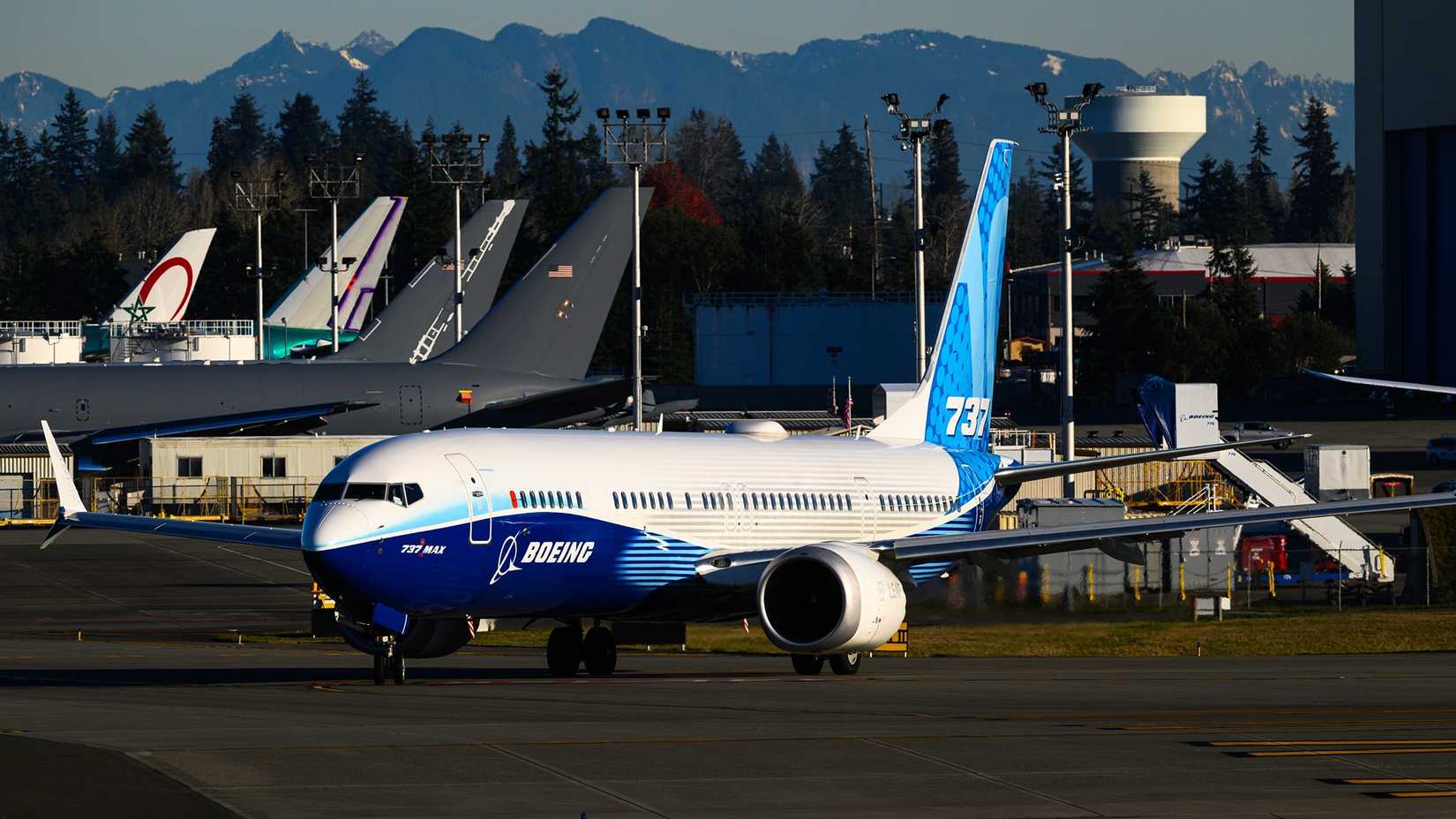


The 737 MAX also allowed Boeing to match competitors’ offerings, most notably the Airbus A320neo, which was already capturing significant orders due to its advanced engines and efficiency. Airlines evaluating fleet expansions often compared aircraft directly, and Boeing needed a timely response to avoid losing market share. The MAX, with its improved range, fuel efficiency, and passenger capacity, enabled Boeing to retain customers who might otherwise switch to Airbus, ensuring that airlines’ growing travel demands could be met without delays.
Finally, by producing a high-volume, modernized aircraft like the 737 MAX, Boeing could quickly supply airlines worldwide. High production rates meant that airlines placing large orders could receive aircraft on a schedule that matched their rapid growth strategies. This responsiveness reinforced customer loyalty and helped Boeing maintain its position as a dominant supplier of narrowbody jets, ensuring that the increasing demand for short- and medium-haul air travel was effectively met.
Restoring Confidence In A Product

After the two tragic Boeing 737 MAX accidents in 2018 and 2019, Boeing faced a severe loss of public and airline confidence in the aircraft. Airlines were hesitant to take deliveries, passengers were wary of flying on the type, and regulators imposed a worldwide grounding of the fleet. To restore confidence, Boeing had to demonstrate that the aircraft was safe, reliable, and fully compliant with updated safety standards, addressing both technical flaws and broader concerns about company oversight.
Boeing implemented significant changes, including a software update to the MCAS system, improved pilot training, and enhanced documentation for flight crews. Transparent communication with regulators, such as the FAA, EASA, and other international authorities was crucial. By collaborating closely with airline customers and emphasizing rigorous testing and recertification processes, Boeing aimed to rebuild trust in both the aircraft and the company’s commitment to safety.
The company also focused on reassuring passengers and airline executives through public statements, demonstrations, and engagement campaigns. Airlines gradually began reintroducing the MAX into service, highlighting the updated training programs and system improvements. Over time, as the fleet accumulated hours without incident, confidence in the 737 MAX slowly returned, allowing Boeing to regain its reputation and continue to meet global demand for fuel-efficient, narrowbody aircraft.

The Complete Guide To The Boeing 737 MAX Family
Boeing has already built more than 1,700 aircraft from its next-generation narrowbody series.
Aligning With Regulatory & Global Market Requirements

After regulators identified a potential safety issue with the 737 MAX’s engine anti-ice system, they required Boeing to implement changes before new variants could be certified. Prolonged use of the anti-ice in certain dry-air conditions could overheat the engine inlet, creating a safety risk. In response, the FAA and other authorities issued temporary operational limitations, including revised flight manual guidance and restrictions on anti-ice use.
Boeing has since completed a redesigned anti-ice system that addresses the overheating problem. The updated design ensures that the engine nacelle remains within safe temperature limits under all operating conditions. This redesign is now undergoing regulatory review, and aircraft certification will only be granted once the system has been fully tested and verified.
This process highlights the importance of aligning aircraft design with regulatory requirements. Beyond software or pilot procedures, regulators now demand rigorous verification of critical systems to ensure that any potential hazards are addressed comprehensively. For Boeing, compliance with these requirements is essential to restore confidence, obtain certification for new MAX variants, and maintain safe operations worldwide. The certification of the MAX 7 and MAX 10 is absolutely pivotal to maintaining the upward trend in trust.
Long-Term Business And Market Positioning
Boeing’s long-term business strategy for the 737 MAX focuses on maintaining dominance in the single-aisle market, which is expected to continue to grow over the next several decades. By offering a modernized, fuel-efficient aircraft built on an established platform, Boeing can meet evolving airline demands while avoiding the costs and risks of designing a completely new model. This approach ensures a steady revenue stream from sales and aftermarket services for years to come.
The company also emphasizes fleet continuity and customer loyalty. Airlines that already operate 737s benefit from common pilot training, maintenance procedures, and spare parts compatibility. By maintaining this operational consistency, Boeing encourages repeat orders and long-term partnerships, creating a dependable business foundation even amid intense competition from Airbus and other manufacturers.
Finally, Boeing leverages the 737 MAX as part of a broader long-term growth and innovation plan. High production rates and economies of scale support profitability, while incremental updates allow the company to incorporate technological improvements, such as enhanced avionics and efficiency measures, over time. This strategy positions Boeing to remain competitive in global markets and sustain long-term business stability in an evolving aviation industry.
source