


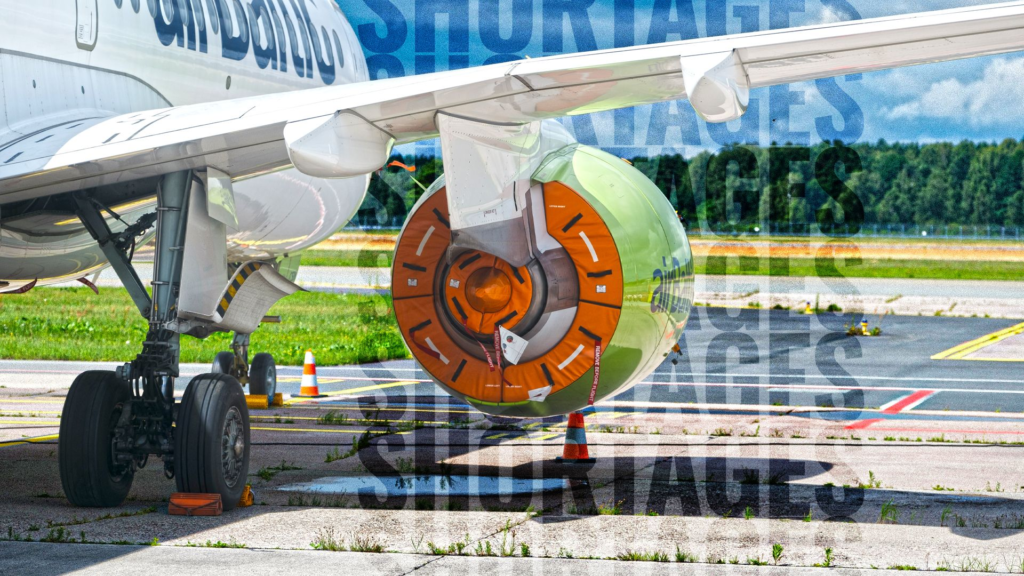
It is well known that the cost of buying the many individual parts that make up a car is far more than the cost of purchasing a fully functioning car. This is made much worse if those parts are in short supply. In some cases, more money might be made from disassembling the car and selling its components individually rather than selling it as a functioning whole. In the aviation world, something similar is happening. On the second-hand market, an aircraft can fetch a higher price if it is disassembled and sold for parts.
This is being driven by a lack of engines on the market. The demand for engines is now so great that companies can get similar money from leasing them out as they could the whole aircraft. It was recently reported that two six-year-old former IndiGo Airbus A321neos were disassembled for their engines. Now Reuters is saying the industry is eyeing the face of Airbus planes discarded by Spirit Airlines as the low-cost carrier faces bankruptcy. Here is what to know about why these aircraft are being scrapped.
The Severe Engine Shortage

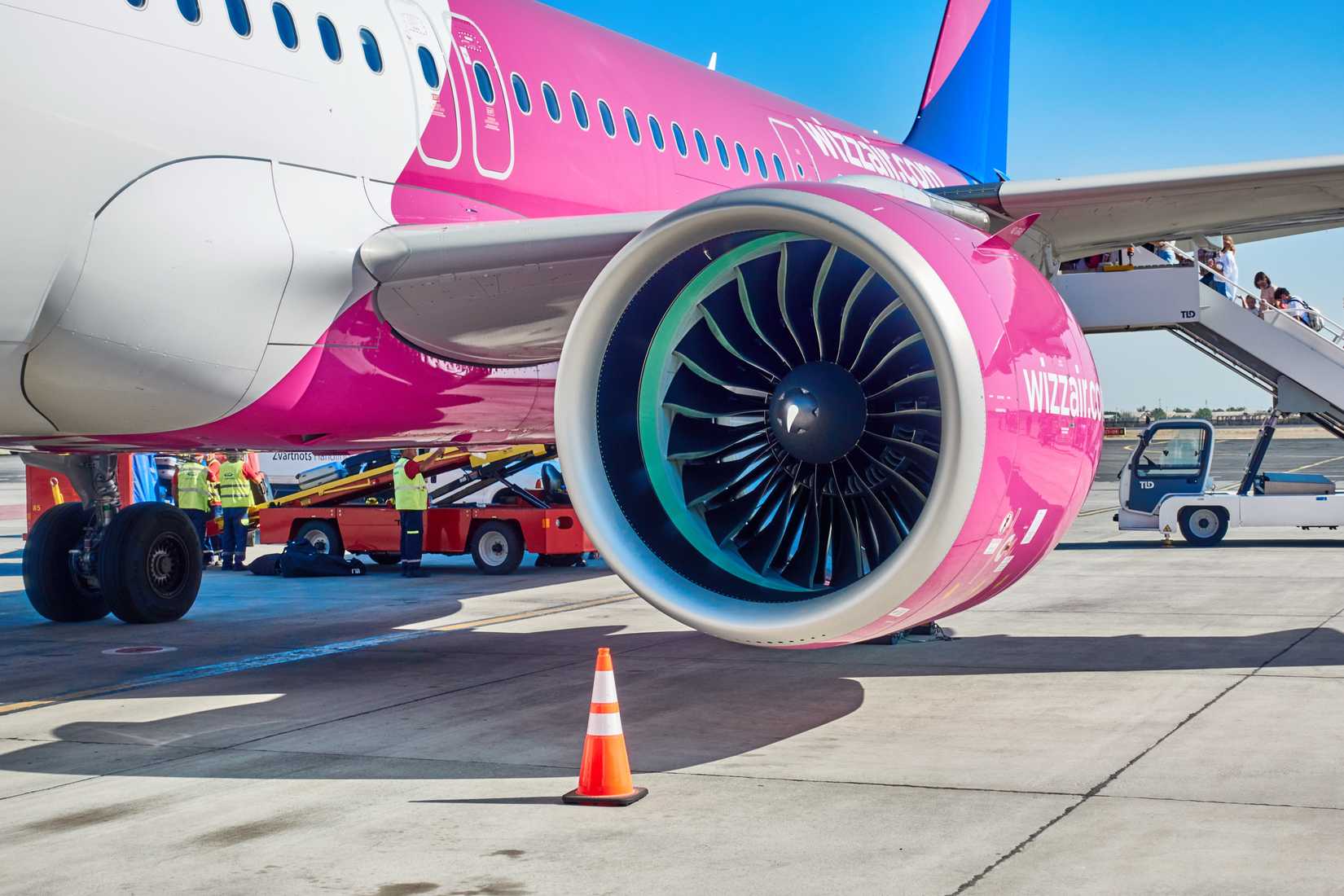
Supply bottlenecks tend to distort economics. An airline that places an order for a new-build engine will have to wait years. There is currently a booming demand for new commercial aircraft, but Boeing and Airbus are unable to ramp up production fast enough to meet that demand. Delays in Boeing 737 MAX and 777X certifications are aggravating it. But it’s not only Boeing and Airbus, it’s CFM International (GE Aerospace and Safran) and Pratt & Whitney, which make the engines.
There is now a severe shortage of next-generation fuel-efficient engines. This is not limited to commercial aircraft; the upcoming Turkish KAAN and the current Indian Tejas fighter jets are powered by General Electric engines, and these engines are being delayed, threatening to delay the programs. Russia is racing to produce its own commercial aircraft, but it too faces severe bottlenecks in the speed at which it can deliver engines.
Recent strikes at Pratt & Whitney also impacted deliveries. The stoppage at its Connecticut factories hampered its ability to ship jet engines. The cause of these problems lies in the disruptions caused by COVID-19, with the current trade wars not doing any favors. The result is that aircraft engines can sometimes be worth more than the aircraft as a whole.
Six-Year-Old Airbus A321neos Scrapped For Engines

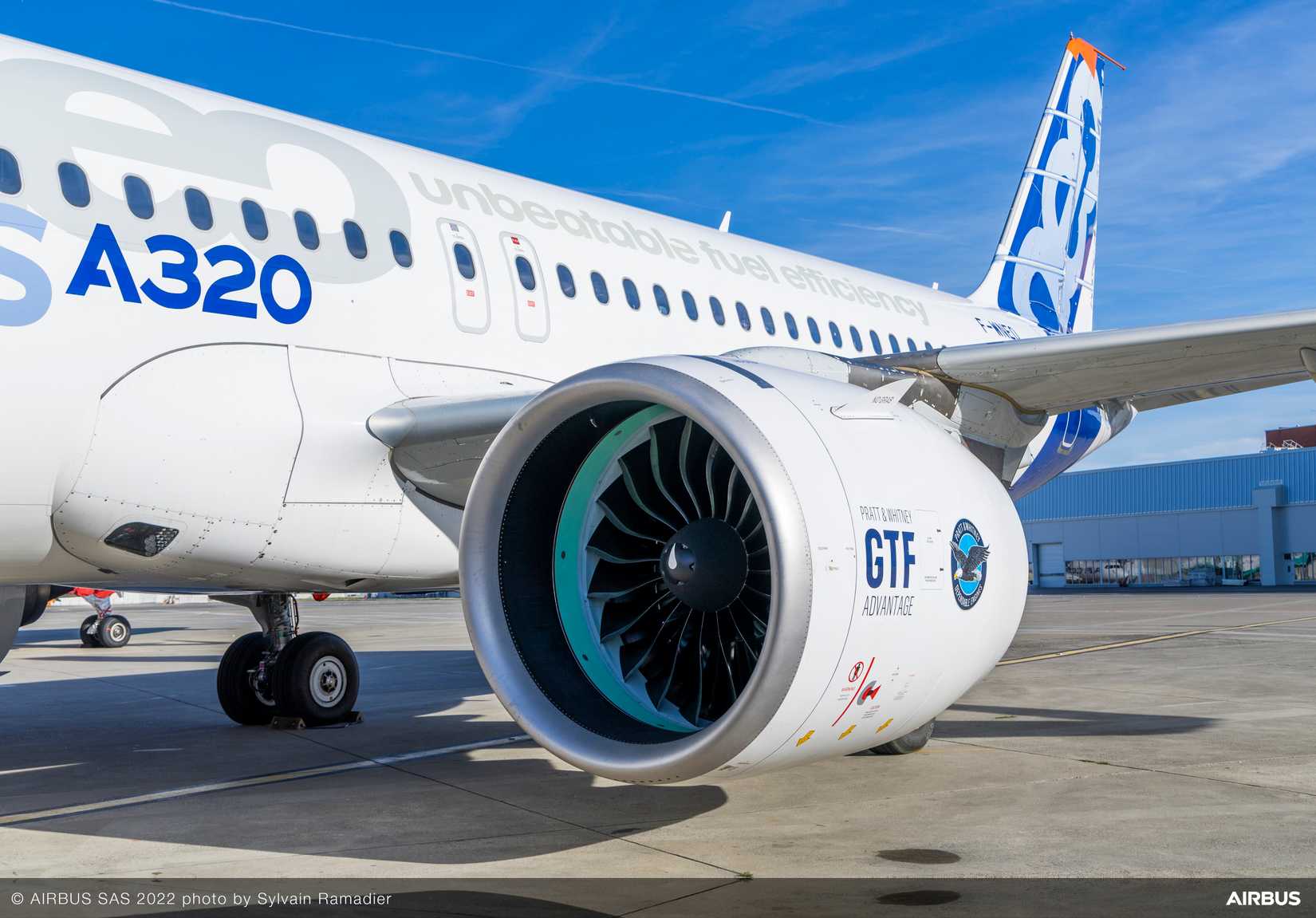
The primary driving factor is delays in Pratt & Whitney’s GTF engine production and maintenance. One aircraft recently broken up was a six-year-old A321neo. There might not be enough commercial aircraft being produced, but the shortage of engines and the groundings of aircraft are making engines the more pressing concern.
The Pratt & Whitney PW1100G-JM (a member of the GTF family) is one engine option that powers the Airbus A320neo family. The most popular engine is the CFM International LEAP-1A. The PW1100G has been plagued by engine problems stemming from a rare power-metal defect that can lead to cracking. This led to the grounding of many PW-powered A320neos and a total of 600–700 GTF engines through 2026 for inspections.
|
Two six-year-old A320neos broken up |
|
|---|---|
|
Registration |
VT-IUD & VT-IUE |
|
Delivery date |
May 2019 |
|
Former |
IndiGo |
|
Flight hours |
18,705-19,374 |
|
Flight cycles |
9,210-9,675 |
The result has been that the rival LEAP-1A has become by far the most popular engine option. But paradoxically, it has triggered a surge in demand for PW1100G engines. Airlines have their PW-powered aircraft grounded and are desperate to get them back in the sky. To skip the long queue for maintenance or a new engine replacement, they are willing to pay a premium on the second-hand market.
Many Droves Of A320neos Grounded
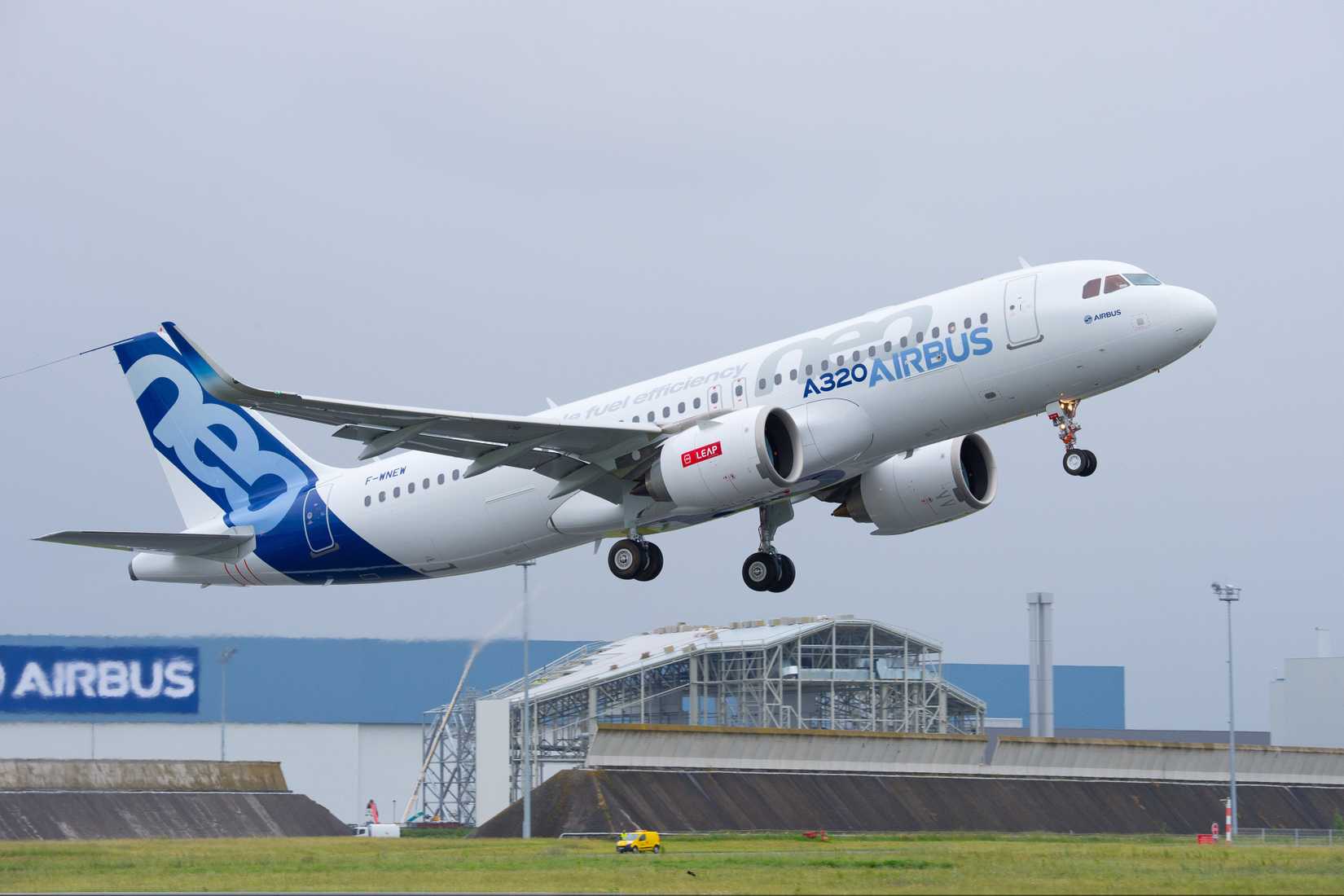
Cirium data shows that 636 A320neo/A321neo aircraft are grounded or in storage. This represents around a third of the total Pratt & Whitney GTF-powered fleet. While a portion of jets will always be grounded for maintenance, only about 4% of CFM-powered jets are. In the bigger picture, scrapping newish aircraft for their engines is probably not the best solution to the crisis, but dealers with aircraft to sell are not looking beyond the immediate.
The fact of the matter is that there are now cases where financial owners can earn more by stripping the engines than by leasing the aircraft. Businesses focus on maximizing profits, not on doing what makes strategic sense for the industry as a whole. But the issue is expected to start to ease soon. IBA reported in October that “support supply chains have been improving, reducing the turnaround time for the engines.”
The PW1100G Advantage engine is expected to enter service in early 2026 and further help. IBA estimates that the engine’s value will soften in 2031, by which point the Advantage engine and production standard “…are expected to be more established.” Before then, the issues are also driving up the prices of LEAP-1A and older-generation jet engines.
Cost Of Renting Engines
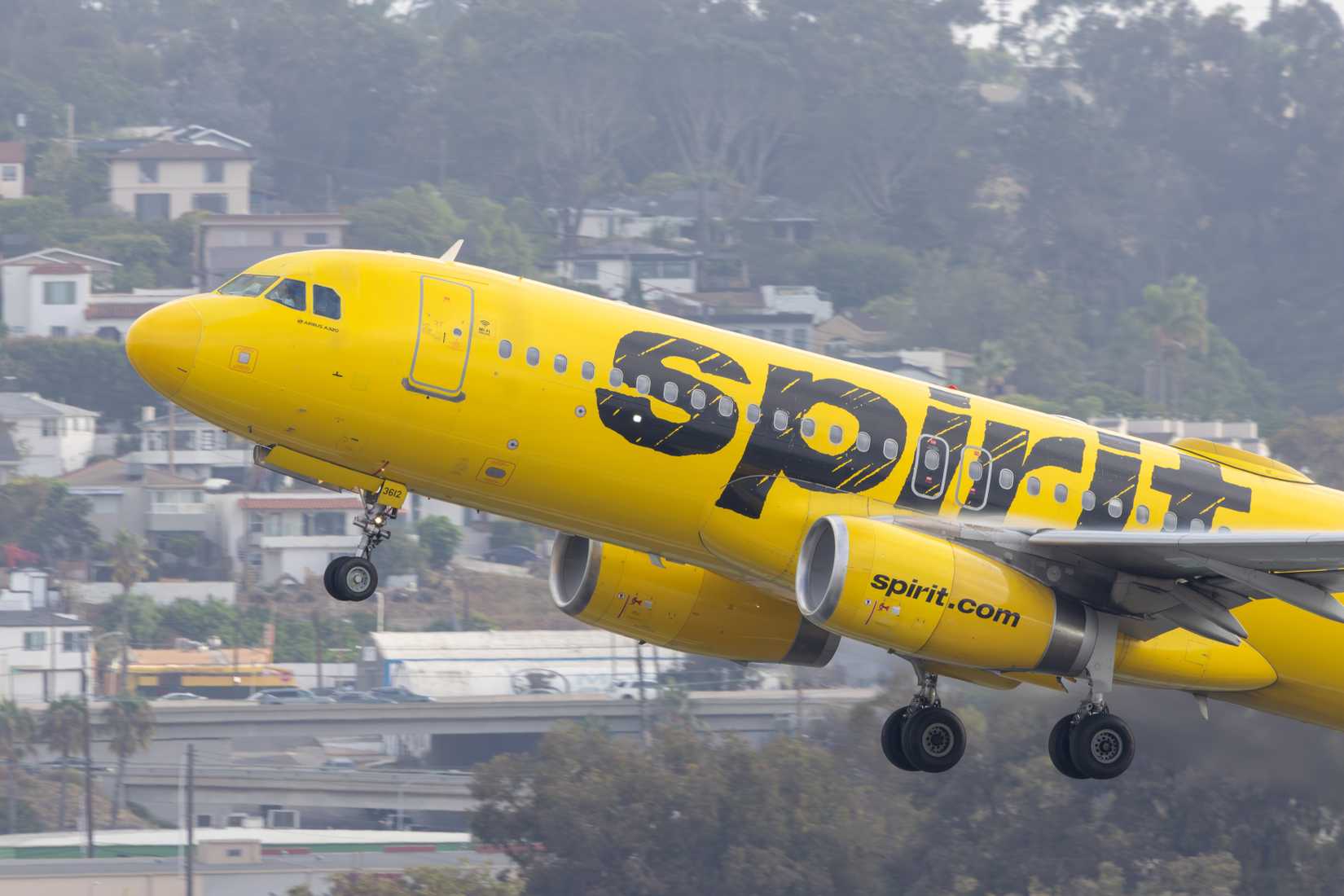
Reuters cited Cirium as saying the going rate for renting engine spares can cost $200,000 per engine per month. This is about as much as the cost of leasing the aircraft entirely. It also says the engines can go for as much as $20 million each. Breaking up an aircraft to get $40 million for engines from an aircraft around a quarter or third of the way through its life, plus its other components like avionics, starts to make economic sense. To put that in perspective, in September 2024, IBA reported the market price of a new A320neo and MAX 8 was around $55 million. Longer-range models of the A321neo are priced in the upper $60 million range.
When it came to lease rates, the range for the Airbus A320neo and Boeing 737 MAX 8 was approximately $400,000 per month, and around $460,000 for the A321neo. Older-generation midlife 737-800s and A320s were leased for between $230,000 and $250,000 per month. In 2025, IBA said these older engines had a half-life market value for the baseline CFM56-7B24 of $5.2 million, and the CFM56-7B27 was $6.8 million.
|
Select A320neo and engine market values (per IBA & Reuters) |
|
|---|---|
|
PW1100G market value |
$20 million each |
|
PW1100G lease rate (monthly) |
$200,000 |
|
A320neo market value (new) |
$55 million |
|
A320neo lease rate (monthly, new) |
$400,000 |
Thanks to having fewer spares available, the V2500-A5 has market lease rates of between $70,000 and $80,000 per month. The CFM56-7B’s mid-term to long-term leasing is between $80,000 and $90,000, depending on the engine build standard. Short-term leasing goes over $100,000.
Common With Old Aircraft
Canibalizing aircraft to keep other aircraft flying is common with older aircraft no longer in production. This is why Delta Air Lines has scooped up so many of the world’s Boeing 717 regional airliners. It is able to scrap a portion of them for parts to keep its core fleet flying. Again, this has an analogue with cars and is obvious anytime anyone sees an automobile scrapyard.
Canibalization is particularly common with military aircraft, as they typically have very specialized components that have long since gone out of production. Very often, cannibalization is the only source of replacement for certain components, and it can also be a source of cheap components, just as parts from the scrapyard are much cheaper than purchasing new ones.
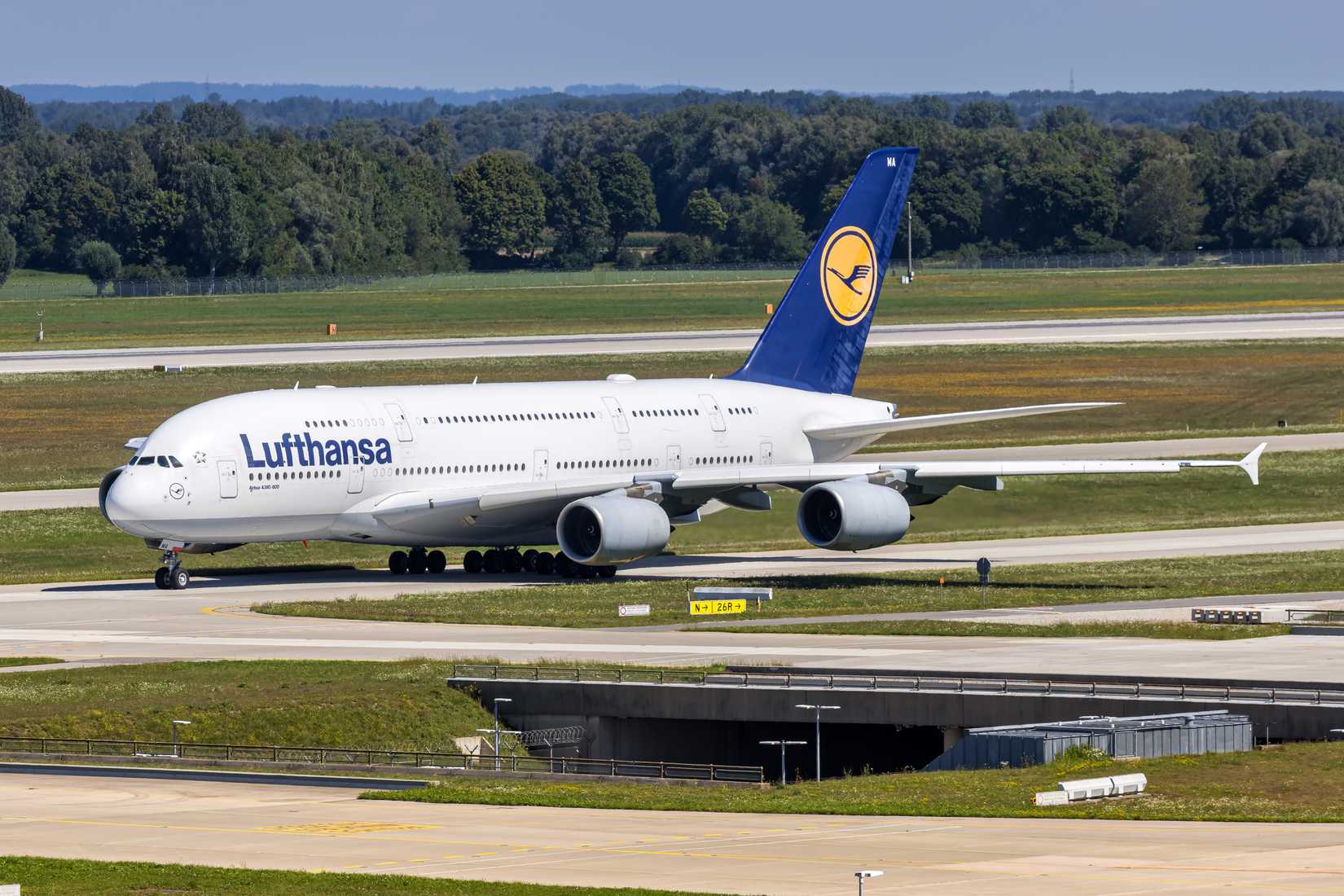
This is a fate already taking root in the world’s limited and out-of-production fleet of Airbus A380 superjumbos. As parts of these aircraft’s operational fleets age and more and more spares are used up, the only option will be to cannibalize other superjumbos. What is remarkable about the A321neos being scrapped is just how new they are.
Durability & Maintenance Stand Alongside Efficiency

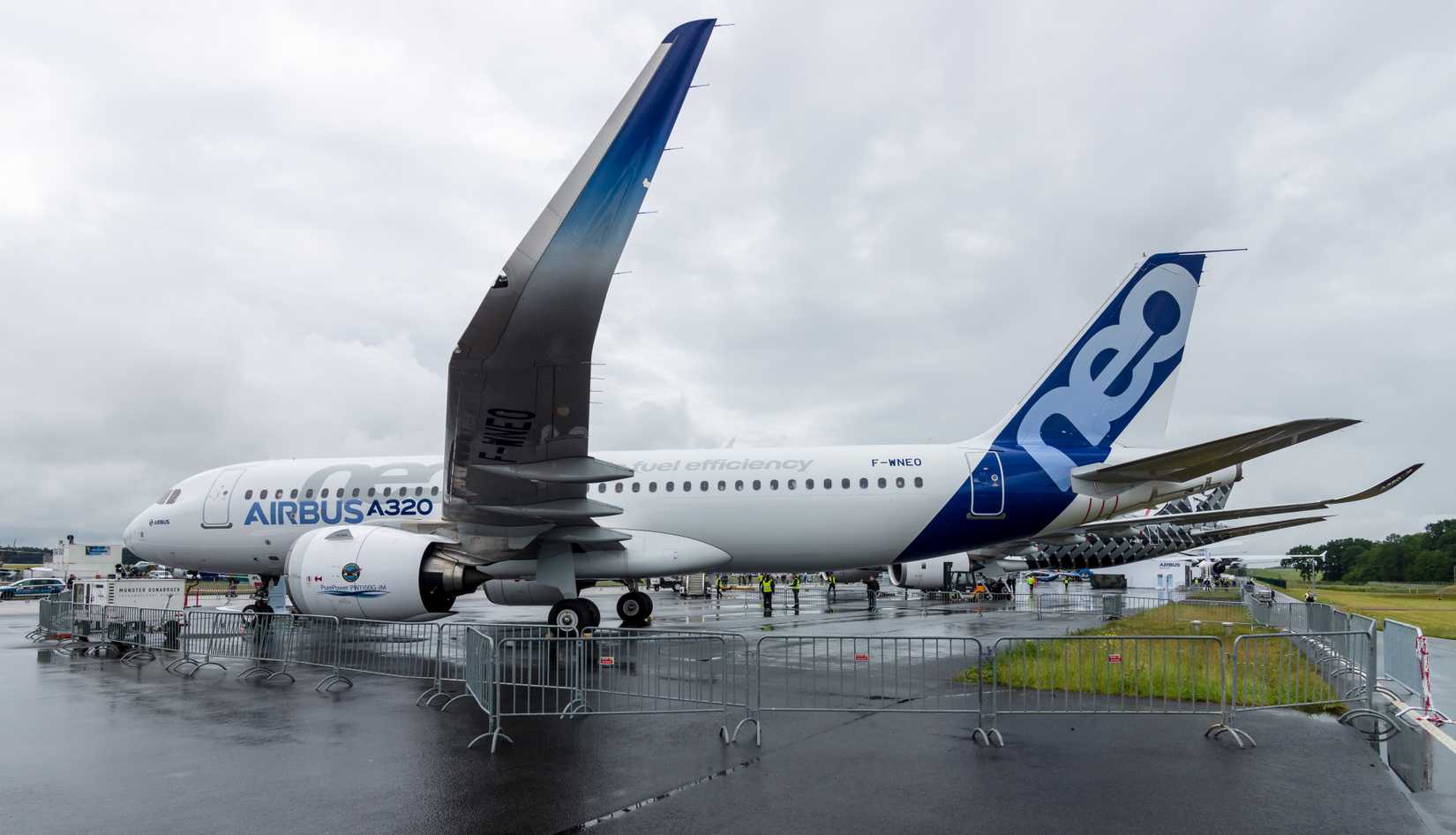
The Airbus A320neo family is designed to fly economically for 20 years, and the fact that some are being broken up just six years in speaks to how real-world economics can be counterintuitive. It is also perhaps a cautionary tale of how Pratt & Whitney went all out to develop an engine 15% more fuel-efficient than its predecessor, but dropped the ball on maintenance and quality control.
The NEO is also a tale about the remarkable success of the CFM International LEAP family. While the Boeing 737 MAX has had more than its fair share of woes since the crashes of 2018 and 2019, it is fortunate to be exclusively powered by the LEAP-1B and has escaped the troubles plaguing parts of the NEO family.
In another tale of a faulty engine. The Boeing 787 Dreamliner is optionally powered by the GE Aerospace GEnx or the Rolls-Royce Trent 1000. While RR was able to command about a third of the orders in the early years, its engines also had major problems. In October 2025, IBA reported, “Despite Rolls-Royce’s improvements, the consensus is that it is too late to regain the lost market share.” It added that the engine will likely be discontinued after 2030, even as more orders for the Dreamliner continue to roll in.
source