


For decades, long-haul travel was traditionally the domain of widebody aircraft such as the Boeing 747. However, in recent years, narrowbody aircraft have been reshaping air travel, allowing airlines to connect smaller cities nonstop. Modern aircraft, such as the Airbus A321XLR and A321neo, make longer journeys possible without the need for widebodies, offering efficiency and surprising comfort for passengers, particularly those in business class.
In this article, we will take a closer look at some of the most comfortable narrowbody business class products available to passengers today. We will also examine how narrowbody aircraft have begun to play an increasingly important role in long-haul flying.
Narrowbody Aircraft Are Increasingly Popular On Long-Haul Routes

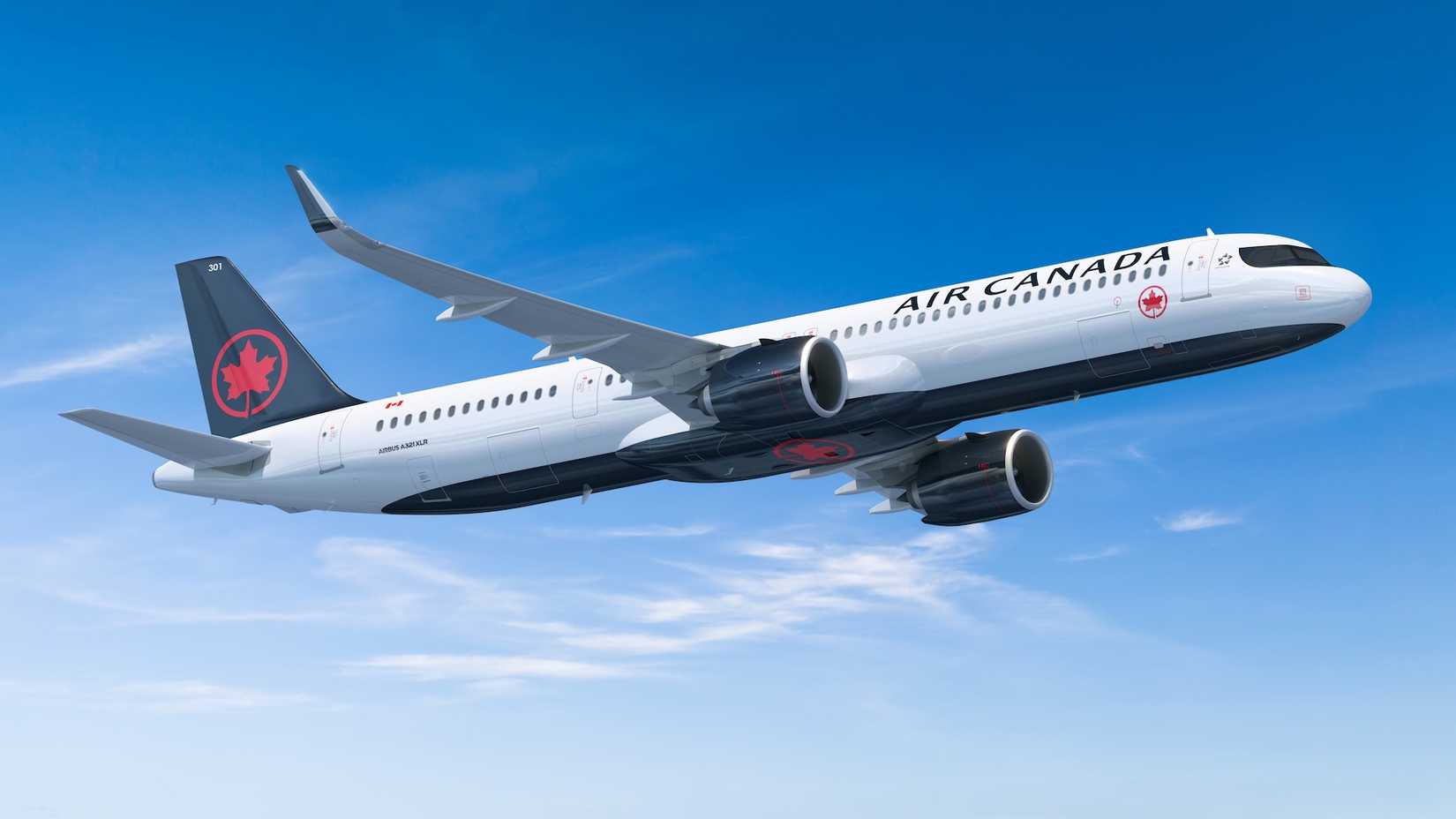
Narrowbodies have become an increasingly common sight on longer routes, marking a major shift in how airlines plan their networks. Traditionally, carriers relied on widebodies like the Boeing 777, 747, and Airbus A330 for their long-haul routes, but with new-generation narrowbodies such as the A321XLR and Boeing 737 MAX, airlines now have aircraft that combine long range with lower operating costs. This opens up opportunities that simply did not exist a decade ago.
One of the biggest drivers behind this trend is efficiency, as narrowbody aircraft burn less fuel, carry fewer crew, and are easier to fill to profitable load factors. That makes them ideal for long, thin routes that have enough demand for regular flights but can’t support a large widebody aircraft. Instead of routing passengers through traditional hubs, airlines can now offer point-to-point service with smaller aircraft, giving passengers more direct options and reducing travel time.
Range improvements also play a huge role. The Airbus A321XLR, for example, can fly up to 5,400 miles, allowing airlines to connect regions such as Northern Europe to the US East Coast or the Middle East to Southeast Asia. These capabilities have encouraged both full-service and low-cost carriers to expand their long-haul networks, and airlines are now opening up more and more narrowbody routes across the Atlantic and/or between secondary cities.
Passengers also benefit from flying on these high-tech narrowbody aircraft, as their modern cabins feature quieter engines, improved pressurization, and updated entertainment options. While space is naturally more limited than on widebodies, airlines have invested significantly in making their cabins as comfortable as those found on widebody aircraft, if not even more so. Let’s take a look at some of the most innovative narrowbody business class products available today.


How Airbus Has Revolutionized Long-Haul Travel
Airbus’s A321LR and A321XLR reshaped long-haul travel, opened new routes, cut costs, and enabled narrowbodies to fly where twin-aisles once ruled.
American Airlines

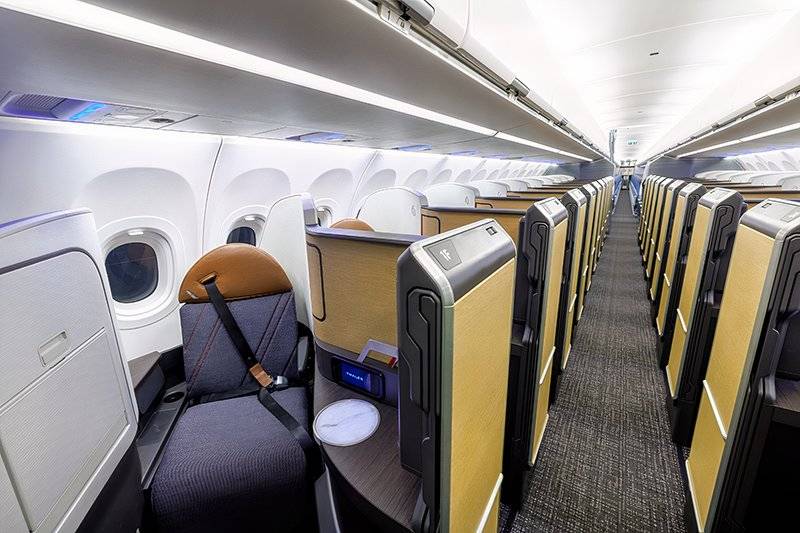


At the heart of American’s A321XLR’s business class offering is a fully-flat suite, arranged in a herringbone layout that gives every passenger direct aisle access. Each suite will feature a sliding door, allowing passengers to enjoy more privacy, which is something that nowadays has become a hallmark of modern-day business class travel. This marks a major upgrade from traditional narrowbody cabins and aligns the experience on the A321XLR with American’s newest widebodies.
Passengers will be able to pass the time with a large 4K in-flight entertainment screen, and will have access to multiple charging points and ample personal storage. The suite’s design also prioritizes comfort with improved cushioning, enhanced lighting, and increased surface space for working or dining, while the cabin also feels more modern and spacious thanks to a lighter color palette and refined finishes inspired by American Airlines’ flagship widebody interiors.
American Airlines plans to begin commercial service with the Airbus A321XLR in December 2025, initially on its high-profile, premium-heavy domestic route between New York John F. Kennedy International Airport (JFK) and Los Angeles International Airport (LAX). The carrier will then expand the aircraft’s route network to international services, starting with New York JFK to Edinburgh Airport (EDI) in March 2026.
JetBlue


JetBlue has offered a narrowbody business class product for some time now, and Mint has become one of the standout premium experiences on narrowbody aircraft, bringing a level of comfort and privacy that rivals many widebody business class cabins. Designed for transatlantic flights and premium US transcontinental routes, Mint offers travelers a boutique-style experience with thoughtful touches throughout the cabin.
At the heart of JetBlue’s Mint products is its fully lie-flat seat, which extends to about 6 feet 8 inches, allowing passengers to rest on overnight journeys. In the carrier’s latest Mint cabin onboard its Airbus A321LR and A321neo aircraft, each seat is configured as an individual suite with a sliding door, giving every traveler a high degree of privacy. The seat also includes plenty of storage space and adjustable lighting.
|
New York JFK |
Boston Logan International Airport (BOS) |
|---|---|
|
London Heathrow Airport (LHR) |
London Heathrow Airport (LHR) |
|
Paris Charles de Gaulle Airport (CDG) |
Paris Charles de Gaulle Airport (CDG) |
|
Amsterdam Schiphol Airport (AMS)* |
Amsterdam Schiphol Airport (AMS)* |
|
Dublin Airport (DUB)* |
Dublin Airport (DUB)* |
|
Edinburgh Airport (EDI)* |
Edinburgh Airport (EDI)* |
|
London Gatwick Airport (LGW)* |
|
|
Madrid Barajas Airport (MAD)* |
|
|
Barcelona El Prat Airport (BCN)* |
|
|
*indicates seasonal service |
Milan Malpensa Airport (MXP)* |
Passengers can expect a well-rounded soft product to match JetBlue’s impressive Mint hard product. The carrier provides high-quality amenity kits, plush blankets and pillows, and noise-canceling headphones, while large high-definition entertainment screens offer a wide selection of movies and TV shows to keep passengers entertained throughout JetBlue’s long-haul flights.
For those seeking an elevated experience, JetBlue’s Mint Studio takes comfort even further. Located in the first row, these oversized suites feature an even larger screen, extra surface space, and an additional side seat for hosting a companion during meals or conversation. The table above details some of the routes from its two primary transatlantic hubs at New York JFK and 
La Compagnie


La Compagnie offers a truly distinctive business-class experience, as its entire fleet operates with an all-business-class cabin, designed to deliver a boutique, airy, and comfortable atmosphere. On its Airbus A321neo aircraft, La Compagnie has 76 seats arranged in a 2-2 layout, and each seat reclines into a fully flat bed measuring over six feet in length. This lie-flat capability ensures that even overnight transatlantic flights offer an inviting, restful sleep environment.
The cabin layout, with only two seats per side of the aisle, means there are no middle seats, giving each passenger more personal space and a sense of privacy, albeit with no direct aisle access for those seated at the windows. La Compagnie aims to offer an experience more like that of a boutique hotel, as boarding and disembarkation are much quicker, and the overall environment is more relaxed than on larger, economy-heavy jets.
La Compagnie operates services to 

La Compagnie: 5 Things To Know About The All-Business-Class Transatlantic Airline
Many airlines attempted the all-business-class model and dropped quickly to their demise. However, La Compagnie seems to be doing something right.
Cathay Pacific


Cathay Pacific offers a modern take on business class comfort onboard its Airbus A321neo aircraft in a move that brings premium touches to short‑ and mid‑haul regional flights to and from its hub at 
Comfort and convenience are priorities for Cathay Pacific, with each seat framed in a fixed shell, giving passengers personal space that isn’t encroached upon by the passenger in front. Seat width has been expanded slightly to 21 inches, and seat pitch has also been improved. Meanwhile, entertainment and amenities have been upgraded too, with every business class seat featuring a 15.6-inch 4K Ultra‑HD screen, and the cabin supports Bluetooth audio streaming
This means that passengers can often use their own headphones. Power outlets and USB ports are also available to keep devices charged. Overall, Cathay Pacific’s narrowbody business‑class product on the Airbus A321neo offers a strong balance between efficiency and comfort.
It may not match the lie‑flat beds of the carrier’s long-haul widebody aircraft, such as the Airbus A350-900 and Boeing 777-300ER. However, its innovative ‘recliner‑plus’ seats, modern entertainment system, and privacy-focused shell design make it one of the more polished regional business-class experiences on a narrowbody aircraft.

Is The Airbus A321XLR The Future Of Transatlantic Flights?
Airbus’ A321XLR is redefining long-haul travel, linking secondary cities across the Atlantic with efficiency, comfort, and game-changing range.
All About The Airbus A321XLR
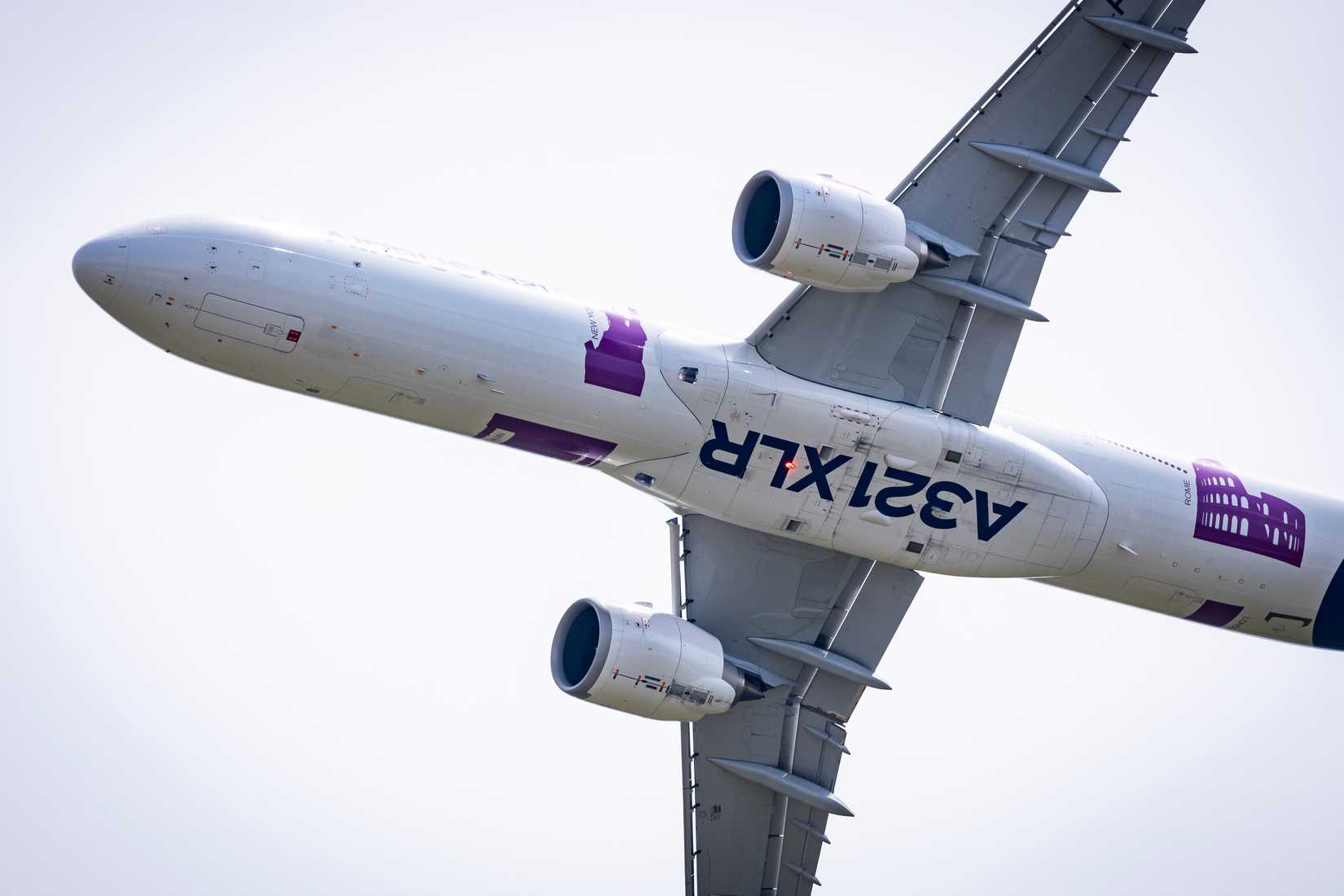
The A321XLR was launched by Airbus at the 2019 Paris Air Show as the next generation of the incredibly successful A320neo family, intended to fill the market gap left by the retired Boeing 757. Its maiden flight took place in June 2022, followed by extensive testing that included more than 1,450 flight test hours and hundreds of flights. Certification was granted in July 2024, and the first delivery was made to Iberia just three months later in October 2024.
The Spanish flag carrier has since deployed the aircraft on several transatlantic routes from its hub at Madrid Barajas Airport (MAD). To achieve its long-range performance, the Airbus A321XLR includes a rear center tank for additional fuel, a reinforced landing gear, and redesigned wing flaps.
|
Airline |
Airbus A321XLRs |
|---|---|
|
Iberia |
2 |
|
Aer Lingus |
2 |
|
Qantas |
1 |
Compared with previous-generation narrowbody aircraft, the A321XLR offers up to 30% lower fuel burn per seat and reduced emissions, while maintaining flexibility for long-haul or thinner routes. The latest data from ch-aviation shows that today, three carriers have so far taken delivery of their first Airbus A321XLRs, as detailed in the table above.
source