


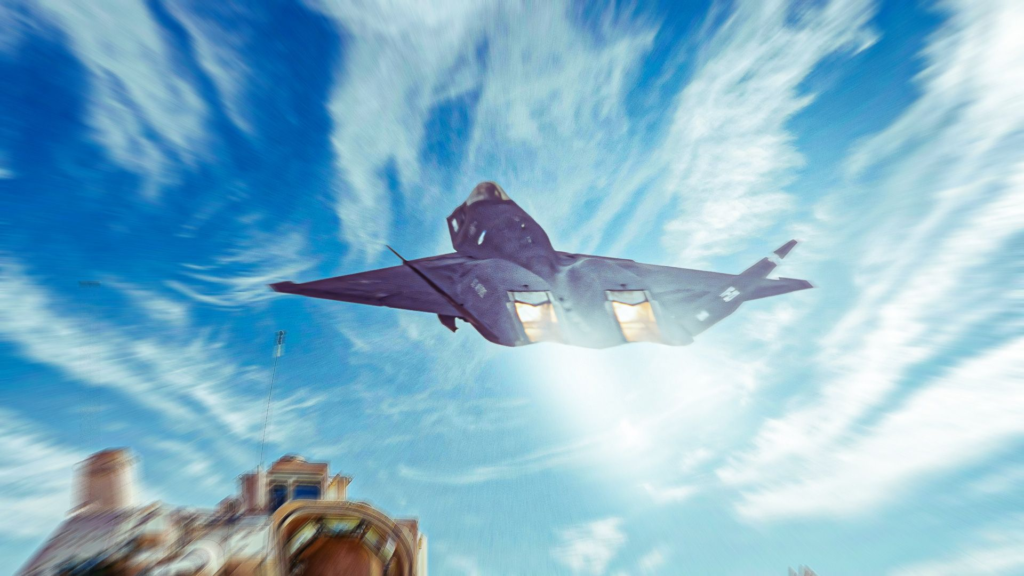
Does the Northrop/McDonnell Douglas YF-23 “Black Window II” demonstrator built for the US Air Force’s Advanced Tactical Fighter (ATF) competition still haunt the Air Force? No, not really, but that doesn’t mean its tale is finished. There are many sound reasons why the United States Air Force selected the Lockheed Martin YF-22, which would go on to be the F-22 Raptor. While these decisions made sense at the time, many enthusiasts contend that the competition was stolen from Northrop and that the YF-23 should have been the basis for the air dominance fighter jet.
The story of the YF-23 continues, with Northrop Grumman recently releasing a partial rendering of the proposed Navy F/A-XX 6th-generation fighter jet that appears to be primarily based on the YF-23. It is possible that the YF-23 still contains aspects of advanced engineering still relevant for a future next-generation fighter. Here is what to know about why the YF-23 refuses to go away.
The Northrop YF-23

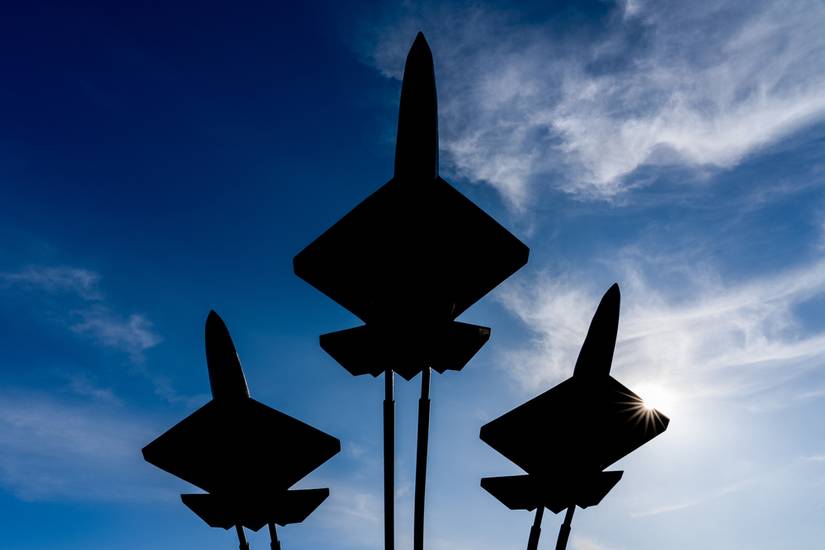
Northrop developed the YF-23 as a flying demonstrator for the United States Air Force as the next-generation replacement for the F-15 Eagle family. Two demonstrators were built, and the first flight was achieved in 1990. At the time, the US Air Force wanted to procure 750 next-generation air dominance fighters while the Navy was also considering purchasing a version of the aircraft to replace its F-14 Tomcats. In the end, the Navy purchased none, and the Air Force only purchased 187 Raptors by the time the program was canceled.
In the early 1990s, the concept of fighter jet generations was first proposed. The categorization became a useful way to demonstrate just how much more advanced the ATF (later Raptor) would be and why it cost so much. The YF-22-based Raptor is widely considered to be still the world’s most capable air superiority fighter jet in service.
While the Boeing YF-32 demonstrator was famously ugly compared with the competing YF-35, which would go on to become the Lockheed Martin F-35, the Northrop YF-23 was sleek and beautiful. The YF-35 was demonstrably superior to the YF-32, but the same cannot be said about the Lockheed YF-22 compared with the YF-23.
How YF-23 Outperformed YF-22

The YF-23 outperformed the competing Lockheed YF-23 in some substantial ways. The YF-23 was considered stealthier and faster than the competing Lockheed YF-22, but it was also less agile. One of the most important advantages the YF-23 boasted was its unrefueled range, which is reported to be 2,279 miles. This was around 489 miles further than the range of the YF-22. The Northrop aircraft could supercruise at higher speeds.
When it came to thrust-to-weight ratios and payloads, both demonstrators offered similar capabilities. Taking the two aircraft by themselves, both designs were excellent aircraft that would provide the Air Force with a ‘silver bullet’ overmatch in air dominance compared to anything the Soviet Union could develop. Both aircraft exceeded the Air Force’s own requirements for the next-generation air dominance fighter. The Air Force had to select one as it could not afford both, unlike how it chose two Collaborative Combat Aircraft (Anduril YF-44 and General Atomics YF-42) for its Increment 1 program in 2024.
|
Northrop YF-23 |
|
|---|---|
|
First flight |
1990 |
|
Number built |
2 |
|
Role |
Demonstrator for air dominance stealth fighter |
|
Speed |
Approx. Mach 2 |
In the years since, range has become an increasingly important attribute of fighter jets. With the Navy, China’s growing missile arsenal puts its aircraft carriers in increasing danger. This could force the Navy to pull its carriers further out to sea. However, the Navy retired its longer-ranged F-14 Tomcats without replacement, and the F/A-18s are limited in range when carrying a full payload. The Super Hornet has an improved range over the Hornet, and the F-35C improves range even more. Even so, the Navy feels its tactical fighters need more range, which is a big reason why it is prioritizing its Boeing MQ-25 Stingray tanker drones and the upcoming F/A-XX 6th-generation fighter, which should improve range by another 25%.
How Lockheed Won The Presentation War

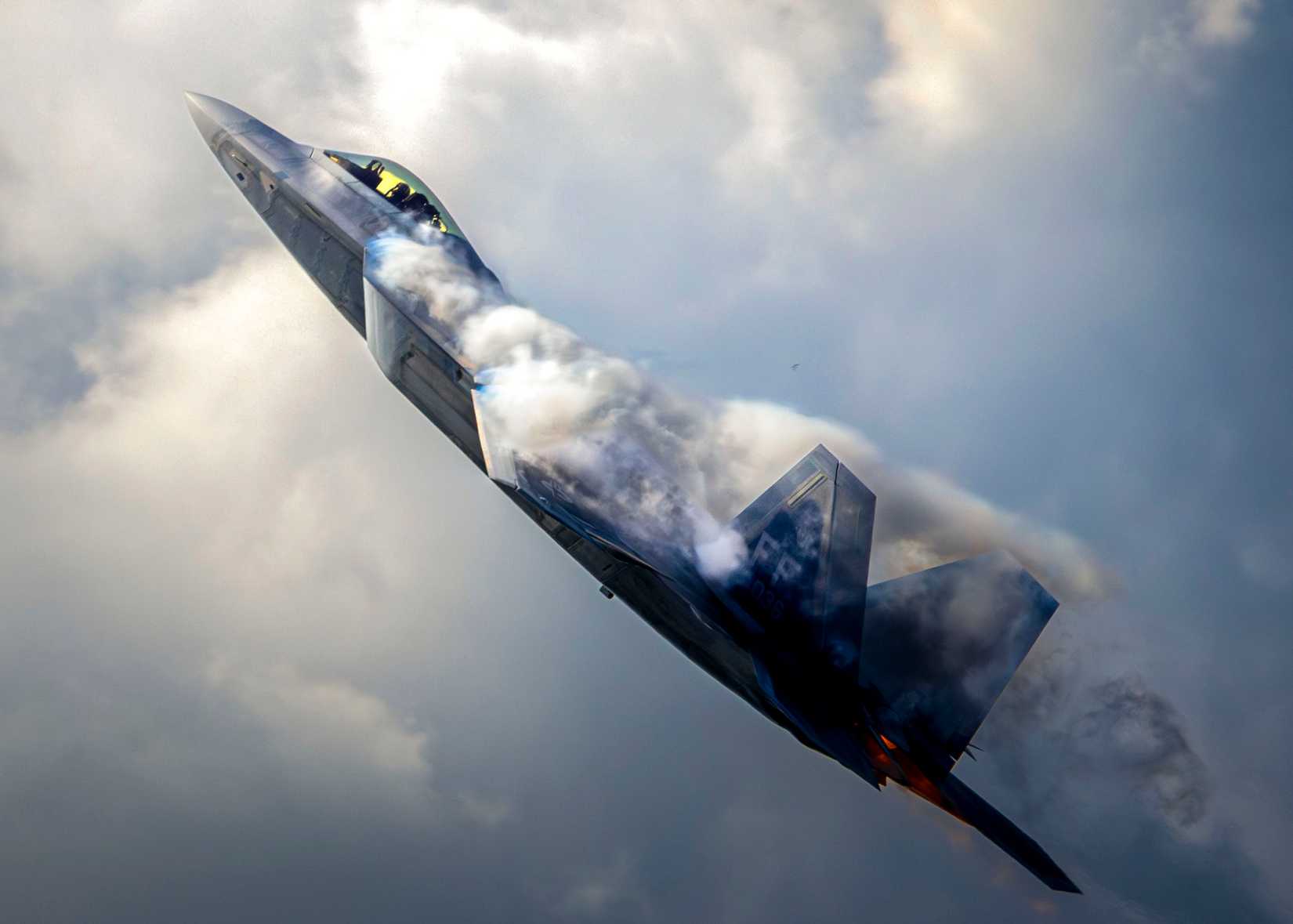
Although the two demonstrators were closely matched, Lockheed’s YF-22 completed significantly more test flights than Northrop’s. The YF-22 performed more aerobatic maneuvers and took the opportunity to demonstrate the aircraft’s more mature capabilities, such as deploying weapons from its internal weapons bay. This was something the early YF-22 demonstrators couldn’t do. It also demonstrated its ability to fly at greater angles of attack. According to Sandboxx News, while the YF-23 could fly at these angles of attack, the Northrop team didn’t think of demonstrating it.
Put another way, Lockheed won the presentation competition. Even professionals can be impressed by a better presentation, even if it distorts the underlying performance of the products being compared. Something similar is seen today with Russia constantly demonstrating Cobra maneuvers and the ability of its aircraft to supercruise, even if this has little practical benefit. Russia emphasizes its parades and dramatic sped-up, strategically cut videos of its tanks charging through mud, while Britain has done little more than release a boring video of its more advanced Challenger 3 tank slowly rolling over a speed bump.
|
Lockheed Martin F-22 Raptor |
|
|---|---|
|
Number built (excluding prototypes) |
187 |
|
Number combat coded |
142 |
|
Operator/s |
US Air Force exclusively |
|
Entered service |
2005 |
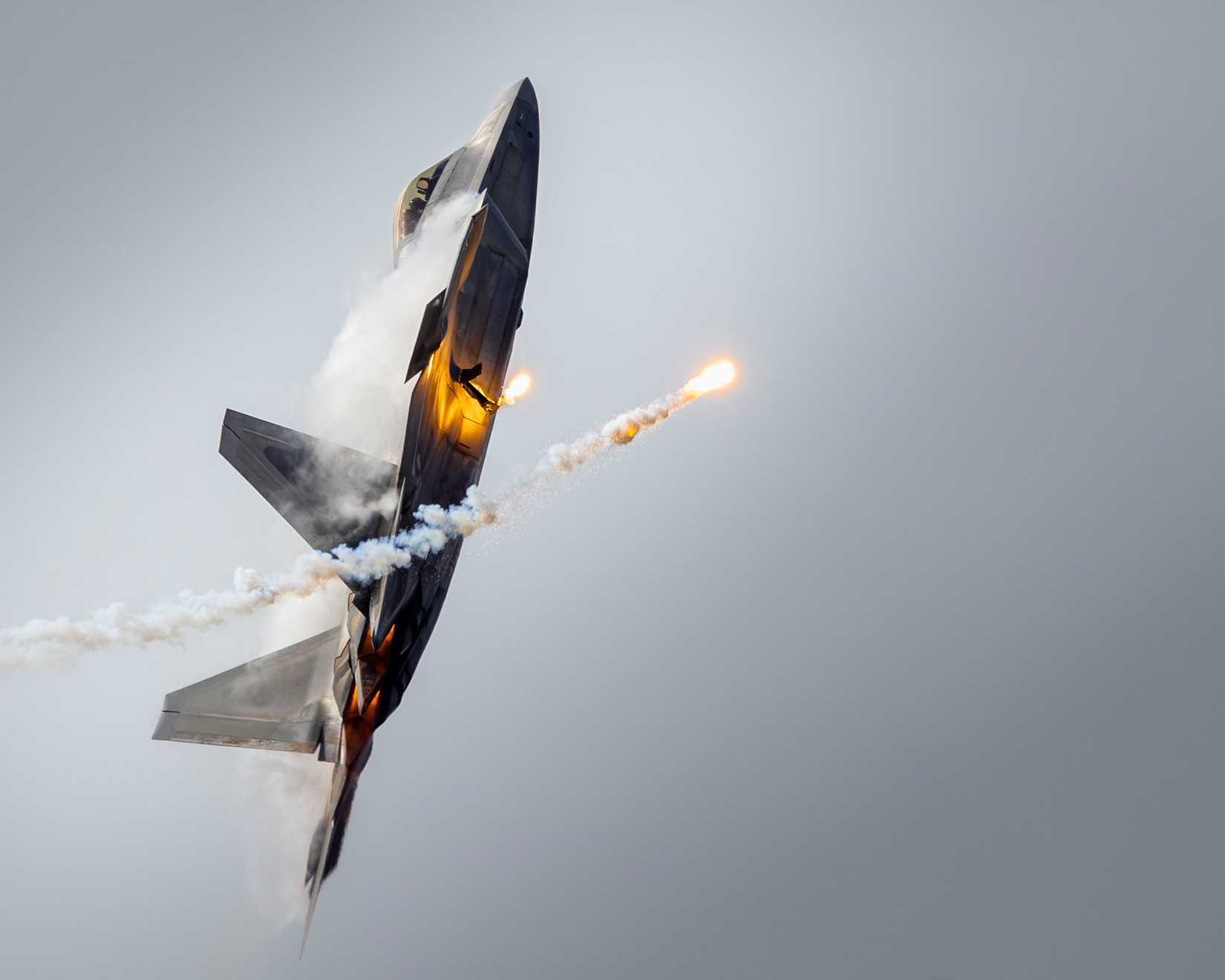
Lockheed was aware that not all those appraising the aircraft would be engineers or would necessarily be astute technically. It was known for making a visual impression and for showmanship to complement the aircraft’s technical capabilities. At the end of the day, many people are impressed by a good show. A Cobra maneuver may do little more than present the largest possible target, while also blending off all the aircraft’s energy, but it does have a wow factor.
Why The Air Force Chose The YF-22

Another factor is to consider the dynamics of time, not just the products. In 1991, Lockheed was in much better shape in popular perception than Northrop. Northrop was still grappling with a series of high-profile scandals that spanned the two decades prior. Northrop had been accused of bribing key officials in the 1970s, and the aircraft maker was formally investigated for mismanaging funds from large projects in the 1980s. In 1989, Northrop was indicted on criminal charges for falsifying information on cruise missiles and Harrier jump jet components.
Just six months before the YF-23’s maiden flight, Northrop pleaded guilty to 34 fraud charges related to those earlier programs in an agreement that also saw other fraud and conspiracy charges against the company dropped. Additionally, Northrop was going significantly over budget on the B-2 Spirit program.
In other words, the competition took place at a time when confidence in Northrop was at a low point. As fate would have it, Lockheed, later Lockheed Martin, would go over budget with the F-22 and the F-35, while Northrop-Grumman is producing the B-21 Raider on time and on budget. But this is with the benefit of hindsight.
Northrop Grumman’s Recent 6th-Gen F/A-XX Render


As debate swirled around whether the Navy would get the funding it needs to develop the F/A-XX, Northrop Grumman released a partial rendering of the forward section of a next-generation fighter on an aircraft carrier. The render showed the same distinctive duck-bill as the YF-23 and a sleek, stealthy design. The canopy also used the same canopy bow to fuse the canopy pieces. One notable difference was the nose landing gear being positioned further back.
But the most obvious difference between the teaser render and the YF-23 was the intake placement: the render’s intakes were on top of the airframe. The YF-23 had its air intakes fitted on the underside of the aircraft. Placing the intakes on top would reduce radar and infrared detectability, thereby improving the aircraft’s stealthy profile. However, this is also a much more complicated design.
But all this doesn’t necessarily mean that Northrop’s proposed F/A-XX solution actually resembles the YF-23. No images of the NGAD demonstrators or F/A-XX demonstrators have been publicly released. Only two partial renders of the F-47 have been released, and the Air Force has hinted these contain misdirections.
A Competitive Competition
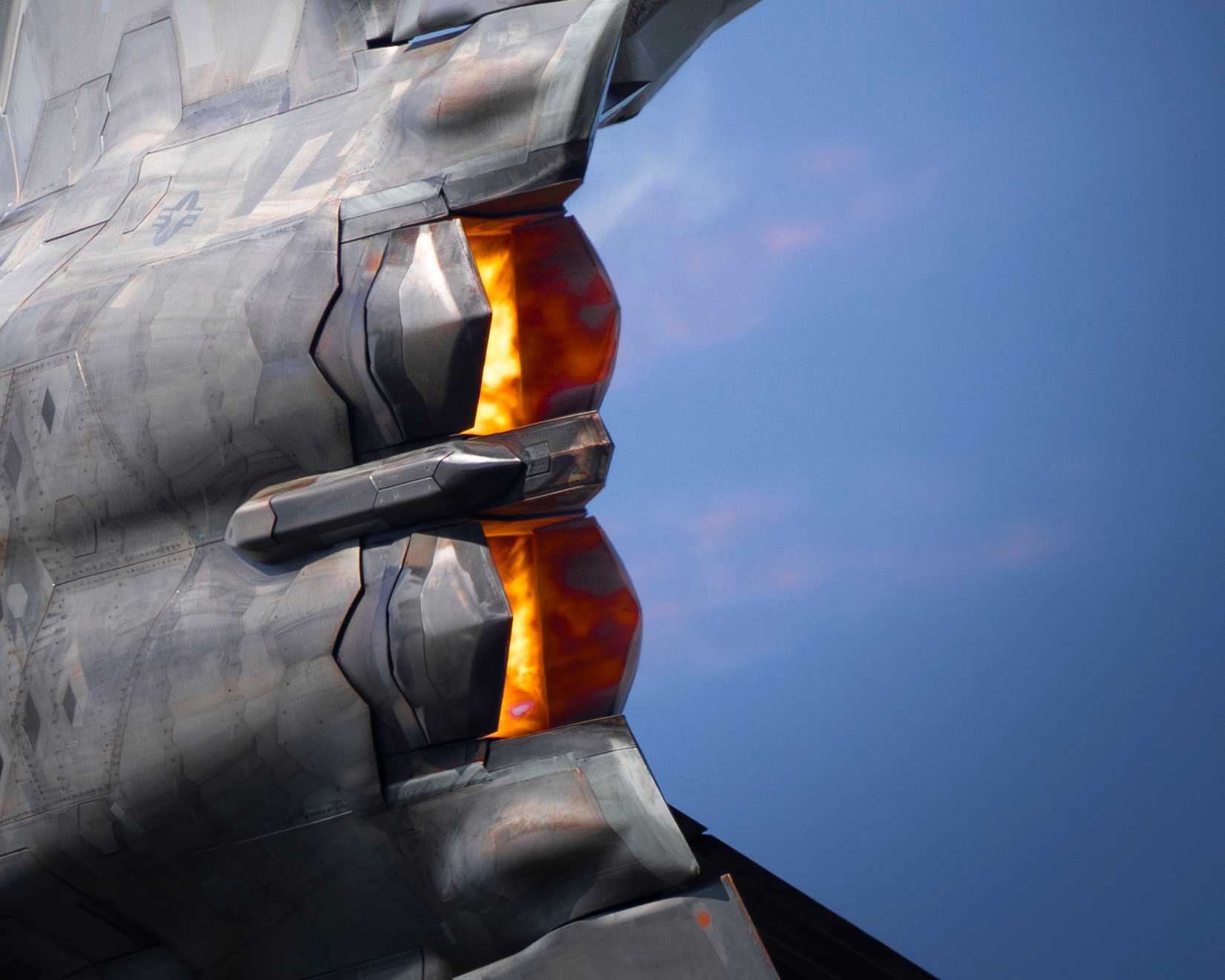
The YF-23 was a worthy demonstrator that closely rivaled the YF-22 and exceeded it in some respects. Both aircraft were considered capable of meeting the Air Force’s requirements. Some claim the YF-23 was the superior option, and there is certainly a case to be made for that. But these massive projects are also about industry, confidence, public perception, and other considerations.
The competition came at a time when the Air Force was more confident in Lockheed, while it had lower confidence in Northrop. The Air Force would have had to answer some very difficult questions in Congressional hearings if Northrop had gone over budget and repeated earlier scandals. It is possible that the delays and cost overruns of the F-35 also played a part in the Air Force not selecting Lockheed’s demonstrator for the NGAD program, though that will only be known once more information becomes publicly available.
Now, around 35 years later, Northrop Grumman is again reportedly offering an updated version of the YF-23 to the Navy. While the YF-23 may not haunt the Air Force, it does represent a pinnacle of US engineering that remains relevant today. In its NGAD competition, the US Air Force passed over both Lockheed Martin and Northrop-Grumman and tapped Boeing to build the F-47. The jury remains out on whether the Navy will go with Northrop or Boeing for the F/A-XX, seeing that Lockheed has reportedly been eliminated.
source