


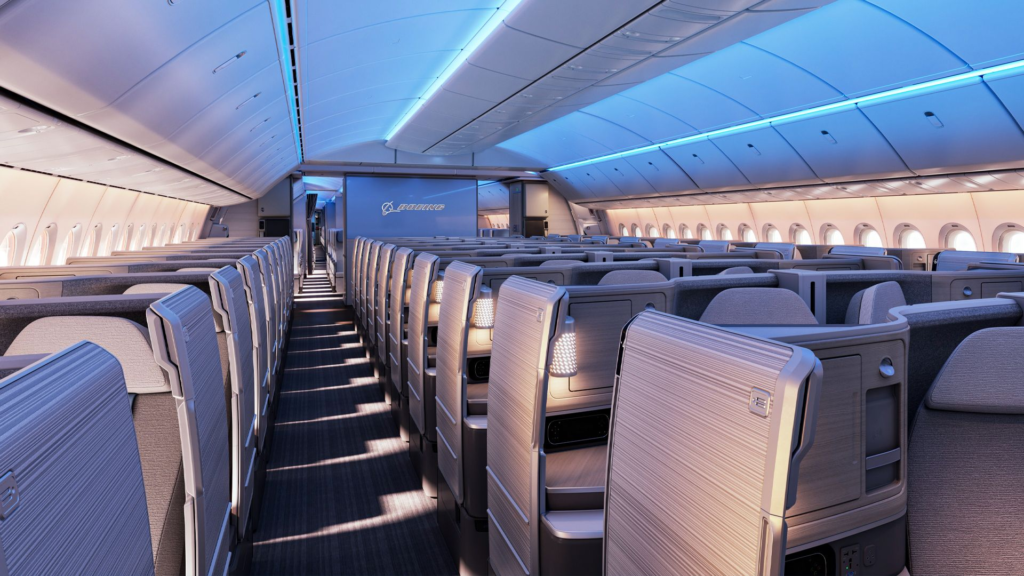
The Boeing 777X is set to revolutionize long-haul air travel when it eventually enters commercial service in 2027. The aircraft boasts several innovative design features, including the largest commercial aircraft engine ever built and its unique folding wingtips. This modern design extends inside the cabin too, with passengers set to enjoy a much-improved experience onboard.
In this article, we will take a closer look at some of the design features of the 

Boeing Sky Interior & Larger Windows


Boeing previously worked with the design agency Teague to develop its innovative Sky Interior for the 787, which was later rolled out across the Boeing 737 MAX and Boeing 747-8 fleets. Some older aircraft, such as the 737-800, were also retrofitted. The US manufacturer has once again teamed up with Teague for its upcoming 777X aircraft. Boeing’s Sky Interior was created to make flying feel more spacious, comfortable, and calming for passengers.
One of the most noticeable features is the cabin’s LED lighting system, which allows airlines to adjust the color and intensity of the lights throughout the flight. For example, warm tones can be created for meal service, and gentle sunrise shades can help passengers wake up before landing. This not only improves the atmosphere but can also help reduce jet lag on longer routes.
The cabin of the Boeing Sky Interior features sculpted sidewalls and larger pivoting overhead lockers that are designed to hold more carry-on bags while still giving passengers a greater sense of headroom. When closed, the lockers curve seamlessly into the ceiling, creating a cleaner and more open look.
Boeing also redesigned the 777X’s windows as part of its Sky Interior design to make them appear larger and let in more natural light. Combined with quieter air systems and improved materials, the Sky Interior offers a noticeably smoother and more pleasant cabin experience.
A Wide Fuselage & Modular Framework

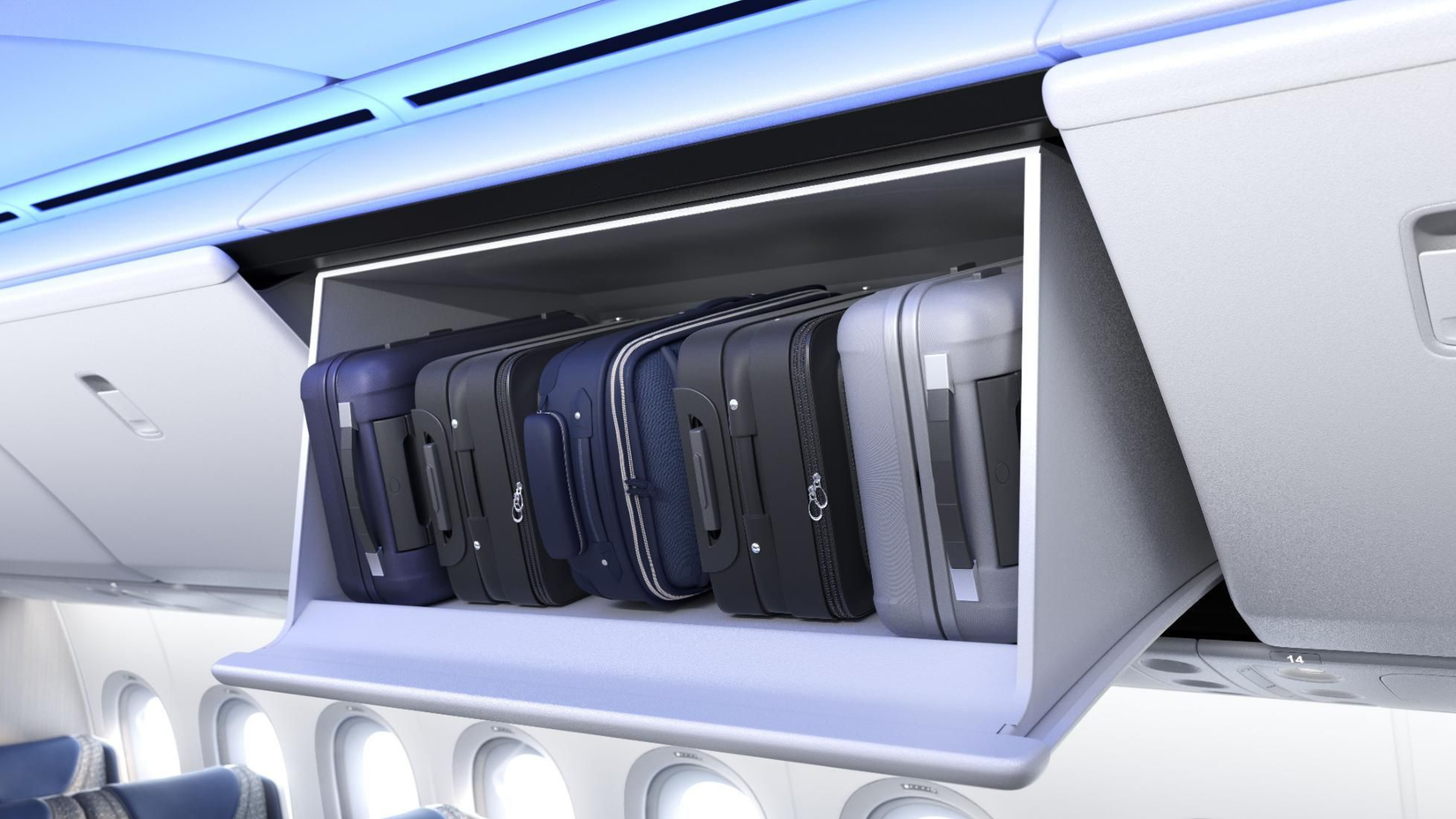
The fuselage of the Boeing 777X is 19 feet and seven inches (5.97 meters) wide. This is four inches (10 cm) wider than previous 777 variants, such as the Boeing 777-300ER, and has been made possible by using advanced materials to create thinner cabin walls and by sculpting the interior surfaces with a concave design. This extra width creates an increased sense of space and will also allow airlines to fit in ten seats abreast in a 3-4-3 configuration with a width of 18 inches, which is wider than the current industry standard.
Another revolutionary aspect of the aircraft interior is its modular framework. Designed with flexibility in mind, this new aircraft architecture allows airlines to customize their cabins more easily than ever before. On its website, the design agency Teague says that the Boeing 777X has “two baseline architectural layouts, as well as elegant and functional cabin transitions, customizable lighting, premium ceiling treatments, and lining packages that can be used to differentiate or unify cabin segments.” It adds that:
“The inventive design provides an unprecedented scope for brand expression. Passengers will also enjoy manifestations of the new design language of the 777X and its human-centered experience drivers.”
The Boeing 777X’s modular framework is built around interchangeable cabin modules that can be installed or replaced as complete sections. This means airlines can adapt to changing market demands, such as shifting capacity between business class and economy class, or update interiors with the latest products without a full cabin overhaul. This modular approach also helps reduce maintenance costs and weight, as systems like lighting, ventilation, and wiring are in separate sections.
All About The Boeing 777X

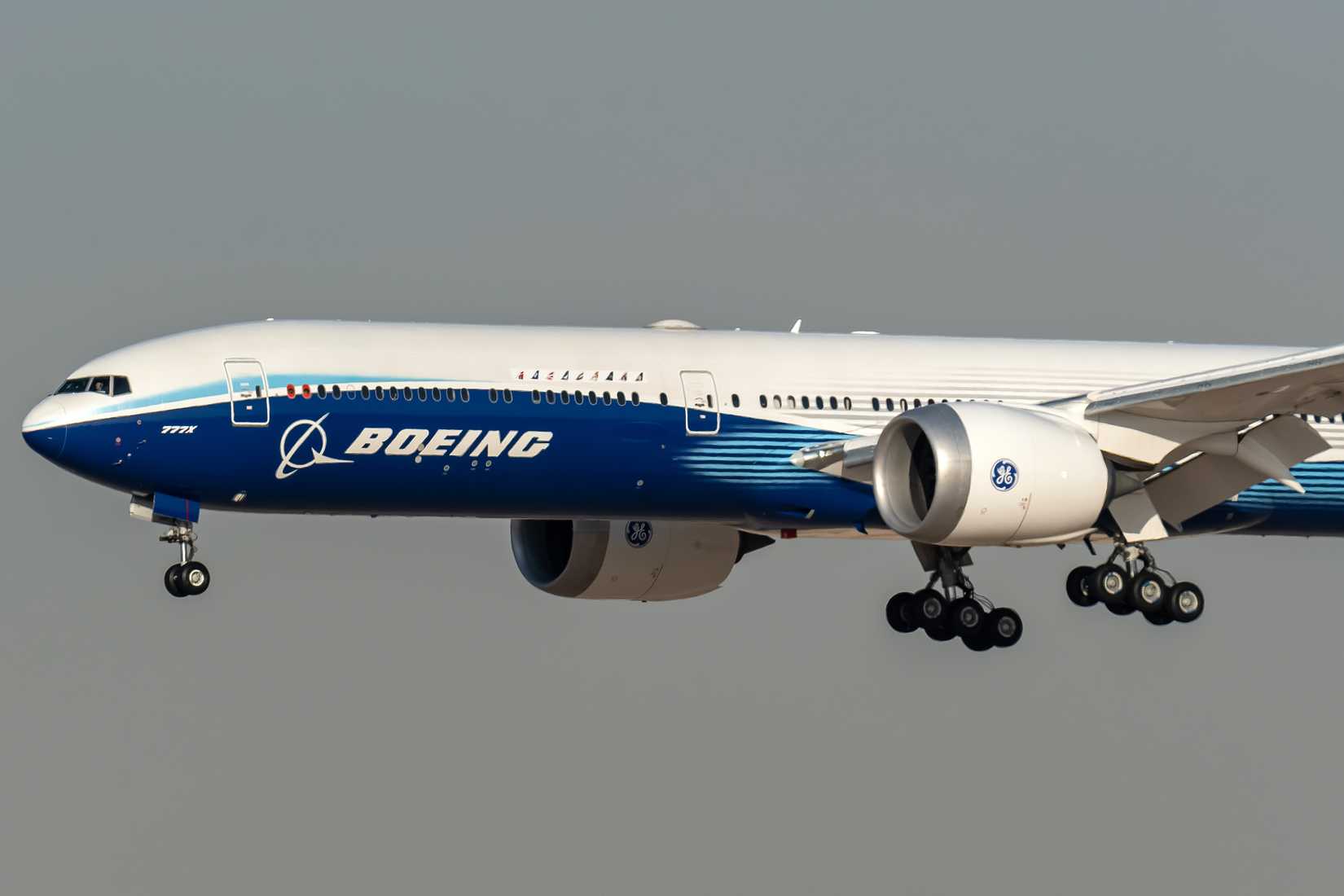
The Boeing 777X represents the next generation of Boeing’s long-haul twin-engine aircraft portfolio, combining proven performance with cutting-edge technology and passenger comfort. As the newest member of the highly successful 777 family, the 777X is designed to deliver greater efficiency, range, and capacity while maintaining the reliability that airlines and passengers expect.
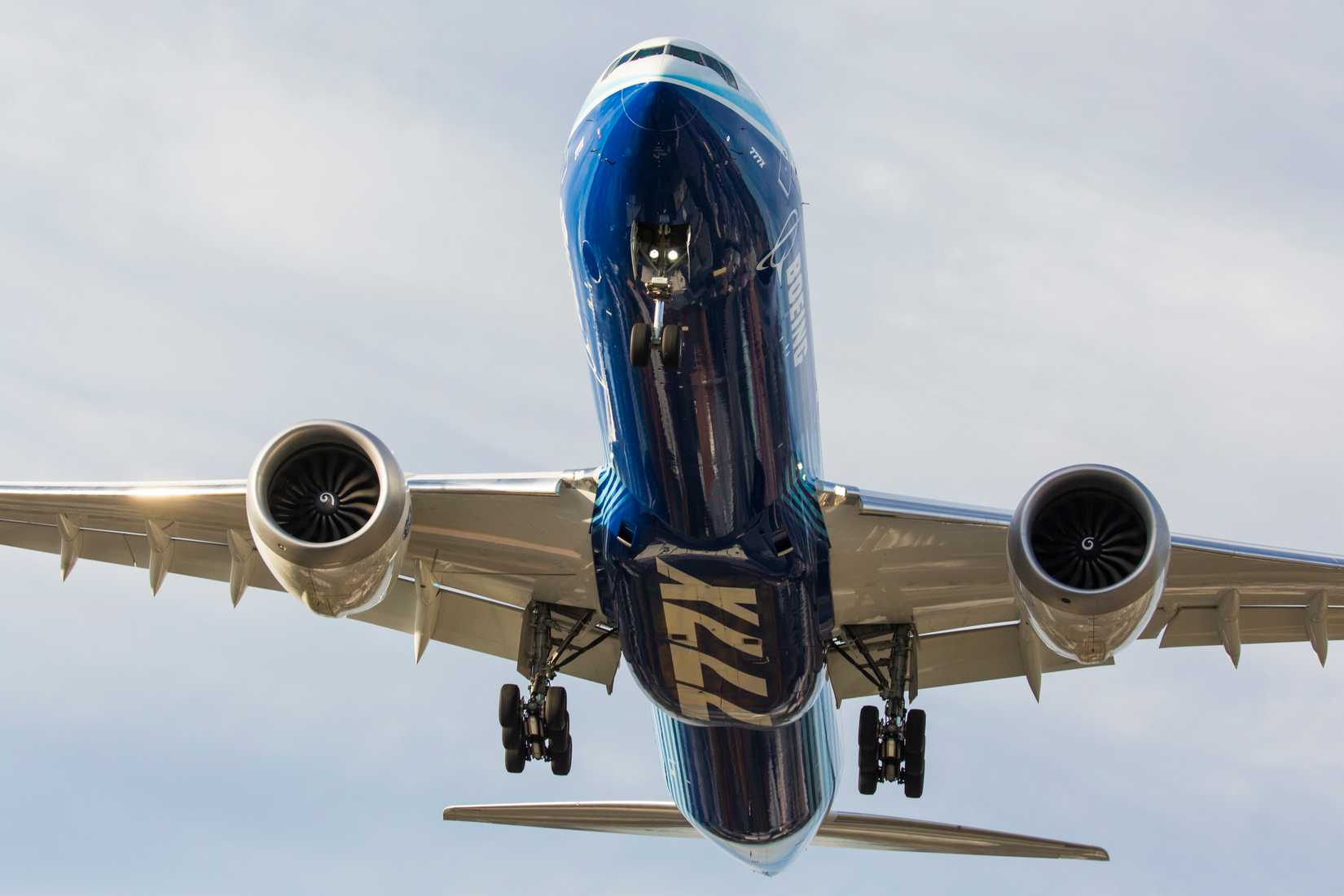
At the heart of the Boeing 777X are its advanced General Electric GE9X engines, which are the largest and most powerful commercial aircraft engines ever built. Combined with new composite wings featuring folding wingtips, the aircraft is able to achieve impressive fuel savings of up to 10% compared to its predecessors.
The Boeing 777X comes in two main passenger variants, the Boeing 777-8 and the longer Boeing 777-9, in addition to the Boeing 777-8F cargo aircaft, offering flexibility for airlines depending on route and passenger demand. With its combination of range, capacity, and passenger comfort, the 777X is set to become the new flagship for many global carriers, continuing Boeing’s legacy of innovation in long-haul air travel.
The Boeing 777X’s Folding Wingtips
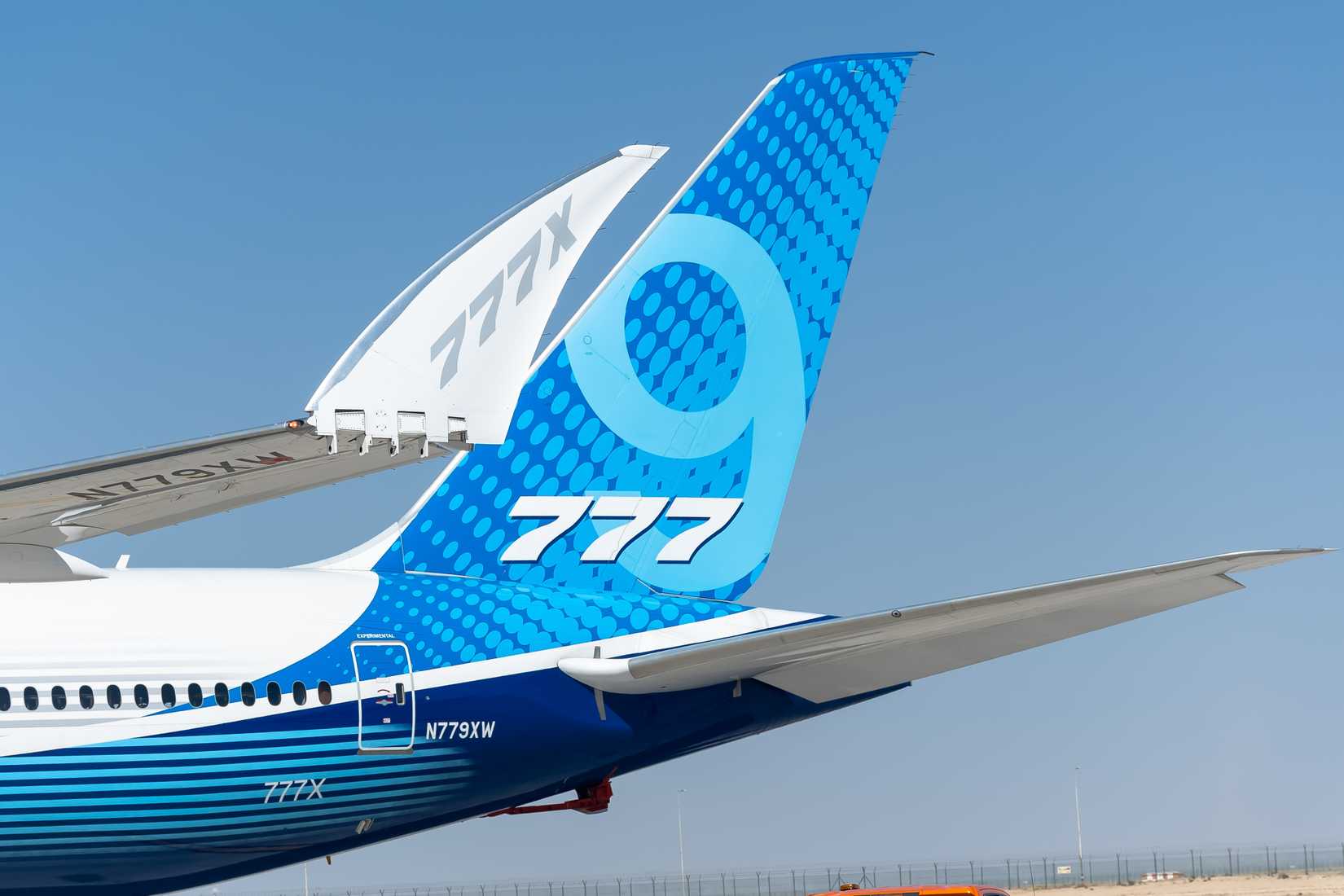
One of the most innovative aspects of the 777X is its folding wingtip design. This clever feature allows Boeing to give the aircraft a much longer wingspan in flight without limiting its ability to use standard airport gates. When fully extended, the 777X’s carbon-fiber wings span an impressive 235 feet (71.63m), significantly improving aerodynamic efficiency and reducing fuel burn. However, once the aircraft lands, the outer 11 feet (3.35 m) of each wing fold upward automatically, bringing the total span down to 212 feet (64.62m).
This is roughly the same as the 777-300ER, and ensures that it can operate at existing airports without requiring expensive infrastructure changes. This adaptability to existing airport infrastructures is in stark contrast to the launch of the Airbus A380 back in 2007, when airports around the world found themselves forced to build larger airbridges and reinforce aprons and taxiways to accommodate the giant aircraft. The wing folding mechanism found on the Boeing 777X has been designed with multiple layers of safety.
For example, the wingtips cannot fold or unfold while the aircraft is airborne, and sensors continuously monitor their position during taxi and takeoff. Beyond its technical innovation, the design symbolizes Boeing’s focus on efficiency. By combining aerodynamic performance with practical ground compatibility, the folding wingtips help the 777X achieve its goal of lower fuel consumption, reduced emissions, and enhanced range, all while maintaining the operational flexibility that airlines depend on.
Now Delayed Until At Least 2027

Despite its impressive cabin appearance and technological features, the Boeing 777X program has faced a series of delays since its highly anticipated launch, pushing back the aircraft’s entry into service by more than seven years. Originally scheduled for delivery in 2020, the 777X has encountered multiple challenges, from certification hurdles and design refinements to the broader impacts of the COVID-19 pandemic and supply chain disruptions.
Boeing’s decision to take a cautious approach to certification came after increased scrutiny from regulators following the two 737 MAX crashes. In 2018, the crash of Lion Air Flight 610 from Jakarta Soekarno-Hatta International (CGK) to Depati Amir Airport (PGK) killed all 189 on board. Five months later in March 2019, an Ethiopian Airlines 737 MAX 8 crashed shortly after take-off from Addis Ababa Bole International (ADD), bound for Nairobi Jomo Kenyatta International (NBO), killing all 157 on board.
As a result of these two tragic incidents, the US Federal Aviation Administration required more extensive testing and documentation for the 777X, leading to a slower and more methodical development process. Test flights, which began in early 2020, revealed the need for adjustments to the aircraft’s flight control software and certain structural components, further extending timelines.
The pandemic added additional setbacks, with production slowdowns and workforce challenges. Many airlines have also delayed their deliveries due to shifting travel patterns and financial pressures, and have expressed their displeasure at the ongoing delays. Further test flights have since resumed, with the first Boeing 777X now expected to be delivered to the aircraft’s launch customer, Lufthansa, in 2027.
Which Airlines Have Ordered The Boeing 777X?
So far, the Boeing 777X has attracted more than 500 orders from airlines across the world, and 


|
Rank |
Airline |
Boeing 777-8 |
Boeing 777-9 |
Total |
|---|---|---|---|---|
|
1 |
Emirates |
35 |
170 |
205 |
|
2 |
Qatar Airways |
– |
90 |
90 |
|
3 |
Korean Air |
– |
40 |
40 |
|
4 |
Cathay Pacific |
– |
35 |
35 |
|
5 |
Singapore Airlines |
– |
31 |
31 |
|
6 |
Etihad Airways |
8 |
17 |
25 |
|
7 |
British Airways |
– |
24 |
24 |
|
8 |
Lufthansa |
– |
20 |
20 |
|
9 |
All Nippon Airways |
– |
18 |
18 |
|
10 |
Air India |
– |
10 |
10 |

source