


While the Boeing 747 was iconic and played a key role in opening up air travel for the masses, the industry has since moved forward with its sights set on efficient, twin-engined aircraft for the future. With the last of the 747s being delivered in 2023, thus ending the program of 53 years, the type is no longer under production.
While the final variant of the program, the Boeing 747-8, was designed to be more efficient than the previous (and more popular) 747-400, the type entered the market as it was shifting focus towards operational efficiencies offered by aircraft such as the Airbus A350, Boeing 787, and the Boeing 777. Thus, it is safe to say that any potential replacement for the 747 will be a variant of one of these aircraft types.
Recap: The Boeing 747 Program

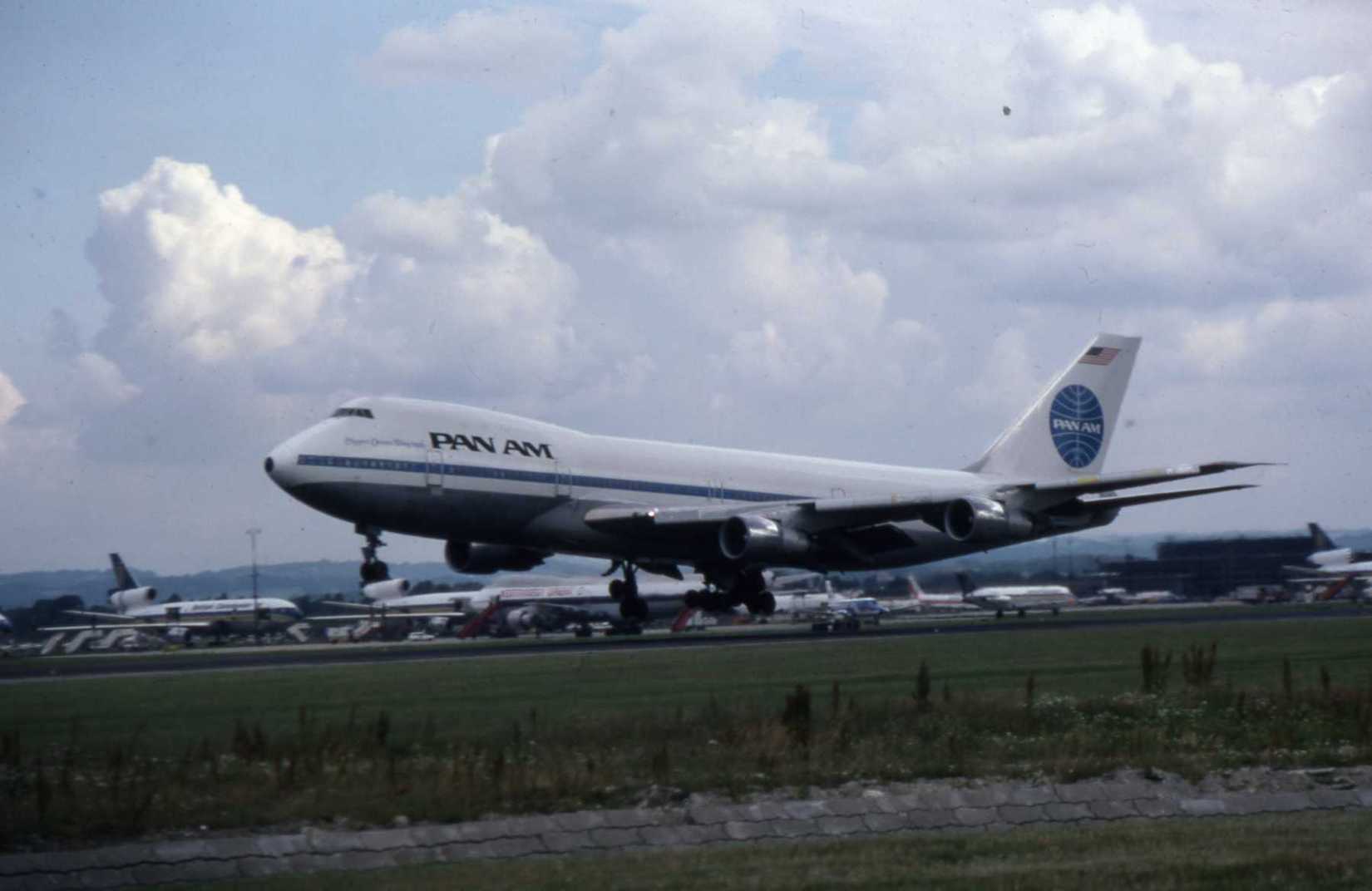
Launched in the 1960s, the aircraft was designed by 

The 747 at the time was the largest passenger jet in the world, and remained so until 2007 when the Airbus A380 entered commercial service. The 747 program saw Boeing create multiple iterations throughout the decades, constantly improving the aircraft, while also introducing new variants such as a freighter variant, a business jet variant, and even designed 747s specifically for military, scientific, or government operations.
The final variant of the type, the Boeing 747-8, was announced in 2005, with the first of the type entering commercial service with Lufthansa in 2012, while the final passenger variant (747-8i) was delivered to Korean Air in 2017, and the final freighter variant (747-8F) got delivered to Atlas Air in 2023. During these 18 years, next-generation, efficient, twin-engined aircraft such as the Boeing 787, Boeing 777X, and Airbus A350 were introduced or announced, which saw carriers shift their focus away from the 747 (and the A380 for that matter).
Currently On The Market: The Airbus A350-1000

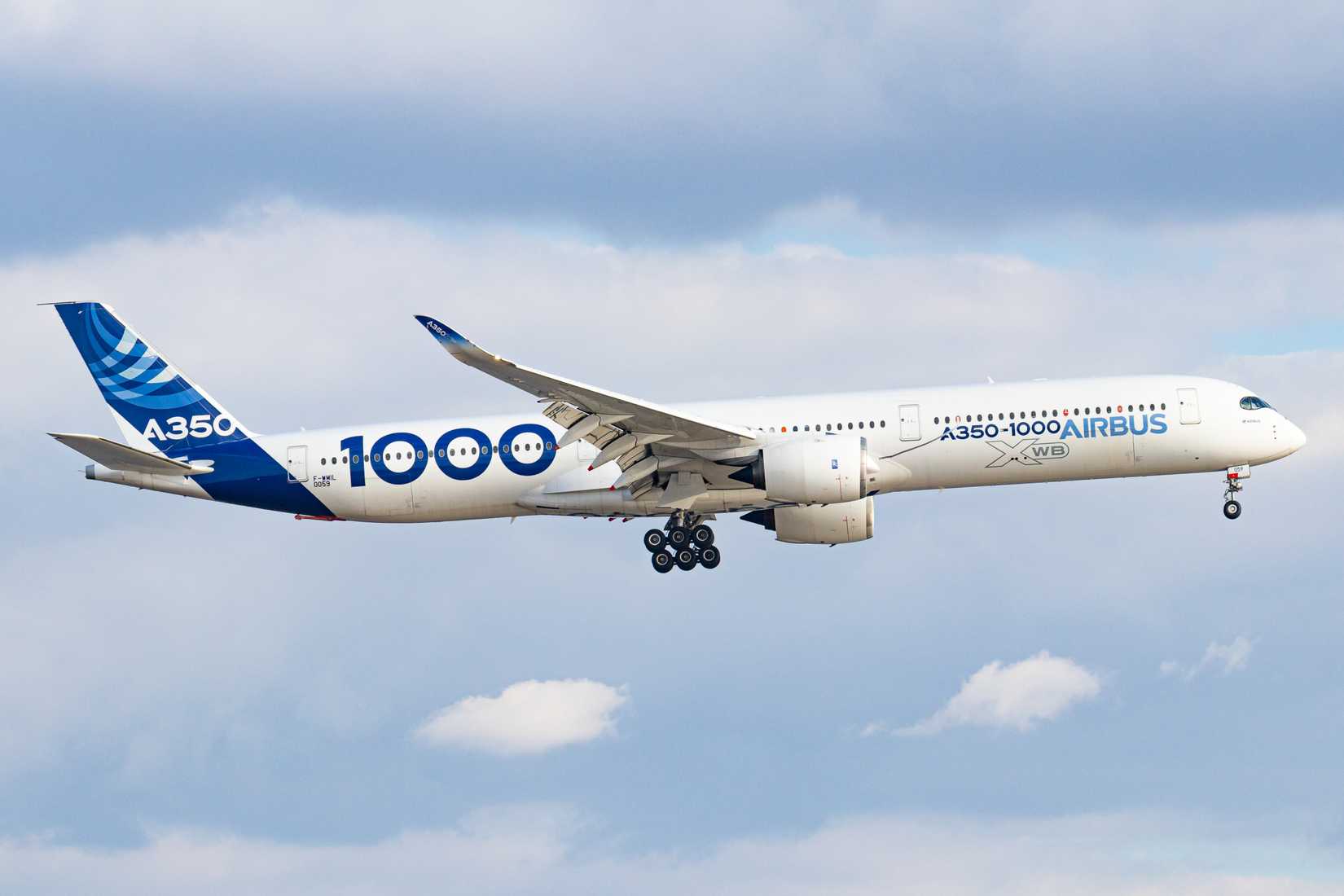
Developed by Airbus, the A350 program is the manufacturer’s most successful widebody product, with the A350 coming in two variants, the smaller -900 and the larger -1000. The reason for the popularity of the aircraft is that it is a clean sheet aircraft design, made out of advanced composite materials, and the aircraft is powered by an extremely efficient engine, which provides airlines with great operational economics.
But how does it compare with the 747? Well, the aircraft is definitely smaller than the 747, but given the operational efficiency and the record-breaking operational range, it definitely positions itself well. For fair comparison, the specifications used for the 747-8s will be those of 

|
Airline |
Boeing 747-8 |
Boeing 747-400 |
Airbus A350-1000 |
||
|---|---|---|---|---|---|
|
Capacity |
Number of Classes |
Capacity |
Number of Classes |
Capacity (Airbus specification) |
|
|
Lufthansa |
364 |
4 |
371 |
3 |
*375 – 400 in a typical three-class configuration. |
|
Korean Air |
368 |
3 |
n/a |
||
|
Air China |
365 |
4 |
344 |
3 |
|
*The actual capacity for the A350-1000 varies depending on how the operator wishes to configure their aircraft.
This indicates that while there is no doubt the 747 is larger and has a higher maximum passenger capacity, none of the carriers currently operate their 747s with such a dense configuration, which allows the A350-1000 to carry similar passenger capacity, but with lower fuel burn, better operational efficiency, and for a longer range. This essentially allows the Airbus A350-1000 to be a suitable replacement for the Boeing 747.


Up To 17 Hours: The World’s 10 Longest A350-1000 Flights
They’re only operated by two airlines.
Yet To Enter The Market – The Boeing 777-9
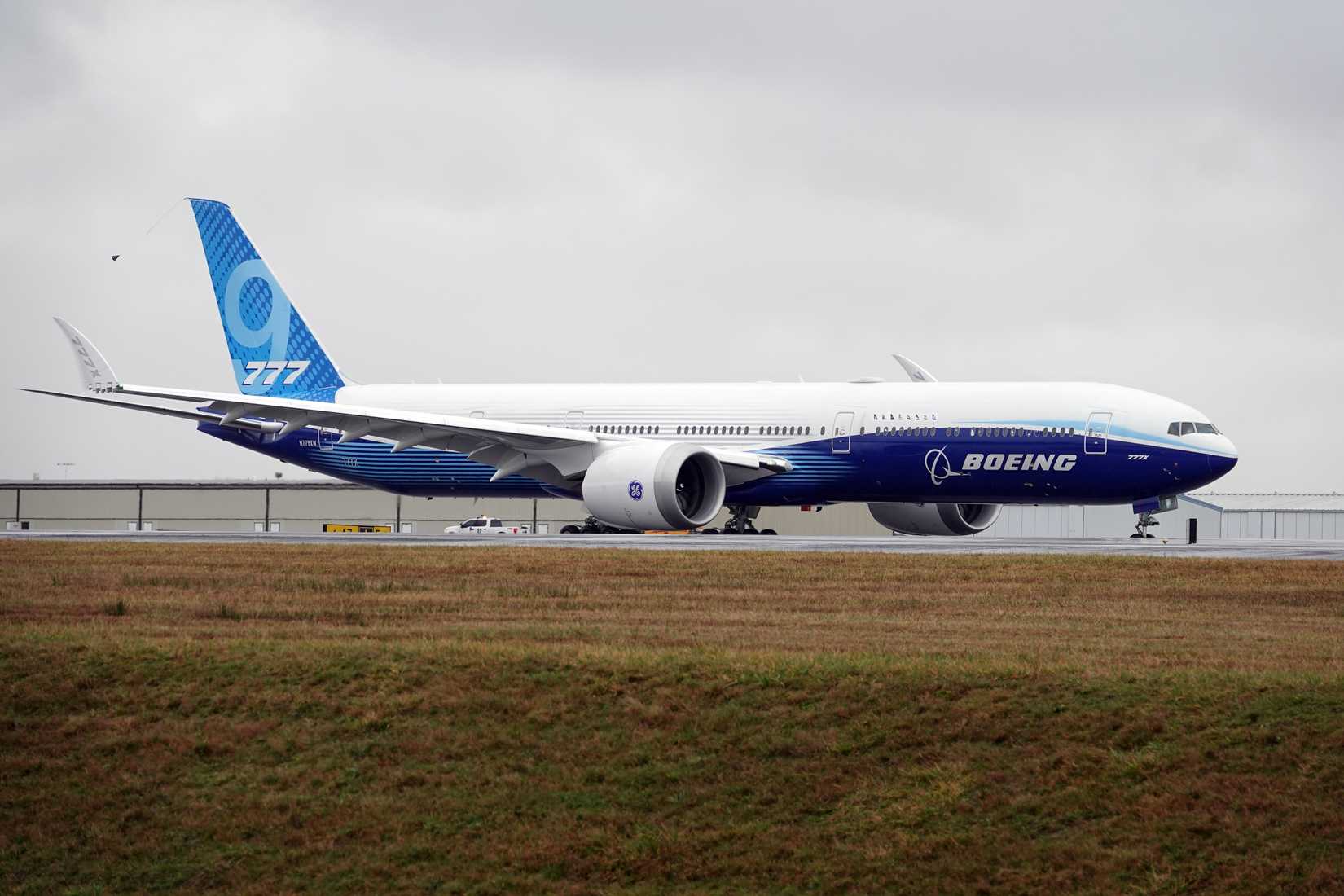
Boeing first announced the 777-9 back in 2013, when the Boeing 777X program was launched, which also includes the smaller Boeing 777-8, and a later announced freighter variant, the Boeing 777-8F. The Boeing 777-9 was meant to enter commercial operation first back in 2020; the type is still pending certification in 2025, and is not expected to enter commercial service until 2027. The 777X was announced as a successor to the manufacturer’s incredibly popular Boeing 777-300ER, and the 777-9 can bridge the gap between the 777-300ER and the 747.
From the above three operators of the 747, all of them operate the smaller Airbus A350-900, but only Lufthansa and Korean Air have ordered the 777-9. Data from Boeing’s 777X specification document and aeroLOPA show the following specification comparisons:
|
Airline |
Boeing 747-8 |
Boeing 777-300ER |
Boeing 777-9 |
||
|---|---|---|---|---|---|
|
Capacity |
Number of Classes |
Capacity |
Number of Classes |
Capacity (Boeing specification) |
|
|
Lufthansa |
364 |
4 |
n/a |
*349 in a three-class configuration with 8F, 49J, 292Y seats |
|
|
Korean Air |
368 |
3 |
328 (277-291) |
3 (3) |
|
|
Air China |
365 |
4 |
311 (392) |
3 (2) |
|
*The actual capacity for the 777-9 will vary depending on how the operator wishes to configure their aircraft.
Based on this data, the 777-9 is capable of carrying more passengers than the 747-8 in an appropriate configuration. Furthermore, based on the configurations currently used by A350-1000 operators in a three-class configuration, and sometimes even a two-class configuration, the manufacturer-proposed capacity for the 777-9 does exceed that of the A350.
The Current State Of The 777-9


As mentioned above, the 777-9 was due to enter commercial service in 2020, but delays with certification, paired with Boeing’s quality control coming into significant regulatory scrutiny, have resulted in the aircraft not being certified yet, and it is only expected to enter commercial service in 2027.
However, in the past 12 years since the type’s announcement, Boeing has amassed orders for over 600 777X aircraft, of which the majority are the 777-9s, with the remaining split between the 777-8Fs and the 777-8. The largest customer for the type, 

While a stretched variant of the 777-9 would definitely help bring the capacity close to that of the 747 and the A380, it is highly likely that Boeing is currently more focused on the three aircraft it needs to certify: the 777-9, the 737 MAX 7, and the MAX 10. Even after that, the manufacturer will have to focus on the 777-8s and the 777-8Fs as these are aircraft types that currently have customers and orders.

Emirates Orders 65 Boeing 777-9s & Pushes For 777-10 Feasibility Study
130 GE9X engines will power Emirates’ new jets.
What About Boeing’s Dreamliners?

Much like Airbus with their A350s, the Boeing 787 Dreamliner aircraft is a clean-sheet design aircraft made of advanced composite materials, improved technology, and incredibly efficient to operate. In terms of timeline, the 787s were announced in 2004, with their maiden flight in 2009 and entry into commercial service with All Nippon Airways in 2011. Essentially, the Dreamliners were announced a year before the 747-8 program, and the type entered commercial service a year before the 747-8.
The Dreamliner series encompasses three models: the 787-8, -9, and the -10, of which the 787-9 is the most popular variant in terms of aircraft sales. Therefore, while these aircraft are incredibly efficient to operate and have great operational range, the one aspect where they fall behind the 747s is in the Dreamliner’s capacity. Because the 787 was designed to operate point-to-point services and serve routes with lean demand efficiently.
When looking at the Dreamliner configurations of the three 747-8 operators, the 787-9s fall short of carrying 300 passengers in both two-class and three-class configurations. AeroLOPA data shows Lufthansa, Korean Air, and Air China all operate the Dreamliners in two and three-class configurations with the highest capacities of 294, 278, and 293 seats, respectively. Korean Air is the only one among these three operating the larger 787-10 with a capacity of 325 seats in a two-class configuration compared to its 747-8 with 368 seats.
Will Airbus Stretch Their A350s?

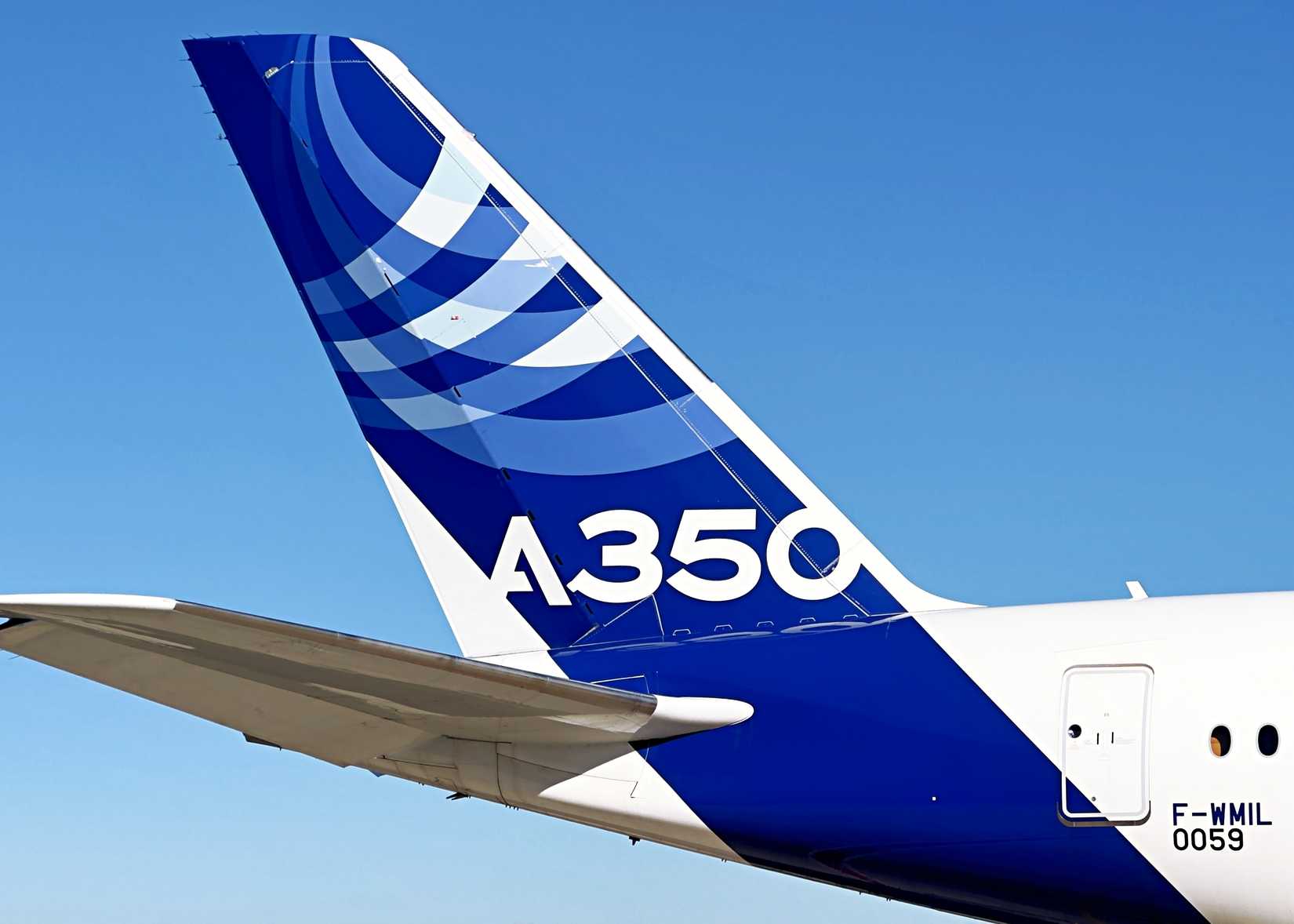
Much like a proposal for stretching the 777-9, Airbus has also considered stretching its A350-1000. Unlike the case of the 777-9, however, this is not new, as a stretched A350-1000 or (possibly) an A350-2000 was first considered in the last decade, before the COVID-19 Pandemic, but the stretch was deemed unnecessary due to the presence of the 747s and the A380s.
However, this is a topic that seemed to be reignited, especially during the Dubai Airshow 2025, when reports from Reuters state that Emirates (much like in the case of Boeing) is pressing Airbus to consider a stretched version of the A350-1000. Rather interestingly, Emirates has taken delivery of over a dozen of the smaller A350-900s in the past 12 months and even topped up its order for the type by ordering a further eight aircraft, resulting in a backlog of a further 60 examples of the type to join its fleet. Yet, the carrier championing larger aircraft has not placed an order for the larger A350-1000, despite the rumors prior to the airshow.
The CEO of Airbus Commercial, Christian Scherer, also reportedly stated to Reuters that it is not just Emirates, but a number of their customers are also keen on a larger A350 aircraft, and therefore the manufacturer is evaluating it. Scherer also stated that a stretched A350 would be a “formidable solution” as Airbus grows. Ultimately, the interest from multiple carriers, paired with the fact that the A350-1000 is a successful and proven aircraft, could potentially drive Airbus to build a stretched A350, and even take the advantage of having it available before Boeing can present a 777-10.
Therefore, statistics indicate that the most suitable replacement for the 747s would be the A350-1000 or the 777-9. Now, whether Airbus and Boeing would consider stretching these aircraft to bridge the capacity gap better, only time will tell.
source