



The Boeing 747 is considered to be one of the most recognizable airliners ever manufactured. The legendary aircraft, which is nicknamed the ‘Queen of the Skies,’ features a second deck at the front of its fuselage and four powerful engines. When it was introduced in the early 1970s, the Boeing 747 became the world’s first widebody airliner. The introduction of this legendary aircraft changed the way the commercial aviation industry worked, as it immediately offered carriers the ability to fly more guests on longer flights.


A Brief History Of The Boeing 747

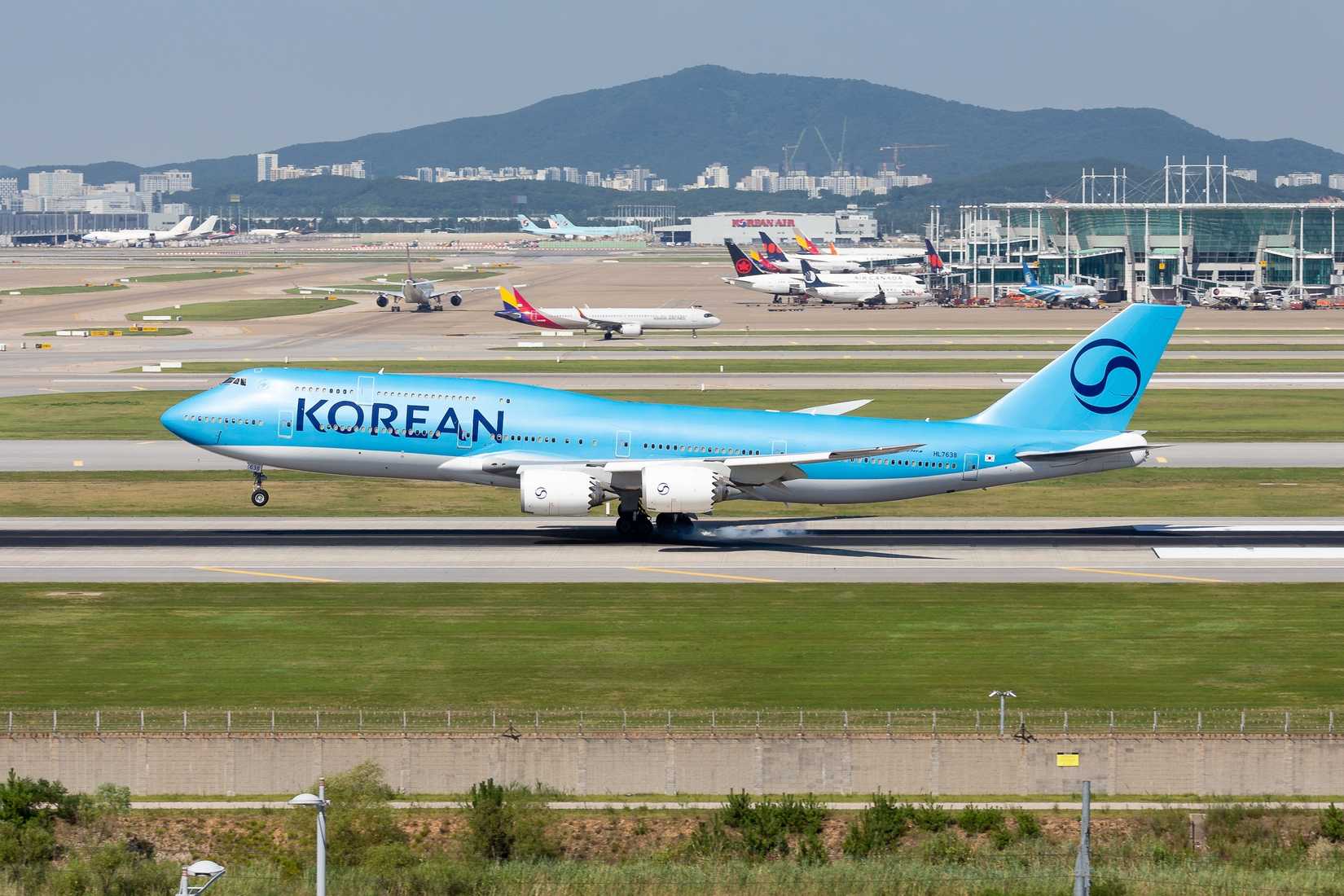
In the 1960s,
The legendary aviation engineer, Joe Sutter, was assigned to manage the development of this new aircraft in 1965. Boeing also built a new factory in Everett, Washington, to begin the development of this aircraft, which later became the largest building by volume ever built. The first Boeing 747 rolled off the production line in September 1968. This aircraft conducted its maiden flight on February 9, 1969.
Pan Am took delivery of the first aircraft in January 1970, later introducing the aircraft to commercial service on January 22, 1970, flying from John F. Kennedy International Airport (JFK) in New York to London Heathrow Airport (LHR) in the UK. After its introduction, Boeing produced over 1,500 747s, delivering the aircraft to a wide variety of customers around the world. The last Boeing 747 was delivered to Atlas Air in January 2023, as Boeing ended production of the aircraft due to decreasing demand.
Design Features & Performance Specifications
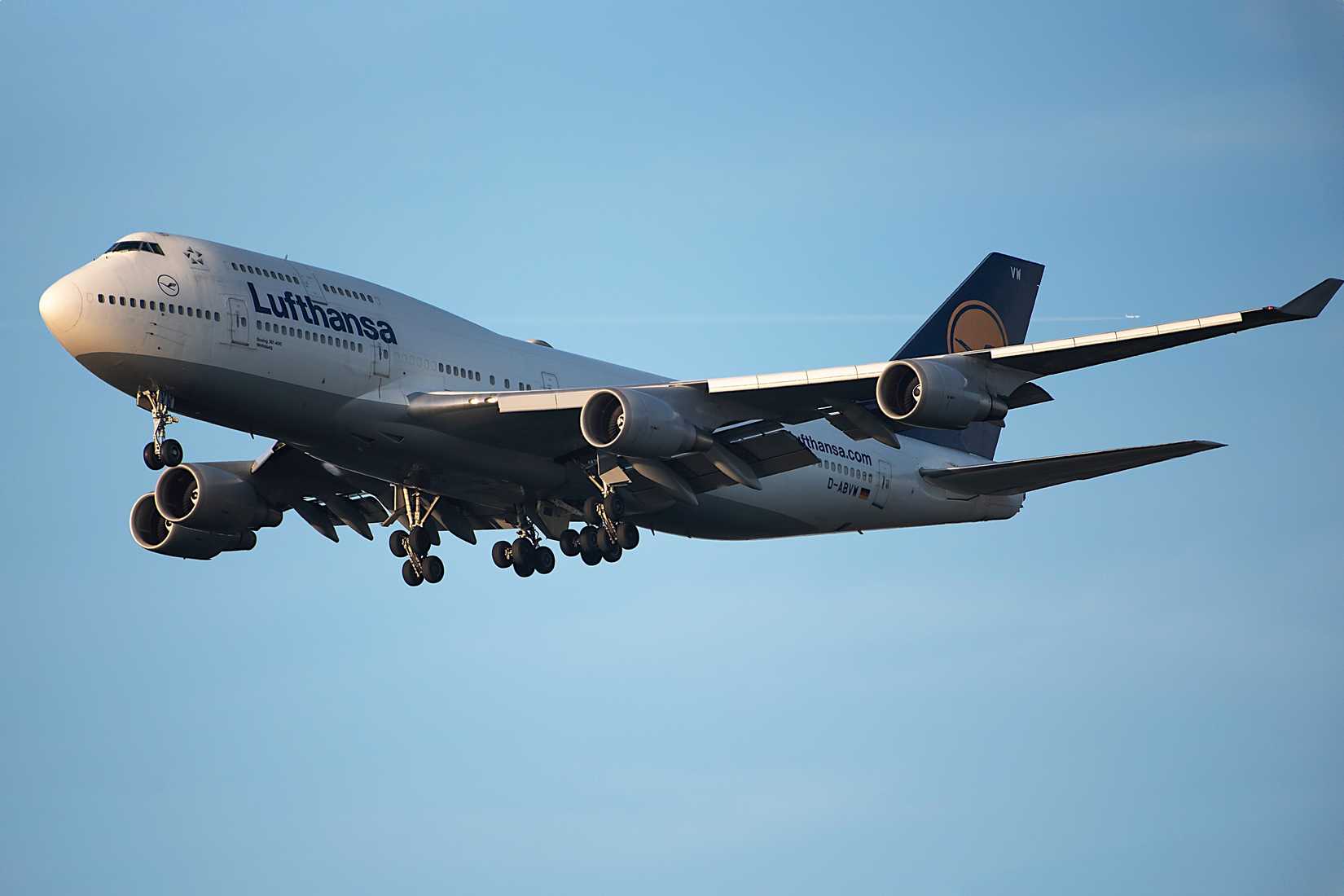
The Boeing 747 was the largest airliner ever produced when it began commercial operations. The aircraft featured a large fuselage with two aisles and an upper deck located at the forward end of the fuselage, which helped to increase the airliner’s massive capacity. In a high-density configuration, the Boeing 747 could fit over 600 passengers, but, in a more typical multi-class configuration, airlines aimed for 275 to 475 passengers.
Over the years, the Boeing 747 was powered by several different turbofan engines. Older 747 variants, which included the 747-100, 747-200, and 747-300, were powered by the Pratt & Whitney JT9D, the Rolls-Royce RB211, or the General Electric CF6. These engines would each provide the aircraft with over 50,000 pounds of thrust. The 747-400 and 747-8 were upgraded variants that also featured powerful engines. According to Boeing, the table below details some of the 747’s key performance specifications.
|
Specification |
Boeing 747-200 |
Boeing 747-400 |
Boeing 747-8 |
|---|---|---|---|
|
Length |
225 feet two inches |
231 feet ten inches |
250 feet two inches |
|
Height |
64 feet three inches |
63 feet eight inches |
63 feet six inches |
|
Wingspan |
195 feet eight inches |
211 feet five inches |
224 feet five inches |
|
Maximum takeoff weight (MTOW) |
833,000 pounds |
910,000 pounds |
987,000 pounds |
|
Typical cruise speed |
507 knots (583 miles per hour) |
490 knots (565 miles per hour) |
490 knots (565 miles per hour) |
|
Range |
6,560 nautical miles |
7,670 nautical miles (8,826 miles) |
7,730 nautical miles (8,895 miles) |
|
Service ceiling |
45,000 feet |
43,100 feet |
43,100 feet |
Additionally, the Boeing 747 also featured a highly swept wing, which features an angle of 37.5 degrees or more, which helped the aircraft reach an extremely efficient cruise speed. The 747 was also designed with four redundant hydraulic systems alongside its powerful airframe, and featured four landing gears, each equipped with four wheels.


Why The Boeing 747 Remains An Engineering Icon Despite Retirements
An aviation marvel that redefined flight and cargo, the Boeing 747 remains a triumph of engineering even after its production ended.
Past & Current Operators
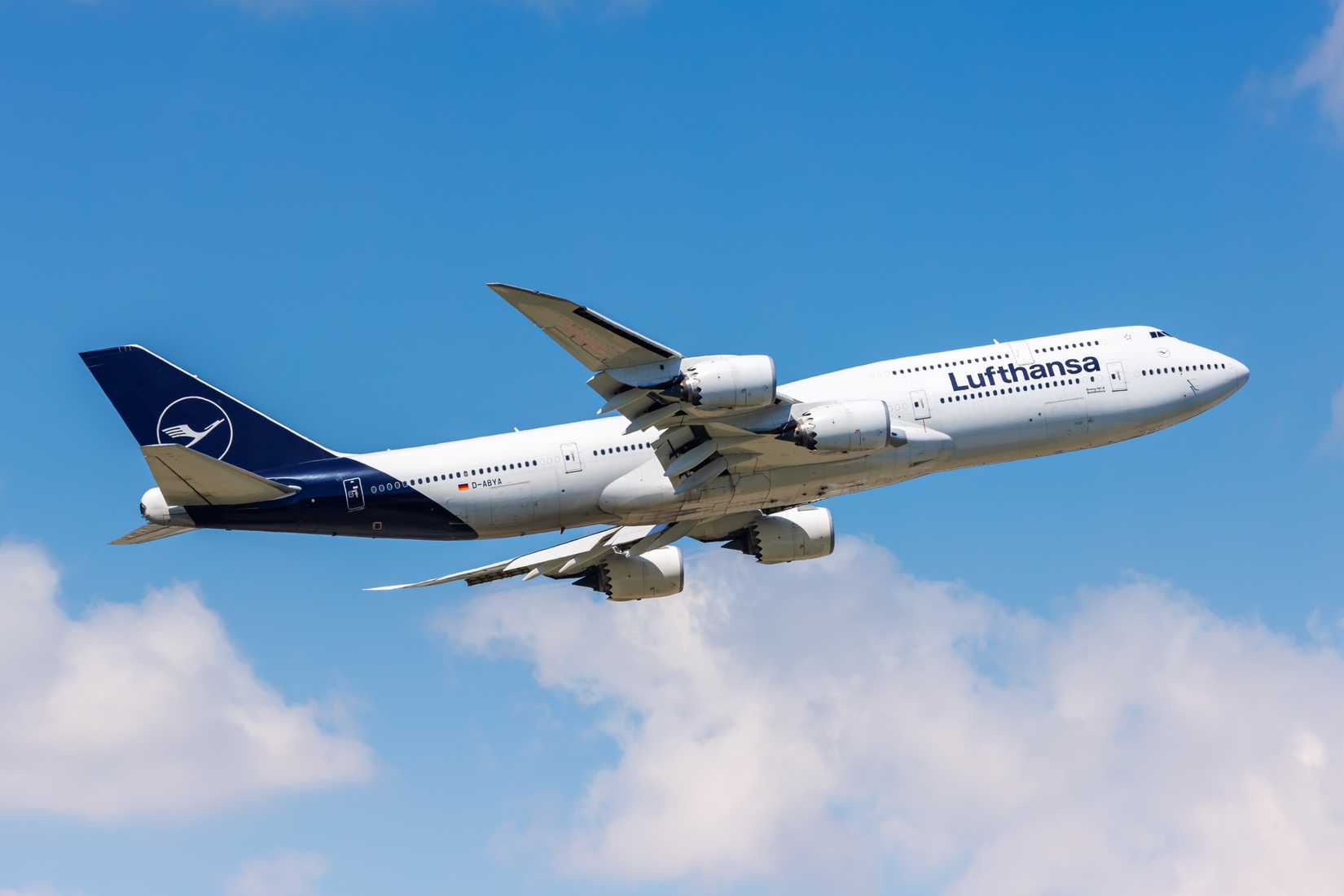
Over the years, many major carriers have operated the Boeing 747 due to its impressive range and capacity. Pan American Airways received the first Boeing 747 delivery, and the airline would later operate a total of 25 ‘jumbo jets’ in its fleet. Several other major carriers immediately became interested in the 747 after its introduction, including Japan Airlines, British Airways, and 
|
Airline |
Total Boeing 747s Operated |
|---|---|
|
Japan Airlines |
109 (including cargo) |
|
British Airways |
103 |
|
Singapore Airlines |
95 |
|
United Airlines |
90 |
|
Korean Air |
87 |
|
Lufthansa |
83 |
|
Cathay Pacific |
83 (including cargo) |
However, the majority of commercial Boeing 747s have been retired or moved to cargo or charter operations. Currently, only four airlines operate the 747 for passenger service: Korean Air, Air China, Lufthansa, and Rossiya. Most of these carriers are expected to retire their Boeing 747 fleets from passenger service in the coming years.
Still, the Boeing 747 remains a popular choice in the cargo industry today. Atlas Air is currently the largest operator of the Boeing 747, flying the aircraft for both charter operations and cargo services. Additionally, UPS Airlines, Cargolux, and Kalitta Air each have extensive Boeing 747 fleets for air cargo operations.
The A350: Airbus’s Answer To The Boeing 747
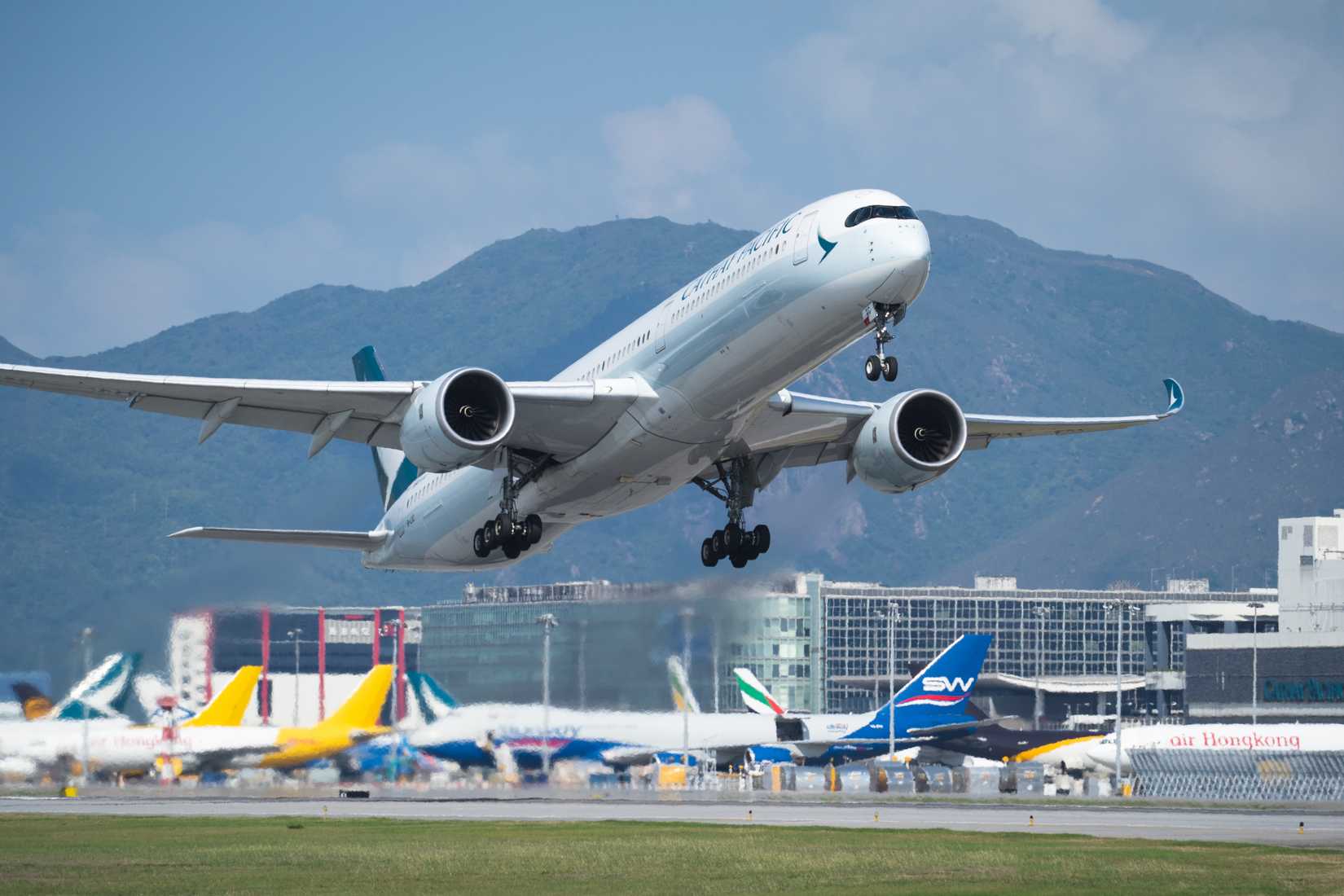
The Airbus A350 is a popular widebody airliner that is replacing many Boeing 747 fleets at major carriers. Initially, the A350 was developed in response to the introduction of the Boeing 787 Dreamliner in the early 2000s. Airbus had first intended to develop an upgraded variant of the A330, but did not receive adequate market support. Instead, it created a new clean-sheet design, which it initially called the XWB and later the A350. This aircraft was first introduced by Qatar Airways in January 2015, flying from Doha to Frankfurt.
The Airbus A350 features an airframe made from mostly composite materials. The aircraft’s wing is also made from composite and features blended winglets alongside a newly developed trailing-edge high-lift device. It is powered by two Rolls-Royce Trent XWB high-bypass turbofan engines, which each provide the aircraft with over 84,000 pounds of thrust. According to Airbus, the table below details the A350’s key performance specifications.
|
Specification |
A350-900 |
A350-1000 |
|---|---|---|
|
Length |
219 feet two inches |
242 feet |
|
Height |
55 feet eleven inches |
56 feet |
|
Wingspan |
212 feet five inches |
212 feet five inches |
|
MTOW |
625,892 pounds |
711,872 pounds |
|
Typical cruise speed |
Mach 0.85 |
Mach 0.85 |
|
Range |
8,500 nautical miles |
9,000 nautical miles |
Since its introduction, Airbus has produced nearly 700 A350s. Singapore Airlines is the largest operator of the type, flying over 60, with the majority being the A350-900 variant. 

The Airbus A350 Development Timeline
The A350 is an example of a successful cleansheet design and now boasts the highest widebody delivery rate.
Boeing 777X: The Next Generation Of The Most-Built Widebody Airliner
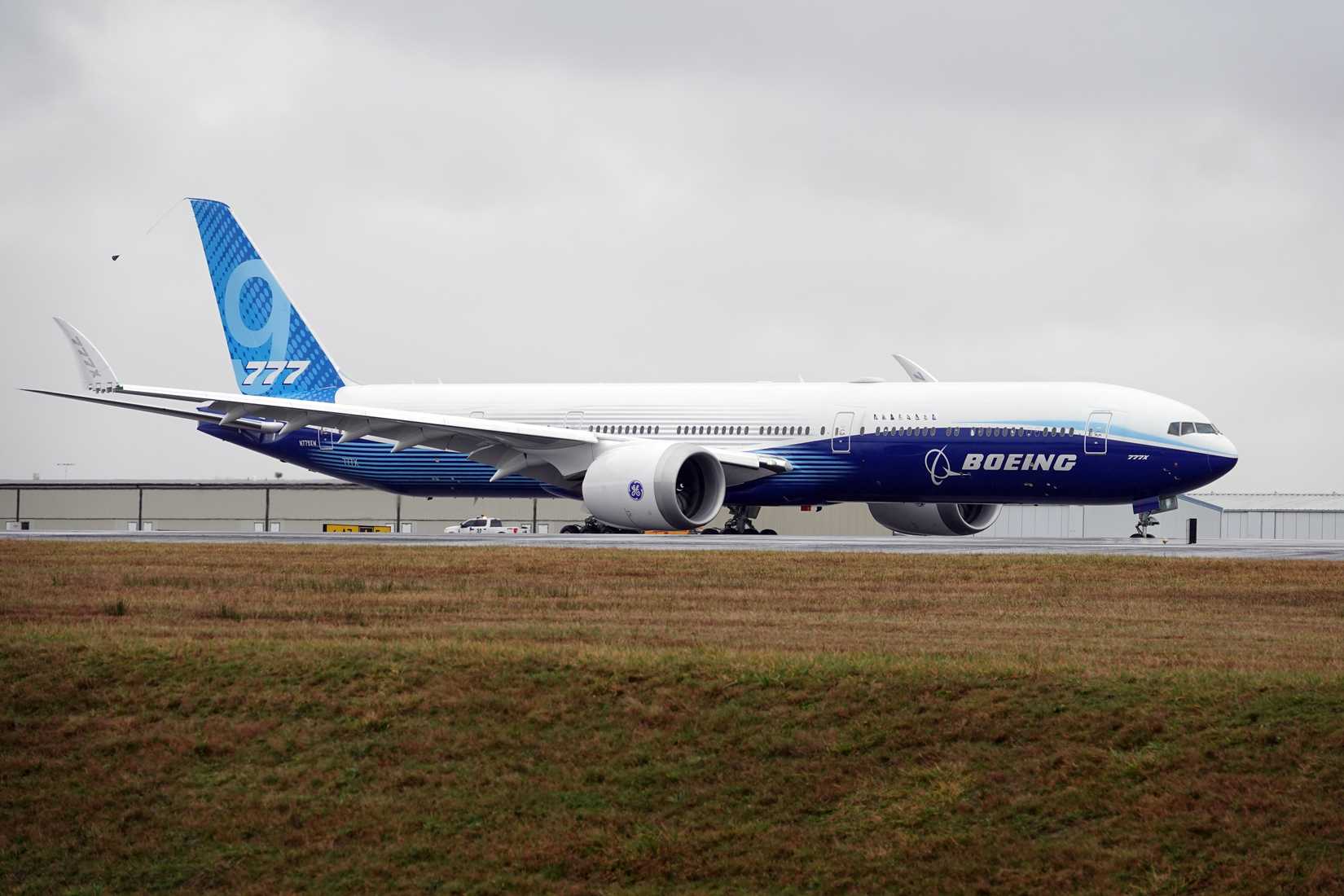
The Boeing 777X family is the next series of the popular Boeing 777 family, which is the most-built widebody airliner family in the world. The 777X is another aircraft that will replace aging 747s in passenger service, and was launched in the early 2010s as a response to the upgraded Airbus A350 family. Initially, the manufacturer intended to introduce the 777X series in the late 2010s. However, the program has been hit by a multitude of delays, pushing back the intended entry-into-service date to 2027.
The 777X features a larger wing than the original 777 family, which is made from mostly composite materials and features folding wingtips. These allow the airliner to fit into existing airport gates under current certification. The aircraft is powered by two General Electric GE9X turbofan engines, which each provide the aircraft with 110,000 pounds of thrust. According to Boeing, these engines help the aircraft to achieve the specifications detailed below.
|
Specification |
777-8 |
777-9 |
|---|---|---|
|
Length |
232 feet six inches |
251 feet nine inches |
|
Height |
63 feet eleven inches |
64 feet seven inches |
|
Wingspan |
235 feet five inches |
235 feet five inches |
|
MTOW |
805,000 pounds |
775,000 pounds |
|
Range |
8,745 nautical miles |
7,285 nautical miles |
Overall, Boeing has received over 550 orders for new 777Xs. This also includes orders placed for the Boeing 777-8F, a freighter variant of the smaller 777X model. Emirates is by far the largest customer of the series, as it has over 200 total 777Xs to be delivered. Other prominent customers include Qatar Airways, Korean Air, Cathay Pacific, Singapore Airlines, and 
The 787 Dreamliner: Boeing’s Most Advanced Widebody

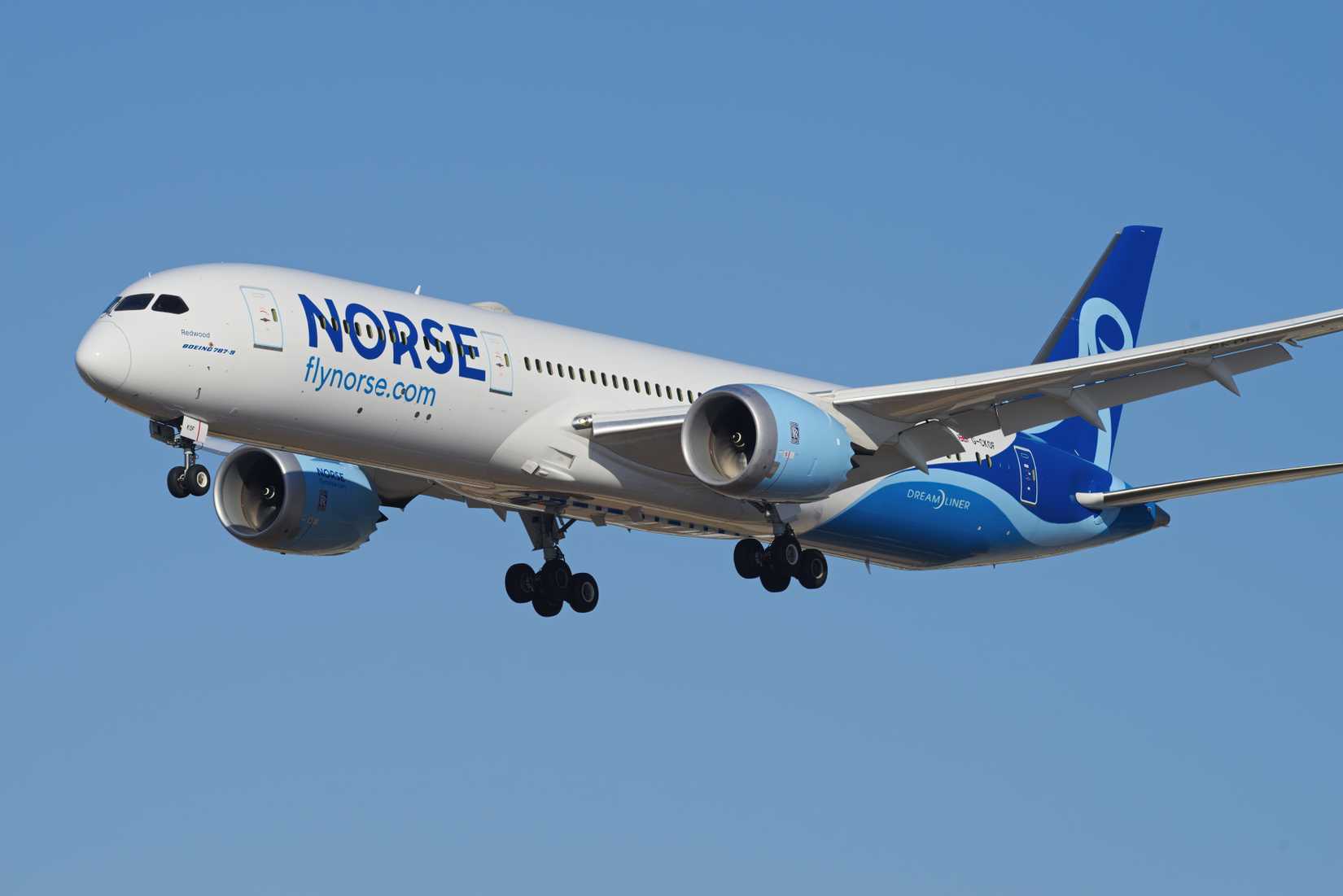
The Boeing 787 Dreamliner is another popular widebody option for airlines around the world. The popular widebody aircraft was initially launched in the early 2000s, although it was not officially launched until April 2004 after a larger order from All Nippon Airways. The first prototype 787 conducted its maiden flight in December 2008, and type certification was achieved in August 2011. All Nippon Airways introduced the first 787 into commercial service in October 2011, flying from Tokyo to Hong Kong.
The jet is considered to be one of the most technologically advanced aircraft ever created, as it features an airframe made from 80% composite materials. Additionally, Boeing replaced the 787’s bleed air system with air generated from electrically powered compressors. Like many airliners, the 787 can be powered by two different engines: the General Electric GEnx or the Rolls-Royce Trent 1000. According to Boeing, these engines each provide the aircraft with around 70,000 pounds of thrust, resulting in the specifications detailed below.
|
Specification |
787-8 |
787-9 |
787-10 |
|---|---|---|---|
|
Length |
186 feet one inch |
206 feet one inch |
224 feet |
|
Height |
55 feet six inches |
55 feet ten inches |
55 feet ten inches |
|
Wingspan |
197 feet three inches |
197 feet three inches |
197 feet three inches |
|
MTOW |
502,500 pounds |
571,500 pounds |
574,000 pounds |
|
Typical cruise speed |
516 knots (595 miles per hour) |
516 knots (595 miles per hour) |
516 knots (595 miles per hour) |
|
Range |
7,305 nautical miles |
7,565 nautical miles |
6,330 nautical miles |
|
Service ceiling |
43,100 feet |
43,100 feet |
41,100 feet |
Since its introduction, over 1,225 total 787s have been delivered to customers around the world. Currently, All Nippon Airways remains the largest operator of the aircraft, flying over 80 total in its fleet. Other popular operators of the aircraft include 
source