


The Airbus A380 has long stood as one of the most recognizable symbols of modern commercial aviation. As the world’s largest passenger aircraft, its double-deck fuselage, sprawling cabins, and quiet four-engine performance reshaped what airlines could offer across major international hubs. Today, however, with production ended and the first retirements already underway, a new question dominates long-haul strategic planning: What aircraft will replace the A380 on high-capacity routes once it disappears from the skies?
The answer is important for the future of global travel and airlines, such as 

A Brief History Of The Airbus A380

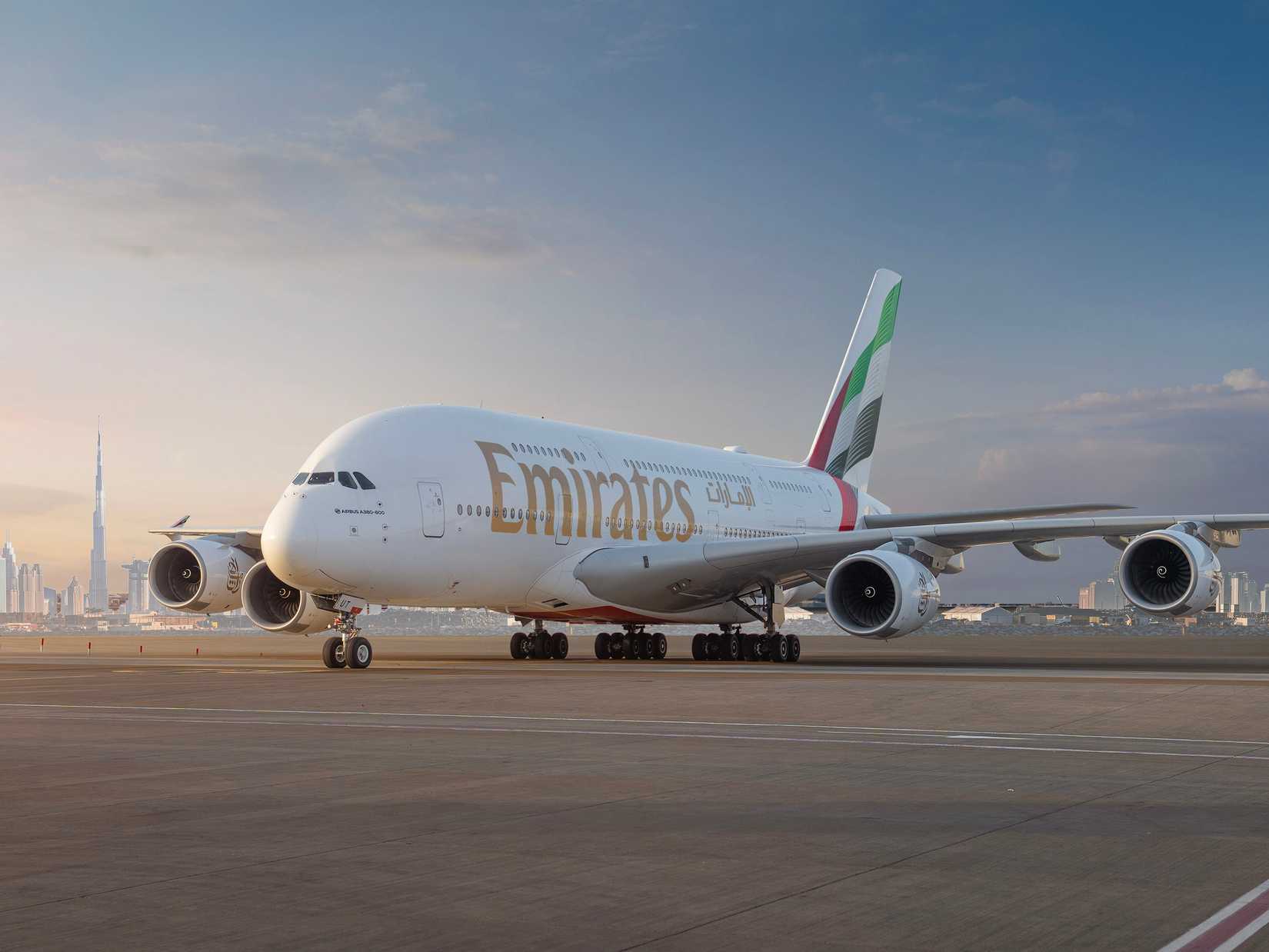
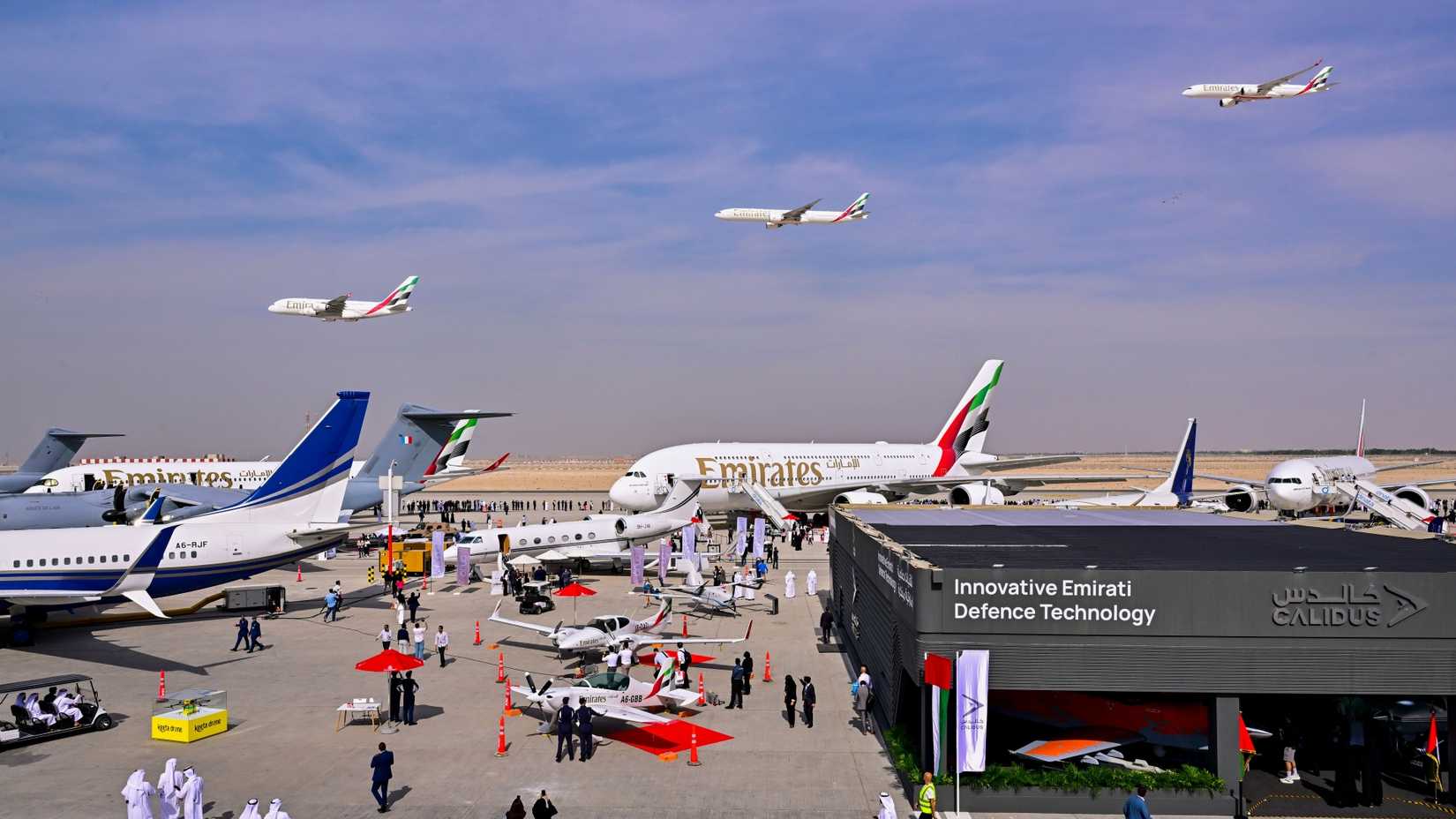
When Airbus unveiled the A380 in 2005 and placed it into service in 2007, it represented an audacious vision for the future: a world in which global travel centered around megahubs and the efficient movement of large passenger volumes. The aircraft delivered exactly that. With a typical seating capacity of about 500 passengers and theoretical configurations of up to 800 seats in all economy, this giant became a flagship for major hub-and-spoke airlines, most notably Emirates.
Airbus emphasized the A380’s economy of scale, claiming “25% less fuel burn per seat compared to previous-generation aircraft” . This was accurate under full loads, but the quadjet layout led to high operational costs on routes with inconsistent demand, which became especially evident during the pandemic and in the post-pandemic world.
Despite its technological achievements, such as ultra-quiet cabins, enormous space, and smooth ride quality, the A380 struggled commercially. Only 251 units were ever produced before Airbus officially ended the line in 2021 (during the pandemic). By then, airlines were increasingly shifting their preference to efficient, long-range, but smaller twinjets capable of operating point-to-point routes that bypassed megahubs entirely, such as Boeing 787 and Airbus A350.
The A380’s Future Retirement And The Search For A Successor

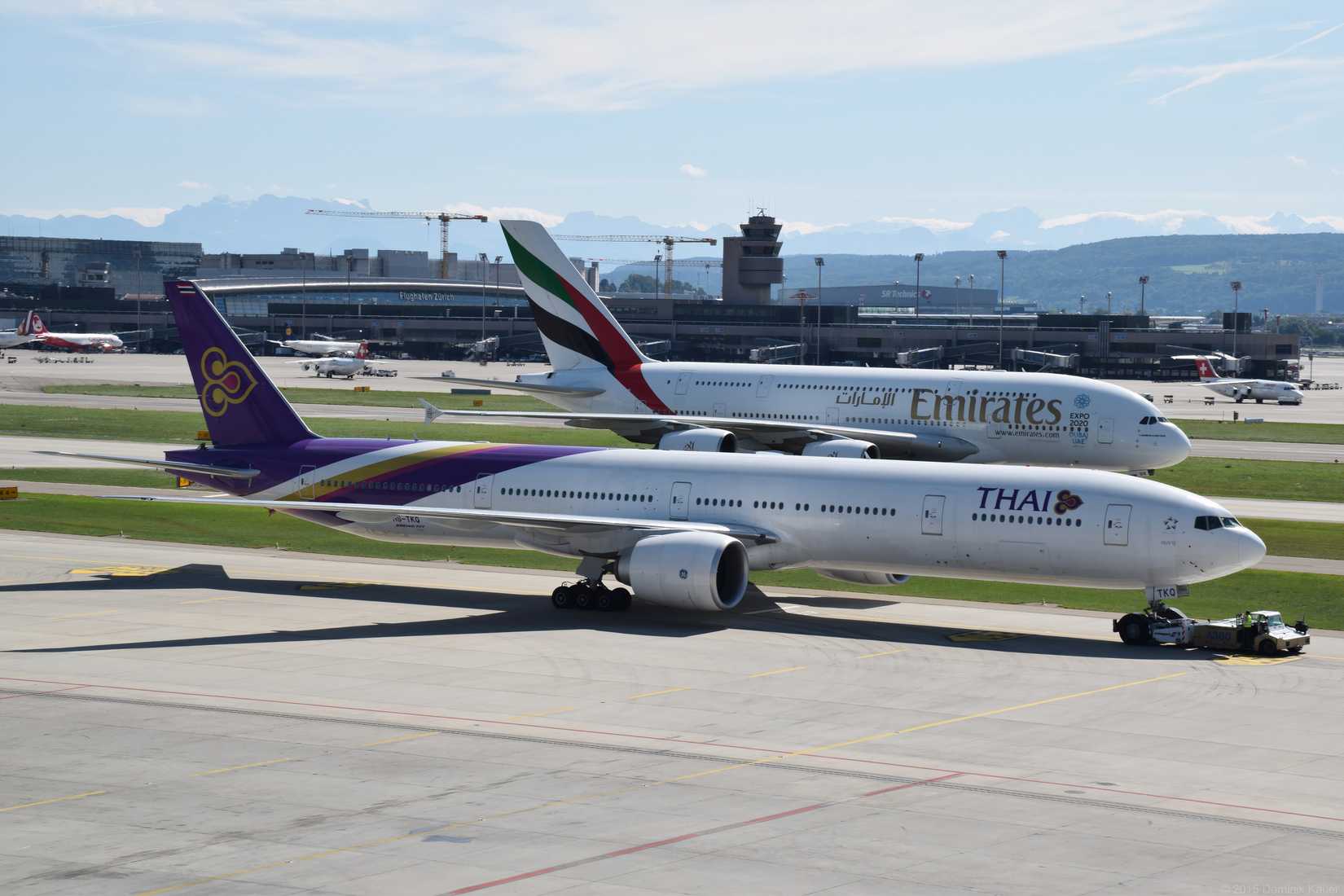
With the A380 production ceased, the global fleet now faces a gradual phase-out over the next decade or two. The aircraft still performs well on slot-restricted routes, but the long-term economics no longer favor it. Many airlines, with only Emirates being the notable exception, have already retired the type or plan to replace it with more efficient widebodies.
In an ideal world, Airbus might offer a successor. Concepts like an A380neo or ultra-stretched A350 surface periodically in aviation circles. But Airbus leadership has repeatedly dismissed the idea, especially the first one, due to insufficient market demand. Without a new superjumbo from Airbus, airlines must look elsewhere, unless the A350-2000 becomes a reality one day.
This is where Boeing enters the picture with the 777X, which is already a reality. It is a next-generation aircraft designed specifically to combine large capacity with modern twin-engine efficiency. As the world prepares for the post-A380 era, the 777X is increasingly seen as the natural heir, not because it matches the A380’s size, but because it aligns with current airline economics.
Basically, we don’t need huge quadjets anymore; a large, spacious twin-engine giant is what many airlines are looking for. The success story of the Boeing 777-300ER and the ever-increasing popularity of the Airbus A350 are bright examples of this global trend.

Why Does Emirates Keep Upgrading Its Airbus A380s?
This article explains why the carrier has chosen to commit so strongly to the A380.
The Boeing 777X — The Leading Replacement
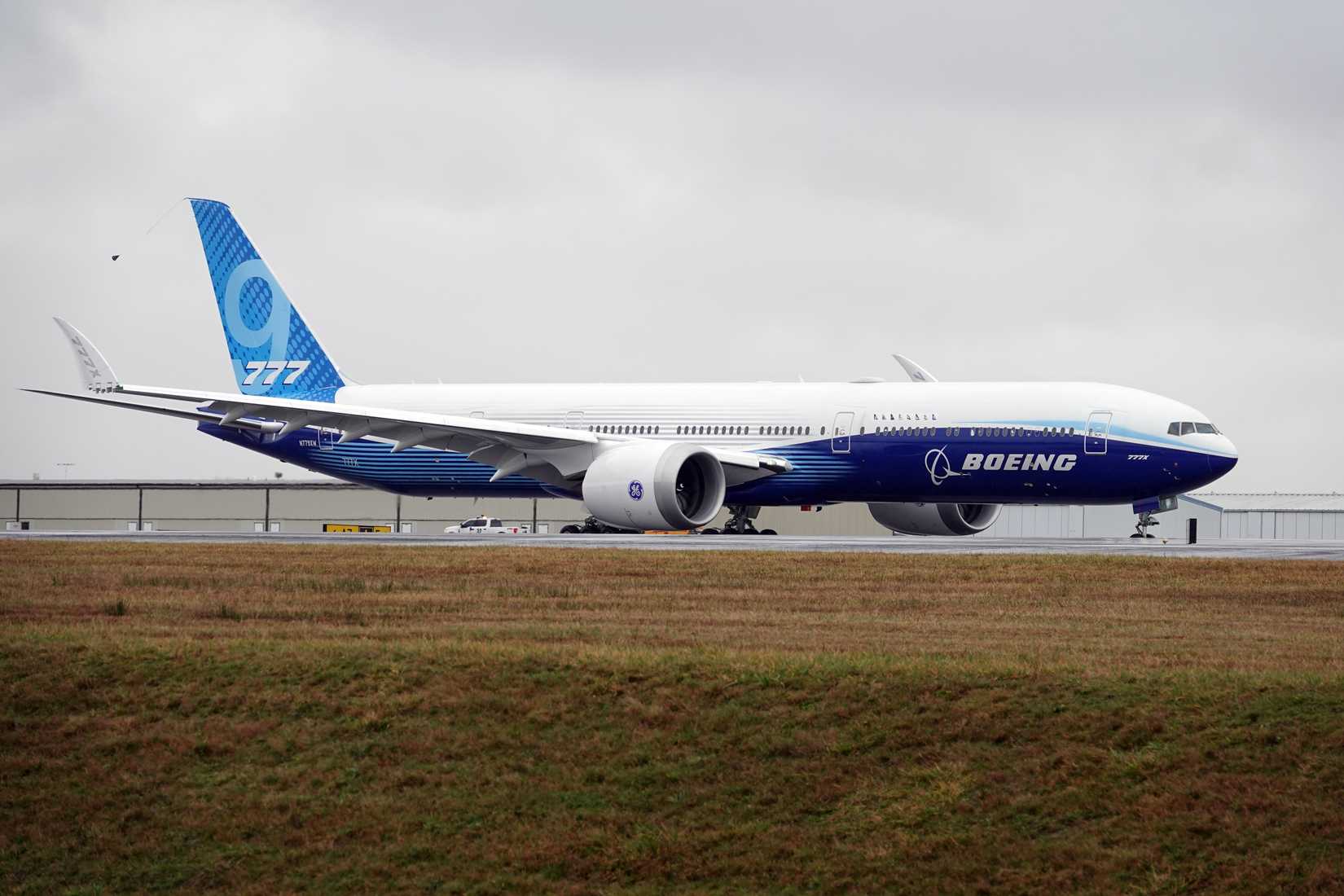
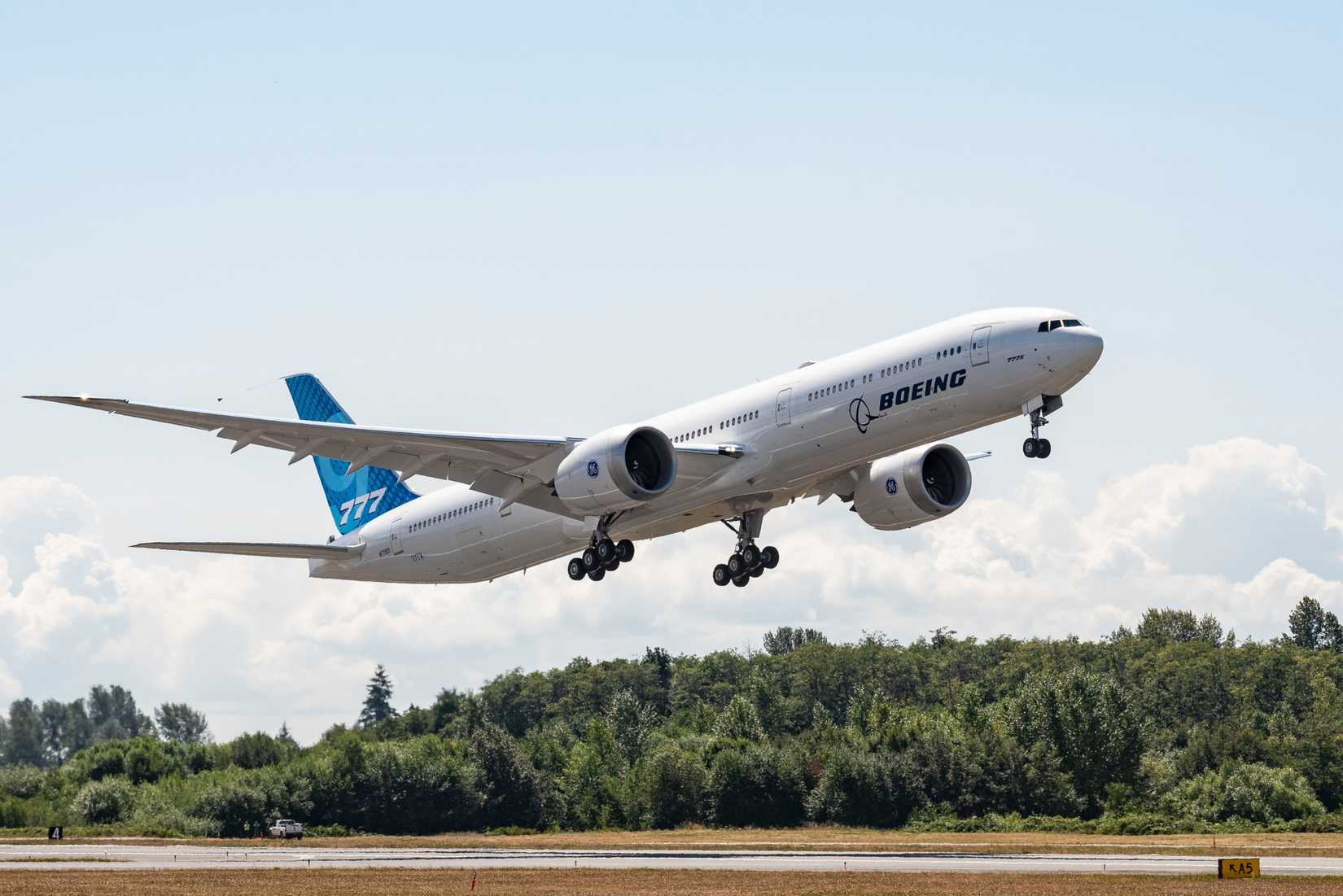
If any aircraft is positioned to take on the A380’s former mission profile, it is Boeing’s 777X so far. This flagship widebody combines the proven successful performance of the 777 lineage with the latest advancements in aerodynamics, materials, and engine technology.
The program’s signature innovation is its composite folding wings, giving the aircraft one of the longest wingspans ever fitted to a commercial jet in flight while still allowing it to fit into standard gates on the ground. Boeing highlights the type’s “10% lower operating costs than the competition” .
Power comes from the GE9X, the largest and most advanced commercial turbofan ever built. The engine’s efficiency is a major contributor to Boeing’s claim of “20% lower fuel burn and emissions compared to the aircraft it replaces”.
The strongest endorsement of the 777X comes from Emirates, which placed a substantial new order in 2025: 65 additional 777X aircraft, bringing its total order book to 270. Emirates even hinted at interest in a potential 777-10 variant should Boeing develop one, a further sign that airlines are looking for the next big-capacity twin.
Emirates is genuinely interested and ready to invest in the 777X program to replace both the aging Boeing 777-300ER and the Airbus A380 – the two main types the airline operates successfully, but the two types cannot be operated forever. Currently, the average age of an Emirates Boeing 777-300ER is 12.5 years, and the average age of an Emirates A380 is 11 years, according to planespotters.net.
However, according to The Seattle Times, the 777X program has experienced delays, with Boeing recording a $4.9 billion charge as certification is pushed toward 2027. Despite these timeline issues, interest in the aircraft remains high, and its design still stands out among current widebody aircraft.
A380 Vs Boeing 777X — A Comparison

Although the A380 and 777X were designed for different eras, comparing them reveals why airlines are pivoting toward the twinjet model. Here is a detailed comparison table:
A380 vs 777X Comparison Table
|
Feature |
Airbus A380-800 |
Boeing 777-9 (777X) |
|
Passenger Capacity (Typical 3-Class) |
555 pax (can exceed 600 pax in dense configs) |
426 pax (3-class typical, up to ~475 in high-density) |
|
Engines |
4 × Rolls-Royce Trent 900 or GP7200 |
2 × GE9X |
|
Engine Thrust |
~ 70,000 lbf (≈ 311 kN) each |
~ 110,000 lbf (≈ 489 kN) each |
|
Length |
238 feet, 7 inches (72.7 meters) |
251 feet, 9 inches (76.72 meters) |
|
Wingspan |
261 feet, 8 inches (79.8 meters) |
235 feet, 5 inches extended (71.75 meters) / 212 feet, 8 inches folded (64.85 meters) |
|
Height |
79 feet,4 inches (24.1 meters) |
~ 63 feet (19.2 meters) |
|
Fuselage Diameter |
23 feet,4 inches (7.14 meters) |
20 feet,4 inches (6.20 meters) |
|
Cabin Width |
Main: 21 feet,4 inches (6.5 meters), Upper: 19 feet (5.8 meters) |
19 feet,7 inches (5.96 meters) |
|
Wing Area |
~ 9,100 sq feet(845 square meters) |
~ 5,560 sq feet(516.7 square meters) |
|
MTOW |
1,234,600 lb (560,000 kg) |
775,000 lb (351,534 kg) |
|
Max Landing Weight |
850,984 lb (386,000 kg) |
587,000 lb (266,258 kg) |
|
Max Zero Fuel Weight |
795,868 lb (361,000 kg) |
562,000 lb (254,918 kg) |
|
Range |
8,000 NM (14,800 kilometers) |
7,285 NM (13,500 kilometers) |
|
Pros |
• Largest passenger jet ever built — unmatched capacity • Extremely quiet, smooth ride • Dual-deck layout appeals to flag-carriers • Excellent for slot-constrained mega-hubs |
• Most efficient large twin-engine aircraft • 10% lower fuel burn than 777-300ER • Massive GE9X thrust improves runway performance • Folding wingtips allow access to more airports |
|
Cons |
• High fuel burn per cycle • Airport compatibility limits routes • Expensive to operate with four engines • Dependent on strong premium demand |
• Cannot match A380’s total seat count • Program delays until the late 2020s • Still very large, may face demand challenges on thinner routes |
Source: Airbus, Boeing
The fundamental tradeoff becomes clear: the A380 wins on raw capacity, while the 777X wins on flexibility and efficiency. In today’s aviation industry, where frequency, profitability, and emissions are core priorities, the 777X aligns more naturally with airline strategy.
Airlines no longer require enormous aircraft to serve most long-haul routes. What they do need is a relatively large, efficient, modern twinjet with a good backstory, and the 777X is precisely that, being partially based on a successful predecessor, the Boeing 777-300ER.

Why Did Airbus Build The A380 With 4 Engines?
Here’s why this modern double-decker has an outdated configuration and why it failed.
Other Potential A380 Replacements, And Why They Fall Short
So far, the 777X is a clear winner as it stands out as the strongest contender. But several other aircraft can address parts of the market the A380 once served. None, however, achieves a true 1:1 replacement. Let’s take a look at some other comparable aircraft and see why they are not a good match or a candidate for replacement.
All A380 Alternatives Comparison Table
|
Aircraft |
Typical Seats |
Strengths |
Limitations |
|
Boeing 777-300ER |
~365–400 |
Proven, reliable long-haul workhorse |
Older tech; less efficient than 777X |
|
Boeing 777-9 (777X) |
~400–430 |
Next-gen efficiency; large capacity, current winner |
Still smaller than the A380; delayed |
|
Boeing 747-8 Intercontinental |
~410–460 |
Large capacity, iconic |
Four engines, poor sales; production ended |
|
Airbus A350-1000 |
~350–410 |
Composite design; excellent range & efficiency |
Not designed for ultra-high-density markets |
|
Airbus A350-2000 |
~420–480 (estimated) |
The stretched version could rival the 777-9’s capacity, making it Airbus’ most realistic pathway back into the VLA (Very Large Aircraft) segment. |
Not officially launched, just a concept. |
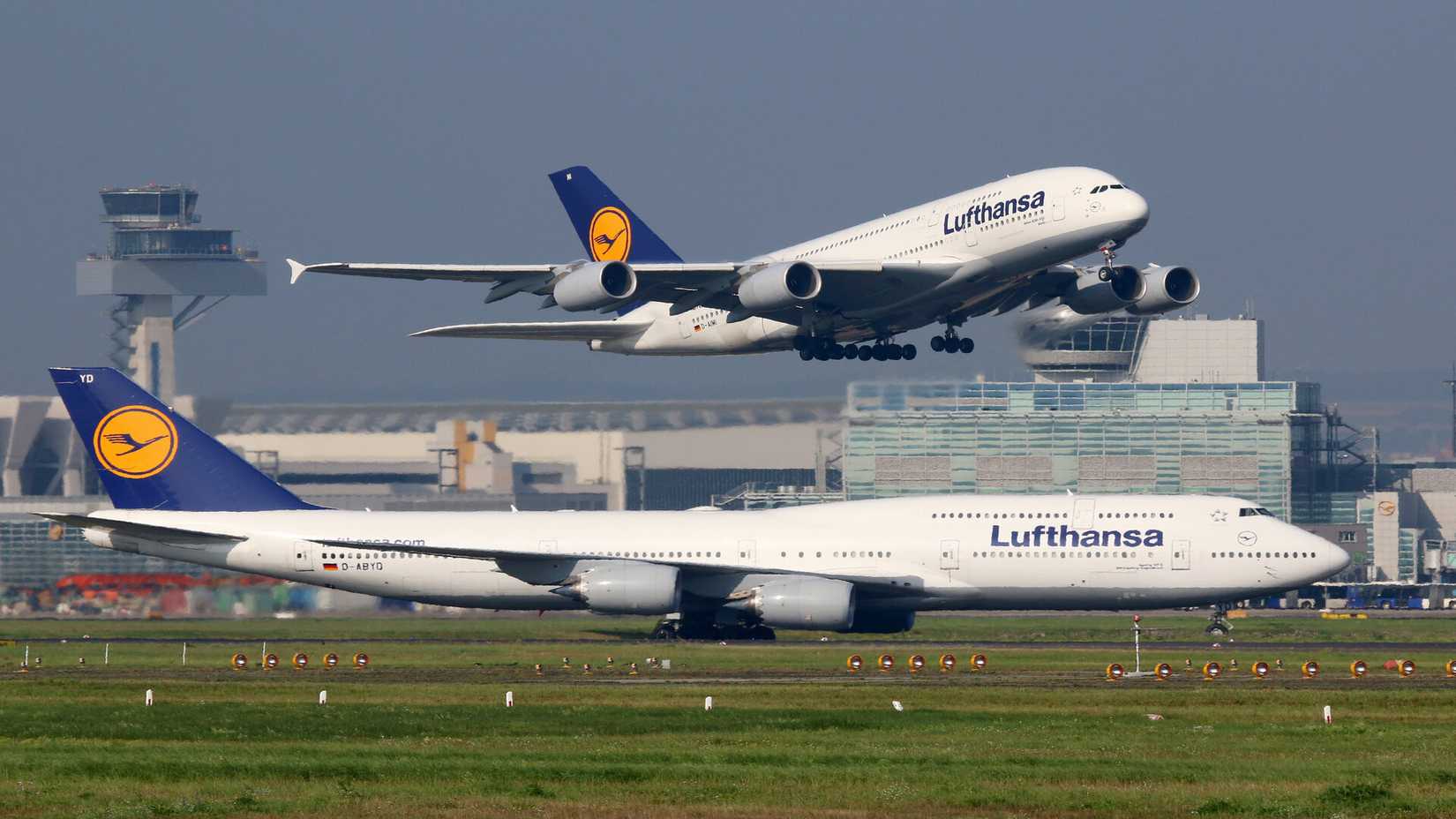
The Boeing 747-8i once appeared to be the natural successor and the number one rival to the Airbus A380. It came closest to the A380 in design philosophy, size, engines, and it offered a similar range and competitive seating.
But airlines were already shifting away from four-engine aircraft. The 747-8i simply could not compete with the economics of new-generation twins. Basically, both the A380 and 747-8i fell victim to the new market reality. The Airbus was slightly more successful as it appeared earlier and was introduced before the pandemic. The Boeing 747-8 production ended too, just two years after the A380, and it failed to attract airlines as much as its previous versions. As a result, its role as the A380’s successor effectively ended before it began.
The A350-1000, meanwhile, is Airbus’ most capable long-haul twin. It is loved by airlines for its quiet ride and excellent efficiency. Yet even at its highest-density configuration, it falls well short of A380 levels, making it an imperfect substitute for airlines requiring maximum throughput. The prospective enlarged Airbus A350-2000 could be a good alternative, but it’s still in the rumor stage.
All paths keep leading back to the same conclusion: the Boeing 777X is the only aircraft currently in development or production that can reasonably fill some of the A380’s mission, including long-haul, high-capacity missions.
The Future Beyond The Superjumbo

The retirement of the Airbus A380 will mark more than the end of an iconic aircraft. It will mark the transition to a new era of long-haul fleet planning. Airlines are now opting for fewer engines, improved efficiency, and modular capacity rather than the super-high-density model that once made the A380 so appealing.
In that context, the Boeing 777X naturally emerges as the aircraft best suited to take on the role for which the A380 was created. It combines capacity, versatility, and modern efficiency to meet current operational needs. Unless Airbus surprises everyone with a considerably larger A350 or resurrects the A380 using new technology, the post-A380 era will be characterized not by four engines and two decks, but by a large, efficient twinjet designed for the future.
The era of the superjumbo may be ending, but the demand for long-range, high-capacity travel remains. The next chapter belongs to aircraft like the 777X, whose design reflects the changing priorities of a new aviation age.
source