


Over the past fifty years, the Boeing 747 has slowly become an icon of commercial aviation, one which has become known to travelers as the Queen of the Skies, a symbol of mass transportation and long-haul capabilities. However, over the past 15 years, the era of the four-engine, heavy aircraft has slowly waned as airlines seek more efficient solutions to their travel problems. Rising fuel costs, shifts toward point-to-point and medium-density long-haul travel, and technological improvements in the engineering of widebody twin-engine aircraft have accelerated the retirement of Boeing 747 fleets all across the globe. Modern twin-engine aircraft offer similar or superior range while coming along with dramatically lower fuel burn, significantly reduced overall maintenance costs, and higher operational flexibility, all things which fundamentally transform airline network economics and fleet strategies.
As the Boeing 747 exits commercial service, its successors are not single models but rather a trio of next-generation aircraft, including the Airbus A350, the Boeing 787 Dreamliner, and the upcoming Boeing 777X. These collectively cover the spectrum of routes where the venerable quadjet once served. Each of these aircraft represents a completely different design philosophy when it comes to replacing the volume and performance offered by the Boeing 747. The Airbus A350 is an efficient long-range leader, the technology-oriented Boeing 787 was designed to be a flagship of the future, and the high-capacity, high-efficiency Boeing 777X is designed to capture the top of the capacity spectrum. We analyze why the Boeing 747 was retired and the capabilities of its potential replacements, all while analyzing how carriers choose among them based on operating economics, capacity, routes, and overall long-term fleet strategy.
A Deeper Look At The Retirement Of The Boeing 747

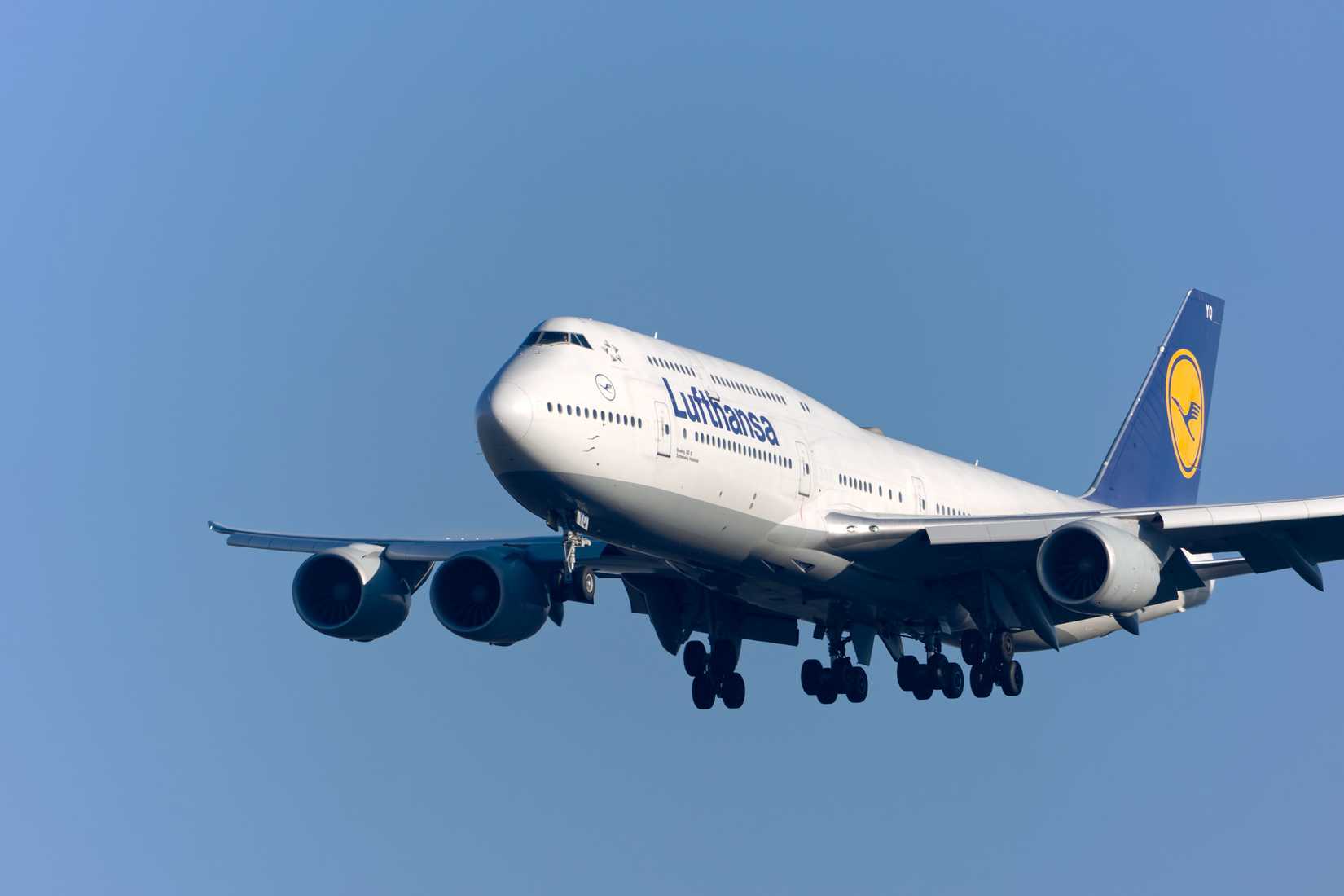
The Boeing 747-400 and other variants of the Boeing 747 dominated international air travel from the 1970s all the way up to the early 2000s. Even by the 2010s, airlines began accelerating their retirement as fuel prices rose and twin-engine long-range aircraft slowly matured. The four engines that once gave the Boeing 747 its unmatched range slowly became an Achilles’ heel, as newer designs could fly the same transoceanic missions with just two engines, significantly reducing overall fuel costs.
By the time the late 2010s and early 2020s came around, major operators like 

The Boeing 747’s resale and overall leasing value plummeted as a result of this, with many operators ultimately choosing to phase out the model rather than keep an unprofitable aircraft flying into its old age. Underpinning this shift has been the rise of aircraft like the Boeing 777 and the Airbus A330 in earlier decades, with the Airbus A350 and the Boeing 787 following along more recently. These are models that offer exceptional long-range capabilities with significantly better fuel economy and overall operating costs. The Boeing 747’s retirement, in this context, reflects a broader market preference for efficiency and the strategic pivot toward right-sized aircraft that are optimized for a wider variety of international route structures.
Potential Replacement #1: The Airbus A350


The Airbus A350 family represents Airbus’ clean-sheet response to the modern long-haul market. Available in different variants, the Airbus A350-900 and the Airbus A350-1000 combine advanced aerodynamics, lightweight carbon-fiber construction, and Rolls-Royce Trent XWB engines to deliver long-range capabilities that are accompanied by strong fuel performance. Range figures exceed those of the Boeing 747, and the aircraft offers seating for between 300 and 410 passengers in typical configurations.
The Airbus A350 covers much of the mission space that was once dominated by larger quadjets and early long-range twin-engine aircraft alike. The jet’s design emphasizes efficiency, comfort, and operational versatility, all of which make it a favorite for both high-demand trunk routes and ultra-long-haul services. Airlines such as 

The Airbus A350’s composites-rich airframe and modern systems contribute to significantly lower maintenance and fuel costs per seat, both of which are important financial levers in a cost-conscious airline market. On many routes, the Airbus A350’s range and capacity strike a strong balance between maximizing revenue and maintaining efficiency. This has driven the aircraft’s ability to command a strong order book and become a central piece of international fleets in the post-747 era.


The Aircraft Set To Replace The World’s Largest Commercial Jet
A new era dawns as the iconic superjumbo bows out, but which aircraft will claim the throne?
Potential Replacement #2: The Boeing 787

Boeing’s 787 Dreamliner is another good example of how an aircraft can be reimagined with a focus on overall fuel efficiency, passenger comfort, and large-scale network flexibility. An aircraft built around the extensive use of composite materials, new engines, and advanced systems, the Boeing 787 reduces fuel burn and emissions in comparison to older widebody aircraft models. The jet comes in three principal variants, including the Boeing 787-8, the 787-9, and the 787-10, all of which cater to different capacity and range requirements.
The Boeing 787-9, for instance, efficiently serves many long-haul routes by combining a strong range with competitive fuel economics, while the 787-10 serves as a more effective replacement for carriers looking to add more seats on routes that have higher demand. The jet’s lighter structure and modern powerplant deliver industry-leading fuel efficiency on a per-seat basis in many comparisons, especially when analyzed alongside older designs.
The Dreamliner’s range capabilities and economics make it a go-to choice for carriers that are looking to open up service to new kinds of long-distance markets while replacing aging widebodies without the premium capacity of larger aircraft. Players like Japan Airlines, ANA, and British Airways have all used the Boeing 787 to modernize transcontinental and long-haul operations. Although the aircraft does not match the capacity of large A350 variants, the jet’s operating cost advantages can make it central to airline fleet expansion strategies.
Potential Replacement #3: The Boeing 777X
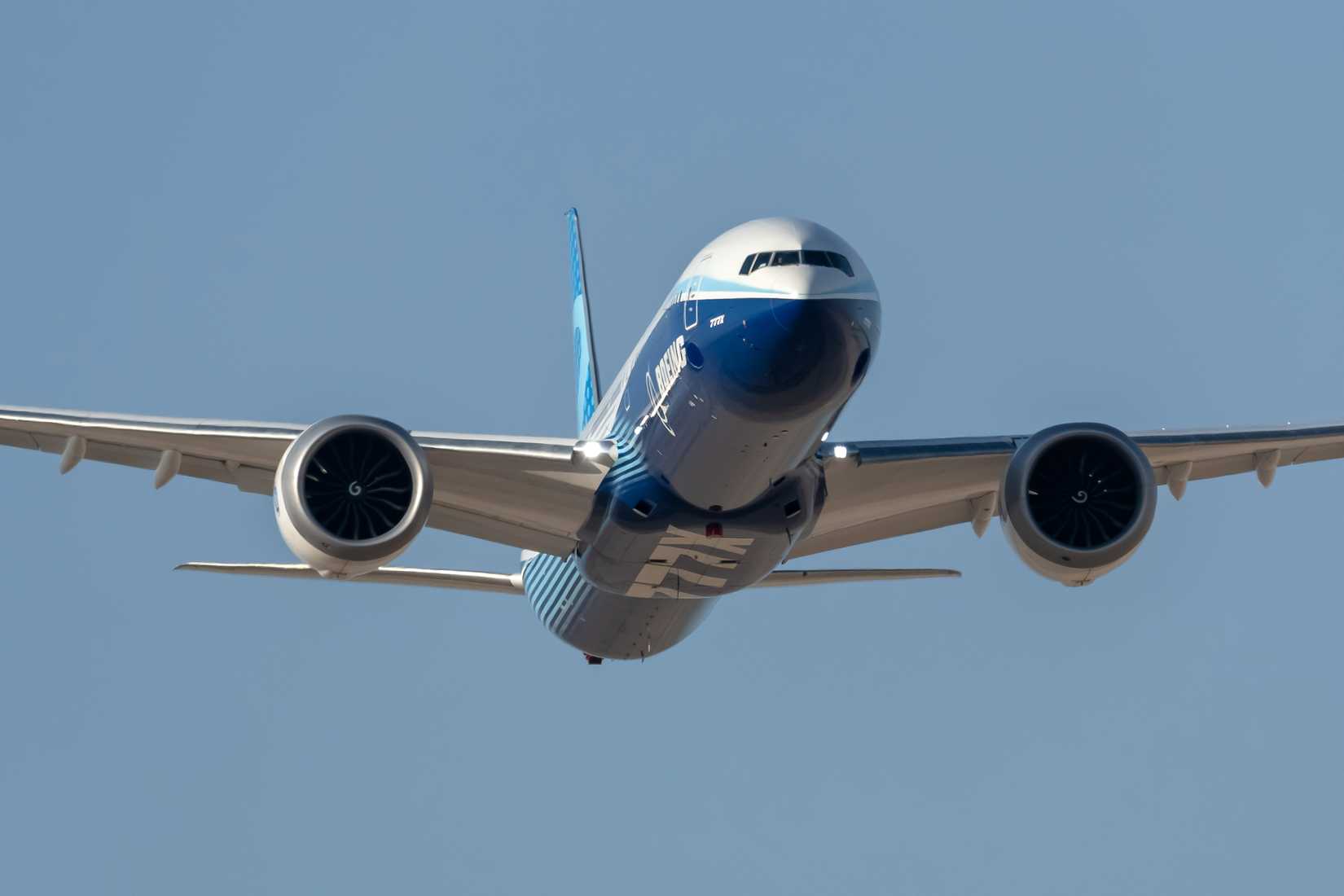
The Boeing 777X family represents the next evolution of the manufacturer’s capable long-range 777 platform, designed primarily to improve capacity and efficiency on high-demand long-haul routes. An aircraft that features new composite wings with folding wingtips and General Electric GE9X engines, the Boeing 777X promises significant improvements in fuel burn per seat when compared with earlier widebody models.
An aircraft that was scheduled to enter service in the mid-2020s, the largest variants of the type (the Boeing 777-9 in particular), are positioned as direct competitors to the Airbus A350, offering enhanced capacity for over 400 passengers with high cargo capabilities. Certification delays, however, have slowed the plane’s entry into the market. The jet’s folding wingtips allow for larger wings in flight while still fitting into existing airport infrastructure on the ground, a distinctive engineering solution that supports both aerodynamic efficiency and operational practicality.
Airlines with existing Boeing 777 fleets, such as Emirates, have placed substantial orders for the 777X, banking on fleet commonality and the jet’s ability to serve major trunk routes with very large passenger and cargo loads. Despite delays in terms of development, the Boeing 777X is anticipated to raise the bar for long-haul twinjets, blending efficiency gains with the capacity scale once only achievable by four-engine designs.
The Aircraft Set To Replace The World’s Largest Widebody Airliner
Industry trends are making the A380 inefficient for airlines.
How Do Airlines Choose Between These Three Replacement Options?
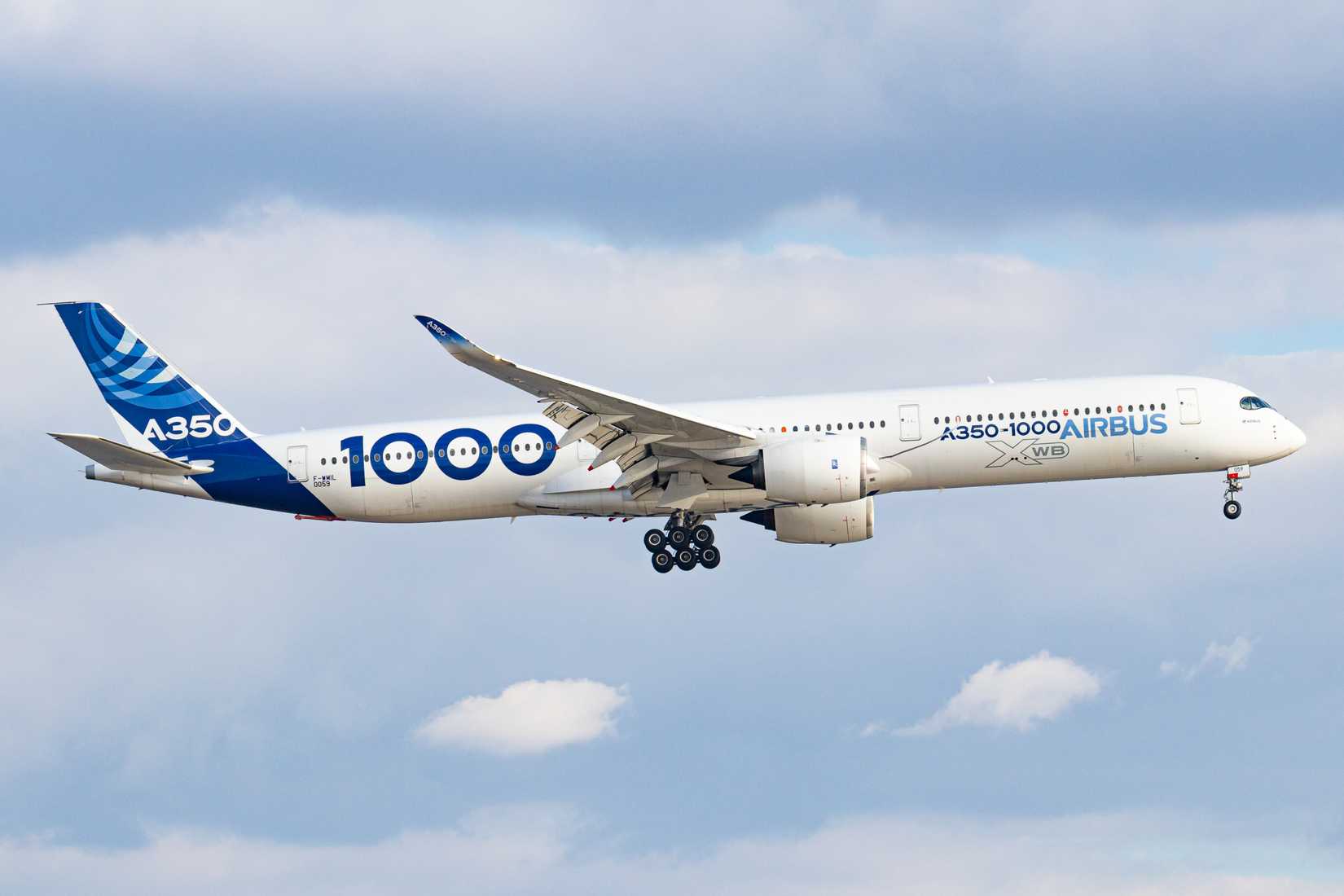
When it comes to replacing the Boeing 747, airlines are required to weigh route demand, capacity needs, overall operating costs, and the strategic priorities of their networks. The Airbus A350 excels when it comes to long-range efficiency and flexibility across a broad range of missions.
The Boeing 787 Dreamliner, though smaller than some rival aircraft, is known for offering world-class fuel efficiency and adaptability, which allows airlines to serve thinner long-haul markets without sacrificing economics. The plane’s lighter structure and new technology often result in more competitive per-seat fuel performance, something which supports network expansion and frequency over just capacity. The following table includes some comparative statistics for the different models, according to technical specifications from the manufacturer Boeing:
|
Aircraft Type |
Range |
Capacity |
|---|---|---|
|
Boeing 787 |
6,330-7,565 nautical miles (11,730-14,010 km) |
248-336 passengers |
|
Airbus A350 |
8,500-9,000 nautical miles (15,750-16,700 km) |
332-400 passengers |
|
Boeing 777X |
7,285-8,745 nautical miles (13,500-16,190 km) |
395-426 passengers |
The Boeing 777X targets a high-capacity part of the market, bringing the economics of a top-of-the-market widebody to routes with heavy demand, especially dense hub-to-hub services where both seat density and cargo volume drive revenue growth. Thus, carriers may choose the Airbus A350 when long range and balanced capacity are critical, the Boeing 787 for economical long-haul travel, and the 777X when capacity matters above all else.
What Are Our Key Takeaways From All This Analysis?
At the end of the day, our analysis supports the industry conclusion that the Boeing 747 is extremely difficult to replace. However, it is also quite clear that this is mostly by design. The aircraft is an ultra-long-haul weapon capable of serving destinations all across the globe, but it simply no longer does so in a manner that airlines actually find valuable.
Instead, carriers have turned to jets with more flexible capabilities. They begin by focusing on fuel efficiency and maintaining a balanced top-line capacity figure. This has led the 787, 777X, and A350 to become the shortlist for replacements when airlines determine the future of their long-haul fleets.
In an era where fuel efficiency matters above pretty much anything else, these jets are the long-haul aircraft that have the largest impact on airline profitability. Thus, we have turned to a world dominated by long-haul twin-engine aircraft.
source