



The Airbus A321neo is the most successful aircraft variant of all time. While only about 1,752 are in service today, Airbus has received over 7,000 total orders, and demand seems limitless. A majority of the orders are for the standard model, coded as the A321-200NX, which includes the Airbus A321LR, and Airbus has also received over 550 orders for the long-range A321XLR, which is coded as the Airbus A321-200NY.
The A321-200NX is the code for the standard A321neo and the A321LR, as the name “A321LR” is a marketing term for an A321neo with three auxiliary fuel tanks and a 97T Maximum Takeoff Weight (MTOW). The Airbus A321XLR features a new tank design, different flaps, and structural strengthening, which is why it’s officially considered a different variant (unlike the A321LR). However, these two aren’t the only variants of the A321neo.
Overview Of The Airbus A321neo

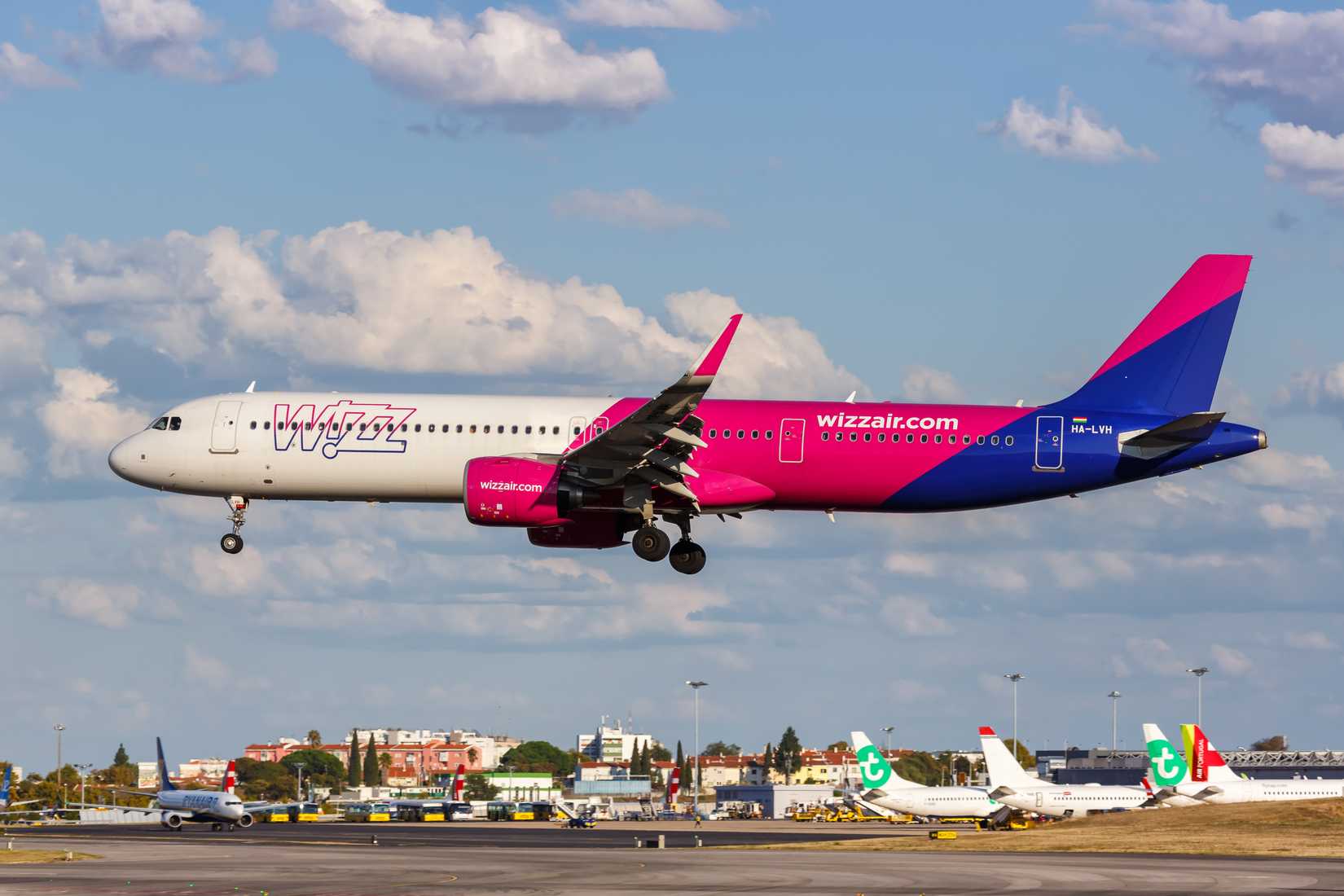
The Airbus A321neo is a re-engined version of the Airbus A321. It’s specifically an update to the A321-200, and its primary change is the new engines. Airbus offers the CFM LEAP-1A or the Pratt & Whitney PW1100G, the two most advanced high-bypass turbofan engines in service, and the same options are available on the rest of the A320neo family. Additionally, all variants come with sharklets, software improvements, along with the modernized Airspace interior in the latest examples.
The A321neo is by far the most popular variant of the A320neo family, and there are nearly as many A321neos in service as A321-200s. As such, Airbus has continuously invested to make the A321neo even better. Mainly, Airbus has focused on improving the A321neo’s capabilities by boosting its MTOW and extending its range, promoting it as a replacement for the Boeing 757-200. This was first apparent with the A321LR, and even more so with the Airbus A321XLR.
Because of the significant changes made to the A321neo, the A321XLR is certified as a unique variant, unlike the A321LR (this is similar to the Boeing 777-200ER, the marketing name for an improved 777-200, versus the 777-200LR, which is a unique variant). However, while Airbus today sells the A321neo (A321-200NX) and A321XLR (A321-200NY), there’s another variant that is no longer on sale, certified as the A321-200N.
What Is The Airbus A321-200N?

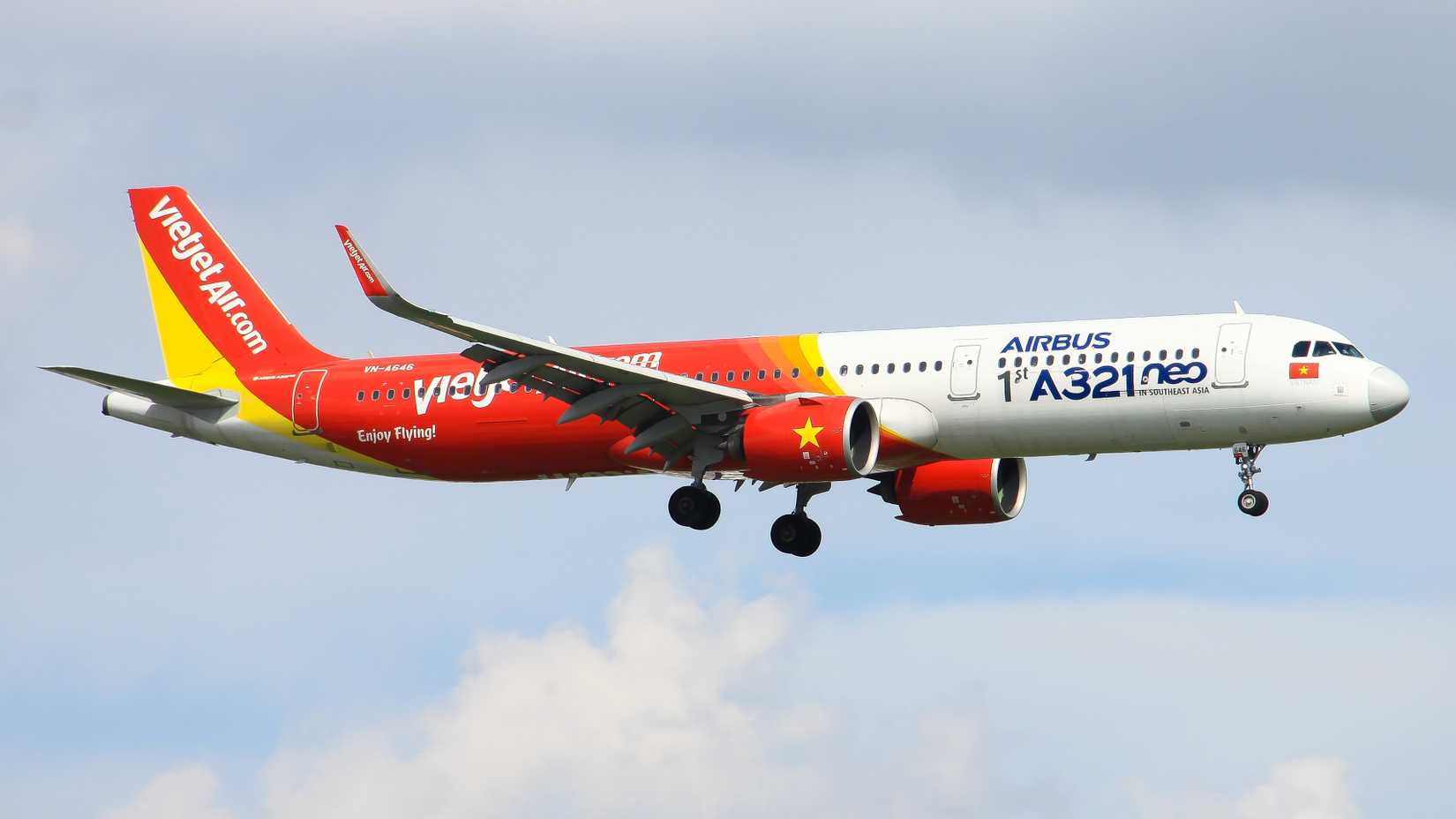
The A321-200N was the original variant of the A321neo. This is a simple re-engine of the A321-200, with the only changes being the engines, software updates, and standard sharklets. This is the same as the standard A321-200NX, but the main difference comes with the exit layout. The A321-200 featured eight emergency exit doors, a unique layout to the Airbus A320 family, and the A321-200N retained this layout.
When first announced, the A321-200NX was marketed as the Airbus A321neo ACF. The ACF stands for “Airbus Cabin Flex,” and these planes come with new exit configuration options. The second set of exit doors has been permanently deleted, and the third set has been moved rearwards with an option to deactivate. Meanwhile, the A321neo ACF comes with a standard set of overwing exits, with an option for a second set.
The A321neo ACF first entered service in mid-2018, roughly a year after the original A321neo. Initially, the plane was promoted as a high-density layout, but since then, it’s become the standard variant for the A321neo line. The original A321neo is no longer for sale, and later derivatives of the A321neo (namely, the A321LR and A321XLR) were developed with the ACF layout. As such, A321neos with the original interior layout are now the outliers.
Looking Further At The ACF Layout

There are numerous reasons why Airbus developed the ACF layout. One of the major advantages came from the deletion of the second set of exit doors. This change greatly reduced weight, and although Airbus offers up to two sets of overwing exits in its place, the overall weight reduction was enough that the A321LR’s empty weight was comparable to the original A321neo, despite structural strengthening.
The A321-200 was originally certified to carry up to 220 passengers, though this was later increased to 230 passengers. The A321neo originally had the same exit limit, but the ACF layout can accommodate up to 244 passengers, making it even more appealing to budget airlines. Airlines with less dense configurations can also opt to plug an overwing exit or the second (formerly the third) set of exit doors, reducing weight and increasing interior space.
|
Aircraft |
Exit Limit |
|---|---|
|
Boeing 757-300 |
295 passengers |
|
Airbus A321neo |
244 passengers |
|
Boeing 757-200 |
239 passengers |
|
Airbus A321-200 |
230 passengers |
|
Boeing 737 MAX 9 |
220 passengers |
|
Boeing 737 MAX 200 |
210 passengers |
Not only does the deletion of the second set of exits lower the weight, but it also improves the flexibility of the interior. Airlines now have more floor space at their disposal, and they can install premium cabins of various sizes. The second set of exits divided the cabin, with operators often installing premium cabins between the first and second sets of doors. It was an inflexible layout, especially today when more A321neos are being installed with larger, long-range business class seats.
Why The ACF Layout Works So Well

Despite Airbus offering multiple configuration options for the A321neo today, all A321neos now leave the factory with the same cutouts, meaning that production is standardized. This not only cuts down on production costs, but it also boosts the plane’s second-hand and leasing values. The various configuration options are achieved through plugging, and while door plugs have always been prevalent in airliners, perhaps no other aircraft has utilized this feature like the A321neo.
A budget airline flying tightly configured A321neos will need all three sets of doors activated and both sets of overwing exits. If said aircraft is later sold or returned to a lessor, a future operator could simply plug one of the exit sets. It’s a simple but effective method of offering multiple exit variants, and this differs significantly from airliners of the past that offered various exit options by producing planes with different door layouts.
In turn, the original Airbus A321neo has largely been forgotten. A comparatively small number of these planes were produced, and while they’re still young, these are likely to become the least valuable A321neos on the second-hand market. The actual layout of the exits is different, and the interior space is less efficient. Consider that American Airlines, which operates planes with both layouts, configures 190 seats on planes with the older layout, while ACF examples feature 196 seats, as per aeroLOPA.
Other Examples Of Different Exit Options

Generally, commercial airliners are designed and sold with a single exit configuration, as offering multiple options increases production complexity and can harm the second-hand value of the aircraft. In the rare case where this is available, this is usually with the addition of an optional door set (such as the Boeing 777-9) or changing the size of an exit door seat (such as the Airbus A330). In both cases, the overall exit layout remains largely the same, reducing production complexity.
Offering different exit layouts was more common in the past, and this was especially notable with the Boeing 757-200 and Boeing 767-300ER. The 757-200 was commonly delivered with three sets of exit doors (including one just ahead of the wings) and two overwing exit sets, but another layout option was to include a set of exits behind the wings rather than the two sets of overwing exits. This layout was particularly popular with European 757 operators.
|
Aircraft |
Sales |
|---|---|
|
Boeing 757-200 (757-200) (757-200M) (757-200PF) |
994 |
|
Boeing 757-300 |
55 |
|
Total Boeing 757 (Data from Planespotters.net) |
1,049 |
|
Boeing 767-200 |
128 |
|
Boeing 767-200ER |
121 |
|
Boeing 767-2C |
168 |
|
Boeing 767-300 |
104 |
|
Boeing 767-300ER (767-300ER) (767-300F) |
871 |
|
Boeing 767-400ER |
38 |
|
Total Boeing 767 (Data from Planespotters.net) |
1,430 |
The Boeing 767-300ER, meanwhile, came with three exit layout options. The most common configuration in the US was to feature two exit door sets, along with two sets of overwing exits. Additionally, Boeing also offered a layout with another exit door set in front of the wings and only one set of overwing exits, along with a layout that featured four sets of overwing exits similar to the second layout on the 757-200 or the A321’s original exit configuration.
Rundown Of The Airbus A321neo

The Airbus A321neo is incredibly successful due to its combination of stellar operating economics, commonality with other popular aircraft, and excellent capabilities. One of the aircraft’s strongest selling points is its interior flexibility, as airlines can choose from a wide variety of exit options through clever plugging. The actual cutouts for the exits, meanwhile, are identical on all A321neos leaving the factory today, preserving second-hand values and keeping production costs low.
The original A321neo is identical in most aspects to modern examples, except that it carries over the exit layout for the Airbus A321-200. This design is heavier, less space-efficient, and less flexible, so Airbus threw it in the dumpster. This is why the original A321neo has been largely forgotten about, as the Airbus A321-200NX or Airbus A321neo ACF is now simply the standard variant of the Airbus A321neo.
source