


A Sun Country Boeing 737-800 departing from Milwaukee enroute to Orlando suffered a tail strike during takeoff, forcing the aircraft to divert for a precautionary landing. Tracking data shows that the plane climbed to FL270 before diverting to Chicago O’Hare, landing safely around 40 minutes after departure.
It remained on the ground for approximately three hours before continuing to Orlando. The 737 sustained damage to its replaceable tail skid, but was ultimately able to re-enter service the same day.
Sun Country 737 Tail Strike At Milwaukee

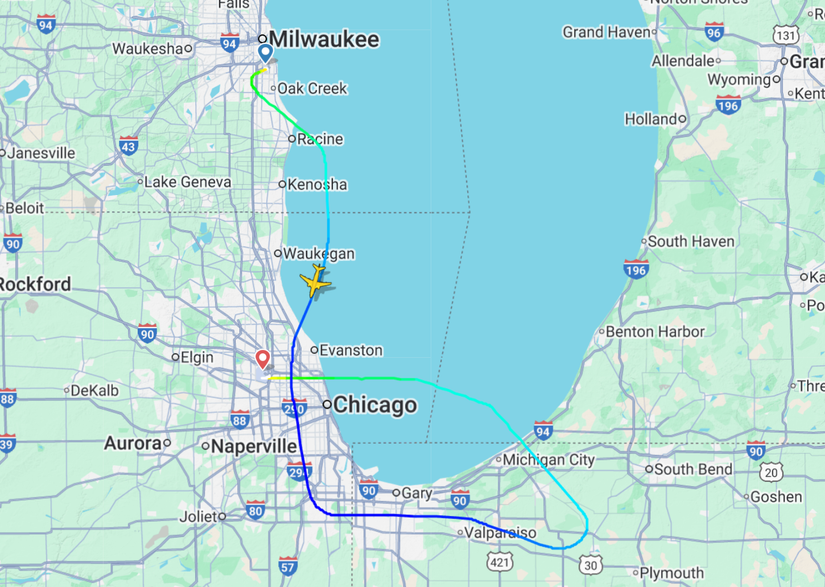
As reported by the Aviation Herald, the Sun Country Airlines 737-800 was operating Flight SY201 from Milwaukee Mitchell International Airport (MKE) to 

|
Date |
29 December, 2025 |
|
Airline |
Sun Country Airlines |
|
Flight |
SY201 |
|
Aircraft |
Boeing 737-800 (N851SY) |
|
Departure |
Milwaukee Mitchell International Airport (MKE) |
|
Arrival |
Orlando International Airport (MCO) |
|
Fate |
Diverted to Chicago O’Hare (ORD) after tail strike |
The flight continued its climb but leveled off at FL270 as the flight crew decided to land at nearby 
According to a Federal Aviation Administration (FAA) statement,
“AIRCRAFT INCURRED A TAIL STRIKE ON DEPARTURE AND POST FLIGHT INSPECTION REVEALED DAMAGE TO SKID SHOE, MILWAUKEE, WI.”
Tail Skid Proves Its Worth


Despite experiencing the tail strike, the aircraft was back in service the same day, spending just three hours on the ground in Chicago before completing its scheduled service to Orlando. This was possible as the 737 was fitted with a tail skid — also known as a skid shoe — which protects the tail structure from damage during over-rotations at takeoff.
A tail skid is designed to take the brunt of any force or friction from the runway, and they are built to be replaceable as and when a tail strike does occur. The equipment clearly performed its job on this occasion, ensuring the tail and aft bulkhead escaped any damage.
The aircraft involved in Monday’s incident is a 12-year-old Boeing 737-800 registered as N851SY. This airframe previously flew under Thomson Airways (and later TUI Airways) for almost a decade before joining Sun Country’s fleet in June 2023. It retains the same all-economy capacity as its days under Thomson/TUI, seating up to 189 passengers in a 3-3 configuration. Sun Country is an all-Boeing 737 airline with a total of 68 aircraft in its fleet, including 65 737-800s. It is also in the process of inducting five 737-900ERs into its fleet, which have been flying with Oman Air until recently.


Sun Country Plans To Operate Its Boeing 737-800s Into Their 30s
Apparently, Sun Country Airlines does not plan to order new aircraft from any manufacturers for the time being.
How Dangerous Are Tail Strikes?


Tail strikes can be extremely dangerous if the correct course of action is not taken, both during the flight itself and during inspection and maintenance. While in most cases the damage is not severe, it still has the potential to be a safety threat if the area is not repaired to a high standard.
This has happened to multiple aircraft over the decades, which have suffered accidents months or years after a tail strike due to incorrect repair work. For example, a Boeing 747-200 operating China Airlines Flight 611 in 2002 broke up in midair due to an improper tail strike repair procedure more than 20 years before.
If an airline and its maintenance teams perform the correct procedures as per manufacturer handbooks, then minor damage from a tail strike can be fully repaired. Other than severe tail strike cases, they typically don’t pose any immediate risk to flight safety, but it can have catastrophic consequences down the line if not repaired properly.
source