


Members of the International Association of Machinists and Aerospace Workers (IAM) District 837 Union who work for 

The union continues to blame Boeing for failing to address the needs of its workforce. The two parties have been negotiating for over three months, but have failed to come to a consensus. However, Boeing acknowledges that many workers are ready to end the strike and return to work
The Outcome Of The Last Vote


More than 3,200 members of the IAM Union have been on strike for 84 days. Over the past three months, Boeing and the union’s leadership have engaged in several negotiations, even with the help of a federal mediator. Last week, Boeing offered its employees another contract, with some adjustments to wages and other benefits.
Union members voted on Sunday, with the result being 51% against and 49% in favor of the offer. While Boeing is disappointed with the result, the slim margin and increased interest from teammates who want to cross the picket line show that many understand the value of the offer. Meanwhile, the union’s leaders continue to criticize Boeing’s offers. IAM Union International President Brian Bryant said:
“Boeing claimed they listened to their employees – the result of today’s vote proves they have not. Boeing’s corporate executives continue to insult the very people who build the world’s most advanced military aircraft — the same planes and military systems that keep our servicemembers and nation safe.”
Nearly Three Months Of Strikes

In July, Boeing offered its employees in the St. Louis area a “best and final offer,” which it said was the richest contract ever offered to workers in St. Louis. However, this was overwhelmingly rejected, with strike action commencing on August 4. Had the members voted in favor of the contract on Sunday, they would have returned to work on November 3.
According to Boeing, as of October 26, the striking workers have missed five paychecks and lost $26,100 each. This included wages and a $5,000 ratification bonus that was contingent on ratification by August 3. They have also lost out on employee benefits of up to $4,200, including medical coverage. Boeing is now shifting its focus to executing the next phase of its contingency plan to support its customers.
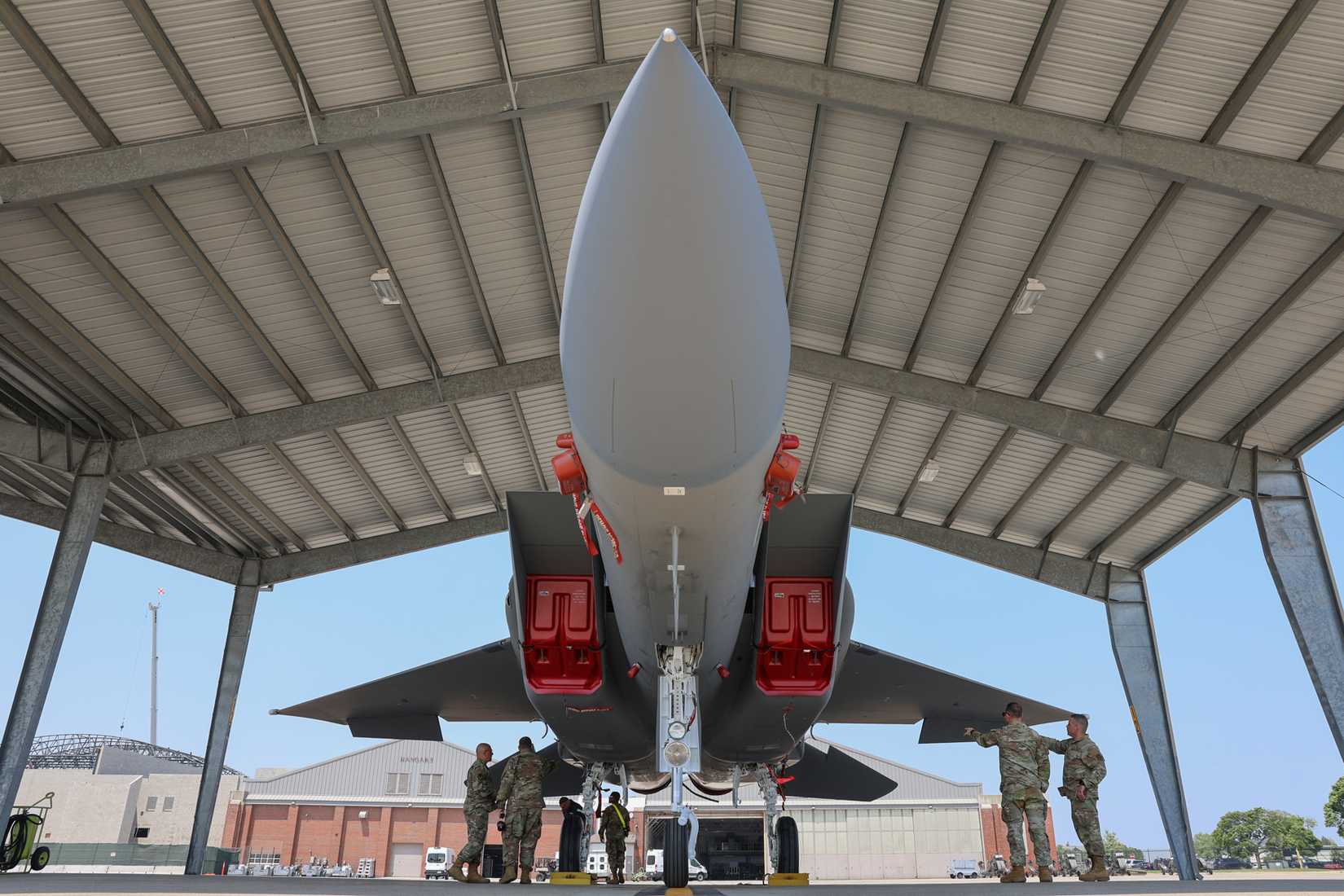
In September, the union presented Boeing with a proposed four-year contract offer, putting the responsibility on Boeing to accept the contract and put an end to the strike. The proposal focused on “real retirement security”, stronger wage increases, and a ratification bonus. According to the union, the proposed offer would cost Boeing approximately $50 million over four years, about half the cost of a single F-15 fighter jet.
Finding A Way Forward

Boeing’s latest offer includes a 75% increase in bonuses for all workers, including a $3,000 ratification bonus and a $1,000 retention bonus in the fourth year. The company is also offering restricted stock units worth $3,000 as of October 31, 2025, vesting over three years. Workers will also receive more vacation and sick leave days, as well as healthcare and retirement benefits.
The company clarifies that workers who resign from the union and/or cross the picket line will not lose any rights under the collective bargaining agreement. They will also not lose their seniority once the contract is ratified. However, with Boeing hiring permanent replacement workers, some jobs might not be available after the strike ends.
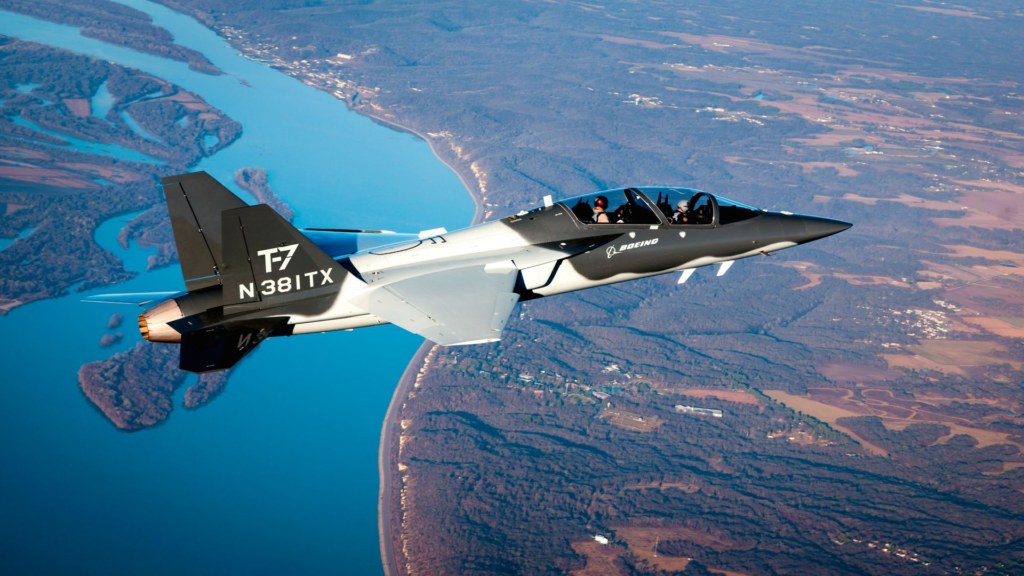
Boeing workers in St. Louis are responsible for producing and maintaining various military equipment, including the F-15, F/A-18, T-7 trainer aircraft, and the MQ-25 drone. The site has also produced components for the Boeing 777X. The strikes have already caused issues for Boeing and its customers, with F-15EX deliveries facing delays.
source