


Spirit Airlines is looking to cut its fleet by nearly 100 aircraft as it exits Chapter 11 Bankruptcy for the second time this year. As reported by CNBC, the comments are coming from the company’s CFO as the airline faces mounting pressure from rising operational costs, weak yields, and debt burdens. The decision is being framed as an essential move to survive.
The reductions are expected to occur through lease returns, retirements, and accelerated phase-out of older or less efficient aircraft. Spirit says that the move will help balance capacity, reduce maintenance and lease costs, and better align its cost base with demand in a turbulent market. The company intends to redeploy resources to its core profitable routes while shedding marginal or underperforming assets.
More Cuts Happening At Spirit Airlines

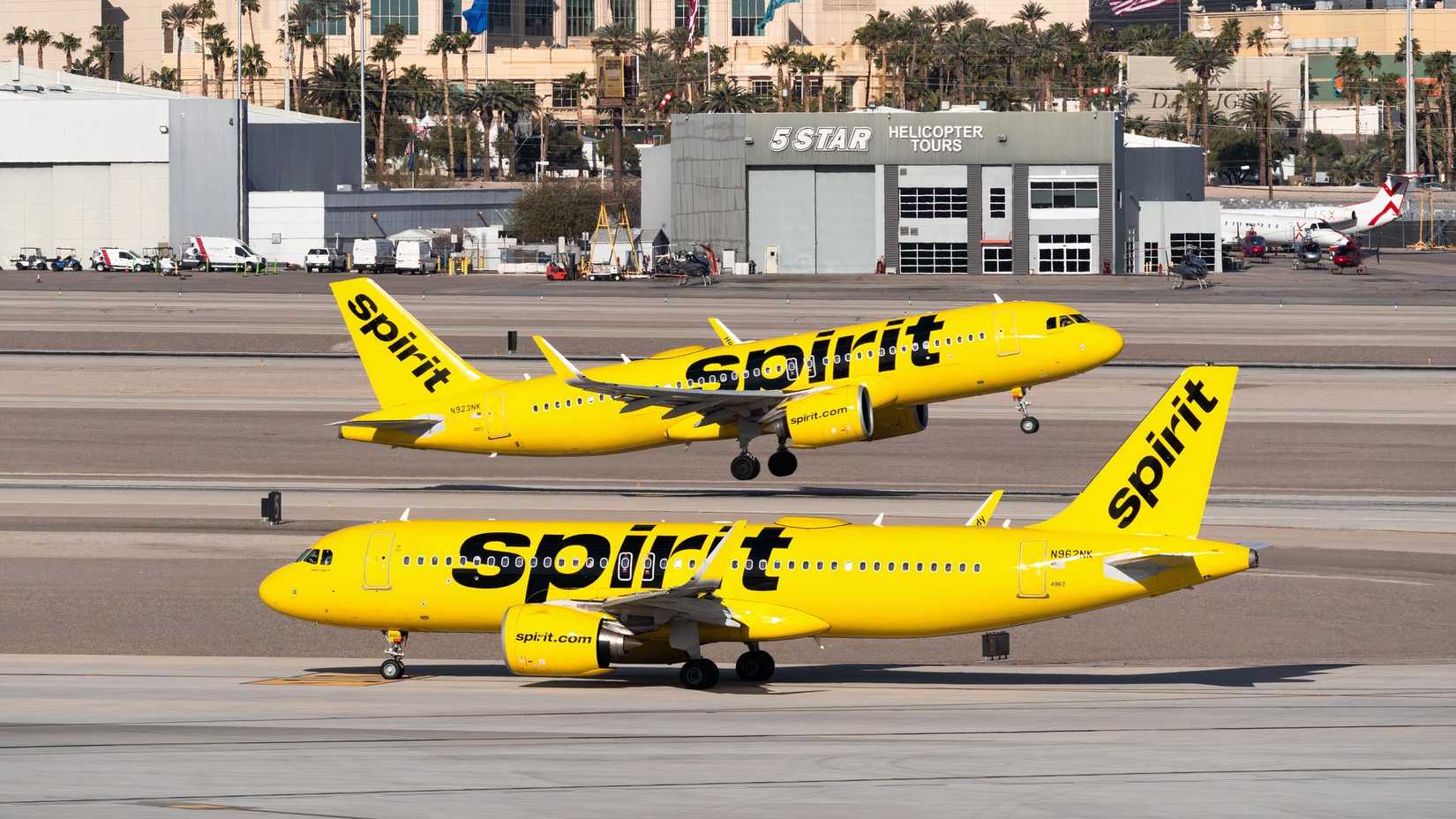
Spirit CFO Fred Cromer stated that the carrier will exit underutilized markets, retire older planes early, renegotiate lease terms, and prioritize return of capacity to strong routes. The cuts will likely affect smaller regional and leisure routes that struggle with load factors or face stiff competition. Some planes may be returned ahead of lease expiry to cut costs.
Spirit plans to execute much of the shrinkage over the coming 12 to 24 months as part of its restructuring process. The aim is to minimize disruption while making meaningful cost savings across leasing, maintenance, and crew. During this transition, Spirit expects its schedule to contract, especially in off-peak markets.
Operationally, the cutback will cascade across staffing, maintenance planning, spare parts, and crew assignment. Spirit must balance shutting down aircraft with preserving network connectivity, especially in its core leisure markets. The airline has promised to protect frequent flyer commitments and minimize customer disruptions as much as possible.
Spirit Airlines’ Precarious Financial Situation


Spirit Airlines, currently one of the nation’s largest budget airlines, is flying a fleet of 214 Airbus A320 family aircraft, meaning that the airline will shrink by nearly half. n recent quarters, it reported heavy losses driven by high fuel, maintenance, engine reliability issues, lease burdens, and debt service. The airline’s margins have been under constant strain, and shrinking the fleet is one of the few levers left for meaningful cost reductions.
By reducing its fleet, Spirit can free up capital otherwise bound in leasing and depreciation expenses. It also lowers maintenance, insurance, and spares inventory overhead. By becoming leaner, Spirit is hoping to stem its bleeding and concentrate further on what works best. As Spirit’s losses mount, the company is moving more and more into survival mode.
This is a classic case of “shrinking to profitability.” On the surface, the tactic has merit, except, shrinking to profitability has often failed in the aviation industry. Airlines still have enormous overhead costs that are difficult to shed, and removing so many assets leaves the company far more vulnerable to competitive pressures. While it certainly could work for the airline to lower costs and refocus, the signs are not positive for the struggling carrier.
Why is Spirit Airlines Struggling So Much


Spirit Airlines is not the only budget airline struggling in the US, but Spirit is the carrier that is closest to a possible liquidation. The airline has filed for bankruptcy twice this year, and is cutting nearly 100 aircraft out of its fleet, moves that no other US airline has made. It’s undeniable that the budget airline is facing pressure from changing market dynamics in the US, but Spirit is uniquely on the ropes.
Part of this is network design. Spirit Airlines’ network is focused on the East Coast, connecting large and medium-sized cities to popular vacation destinations such as Florida and the Caribbean. The challenge is that it’s often directly competing against legacy carriers, such as 


|
US Full-Service Carriers |
US Hybrid Carriers |
US Low-Cost Carriers |
|---|---|---|
|
American Airlines |
Alaska Airlines |
Allegiant Air |
|
Delta Air Lines |
Southwest Airlines |
Avelo Airlines |
|
Hawaiian Airlines |
Breeze Airways |
|
|
United Airlines |
Frontier Airlines |
|
|
JetBlue Airways |
||
|
Spirit Airlines |
||
|
Sun Country Airlines |
The other issue unique to Spirit is its brand image. Currently, customers are favoring full-service carriers with large premium cabins, a premium brand image, and comprehensive frequent flyer programs. Spirit’s reputation among the traveling public is one focused on price more than anything else, and it’s an issue that is unquestionably being analyzed by executives.
source