


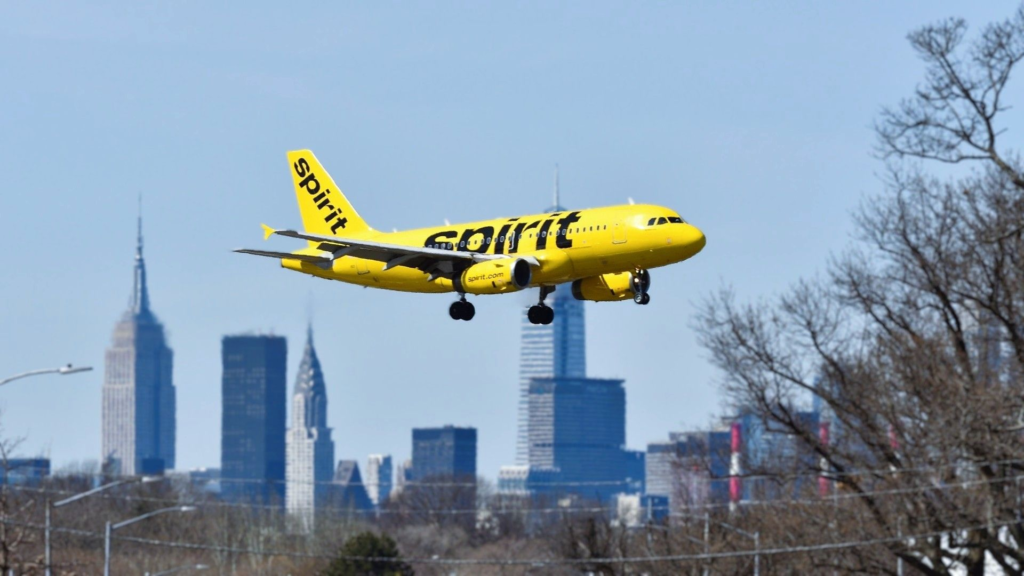
Spirit Airlines (NYSE: SAVE), which is currently in its second Chapter 11 bankruptcy of the year, has secured agreements for up to $475 million in financing from bondholders and $150 million from Irish leasing giant AerCap (with the latter still subject to court approval). The carrier gained $120 million in immediate liquidity via cash-collateral usage. In order to cut costs after more than $250 million in losses between March and June, Spirit Airlines will cut 40 routes and furlough around a third of its cabin crew staff.
The airline will also seek out $100 million in pilot concessions, after having already drawn its $275 million revolver. The airline plans on rejecting 27 Airbus leases (25 of which are tied to groundings related to the GTF engine) and will further decline 12 airport leases. The airline will also reject 19 previously-agreed-upon ground-handling deals. If the deal goes through (and the next court hearing is set to take place on October 10), Spirit Airlines will be able to immediately accept $150 million in new funding while Spirit Airlines plans 30 future deliveries.
A Deeper Look At Spirit Airlines’ Financial Resources

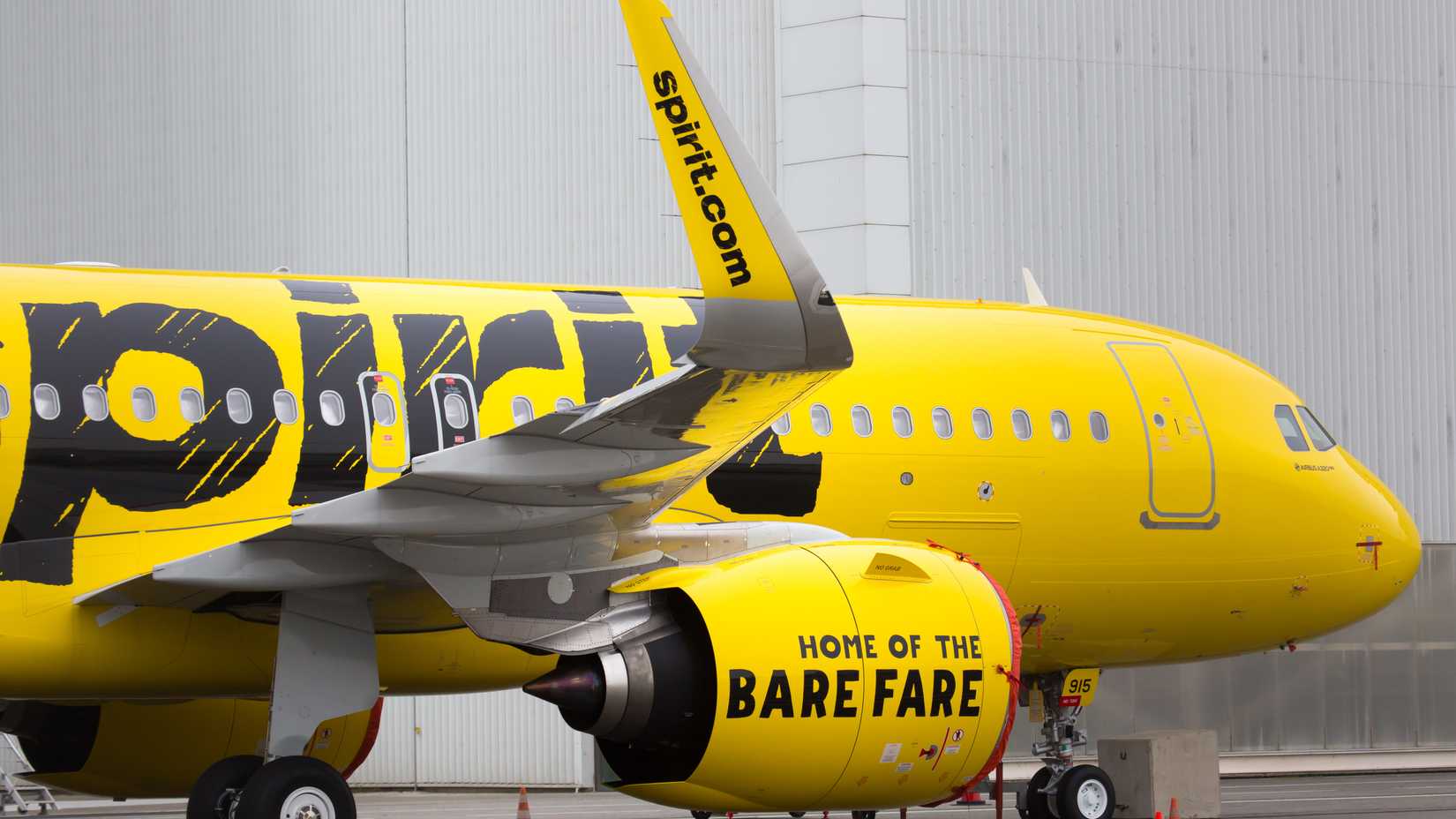
Spirit Airlines currently has a two-part financial picture. The first is a Debtor-in-Possession facility for up to $475 million from senior secured bondholders, with superpriority over most prepetition claims. This kind of financing needs to be approved by a bankruptcy court, and, if approved on October 10, $200 million in funding would immediately be approved. This balance can be used to cover payroll, vendor expenses, fuel, and aircraft parts, shoring up working capital during the airline’s complex restructuring process.
A $150 million AerCap deal, one that is tied to the rejection of 27 Airbus leases, will also help support the company’s financial picture. AerCap’s overall payment functions as a consideration for Spirit’s lease exits as the company begins to make plans to expand its fleet. Separately, interim cash-collateral orders will unlock around $120 million today, helping stabilize near-term liquidity needs. Key risks for the carrier include court approval and operational execution hurdles being cleared, according to a breakdown published by CNBC.
What Does This Mean For Spirit Airlines?
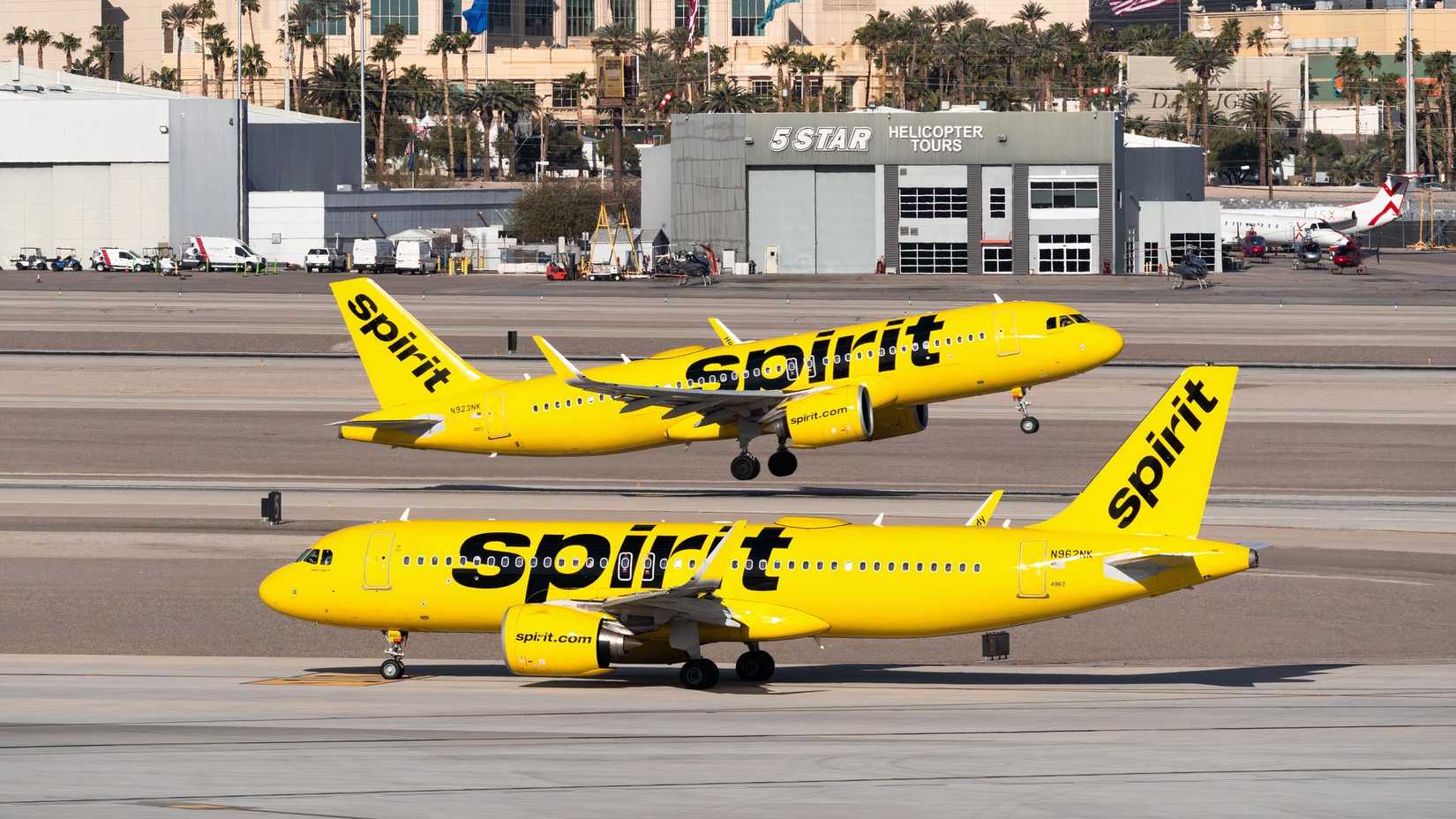
The key takeaway here is that Spirit Airlines is currently in the process of buying time and shrinking to survive. The $475 million will help stabilize near-term liquidity needed for payroll, fuel, and parts expenses, but it does add strict milestones and lender control. The AerCap deal will reduce aircraft costs further while preserving a path to expanding its fleet further if a viable network remains at least somewhat intact.
From an operational perspective, the airline will be cutting 40 routes and furloughing a large portion of its cabin crew, which will help the airline reset capacity and better cater to demand. Clawing back $100 million from pilots is another lever the airline is looking to pull as it goes through this process.
Spirit’s restructuring process is undeniably ambitious, and the airline is pivoting from maximizing growth to profit density and reliability. However, the risks remain exceptionally high. Court approvals remain on the horizon, and execution on the airline’s network restructuring and revenue recapturing initiatives are undeniably still in the works. All the while, competitors are waiting to pounce, looking for every opportunity to capitalize on its perceived weakness in Spirit’s operational network.
What Is The Bottom Line?
At the end of the day, Spirit Airlines is in an undeniably difficult position. The airline’s operational network has been decimated due to the carrier’s dire financial situation.
This has put the airline’s leadership team in a difficult position, as the carrier has been forced to deplete its network to remain above water financially. Doing so will ultimately make it challenging for the carrier to reenter the market and recapture market share it has ceded to competitors.
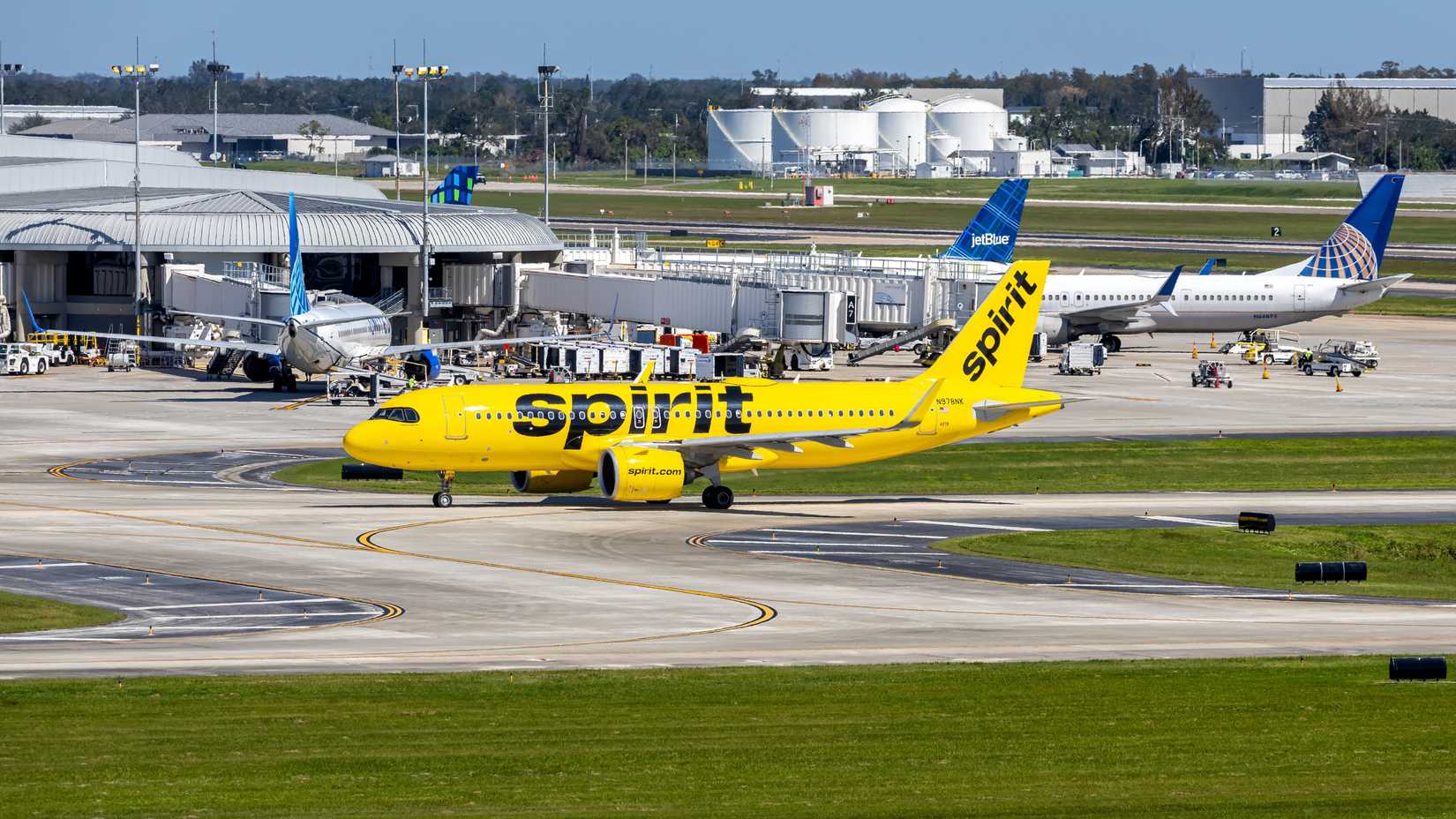
Other airlines are no doubt ready to pounce. Carriers like JetBlue, Allegiant Air, and Frontier Airlines have been quick to launch nonstop services to and from destinations where Spirit Airlines elected to remove flights from its calendar.
source