


A snow storm in the Midwest is causing significant flight disruptions. As reported by UpNorthLive, the FAA issued a full ground stop at 

Snow storms can bring risky weather conditions. While measures are in place to ensure safe operations in milder conditions, the severity of the storm that hit Detroit meant that flights had to be suspended for virtually the entire evening. On average, flights were delayed by 70 minutes, and dozens of flights were cancelled. While this was inconvenient for passengers and airlines, it’s a small price to pay to ensure safe operations.
Flight Cancellations At Detroit


In the afternoon of December 29, the FAA issued a full ground stop for Detroit Metropolitan Wayne County Airport, effective until 11:59 PM. This led to significant delays and cancellations for both arriving flights as well as departures. This was the second ground stop issued on Monday, as the FAA previously halted operations at Detroit at 5:30 AM. This order was lifted at 7:45 AM.
In total, 46 flights set to depart Detroit and 43 flights inbound to Detroit were cancelled. Meanwhile, nearly 300 departures were delayed, representing 68% of flights, and nearly 250 inbound flights were delayed, representing 58% of flights. Detroit wasn’t the only airport impacted by the snowstorm, as Toronto as well as Chicago-O’Hare also experienced high volumes of delays and flight cancellations, as per data from FlightAware.
The ground stop most impacted 
Off The Heels Of Another Major Snow storm


On the preceding Friday, the Tristate Area was hit with its most severe snow storm in years, severely impacting New York in particular. All three major legacy carriers have significant operations to serve the New York metropolitan area, in addition to high levels of service from smaller US airlines, JetBlue’s hub, and foreign carriers. Airlines ended up cancelling over 1,500 flights.
The New York metropolitan area is the largest in the United States, and there’s significant business demand along with strong tourism. The storm hit shortly after Christmas, meaning that travel demand is at an all-time high. Airlines are scheduling more flights than ever, and the current holiday period is expected to break passenger records. This means that the effects of the storm were far more severe on airlines.
Of the three US legacy carriers, Delta has struggled the most with recovering its operations. JFK and LaGuardia were more heavily impacted than Newark (the location of United’s hub), and Delta also has a hub in Boston that was impacted by the storm, unlike United and American. But even with poor weather at airports such as Chicago (hub for United and American), Delta is still recording higher cancellations and delays than its peers, an issue undoubtedly exacerbated by the snow in Detroit.


DTW Outage To JFK Gridlock: Delta’s Hub System Under Strain
The airline had another difficult weekend after ground stops in New York.
The Operational Impact Of A Snowstorm

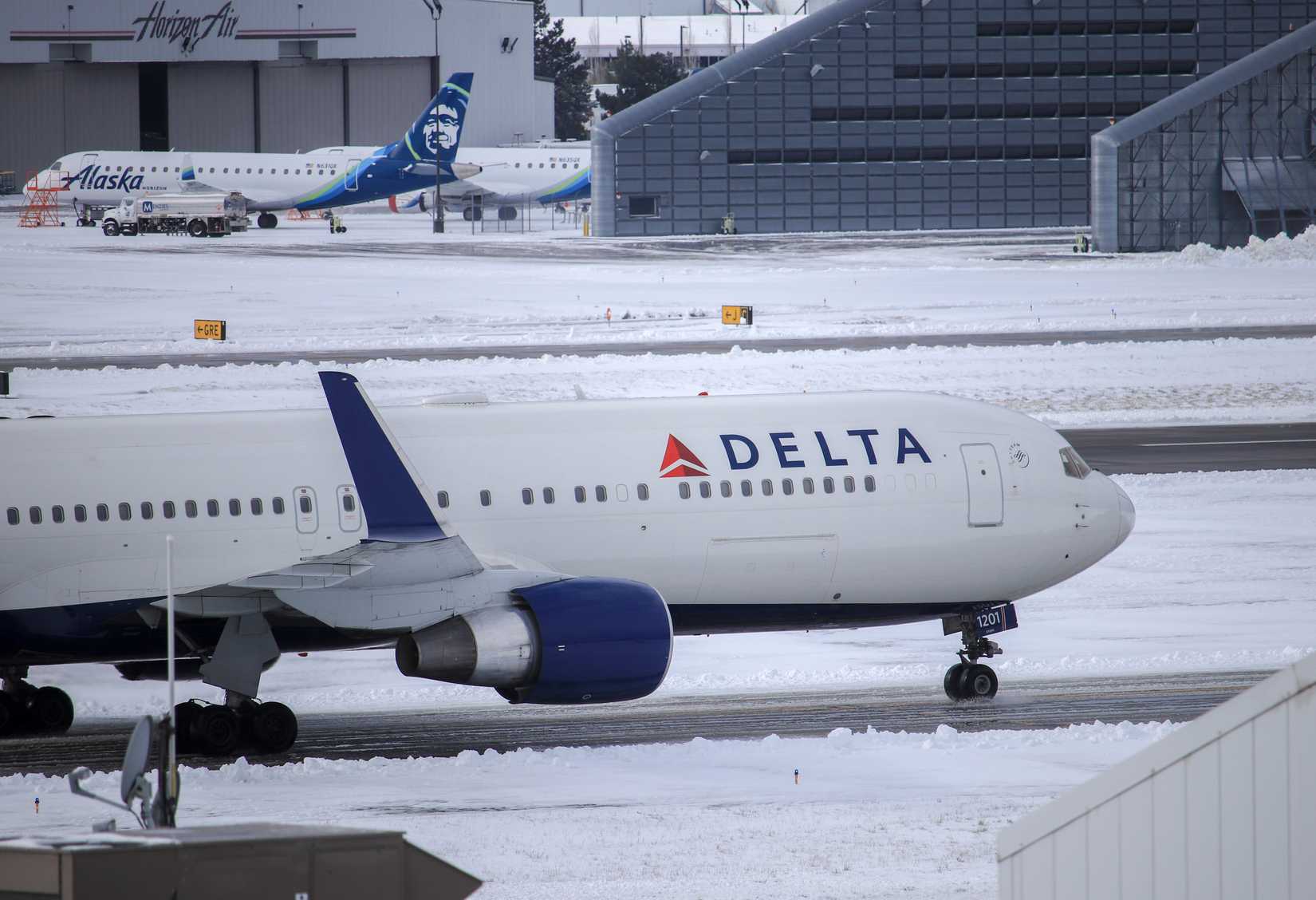
On its own, snow can build up on an aircraft’s wings, which can significantly reduce the aircraft’s lift. More dangerous is the potential buildup of ice, which has led to catastrophe in the past. Airliners are typically equipped with deicing systems and also receive deicing fluid sprayed by trucks on the ground. While the deicing process can delay flights, it is essential to ensure safe operations.
Furthermore, snow storms can bring low visibility and high winds, similar to thunderstorms. As such, aircraft and airports face operating restrictions in such conditions, especially when winds exceed limitations. Furthermore, potential runway contamination as well as reduced braking action can lead to longer takeoff rolls, which results in weight restrictions at airports with short runways, such as LaGuardia. As a whole, the risks increase significantly during snow storms, which is why you see a significant increase in delays as well as cancellations,
source