


Rather than competing head-to-head with rivals using large widebody aircraft, American is betting on a “long-haul narrowbody” approach. The A321XLR offers a transatlantic range with significantly lower operating costs and a higher proportion of premium seats. This strategy aligns with broader industry trends favoring yield over sheer capacity. For American Airlines, the aircraft represents both a fleet transformation and a revenue reset.
The Significance Of American Airlines’ A321 XLR Debut

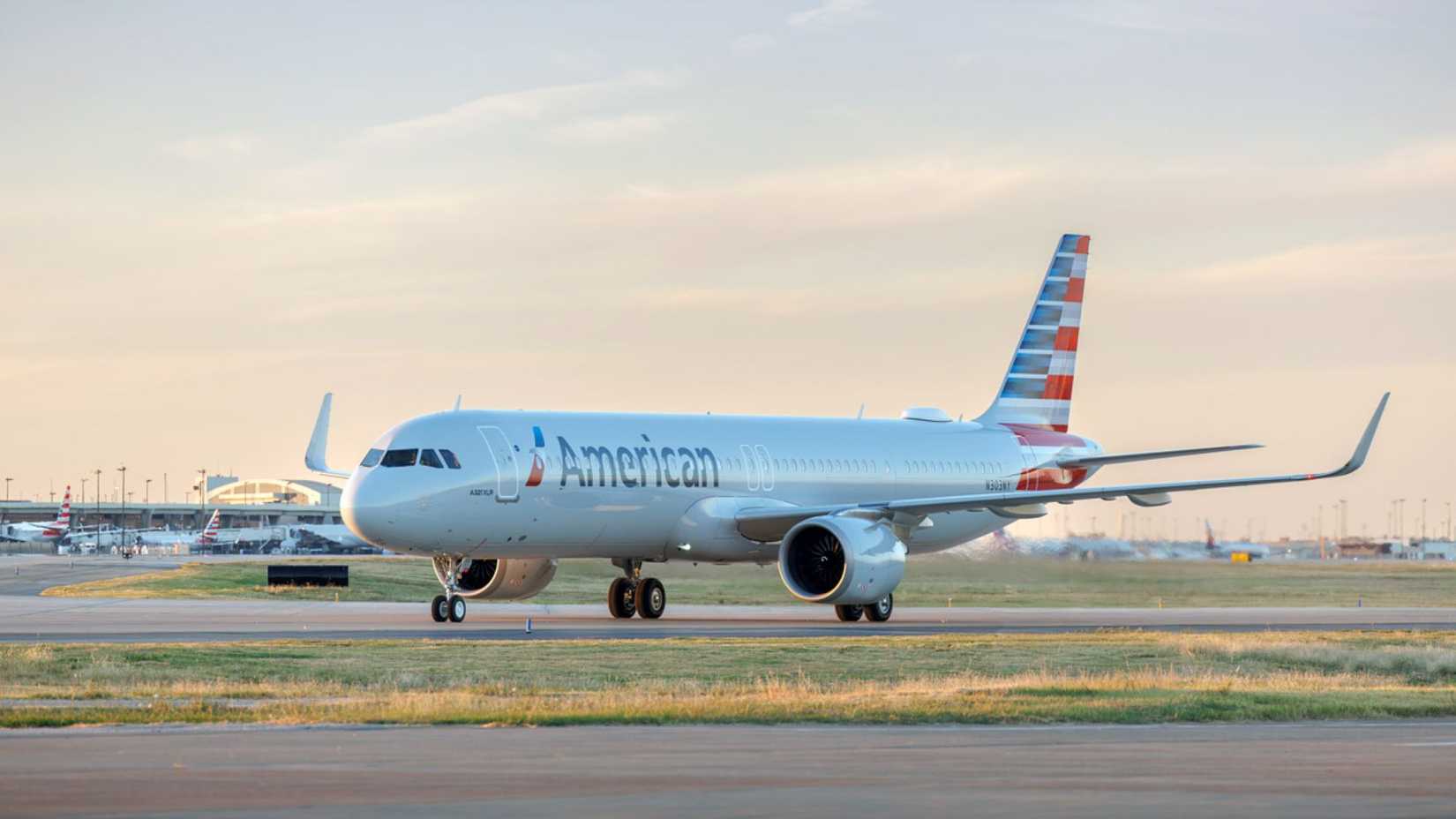
The Airbus A321XLR will enter American’s fleet in a premium-heavy configuration, featuring lie-flat business class seats, premium economy, and a reduced main cabin. Its extended range allows nonstop service to secondary European cities that cannot sustain widebody aircraft like the Boeing 787. American plans to use the jet to open new routes rather than replace existing ones. The airline sees this as a key differentiator against competitors’ hub-and-spoke models.
From a financial perspective, the A321XLR offers lower trip costs while maximizing high-yield seating. This enables American Airlines to pursue profitable niche markets with less risk. Analysts view the aircraft as central to improving margins after years of underperformance versus Delta and United. The December 18 debut signals that American’s premium turnaround strategy is moving from planning to execution. American Airlines’ Chief Strategy Officer Steve Johnson told Reuters:
“As these changes that we’re making are introduced and have some time to gel, you’re going to see them deliver value to us,”
Stepping Up Alongside Competitors


Across the industry, airlines are increasingly favoring smaller, long-range aircraft to improve network flexibility. The A321XLR joins jets like the A321LR in reshaping transatlantic flying. For passengers, this often means more nonstop options from non-hub airports. For airlines, it means better matching supply to demand.
The scale of the A321XLR commitment underscores that American views the aircraft as a long-term pillar of its network and fleet planning. This is not a limited trial or short-term experiment. Instead, it represents a deliberate, long-horizon shift that will shape the airline’s strategy well into the next decade.


American Airlines’ 1st Airbus A321XLR Makes Maiden Flight In Hamburg
The aircraft will ideally debut in the coming months.
Future Plans With The A321XLR


The A321XLR’s arrival also supports American’s broader cabin refresh, including new business-class suites and upgraded onboard amenities. These improvements are aimed squarely at corporate and premium leisure travelers. Early deployments are expected on high-visibility routes to showcase the product. Passenger response will be closely watched by both investors and competitors.
Historically, narrowbody aircraft were limited to short- and medium-haul missions. Advances in engine efficiency and fuel capacity have changed that equation. If successful, American’s strategy could accelerate a wider shift away from mid-size widebodies. Other carriers may follow with similar premium-focused narrowbody deployments.
Ultimately, the A321XLR represents a calculated gamble for American: a strategic bet on smaller aircraft, higher yields, and a more targeted international footprint. Rather than chasing scale with larger widebodies, the airline is prioritizing precision, opening thinner long-haul routes, reducing risk, and better aligning capacity with demand. If executed well, the A321XLR could reshape American’s long-haul strategy and redefine how the carrier competes internationally over the next decade.
source