


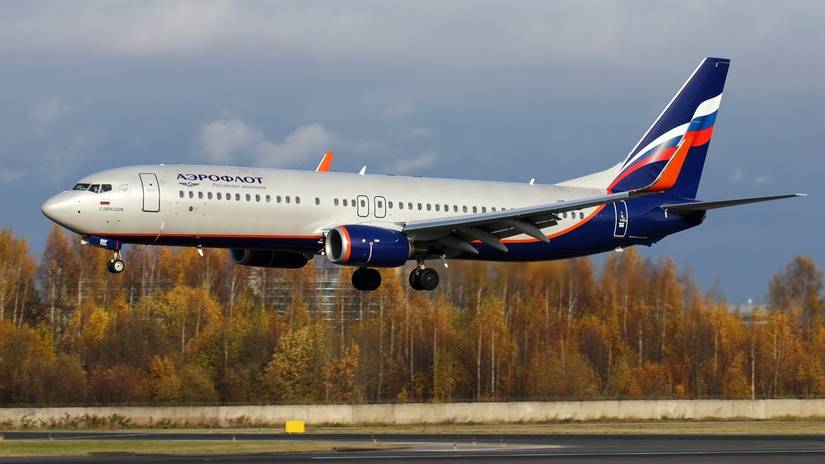
Russia’s flag carrier, 

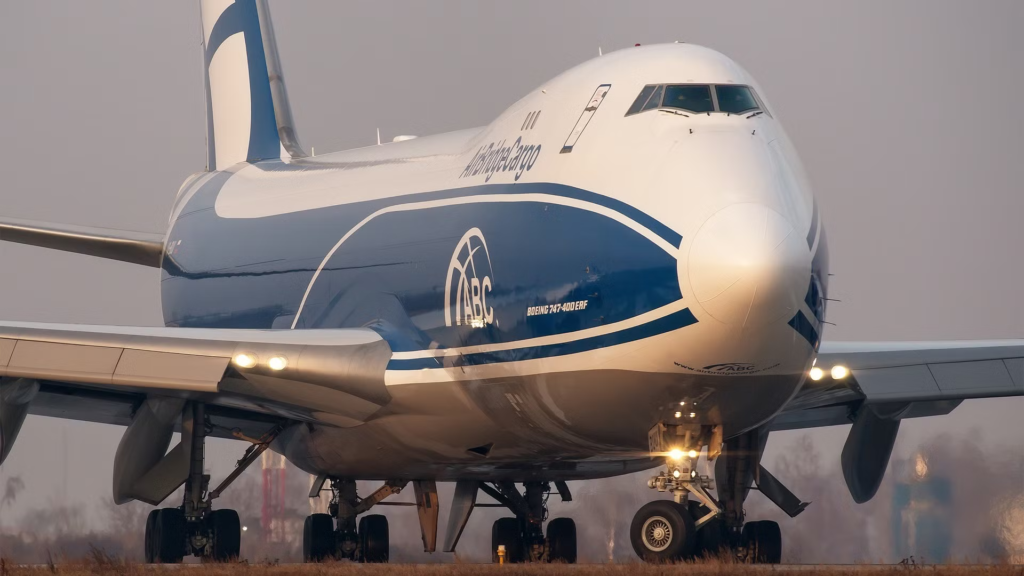
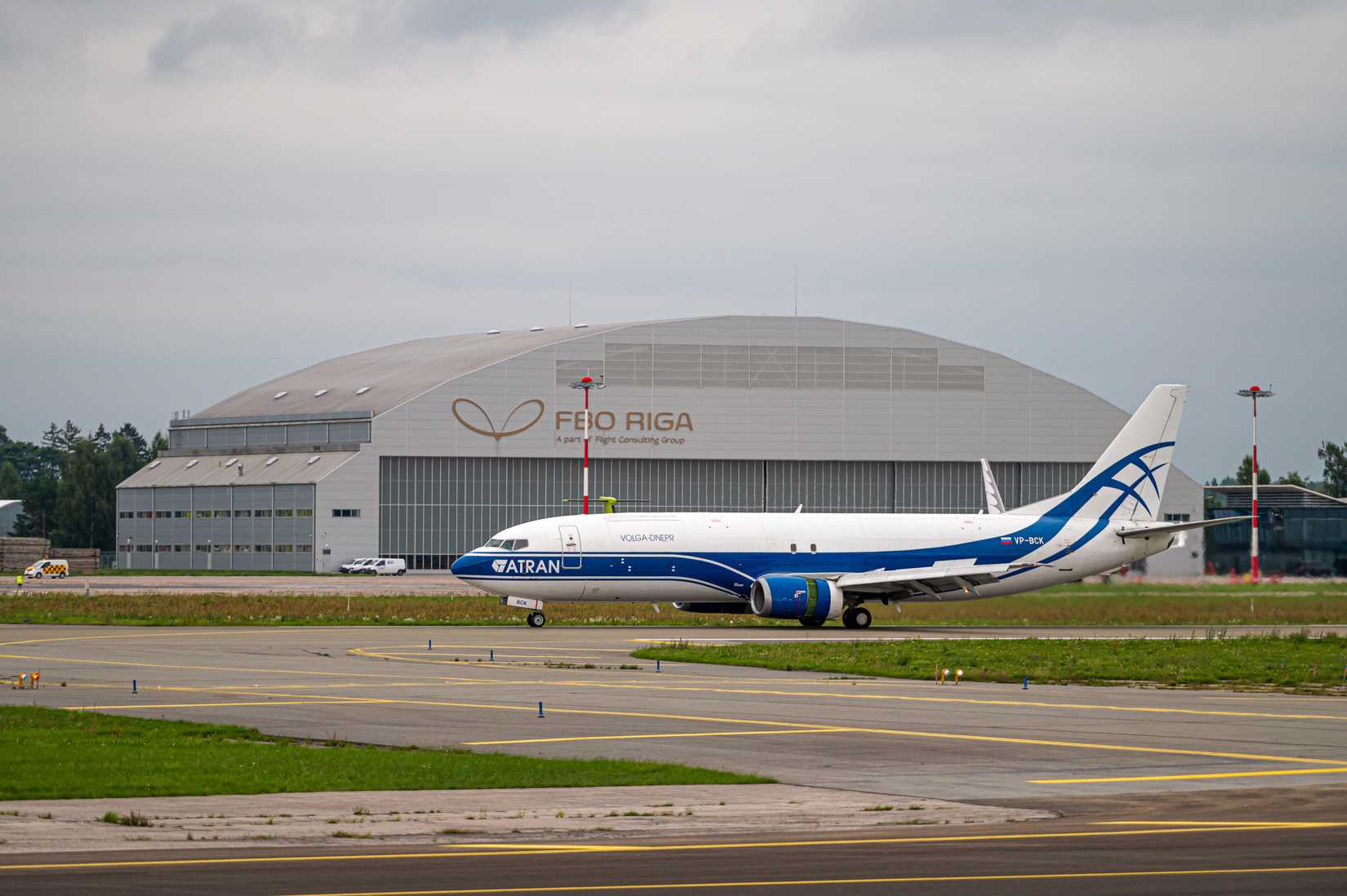
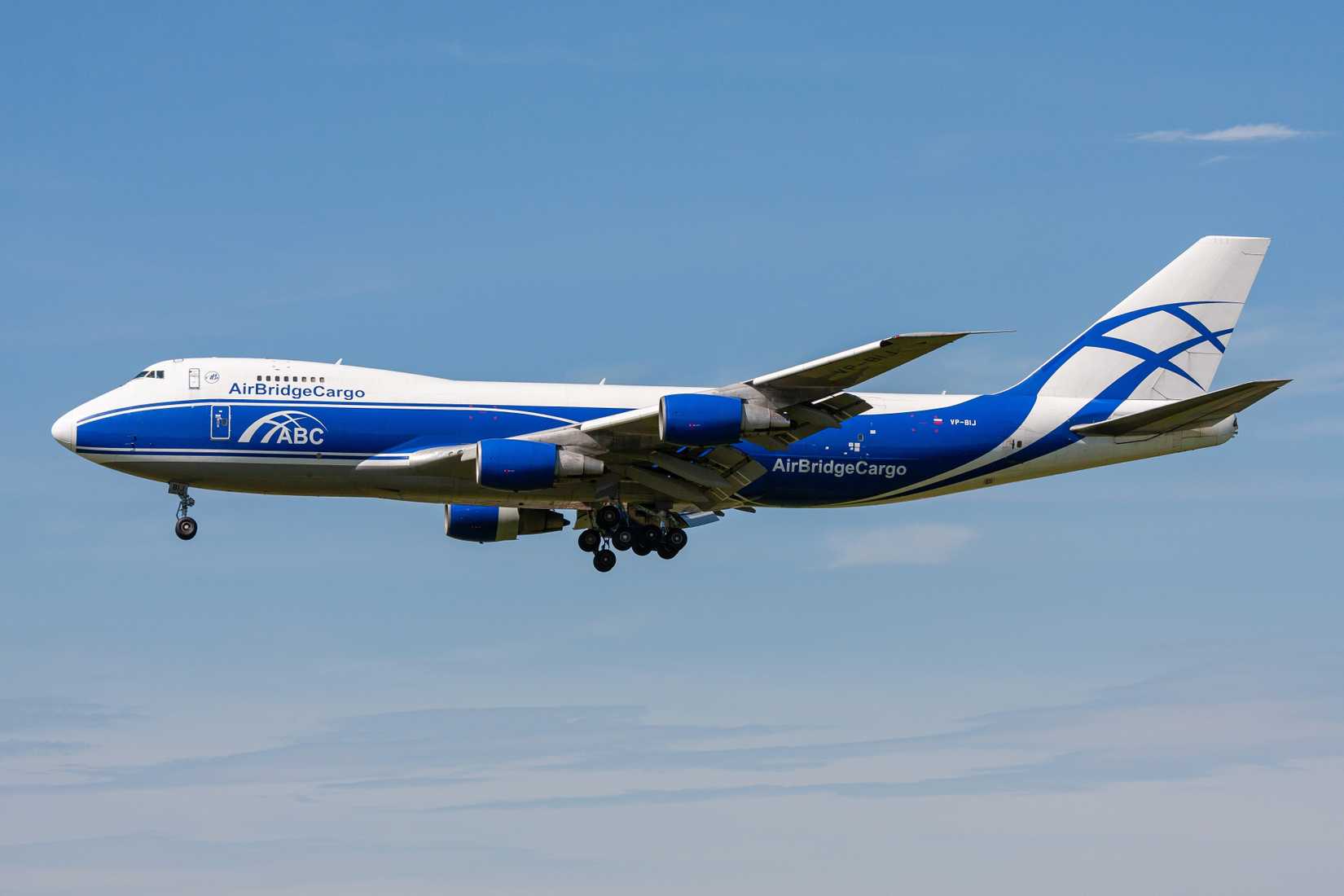
Six Boeing 737-800BCF from ATRAN, and two Boeing 747-400 from Air Bridge Cargo, both subsidiaries of the air charter, all cargo service provider Volga-Dnepr Airlines, will be transferred into the Aeroflot ultra-low-cost carrier, Pobeda, based at Vnukovo International Airport (VNO), and Rossiya Russian Airlines, based at Pulkovo Airport – St Petersburg (LED). While ATRAN remains operational, it retired its 737s in 2022, and AirBridge Cargo ceased operations in 2022.
Dismantling Six, To Save The Rest

The eight combined aircraft are set to be transferred through leasing agreements using cash from Russia’s National Welfare Fund, a financial cushion that has been built up by the country through oil and gas profits. However, as reported by the Moscow Times, economists predict that the current economic trends of Russia could see this fund depleted by 2026.
These claims further highlight the pressure on Russia’s aviation industry, which faces heavy sanctions from the West that have restricted the transfers of aircraft parts. Should the rumors be true, this would be the first instance where Russian passenger airlines needed to cannibalize cargo aircraft specifically for the use of spare parts. Prior to the Russia-Ukraine war, it was estimated that between 1,500 and 1,800 Western-made aircraft operated in Russia.
Since sanctions have been imposed, Russian aircraft are banned from entering the airspace of many countries, and have even had planes re-registered in Russia. All Russian carriers have been added to the list of airlines banned from flying in or over the European Union for safety reasons. The U.S Department of Commerce has also banned any American companies from servicing Boeing aircraft operated by Russian carriers.
No Access To Spare Parts

Prior to sanctions, Russian carriers could easily source parts for 
This is the practice where aircraft have had serviceable parts removed from retired or older aircraft, with parts used to service another airplane. This tactic saves time and money in the short term, but will quickly ground other aircraft and, as a result, disrupt logistics, fleet readiness, and increase overall long-term fleet costs. It remains unclear as to whether the donor aircraft will ever come into operational use again once sanctions are lifted.
Aviation-related sanctions to Russia, as set out by the European Commission, include the ban of exports, sales, supply, or transfer of any aircraft, parts, or equipment to Russia, and also restrict third-party countries from conducting any such behavior.
History Of Volga-Dnepr Airlines

Volga-Dnepr Airlines was one of the world’s major cargo carriers, which operated for more than 35 years. The organisation delivers cargo worldwide, while also providing MRO (Maintenance, Repair, and Overhaul), Trucking, and training. As per data from ch-aviation, the Volga-Dnepr Airlines fleet is now made up of Antonov An-124 and Ilushin II-76TD-90VD aircraft.
AirBridge Cargo, a former subsidiary of Volga-Dnepr, which once operated from 
ATRAN remains operational; however now only flies the Antonov An-12BP. It has allegedly distanced itself from Volga-Dnepr and operates cargo charters across Russia and the CIS (Commonwealth of Independent States), which include Armenia, Azerbaijan, Belarus, Kazakhstan, Kyrgyzstan, Moldova, Russia, Tajikistan, and Uzbekistan. The airline retired its Boeing 737-400F and 737-800BCF aircraft in 2022, when sanctions were first imposed.
source