


German defense group Rheinmetall and Netherlands-based defense technology firm Destinus have agreed to establish a joint venture focused on manufacturing advanced missile systems, the two companies announced on April 13, 2026.
The venture, to be named Rheinmetall Destinus Strike Systems, is planned to be set up during the second half of 2026 and will be based in Unterlüß, Lower Saxony. Rheinmetall will hold a 51% stake, with Destinus retaining the remaining 49%. The transaction is subject to regulatory approvals.
The joint venture will manufacture, market and deliver cruise missiles and ballistic rocket artillery, combining Destinus’ system design and platform development with Rheinmetall’s industrial capacity for qualification and serial production.
Destinus brings combat-proven systems
Destinus currently produces over 2,000 cruise missile systems per year in Europe, including systems that have been operationally validated and used in Ukraine. Its product line includes the Ruta Block 2, an autonomous cruise missile with a stated range exceeding 450 kilometers and AI-based guidance designed to operate in GPS-denied environments and inside layered air defense zones. The company also develops turbojet engines and interceptor systems.
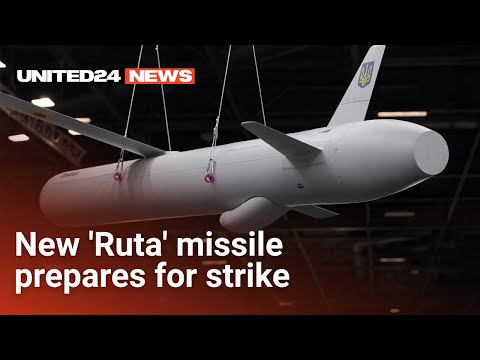
Rheinmetall’s role in the venture centers on industrial execution. The Düsseldorf-based group will provide production facilities at its Unterlüß site, along with qualification infrastructure and program management experience drawn from its broader defense portfolio. Destinus, which currently manufactures its missile systems across the Netherlands and other European sites, will continue to independently develop core systems and components. The joint venture adds a Germany-based production line.
Rheinmetall CEO Armin Papperger framed the venture as a response to the need to expand Europe’s defense industrial base. Destinus CEO and co-founder Mikhail Kokorich emphasized that the missile market is shifting from limited-production assets toward industrial-scale output, arguing that the real constraint in Europe is not demand but industrial capacity.
A growing missile market

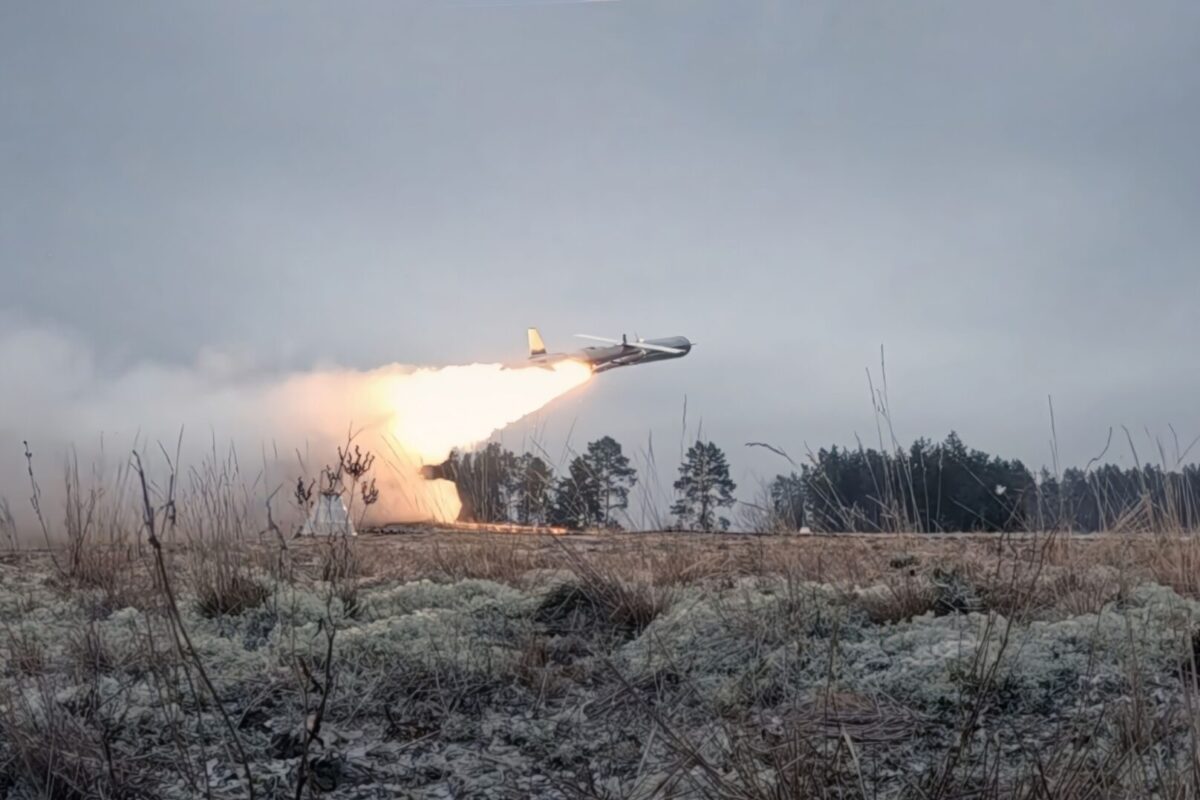
The two companies pointed to recent conflicts, including in Ukraine and the Middle East, as evidence that demand for scalable strike systems is growing well beyond traditional limited batches. Rheinmetall and Destinus estimated the near-term market opportunity at hundreds of millions of euros annually, with the potential to reach the low billions over time as European and allied procurement adapts.
The joint venture will target a broad international market in Europe and selected NATO partner countries, with the possible involvement of local industrial partners in key markets.
The announcement reflects a wider European push to rebuild and scale up missile production capacity. Germany signed a contract with MBDA and Saab’s Taurus Systems joint venture to prepare serial production of the Taurus Neo cruise missile in December 2025. France and the United Kingdom have also moved to restart Storm Shadow/SCALP production and are developing the STRATUS successor missile family. In the US, companies like Kratos have unveiled low-cost cruise missile concepts designed for mass production, while Anduril’s Barracuda series targets similar objectives.
Destinus’ pivot from hypersonic airliner to defense
Founded by Russian-born physicist and entrepreneur Kokorich, Destinus originally set out to develop hypersonic aircraft for commercial use, with an initial target of Mach 15, later scaled down to Mach 5-6. The company, originally based in Switzerland, progressively shifted its focus toward military applications, reorienting much of its activity toward advanced military drones and, more recently, cruise missile systems.
Destinus acquired Netherlands-based drone firm Aerialtronics earlier in 2025, followed by Swiss autonomous flight startup Daedalean for $223 million in August 2025. Kokorich, who has been vocal in his opposition to the Russian government, has reportedly helped Ukraine bolster its drone capabilities.
source