


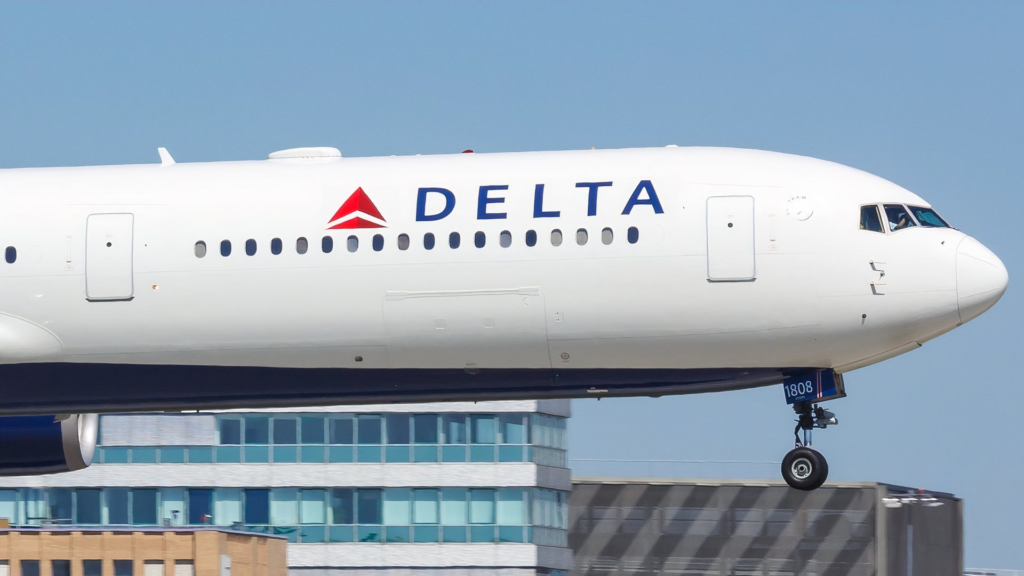
Since 2022, 

Loyalty has been the airlines’ principal revenue stream, with Delta’s American Express revenue and United’s MileagePlus revenue both continuing to rise. 
The Drivers Behind This Dominance


Delta and 
These airlines densified cabins with more first and business-class seating, while also adding premium economy seating. This has allowed both players to monetize increased willingness to pay among affluent leisure and corporate-leaning travelers.
Spending-based loyalty (driven by lucrative co-branded card spending) ultimately drives repeat purchases, lowers acquisition costs, and produces steady, ultra-high-margin cash flows. A broader long-haul network mixes corporate contracts with resilient leisure travel flows, while fleet flexibility ultimately lets them shift capacity to where yields are the strongest. Pandemic-era supply constraints limited rivals’ growth and helped amplify this advantage.
What Impact Does This Have On United And Delta’s Competitors?
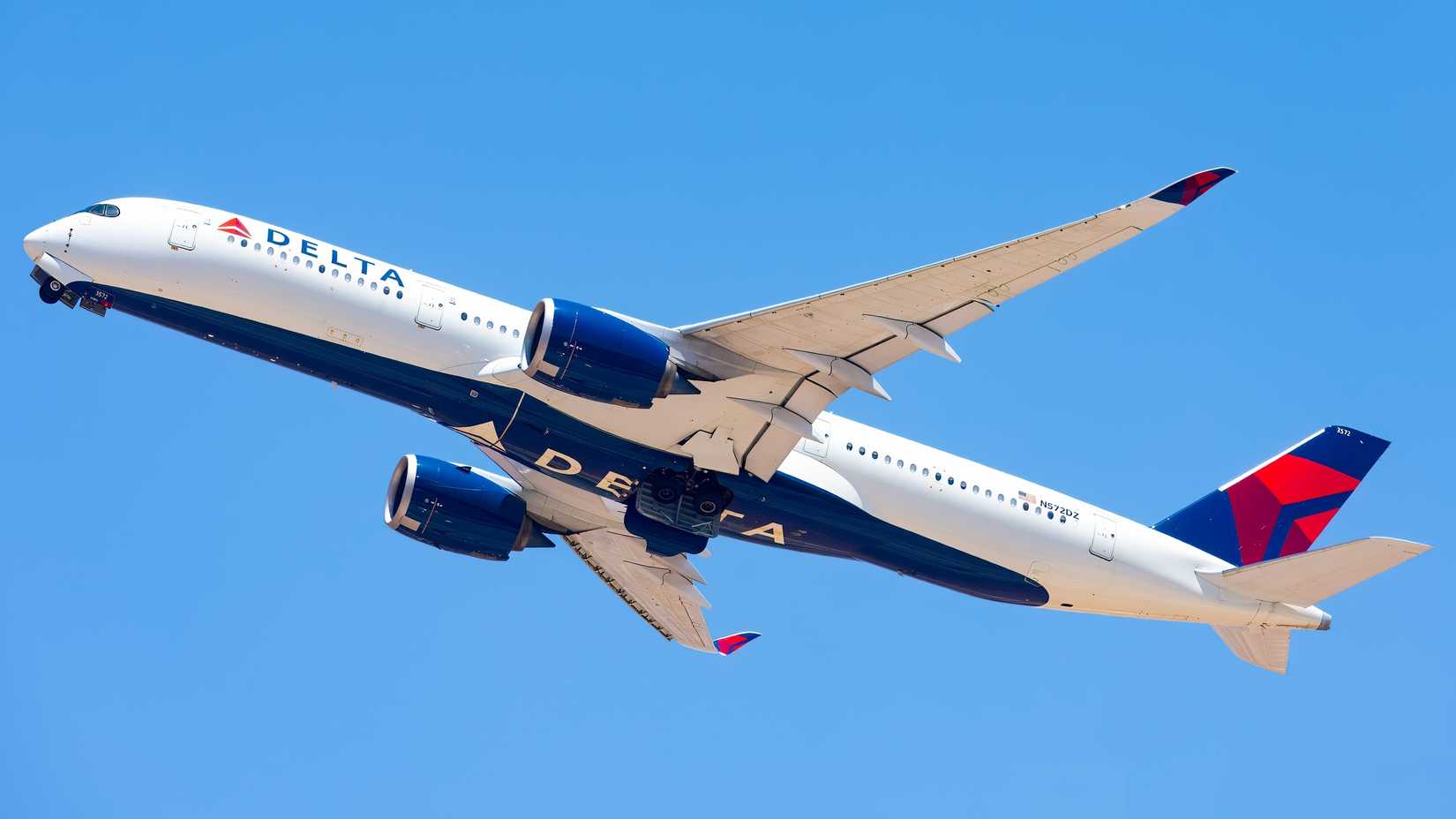
Delta and United’s premium-oriented models reinforce strategic repositioning all across the country. American Airlines, despite having comparable scale, must accelerate lounge upgrades, premium seating, and corporate sales recovery while deleveraging its balance sheet. Low-cost and ultra-low-cost carriers are currently facing the hardest squeeze, something the market has demonstrated, according to a breakdown by the New York Times.
Budget airlines now face higher labor costs, increased expenses and the airport and harsher maintenance expenses, which have been key factors eroding the legendary unit cost edge that once was the core advantage that low-cost carriers have been able to bring to the table. While demand has grown in higher-fare cabins, it has only continued to decline elsewhere.
Low-cost airlines have had to lean on premium-like products, such as extra-legroom seating, priority fares, or bundled packages. This has forced these airlines to perform schedule pruning on oversupplied domestic markets and reinforced deeper reliance on ancillaries and co-branded credit cards. Network carriers that lack fortress hubs will have a weaker presence in international markets.
This will erode their corporate share even on the trunk routes they do serve, and it will force them to retreat to defensible niches. As manufacturer output and air traffic control staffing begin to normalize, the conditions for these kinds of capacity-oriented carriers to thrive could resurface. In the meantime, consolidation, restructuring, and bankruptcy are the more likely outcomes for carriers that elect to operate without a cash flow-generating business model.
What Impact Will This Have On Passengers?

Shutterstock
Passengers will now see more premium inventory, improved lounge infrastructure, and stronger loyalty marketing, all of which are great if you value comfort or hold the right co-branded card. At fortress hubs, reduced head-to-head competition can result in firmer pricing, tighter upgrades, and fuller main cabins as airlines begin to tilt towards premium seating.
Status qualification will shift exclusively towards spending-based thresholds, and it will undeniably favor high-spending cardholders over mileage runners. This further shifts perks towards affluent leisure and corporate travelers.
Budget flyers will benefit unevenly, with premium-like options becoming a more common element of the low-cost landscape. If the economy weakens, a focus on discount travel could return, but perks are likely to be pared back.
source