


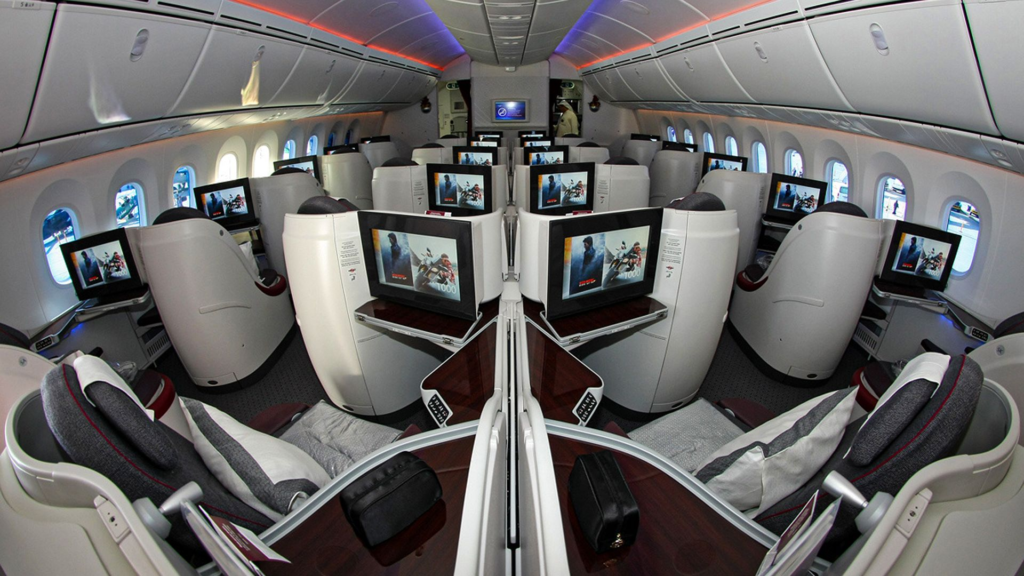
It is often the case that most long-haul international airlines have three or four cabin classes and have traditionally offered economy, business class, and first class as a minimum. A premium economy has been introduced at some airlines to meet passenger demand. Business class has become somewhat redefined in recent years, but first class seems to be falling out of favor.
One could suggest that airlines don’t make much money from first class ticket sales but put in a significant investment into creating a first class cabin. Is there no more need for the first class cabin, and is business class now outperforming it? Let’s find out more details in this guide.
Which Airlines Ditched First Class

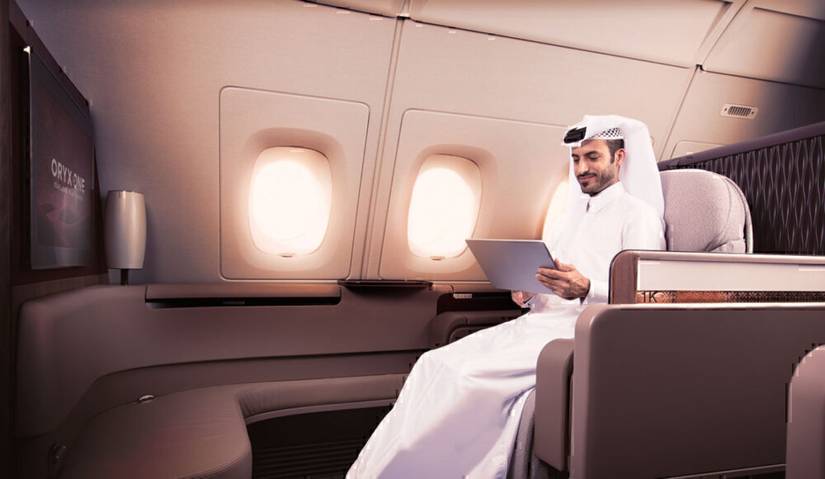
It is true that there are now fewer first class cabins, than ever before and some airlines have departed with the idea entirely. Some airlines have said it just doesn’t make money. For example, in October 2022, 


New Middle Eastern airline, Riyadh Air, has no first class cabin, instead having business class, premium economy and economy class cabins. Both Malaysia Airlines and LATAM decided to drop their first class cabin. 
A Change In Passenger Behavior


The airlines saw a change in passenger behavior, and that there was no value in paying a premium for first class when the business class product was comparable. The ultra-wealthy passengers that could travel first class, were now looking to travel by private jet instead. So instead, airlines are enhancing their other cabins. It is also much cheaper to fit a business class suite than a first class suite and there is more demand for business class, so the airlines get value for money.
In the US, domestic first class is not competitive on transcontinental routes. Widebody jets have been replaced by fuel-efficient narrowbody jets but this meant seats got smaller and all classes share the same single-aisle cabin. The first class experience is no longer there on domestic flights with no lie-flat beds, very little service and no perks such as priority boarding or lounge access, according to passenger quotes at USA Today. They also mention that the effect of upgrades on frequent flyer points means there is less value in the domestic first class product.
Perhaps the difference in business class and first class today is in name only, where business class has lie-flat beds and suites. Only a few airlines have both first class and business class cabins on long-haul international routes. These include legacy carriers such as Lufthansa, British Airways, Qantas and Air France. Some argue that the first class cabin is devalued if passengers with loyalty are upgraded, so often the airlines would rather leave the cabin empty.


Why Don’t Most US Airlines Have An International First Class?
Why do most US airlines ditch international first class? Discover why business class is now the new luxury standard in the skies.
What The Airlines Say


So what have the airlines said about the future of first class? American Airlines chief commercial officer, Vasu Raja explained in a call: “The first class will not exist … at American Airlines for the simple reason that our customers aren’t buying it. The quality of the business class … has improved so much and frankly, by removing it, we can go provide more business class seats, which is what our customers most want or most willing to pay for.”
Qatar Airways’ previous CEO, Akbar Al Baker, said that it’s no longer worth the investment. “Why should you invest in a subclass of an aeroplane that already gives you all the amenities that first class gives you? I don’t see the necessity,” he said via Arabian Business. He explained that the future lies in business class as evidenced by the airline’s Q-Suite product.
“It’s clear that many airlines are focusing on their business class product and moving away from a dedicated first class product,” Riyadh Air’s CEO, Tony Douglas, shared with Airport Industry Review. “At Riyadh Air, we feel that first class is not an efficient use of the real estate on the aircraft and that could be put to better use with a three cabin product that includes business class, premium economy and economy,” Douglas added.
Who Still has First Class?

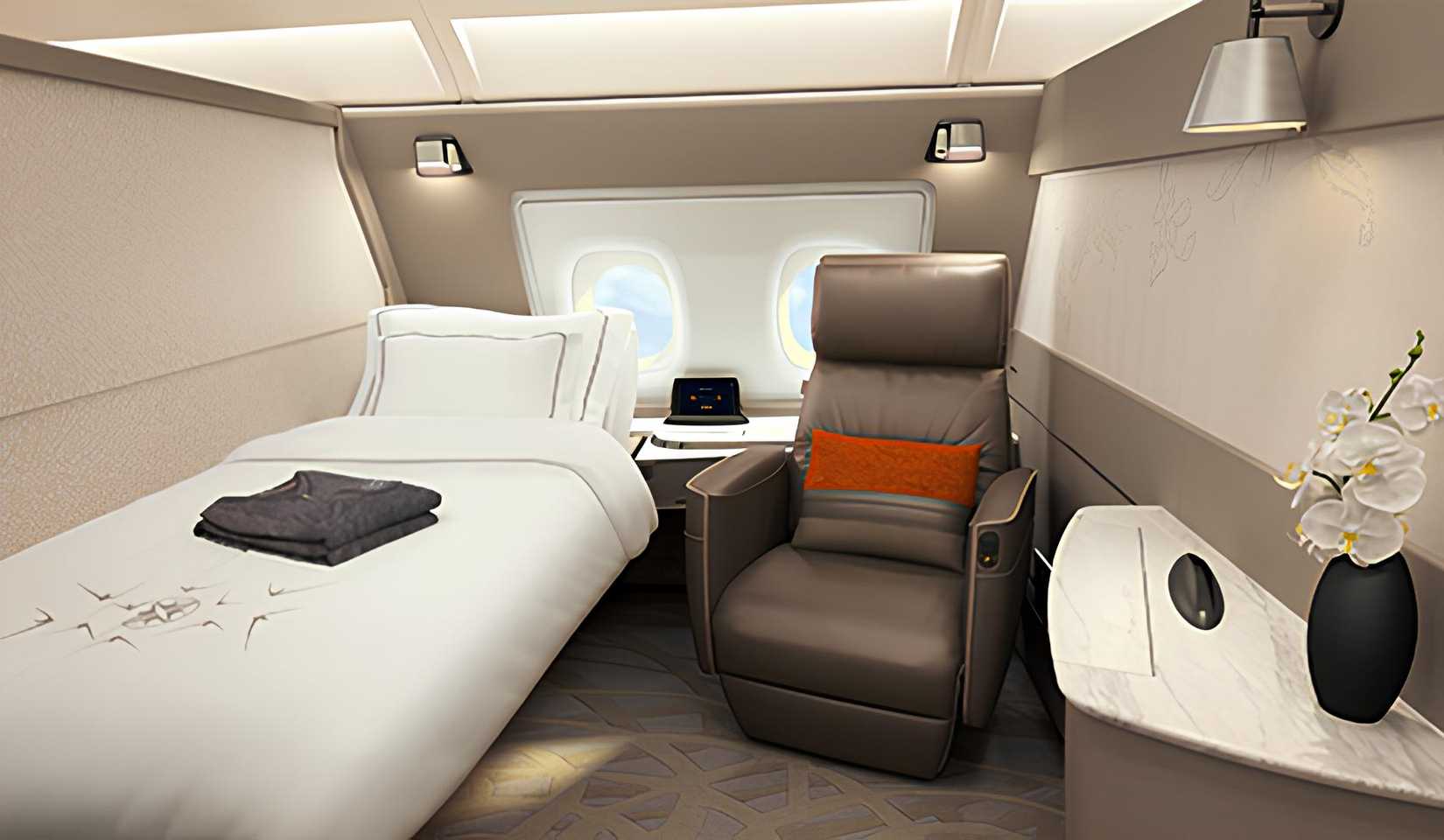
Although some airlines have given up on first class and enhanced their business class instead, not every airline agrees. Delta Air Lines outfitted its Delta One first class cabins with full-height doors for privacy and has lie-flat seats. 
The first class cabin can still be found on some US airlines on transatlantic and transpacific routes, where the likes of Emirates and Singapore Airlines first class are competitive and offer a luxurious experience. Air France has its La Premiére first class suites with armchair and flatbed on the Boeing 777-ER fleet on selected routes. Lufthansa has the Allegris first class suites on the Boeing 747 and Airbus A380. British Airways and Qantas still have first class cabins on selected aircraft.
Of course, all of these come at a premium price tag. The airlines that still have first class, believe that they will have passengers willing to pay for it. Such customers want the experience of it and unparalleled luxury, and it is seen as very exclusive. Its exclusivity is a significant part of its appeal for those for whom money is no object. Business class is, of course, cheaper for passengers and is more attainable than first class would ever be and now they are essentially the same product. First class can be four times more expensive than business class.
7 Airlines Offering First Class Seats On Flights Between The US & Europe: Compared
While such offerings are relatively rare nowadays, they are a real treat for those who can afford them.
Change In Demand

The new business class cabins have many new features, such as privacy doors and suites, whereas first class is almost seen as outdated. United Airlines’ domestic first product does have spacious first class seating but with a recline, not a lie-flat seat. Its business class product, Polaris, however, has semi-private ‘pods’ with lie-flat seats and luxurious bedding. This configuration is on international flights and some transcontinental city pairs, such as New York to Los Angeles and Boston to San Francisco. Others have only the Polaris cabin and no first class.

The business class cabin is now as good as first class was ten years ago and the two have switched roles somewhat. In turn, premium economy seats are now more like the previous business class. The market for first class is considerably small and airlines see that the investment in it is not worth the revenue.
The Future of First Class


The future of first class lies within individual airlines and their markets. The domestic first class product seems to have lost its identity in the US. Many of the large international airlines are keeping their first class whilst some are focusing on business class and premium economy cabins instead. Business class cabins are also cheaper to fit and there is more passenger demand for premium seats, especially on long-haul routes.
In some regions, like the Middle East, the first class product is still seen as the ultimate luxury experience. Indeed, Qatar Airways changed its mind and in November 2023, new CEO Badr Mohammed Al-Meer announced that there would be a new, improved first class for its next-generation aircraft. Air France and Lufthansa refreshed their first class cabins. It’s interesting to note that airlines who still operate the Airbus A380, have kept first class on this aircraft type.
Airlines are always looking at revenue and although first class seems to be redundant, business class is booming and premium economy is on the upward trend. First class is now seen as a niche product aimed at the super-rich or for those rich with loyalty points or miles and wishing to upgrade. Will first class eventually disappear? It’s hard to say but business class is certainly leading the way and more passengers are willing to pay for it.
source