


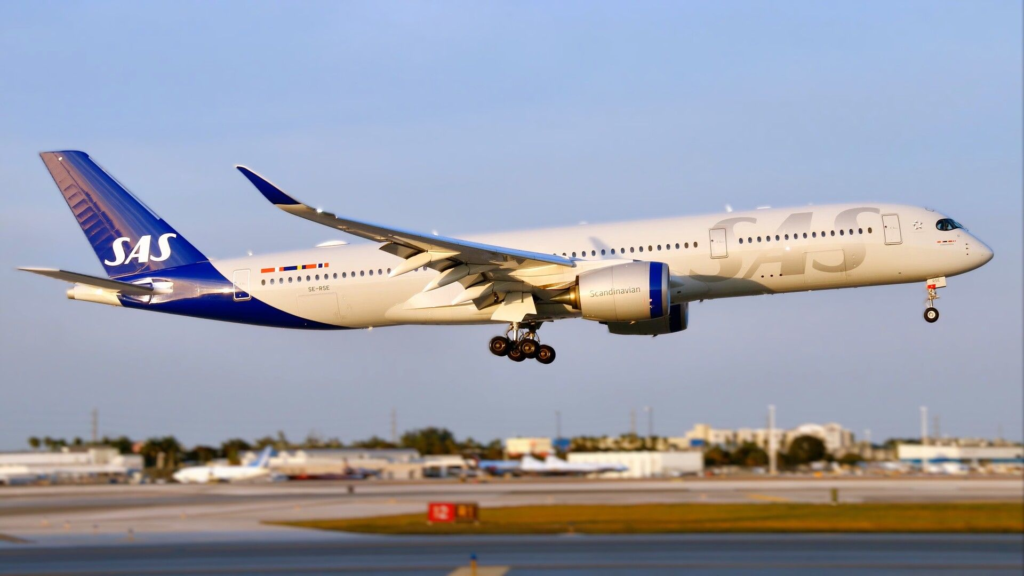
Scandinavian Airlines (SAS) recently launched the world’s newest Airbus A350 long-haul route. At nearly 5,000 miles, the nonstop flight from SAS’s hub at Copenhagen Airport to Seoul’s 

The new route comes just a year after the Scandinavian carrier emerged from Chapter 11 bankruptcy. It was forced to restructure over $2 billion in debt, delist its stock, and significantly reduce its fleet size to save costs. But there was a silver lining to the cloud, as Air France-KLM took a 19.9% stake in the company during the proceedings, and along with hedge fund Castlelake and Lind Invest, injected $1.2 billion into the airline. After swapping alliances, SAS is now part of 
The Non-Stop Service To Seoul

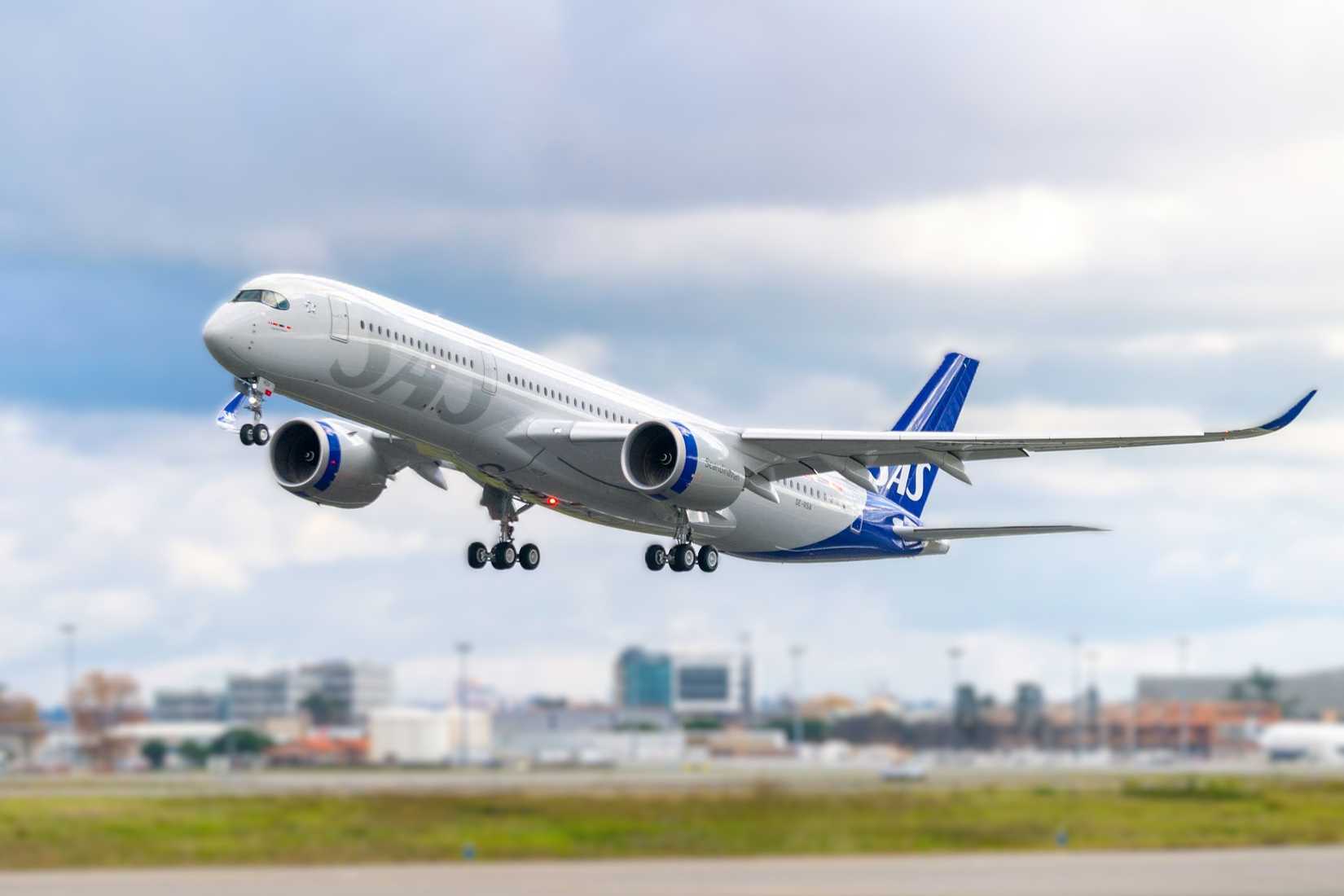
The nonstop route to Seoul is one of several new long-haul routes that SAS has launched as it settles into SkyTeam and enhances connections with its new partners. The South Korean capital makes logical sense as it is not only a major Asian commercial center, but also the primary hub of SkyTeam partner Korean Air, providing onward connections for Scandinavian passengers to more than 90 Asian destinations.
For Koreans, the all-new route to Copenhagen provides a gateway to Scandinavia’s natural beauty and vibrant cities, as well as an alternative route to Europe with onward connections to over 100 destinations across the continent. The new route will be operated four times weekly during the fall and spring, dropping to three times weekly over the winter months. The flight specifics are as follows:
|
Flight Number |
Origin |
Destination |
Departure |
Arrival |
|
SK 987 |
CPH |
ICN |
23:40 |
18:15 (+1) |
|
SK 988 |
ICN |
CPH |
23:45 |
06:05 (+1) |
SAS CEO Anko van der Werff says that forward bookings on the route have already been incredibly strong, and the airline now plans to increase the summer schedule to six times weekly. Speaking at the launch of the inaugural flight, he said:
“This is an exciting day for SAS and our passengers. With our inaugural flight to Seoul, we are not only responding to strong customer demand but also strengthening the ties between Scandinavia and one of Asia’s most vibrant hubs. Seoul is a global center of culture, innovation, and business, and we are proud to add it to our growing intercontinental network.”
A New Alliance Leads To New Partnerships
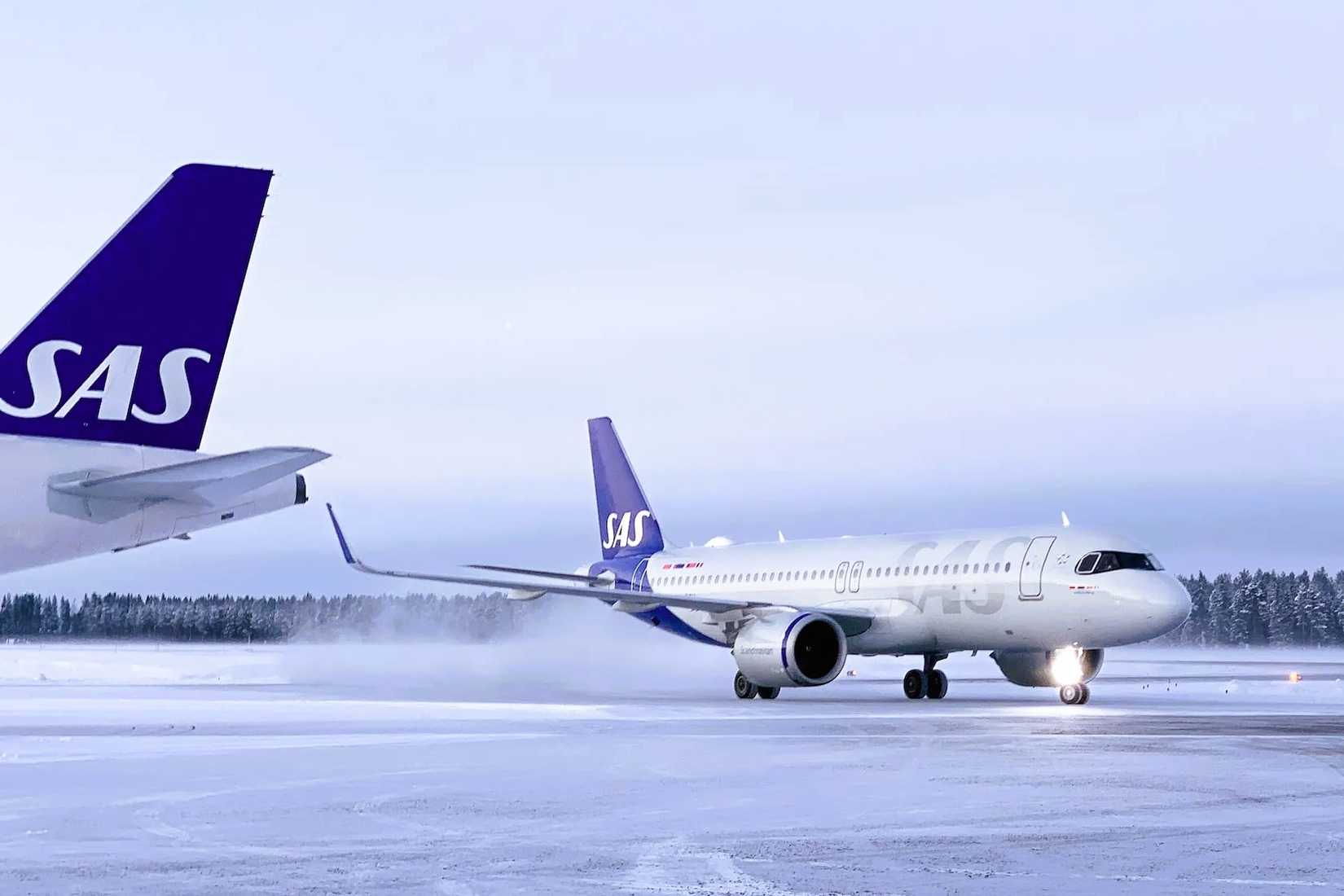
The new route is yet another highlight in what has been a transformative past year for SAS. After the approval of Air France-KLM’s 19.9% stake in the airline and its emergence from bankruptcy, it left 
|
SAS Partnership Moves Over The Past Year |
|
|
Partner |
Initiatives |
|
Air France-KLM |
Some of the first initiatives were to apply codeshares across SAS, Air France and KLM flights. More recently, SAS and Air France have applied for a codeshare network that would cover 10 destinations in the United States. |
|
Delta Air Lines |
SAS enhanced its codeshare agreement with Delta in September last year, and also launched flights to Delta’s hubs in Atlanta and Seattle, in addition to its existing routes to New York JFK and Los Angeles. |
|
IndiGo |
After IndiGo, Delta, Air France-KLM and Virgin Atlantic announced a wide-ranging partnership, SAS and IndiGo are pursuing codeshare and interline agreements, especially as SAS launches a new Mumbai route and IndiGo begins flying to Copenhagen. |
|
Virgin Atlantic |
SAS and Virgin Atlantic codeshare on transatlantic flights to the US and Caribbean, and flights connecting from London Heathrow and Manchester to Scandinavian destinations. |
|
WestJet |
After Delta and Korean acquired stakes in WestJet in May, the Canadian carrier established a codeshare with Air France-KLM and an interline agreement with SAS. |
SAS never entered the Star Alliance Transatlantic Joint Venture (JV), formed by Lufthansa, United Airlines and Air Canada, despite it being a founding member of the alliance. At the time, the airline’s executives were vocal about their dissatisfaction with the collaboration within the alliance and its exclusion from the JV. Now in a new alliance, it seems inevitable that SAS will eventually be included within the SkyTeam Transatlantic Joint Venture, which currently includes Air France, KLM, Delta Air Lines, and Virgin Atlantic.
Where SAS Flies Its A350s
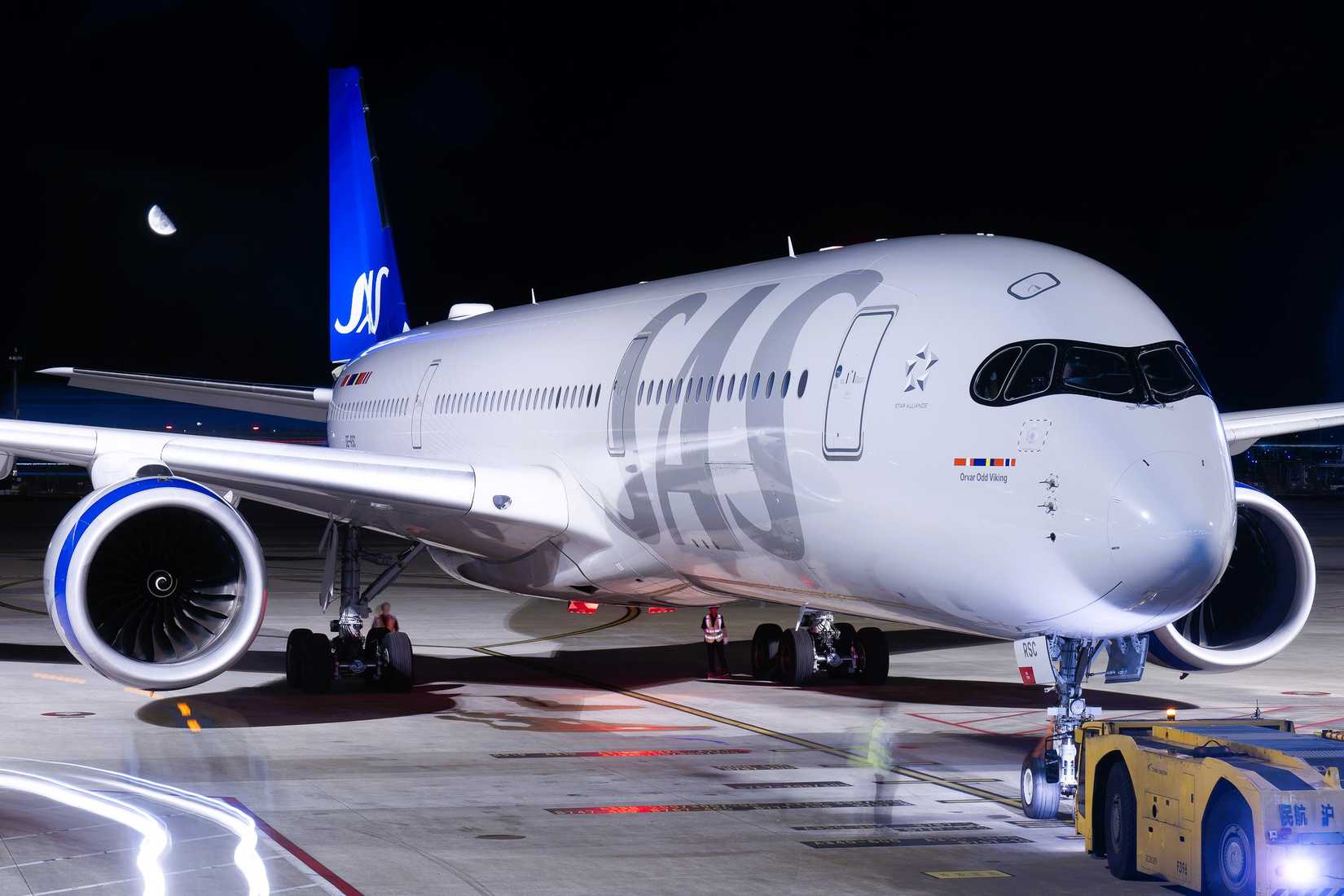
The new route to Seoul represents a major commitment by SAS to the city and its new SkyTeam partner, as the airline only has a small fleet of four A350s. It previously took delivery of two more frames right as the pandemic started, but these were grounded almost immediately and ultimately disposed of during its bankruptcy proceedings. They now fly with China Airlines and Malaysia Airlines.
The current four A350s complement SAS’s eight A330-300s (average age of 14.2 years) in operating the carrier’s long-haul flights and are used exclusively on its current routes to Asia and the US. The routes to Seoul and 
|
SAS A350 Routes From Copenhagen |
||
|
Destination |
Peak Frequency |
A350 Usage |
|
Atlanta |
5x weekly |
June–August. A330 the rest of the year |
|
Bangkok |
6x weekly |
Seasonal route October–March |
|
Chicago |
Daily |
October–March. A330-300 the rest of the year |
|
Los Angeles |
Daily |
A350s end in October, continues with A330s |
|
Miami |
5x weekly |
January–March. A330 the rest of the year |
|
San Francisco |
Daily |
Currently, uses A330, A350s start in October |
|
Seattle |
4x weekly |
Starts May |
|
Seoul |
6x weekly |
All flights |
|
Tokyo Haneda |
6x weekly |
All flights |
|
Washington DC |
Daily |
A350s end in October, continues with A330s |
SAS is expecting delivery of two more A350-900s next year to complete its current orders for the type. However, it is more costly to operate two small sub-fleets of widebodies, and the time is fast approaching for SAS to chart a clear path forward for its long-range aircraft.
Future Fleet Development At SAS

The big fleet announcement from SAS this year was the airline’s firm order for 45 Embraer E195-E2 twinjets for its regional operations, along with options and purchase rights for additional aircraft. The E195-E2 is the largest variant in the Brazilian planemaker’s next-generation E-Jet family, and will be used to expand the reach of SAS Link, the carrier’s regional subsidiary, which already operates 15 older Embraer E195 jets.
SAS’s overall fleet skews heavily towards narrowbodies. It has 86 Airbus A320-family aircraft in its mainline and regional operations, of which 77 are A320neos with an average age of just 4.9 years. These are deployed from its primary hubs at Copenhagen, Stockholm Arlanda Airport, and 
As a result, SAS’s next phase of fleet development will focus on widebody aircraft to support its long-haul expansion and further integration with its SkyTeam partners. While no decisions have yet been made, the airline is likely to consider three primary options:
- Airbus A350: As the larger, longer-range, and younger aircraft in the existing fleet, SAS is likely to focus on the A350 if it chooses to consolidate around a single widebody type. Van der Werff has hinted that this could be the case. SAS might have challenges getting new A350s in the short-term, but one potential solution is turning to Air France. The French carrier currently operates 39 A350s and has more than 50 still on order, and a portion of those could be assigned to SAS.
- Airbus A330: SAS has extensive experience operating A330s, so another option could be for SAS to place orders for A330-900s, which it would likely to be able to obtain at a lower cost and within a faster delivery timeframe compared to the A350.
- Airbus A321: SAS currently operates three leased A321LRs which are deployed on routes from Copenhagen and Oslo to Boston, Newark, New York, Toronto, and Washington DC. Utilizing A321LRs or XLRs for the expansion of routes to the US East Coast, similar to the deployment of the types by Aer Lingus, is also another option that could complement widebody deployment. Van der Werth has said “If the price points were good, both lessors and from the market, we would be interested in more A321LRs.”
Air France-KLM Is Taking A Majority Stake In SAS

The strong progress made at SAS has given Air France-KLM the confidence to initiate proceedings to increase its stake in the airline. In July, it announced its intention to raise its current 19.9% stake to a majority stake of 60.5%, subject to regulatory approval. It will achieve this by buying out the stakes held by Castlelake and Lind Invest. The Danish state will retain a 26.4% stake and will continue to hold its seats on the SAS Board of Directors.
The financial terms of the transaction have not been disclosed yet. The Financial Times reports that the new stake is expected to be valued considerably higher than the $145 million Air France-KLM paid back in 2023 for its 19.9% share during SAS’s restructuring. But the strategic value of unlocking operational synergies across loyalty programs, fleet planning, scheduling, and joint ventures is obvious.
Despite that rationale, the transaction will likely face scrutiny from the European Commission. However, Air France-KLM is confident that the transaction should progress without major barriers given the high level of competition in Scandinavia, particularly from low-cost carriers such as Norwegian Air. For his part, Van der Werff is emphasizing the positives of the deal:
“Air France–KLM becoming the majority owner would mark a defining moment for SAS and a strong signal of confidence in the direction we’re heading. It brings not just stability but will also allow for deeper industrial integration and the full backing of one of the world’s leading airline groups, once regulatory approval has been obtained. Together, we will be better positioned to deliver greater value to our customers, our colleagues, and the wider region.”
What To Expect From SAS In 2026

SAS intends to continue its momentum and has unveiled its largest-ever summer schedule for 2026. The plan includes nine new routes across Europe, North America, and Asia, alongside extended operations on several existing services. From its Copenhagen hub alone, SAS will increase seat capacity by 20%, creating 50% more connecting opportunities. This builds upon the past summer season, where the airline added 28 new routes across its network.
|
Scandinavian Airlines New Routes From Copenhagen In Summer 2026 |
||
|
Destination |
Starting Date |
Frequency |
|
Riga |
March 8 |
3x daily |
|
Luxemburg |
March 9 |
2x daily |
|
Istanbul |
March 26 |
Daily |
|
Bordeaux |
May 15 |
2x weekly |
|
Mumbai |
June 2 |
5x weekly |
|
Marseille |
June 22 |
2x weekly |
|
Visby |
June 22 |
3x weekly |
SAS is also boosting frequency on nearly 40 existing routes. Copenhagen alone will gain additional departures on over 25 connections, including Berlin, Brussels, Budapest, Krakow, Prague, Seoul, Tallinn, and Tokyo. Stockholm will see more flights to Brussels, Dublin, Paris, and Vaasa, while Oslo will benefit from expanded links to Brussels, Dublin, and Reykjavík.
There will be much to look out for in the second half of next year as well. With the arrival of two new A350s, we can expect further expansion of long-haul routes, likely with a strong SkyTeam flavor. The acquisition of a majority stake by Air France-KLM is also expected to be concluded by the second half of 2026. That will undoubtedly kick off increased activity at the airline, including key decisions regarding its fleet transformation and network expansion, alignment of loyalty programs, and SAS’ likely inclusion within the SkyTeam Transatlantic Joint Venture.
source